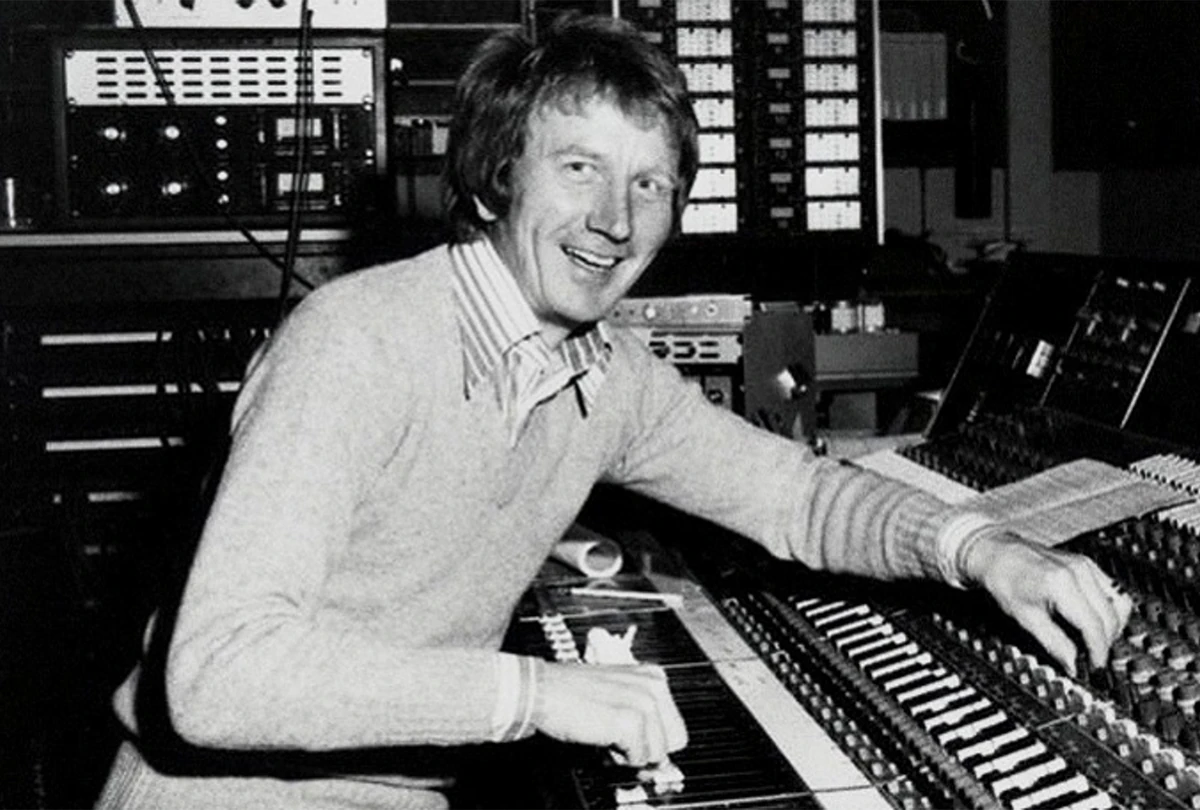
Alan Hawkshaw was a prolific British composer and performer whose work fundamentally shaped the sonic landscape of 20th-century television and modern popular music. Best known for composing iconic themes like Grange Hill and Countdown, his extensive "library music" catalog became a cornerstone for hip-hop sampling, establishing him as a lasting cultural influencer across multiple genres.
The Architect of British Television Soundtracks
To understand Alan Hawkshaw’s status as a cultural influencer, one must first recognize the sheer ubiquity of his work within the British household. For decades, Hawkshaw’s compositions served as the daily backdrop for millions of viewers. His ability to distill the essence of a program into a few bars of music made him the most sought-after composer in the industry.
The Grange Hill Phenomenon
Perhaps his most famous piece is "Chicken Man," the theme for the long-running school drama Grange Hill. Interestingly, this track was not originally written for the show; it was a piece of "library music" from the KPM 1000 Series. Its quirky, upbeat, and slightly rebellious brass melody perfectly captured the spirit of British youth in the late 1970s and 80s. The track’s cultural footprint is so large that it is still instantly recognizable to multiple generations of UK citizens.
Countdown and the Art of Tension
In 1982, Hawkshaw composed the theme for Countdown, the first program aired on Channel 4. The "Chimes" and the ticking clock sound during the 30-second rounds are masterpieces of functional music. Hawkshaw understood that the music needed to build tension without distracting the contestants. The result was a piece of music that has been played tens of thousands of times, becoming a permanent fixture of the British cultural lexicon.
News and Current Affairs
Hawkshaw was also responsible for the original Channel 4 News theme ("Best Endeavours"). Unlike the playful nature of "Chicken Man," this piece utilized a grand, orchestral, and synthesized approach to convey authority and urgency. By providing the musical identity for serious journalism, Hawkshaw proved his versatility and his ability to influence the "mood" of the nation at different times of the day.
The Library Music Revolution and KPM
Alan Hawkshaw was a leading figure in the world of library music (also known as production music). In the 1960s and 70s, companies like KPM, De Wolfe, and Bruton Music hired elite session musicians to record high-quality tracks that could be licensed for films, advertisements, and television programs.
The KPM 1000 Series
Working within the legendary KPM 1000 Series, Hawkshaw collaborated with other greats like Keith Mansfield and John Cameron. This era represented a "Golden Age" where composers had the freedom to experiment with jazz, funk, rock, and avant-garde electronics. Hawkshaw’s contributions were characterized by heavy grooves, sophisticated Hammond organ work, and impeccable timing.
From Functional to Collectible
For years, library music was considered a hidden industry, strictly for professional use. However, Hawkshaw’s work underwent a cultural re-evaluation in the late 1990s and 2000s. Record collectors and DJs began hunting for original KPM vinyl, recognizing that the "functional" music written by Hawkshaw often surpassed mainstream pop in its complexity and rhythmic depth. This transition from background music to "cool" collectible is a testament to Hawkshaw’s enduring artistic quality.
Cultural Influence Through Hip-Hop Sampling
One of the most significant ways Alan Hawkshaw influenced culture was entirely unintentional. His mastery of the groove made his work a primary target for hip-hop producers in the United States during the 1980s and 90s.
The Legacy of "The Champ"
In 1968, under the name The Mohawks, Hawkshaw released "The Champ." Built around a driving Hammond organ riff and a shouting vocal hook, the track was a moderate success in the UK but became a foundational text for hip-hop.
The influence of "The Champ" cannot be overstated. It has been sampled in hundreds of songs by artists including:
- The Beastie Boys
- KRS-One
- Salt-N-Pepa
- Eric B. & Rakim
- Jay-Z
By providing the rhythmic DNA for early hip-hop, Hawkshaw became an influencer in a genre far removed from the studios of London where he recorded. The "Hawkshaw sound"—percussive, soulful, and Hammond-heavy—became part of the global urban soundscape.
The Performer: Mastering the Hammond Organ
Before he was a renowned composer, Alan Hawkshaw was one of the most respected session keyboardists in the world. His technical proficiency on the Hammond B3 organ defined the sound of the late 60s.
The Shadows and the Checkmates
Hawkshaw’s early career saw him performing with The Shadows and the Checkmates. His ability to blend rock and roll energy with jazz-inflected sophistication made him an invaluable asset to these groups. His work with The Shadows, in particular, helped the band navigate the transition from the surf-rock sound of the early 60s into the more complex arrangements of the late 60s.
The Session Legend
Hawkshaw’s "hands" are on more records than most people realize. He played the iconic organ part on Jane Birkin and Serge Gainsbourg’s "Je t'aime... moi non plus," providing the breathy, sensual accompaniment that made the song a global sensation. His work as a session player ensured that even when he wasn't the primary artist, his musical sensibilities were influencing the charts.
Comparative Analysis of Key Works
The following table highlights the diversity of Hawkshaw’s output and its specific impact on different sectors of culture and media.
| Work Title | Primary Medium | Key Musical Characteristic | Cultural Impact/Legacy |
|---|---|---|---|
| "The Champ" | Single (The Mohawks) | Driving Hammond B3 riff | One of the most sampled tracks in Hip-Hop history. |
| "Chicken Man" | Library Music / TV | Upbeat brass & synth | Iconic theme for Grange Hill; symbol of 80s UK youth. |
| "Countdown" | Television Game Show | Percussive "ticking" motifs | Created a national psychological trigger for "time's up." |
| "Best Endeavours" | News Media | Orchestral/Electronic Hybrid | Defined the "authority" of Channel 4 News for decades. |
| "Je t'aime..." | Session Performance | Ethereal, melodic organ | Contributed to one of the most famous pop records ever made. |
| "The New Avengers" | TV Drama | Funky, cinematic tension | Elevated the production value of 1970s action television. |
Philanthropy and the Alan Hawkshaw Foundation
As he entered the later stages of his life, Hawkshaw’s role as a cultural influencer shifted toward mentorship and philanthropy. In 2026, the Alan Hawkshaw Foundation continues to be a vital resource for young musicians.
Supporting Emerging Talent
Recognizing the difficulties he faced as a young musician in the 1950s, Hawkshaw established his foundation to provide scholarships and financial support to students at music colleges like the Leeds College of Music (now Leeds Conservatory). The foundation focuses on students who show exceptional promise in composition and performance but lack the financial means to pursue their studies.
Preserving the Art of Arrangement
Hawkshaw was a staunch advocate for the "lost art" of musical arrangement. Through his foundation, he funded workshops that taught young composers how to write for live orchestras and ensembles, ensuring that the technical skills required for high-level media composition were passed down to the next generation. This legacy ensures that his influence isn't just felt through his past recordings, but through the future of British music.
Awards and Professional Recognition
Alan Hawkshaw’s contributions to the industry were recognized with the highest honors available to a British composer.
- The Ivor Novello Awards: Hawkshaw was a multi-time winner and was eventually named an Academy Fellow, the highest honor bestowed by the Ivors Academy. This recognized not just a single song, but a lifetime of excellence in songwriting and composition.
- Doctorate of Music: He received honorary doctorates from several institutions, recognizing his role in elevating library music and television themes to the status of serious art.
- Bayswater to Broadway: His autobiography, titled Bayswater to Broadway, remains a definitive text for anyone looking to understand the history of the British session music scene and the evolution of the television industry.
Technical Specifications of the "Hawkshaw Sound"
For producers and historians, the "Hawkshaw Sound" is a subject of technical study. It was achieved through a specific combination of equipment and recording philosophy:
- The Hammond B3 and Leslie Speaker: Hawkshaw was a master of the Leslie 122 cabinet, using the slow and fast speeds of the rotating speakers to create dramatic swells and rhythmic accents.
- Analog Saturation: Most of his classic library work was recorded on 2-inch tape at studios like Olympic or CTS. The natural compression of the tape helped give his drum tracks the "punch" that hip-hop producers later fell in love with.
- Modular Synthesis: In the 1980s, Hawkshaw was an early adopter of the Fairlight CMI and other digital/analog hybrids, allowing him to transition from the soulful funk of the 70s to the sleek, corporate sound of the 80s.
- Compositional Economy: Hawkshaw’s genius lay in his ability to write "economic" melodies—short, catchy phrases that could be looped, edited, or expanded upon easily by film editors.
Frequently Asked Questions
What is Alan Hawkshaw's most famous song?
While he has many famous pieces, "The Champ" (recorded with The Mohawks) is his most influential in the music industry due to its extensive sampling. However, for the general British public, the theme from Grange Hill ("Chicken Man") or the Countdown theme is likely his most recognizable work.
How did he become a "cultural influencer"?
Hawkshaw influenced culture in three distinct ways: by providing the "sonic identity" for British television for over 40 years, by creating the rhythmic foundations for hip-hop through his library music, and by mentoring the next generation of composers through his foundation.
Did Alan Hawkshaw play for The Shadows?
Yes, Alan Hawkshaw joined The Shadows in the late 1960s, primarily as a keyboardist. He played on several of their albums and toured with them, helping the band modernize their sound during a period of significant musical change.
What is library music?
Library music is a catalog of recordings owned by a music library (like KPM or De Wolfe) and licensed to film, television, and radio producers. Alan Hawkshaw was one of the most prolific composers in this field, creating high-quality music that was used globally as "stock" audio.
Is the Alan Hawkshaw Foundation still active in 2026?
Yes, the foundation continues to provide scholarships and support for music students, particularly at the Leeds Conservatory. It remains a key part of his legacy, supporting the education of composers and performers who demonstrate financial need.
Why was he called a "session legend"?
He earned this title because he was one of the most reliable and creative keyboardists in London's studio scene. He performed on thousands of recording sessions for stars like Olivia Newton-John, Tom Jones, and Cliff Richard, often adding the defining musical flourishes to their hits.
Practical Recommendation for Further Exploration
For those looking to truly understand the depth of Alan Hawkshaw’s impact, the best starting point is the KPM 1000 Series archives. Many of these tracks have been remastered and are available on major streaming platforms. Listen specifically for the albums The Sound of Pop and Mo' Better Themes.
Additionally, aspiring composers should study his autobiography, Bayswater to Broadway, which provides an masterclass in the business and craft of media music. By analyzing his transition from live performer to library composer to philanthropist, one can see the blueprint for a sustainable and influential career in the arts.