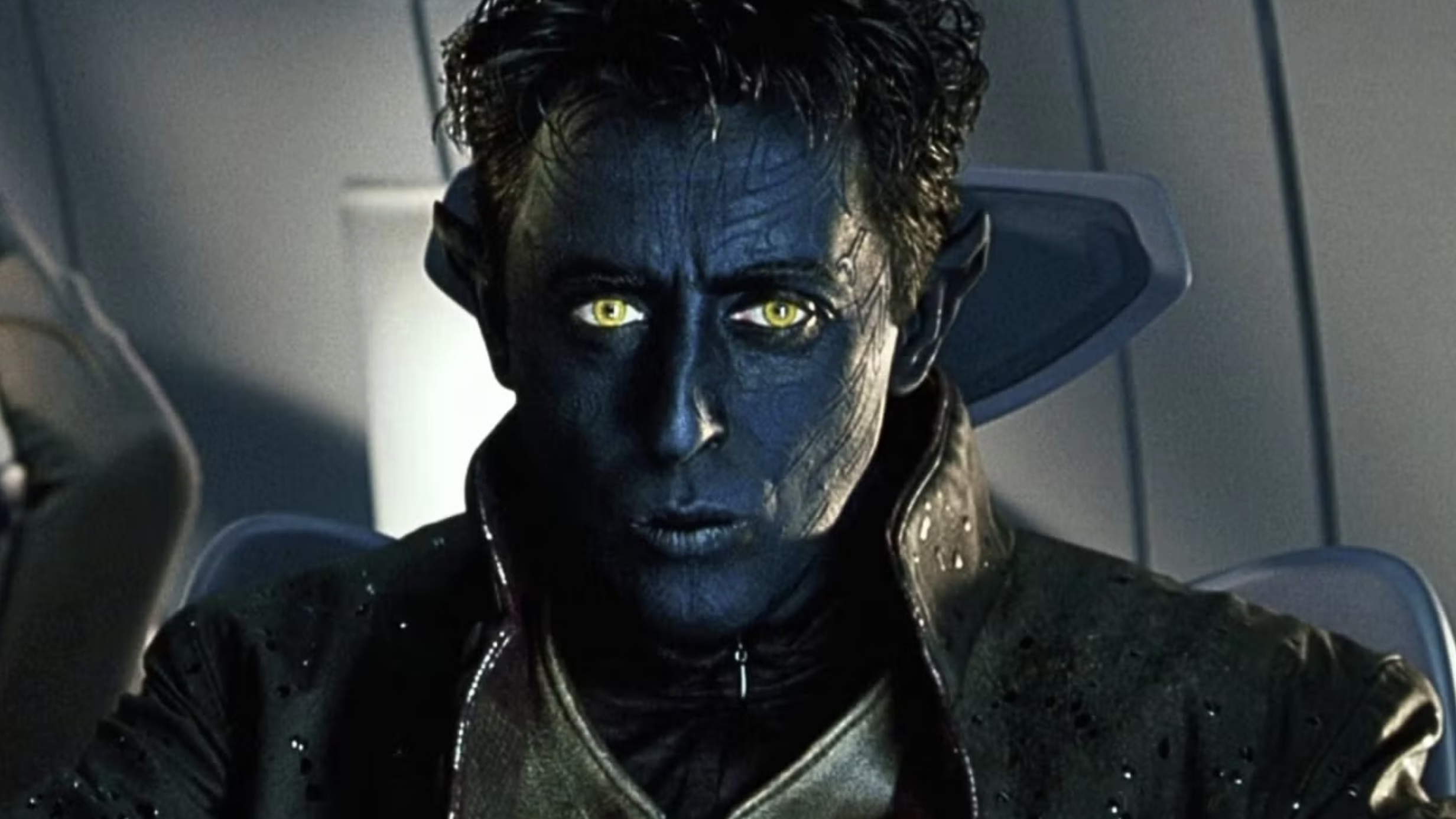
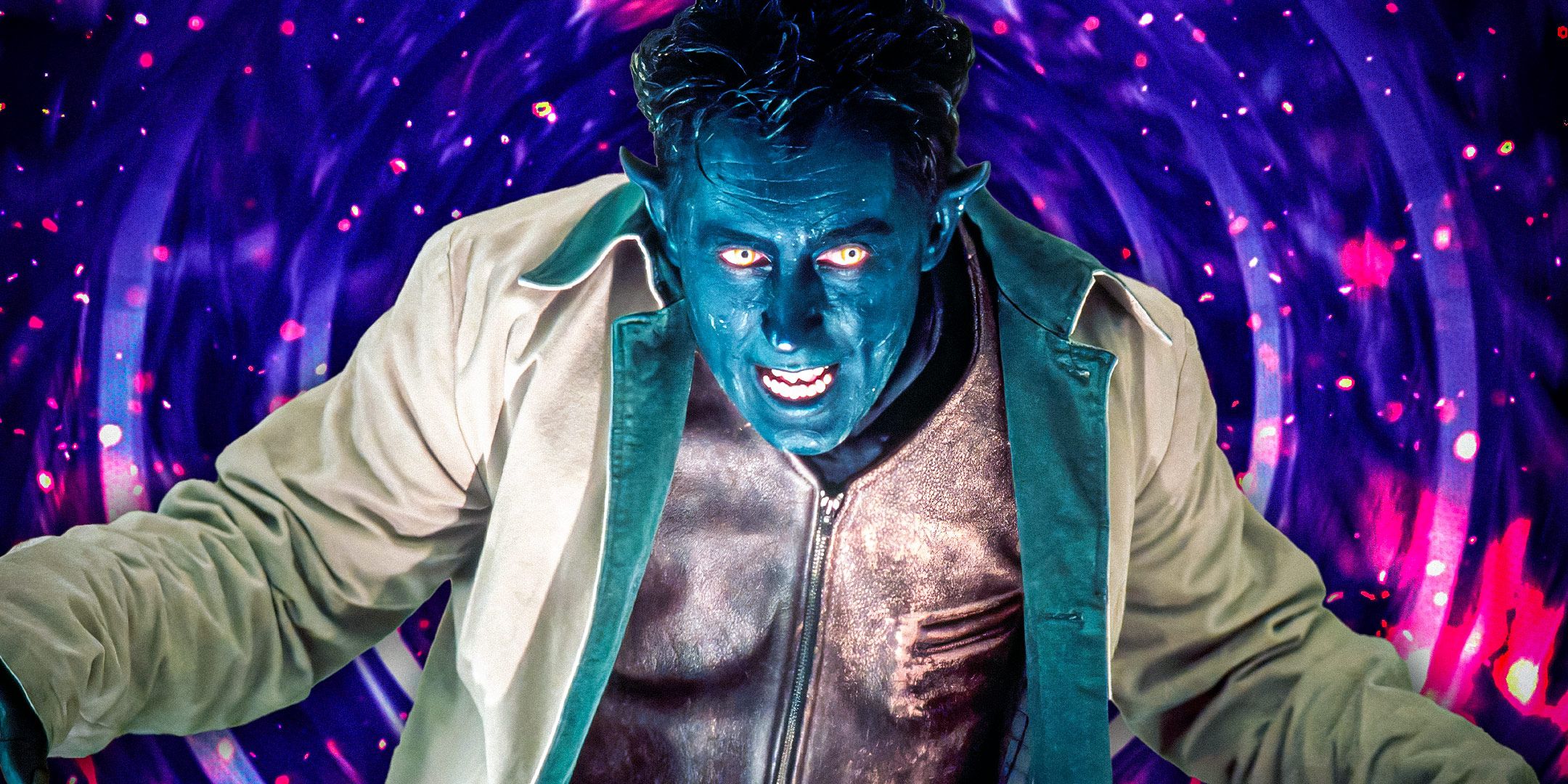
Alan Cumming portrayed Kurt Wagner, also known as Nightcrawler, in the 2003 film X2: X-Men United. His performance is widely regarded as a benchmark for superhero casting, blending intricate physical acting with a deep, theological exploration of the character. Despite appearing in only one film, Cumming’s Nightcrawler remains a fan-favorite portrayal of the teleporting mutant.
The Casting and Vision for Kurt Wagner
When director Bryan Singer began development on the sequel to the original X-Men (2000), the inclusion of Nightcrawler was a top priority for both the creative team and the fanbase. Nightcrawler, a character created by Len Wein and Dave Cockrum in 1975, is defined by his contradictory nature: he looks like a demon but possesses the heart of a saint. Finding an actor who could navigate this duality—while enduring a grueling physical transformation—was essential.
Alan Cumming, a classically trained Scottish actor known for his versatility in theater and film, was not the most obvious choice for a high-octane action movie. However, his background in physical theater and his ability to project a sense of "otherness" made him the ideal candidate for Kurt Wagner. The production sought to move away from a purely muscular interpretation of the character, opting instead for a lithe, acrobatic, and deeply empathetic figure.
The vision for Nightcrawler in X2 was heavily influenced by the character's origins as a circus performer. Cumming worked extensively with movement coaches to develop a specific gait and posture that felt non-human. This preparation ensured that even when Kurt was standing still, he looked like a creature capable of sudden, explosive movement. This commitment to the character's physicality laid the groundwork for what many consider the greatest opening sequence in superhero movie history.
The Physical Transformation: Makeup and Prosthetics
One of the most significant aspects of Alan Cumming’s tenure as Nightcrawler was the intense physical demands of the role. In an era before digital "mocap" suits became the standard for non-human characters, Cumming had to undergo a laborious practical makeup process every day on set.
The transformation took approximately four to eight hours depending on the complexity of the scenes being filmed. The process involved:
- Prosthetic Application: Applying silicone-based prosthetics to the face and ears to alter Cumming's bone structure.
- Adhesive Tattoos: The film’s version of Nightcrawler featured "angelic scars"—self-inflicted brandings representing his sins and his devotion to God. These were applied individually across his body.
- Body Paint: A multi-layered blue paint application designed to give the skin a matte, velvety texture rather than a shiny, "painted" look.
- The Tail: A mechanical animatronic tail was often used, though it was frequently supplemented with CGI in post-production to allow for more expressive movement.
Cumming has been vocal in the years since regarding the toll this process took on his well-being. The long hours in the makeup chair, combined with the discomfort of the contact lenses and the restricted movement of the prosthetics, made the filming of X2 an endurance test. This difficulty is often cited as a primary reason why Cumming did not return for the third installment, X-Men: The Last Stand, as the physical requirements were deemed too taxing for a character that would have had a diminished role in the ensemble.
Technical Breakdown: The White House Assassination Sequence
The introduction of Nightcrawler in X2 remains a masterclass in visual storytelling and action choreography. In this sequence, a brainwashed Kurt Wagner infiltrates the White House to assassinate the President. The scene serves several purposes: it establishes the power level of the "BAMF" (teleportation), introduces the political stakes of the film, and displays the character's agility.
From a technical standpoint, the sequence relied on a combination of wirework, practical stunt performers, and cutting-edge visual effects. The "BAMF" effect—the purple smoke and the sound of displaced air—was carefully designed to feel organic. Unlike later iterations of the character, Cumming’s Nightcrawler felt heavy; there was a sense of momentum every time he reappeared.
The choreography required Cumming and his stunt doubles to memorize complex "stop and start" movements. To film a single teleportation sequence, the camera would lock off, the actor would perform a move, the set would be cleared of smoke, and the actor would reposition for the next strike. The seamless editing by John Ottman (who also composed the score) transformed these disjointed takes into a fluid, terrifying dance of violence.
Faith and Philosophy: The Heart of the Character
What truly set Alan Cumming’s portrayal apart from other "monster" characters in the early 2000s was the emphasis on Kurt Wagner’s spirituality. In a franchise built on the "mutant metaphor"—where being different serves as a stand-in for real-world marginalized groups—Nightcrawler represents the intersection of visible difference and internal conviction.
Cumming delivered his lines with a soft, German-accented gentleness that contrasted sharply with his demonic appearance. The scenes where he interacts with Storm (Halle Berry) are particularly poignant. When Storm asks why he doesn't use his powers to fight back against those who hate him, Kurt responds with a philosophy of forgiveness and faith. He explains his scars not as marks of shame, but as a map of his spiritual journey.
By 2026, looking back at the evolution of the superhero genre, this focus on a character's internal life feels ahead of its time. X2 allowed Nightcrawler to be more than just a power set; he was a moral compass for the team. Cumming’s ability to convey vulnerability through layers of blue makeup allowed the audience to see past the "circus freak" exterior to the "fuzzy elf" within, a nickname fans had long used for the comic book version of the character.
Comparing Nightcrawler Portrayals
While Alan Cumming originated the live-action role, the character was later rebooted with actor Kodi Smit-McPhee in X-Men: Apocalypse (2016) and Dark Phoenix (2019). The two versions offer different perspectives on the character, influenced by the era of filmmaking and the specific narrative needs of their respective trilogies.
| Feature | Alan Cumming (X2) | Kodi Smit-McPhee (Reboot) |
|---|---|---|
| Age/Stage | Mature, seasoned, former circus performer. | Teenage, inexperienced, student. |
| Makeup Style | Dark blue, matte, heavy focus on scarring. | Brighter blue, more "comic-accurate" hair. |
| Themes | Religion, sin, and isolation. | Youthful rebellion and belonging. |
| Teleportation | Slower, "heavier" purple smoke effects. | Faster, "crackling" blue/purple energy. |
| Duration | Single-film appearance. | Two films plus a cameo in Deadpool 2. |
The primary difference lies in the tone. Cumming’s version is a man who has already suffered and found peace, whereas Smit-McPhee’s version is a boy finding his place in a family. Both are valid interpretations, but Cumming’s performance is often lauded for its gravitas and the sophistication of the dialogue provided by screenwriters Michael Dougherty and Dan Harris.
Why Nightcrawler Did Not Return for X-Men: The Last Stand
The absence of Nightcrawler in the third film of the original trilogy, X-Men: The Last Stand (2006), remains a point of contention among fans. Officially, the character was written out to make room for new additions like Beast (Kelsey Grammer) and Angel (Ben Foster). However, the reality was more complex.
Alan Cumming has clarified in various retrospectives that his experience on X2 was not entirely positive due to the physical discomfort of the role. Furthermore, the script for the third film reportedly gave Nightcrawler very little to do. Faced with the prospect of another six months of grueling makeup for a minor role, Cumming and the production mutually agreed to move on. In the context of the story, the video game X-Men: The Official Game (which bridges the gap between the second and third films) explains that Kurt left the X-Men because he felt their life of violence was incompatible with his pacifist beliefs.
Legacy and Cultural Impact in 2026
As of 2026, the superhero cinematic landscape has expanded into a massive, multi-versal industry. Yet, Alan Cumming’s Nightcrawler is frequently cited in retrospectives as a "perfect" casting choice. His performance proved that comic book movies could handle complex themes like religious devotion and self-harm without losing the sense of wonder and excitement inherent in the medium.
The influence of this portrayal can be seen in how modern "creature" characters are developed. The emphasis on practical effects supplemented by CGI, the focus on unique movement styles, and the commitment to a character's internal philosophy are all hallmarks of the path Cumming helped blaze in 2003. For many fans, he remains the definitive Kurt Wagner, a testament to the power of a single, well-executed performance within a larger franchise.
Frequently Asked Questions
Why did Alan Cumming have tattoos in X2?
The "tattoos" were actually self-inflicted ritual scars. In the film’s lore, Kurt Wagner uses these marks as a form of penance for his sins. Each mark represents a different prayer or a moment of transgression he is seeking to atone for, emphasizing his devout Catholic faith.
Is Alan Cumming actually German?
No, Alan Cumming is Scottish. However, he used a specific German accent for the role to stay true to the comic book origins of Kurt Wagner, who was born in the Bavarian Alps. His accent was praised for being distinct without becoming a caricature.
Was the tail in the movie real or CGI?
It was a combination of both. For scenes where the tail was relatively still or moving simply, an animatronic prop was used. For action sequences or moments where the tail needed to be highly expressive (such as when it curls around a bar or reacts to his emotions), it was created using digital effects.
Will Alan Cumming ever return to the role in a Marvel Multiverse film?
While there have been many rumors surrounding legacy cameos in the modern Marvel Cinematic Universe (MCU), Cumming has expressed a mix of nostalgia and hesitation. He has joked about the "blue torture" of the makeup, but also expressed pride in the character. As of 2026, no official return has been confirmed, though the possibility remains a popular topic of discussion among fans.
How did they film the teleportation scenes?
The "BAMF" effect was achieved by having Cumming or his stunt double stand in a specific spot, then cutting the camera. Smoke was pumped into the area, and then the actor would clear the frame. In the final edit, the two shots were blended with digital smoke and a "vacuum" sound effect to create the illusion of instant movement.
Practical Recommendations for Fans
For those looking to revisit or study this performance, the following steps are recommended:
- Watch the "X2" Special Features: The "making-of" documentaries provide a detailed look at the makeup chair and the wirework used for the White House sequence.
- Read the Comic "God Loves, Man Kills": This graphic novel served as a primary inspiration for the themes of X2 and provides deeper context for Nightcrawler’s religious struggles.
- Compare Accents: Listen to Cumming's natural Scottish accent in interviews versus his performance as Kurt to appreciate the vocal work involved in the role.
- Analyze the Opening Scene: View the White House assassination on a frame-by-frame basis to see how practical stunts and CGI were integrated during the early 2000s.