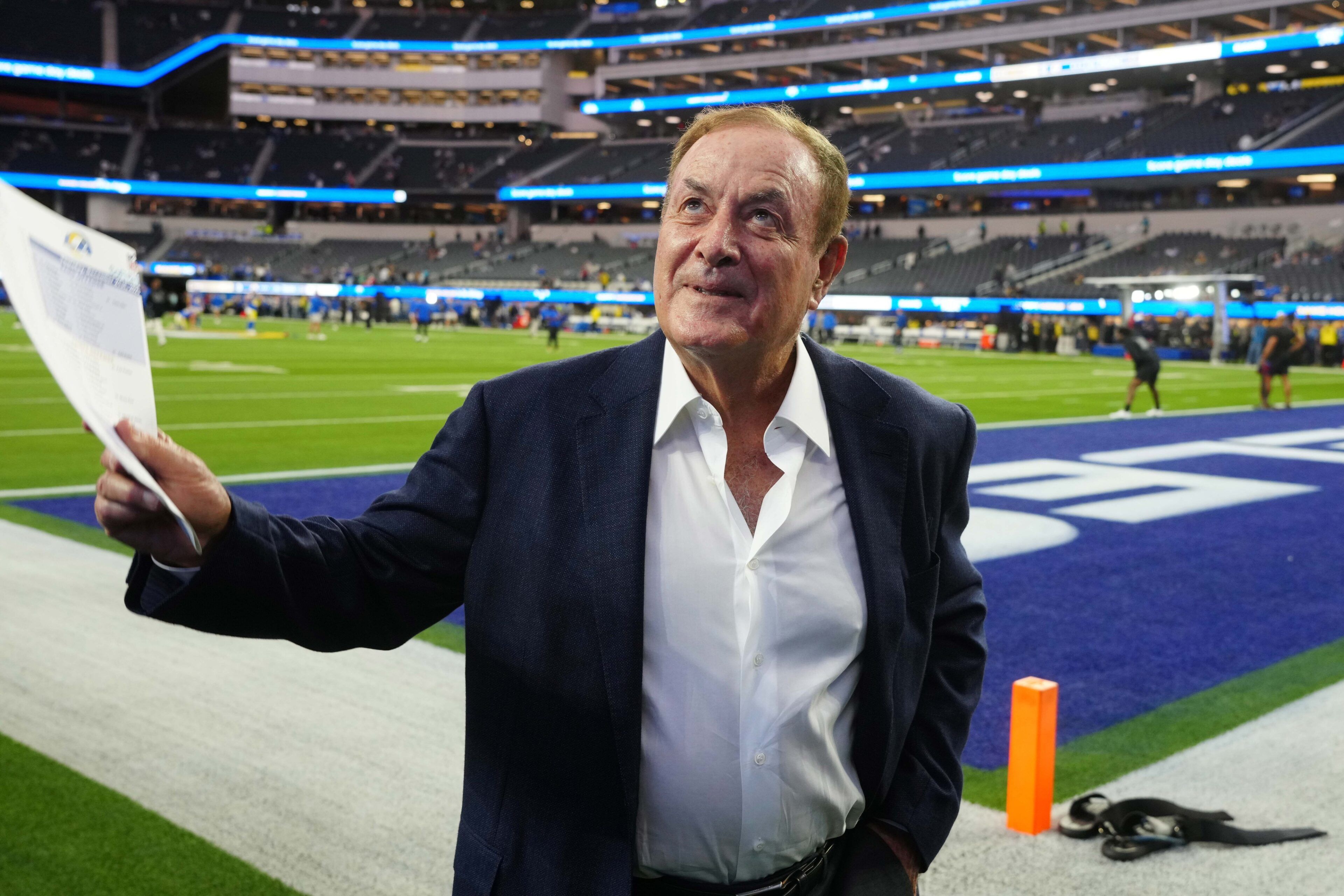
Al Michaels and his wife, Linda Michaels, share a remarkably enduring marriage that has spanned over half a century. While Al Michaels is one of the most recognizable and celebrated voices in the history of sports broadcasting—renowned for his iconic "Do you believe in miracles?" call during the 1980 Winter Olympics and decades of leading Monday Night Football and Sunday Night Football—Linda Michaels has maintained a largely private profile away from the intense glare of the sports media spotlight. Their partnership dates back to their youth in Southern California, forming a steady foundation through decades of professional highs, demanding travel schedules, and the evolution of modern sports television.
Introduction to Al Michaels and Linda Michaels
The life of a legendary sports broadcaster often involves relentless travel, high-pressure environments, and constant public scrutiny. For Al Michaels, navigating a career that has stretched across multiple decades and networks (including ABC, NBC, and Amazon Prime Video) has been anchored by his long-term marriage to Linda. The couple married in 1966, long before Al became a household name calling major championship games, World Series matchups, and Super Bowls.
Understanding the life of Al Michaels requires looking beyond the broadcast booth to examine the personal stability that has supported his professional longevity. Linda Michaels has intentionally chosen to remain out of the public eye, supporting her husband's career from behind the scenes while raising their family. This deliberate privacy stands in sharp contrast to the hyper-visible nature of modern sports media figures and their families, making public curiosity about their background a natural part of interest in the broadcaster's life.
The Early Years and Marriage in 1966
Al Michaels and Linda (born Linda Stamton) crossed paths during their youth in the Los Angeles area. Al, who was born in Brooklyn, New York, moved to Southern California with his family during his childhood, attending Hamilton High School and later Arizona State University.
The couple married in 1966 when Al was just starting out in his professional life and attempting to carve out a path in sports media. In the mid-1960s, the landscape of sports broadcasting was vastly different from today, with fewer national networks and traditional pathways for young reporters. During these formative years, Linda provided critical stability as Al worked through various early jobs in media, including writing for the Los Angeles Herald-Examiner, working for Chuck Barris Productions, and eventually moving into play-by-play work for minor league baseball and local television stations.
Key Milestones in Their Shared Timeline
| Year / Period | Milestone Event | Context |
|---|---|---|
| 1966 | Marriage of Al and Linda Michaels | Married in Southern California during Al's early career development. |
| 1970s | Relocation and Career Growth | Moving across various cities (such as Honolulu and Cincinnati) as Al advanced in broadcasting. |
| 1976–1977 | Arrival at ABC Sports | Al joins ABC, anchoring his position in national sports media. |
| 1980 | The "Miracle on Ice" | Al calls the historic U.S. hockey victory at the Lake Placid Winter Olympics. |
| Decades Following | Long-Term Family Stability | Raising children (Jennifer and Steven) while managing a grueling national broadcasting schedule. |
Family Life and Raising Children
Balancing a demanding career in network television with family life is a persistent challenge for major broadcasters. Professional football, baseball, and Olympic coverage require announcers to spend weekends, holidays, and extended stretches away from home. Throughout Al Michaels' career—spanning assignments on Monday Night Football for nearly two decades, major league baseball postseasons, and premier horse racing events—Linda managed the household and raised their two children, Jennifer and Steven.
The couple raised their family primarily in the Los Angeles area, maintaining a home base that allowed their children to experience consistency despite Al's frequent travel. Maintaining a low profile has allowed the family to navigate the pressures of fame without the intrusive media attention that often follows prominent entertainment and sports figures. Over the years, the family has expanded to include grandchildren, further cementing a quiet domestic life that contrasts sharply with Al's high-decibel professional environment.
Linda Michaels' Approach to Privacy
In an era defined by social media exposure and constant public documentation, Linda Michaels has maintained a strict boundary between her private life and her husband's public persona. While many spouses of prominent broadcasters engage in public-facing philanthropic work, media appearances, or social media branding, Linda has chosen a traditional path of privacy.
This decision has shielded the family from unnecessary scrutiny and allowed Al to maintain a clear separation between his demanding career and his personal life. Colleagues and sports journalists who have worked with Al Michaels over the decades frequently note his professionalism, quick wit, and dedication to his craft, attributes that are often nurtured by a stable, supportive home environment.
Al Michaels' Career Context and Linda's Support
To understand the dynamic of their marriage, it is helpful to examine the sheer scale of Al Michaels' career milestones, which required steadfast support from the home front:
- The 1980 Winter Olympics: Calling the United States hockey team's upset over the Soviet Union, culminating in his iconic countdown and exclamation, "Do you believe in miracles? Yes!"
- Monday Night Football: Serving as the definitive play-by-play voice of prime-time professional football from 1986 through 2005 on ABC, and continuing on NBC's Sunday Night Football through 2021.
- Thursday Night Football: Transitioning to Amazon Prime Video to continue anchoring prime-time broadcasts into his eighties.
- Multi-Sport Versatility: Covering Major League Baseball, the World Series, NBA finals, horse racing's Triple Crown, and multiple Olympic Games.
Supporting a partner through a career that demands travel across the globe for high-stakes broadcasts requires immense patience and organizational strength. Linda's role behind the scenes has been frequently acknowledged by Al in interviews, where he notes that his professional success would not have been possible without her constant support and partnership.
Frequently Asked Questions
When did Al Michaels get married?
Al Michaels married his wife, Linda, in 1966. The couple met in Southern California during their youth and have remained married for nearly six decades, making theirs one of the longest-standing marriages in the sports broadcasting community.
How many children do Al and Linda Michaels have?
Al and Linda share two adult children, a daughter named Jennifer and a son named Steven. They also have grandchildren, maintaining a close-knit family life centered in Southern California.
Why is Linda Michaels rarely seen in public?
Linda Michaels chooses to maintain a private life away from the media spotlight. Unlike many public figures' spouses, she does not seek media attention or maintain a public social media presence, preferring to support her husband's career from behind the scenes.
How has Linda supported Al Michaels' broadcasting career?
Linda has provided stability and managed family life through decades of Al's rigorous travel schedule, spanning major national broadcasts like Monday Night Football, the Olympics, and the World Series. Her consistency at home has allowed Al to focus on his demanding media career.
Where do Al and Linda Michaels live?
The couple has long maintained their primary residence in the Los Angeles area of Southern California, where they raised their children and continue to spend their time outside of Al's seasonal broadcasting duties.
Practical Summary and Next Steps
For followers of sports media history, the enduring partnership between Al Michaels and his wife Linda offers a classic example of stability behind a high-profile public career. While public interest often touches on personal details such as age and family background, the core narrative of their shared life is one of enduring commitment, mutual support, and a shared boundary between professional visibility and private family life.