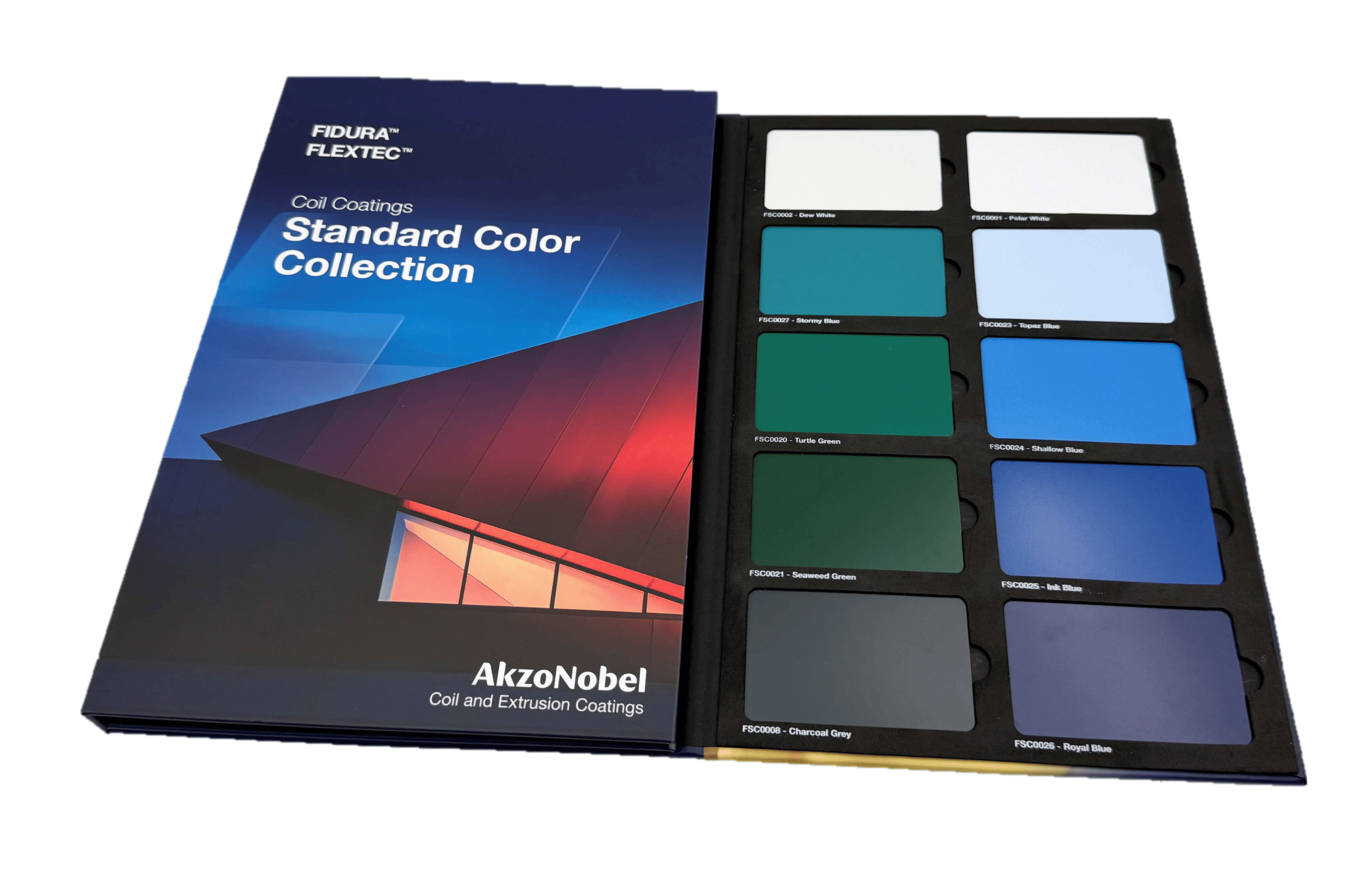
AkzoNobel has significantly expanded its powder coatings operations across the United States to meet escalating demand for sustainable, high-performance industrial finishes. Driven by multi-million-dollar capital investments in advanced manufacturing, automated packaging, and expanded research facilities, this strategic move enhances domestic supply chains, accelerates order fulfillment, and broadens low-cure and architectural powder coating access for North American fabricators.
Strategic Overview: AkzoNobel's North American Manufacturing Footprint
The industrial finishing sector is undergoing a profound structural shift away from solvent-borne liquid coatings toward dry, solvent-free powder technologies. AkzoNobel, a global leader in paints and coatings, has responded by systematically scaling its US manufacturing infrastructure. This expansion targets critical bottlenecks in industrial supply chains, providing regional original equipment manufacturers (OEMs), custom coaters, and architectural fabricators with faster turnaround times, localized technical support, and increased product availability.
Powder coatings contain no volatile organic compounds (VOCs) and emit zero or near-zero hazardous air pollutants (HAPs). As federal standards under the US Environmental Protection Agency (EPA) and regional mandates—such as California's South Coast Air Quality Management District (SCAQMD) rules—grow increasingly stringent, US manufacturers face mounting regulatory pressure to decarbonize their finishing lines. AkzoNobel’s capital deployment in the US ensures that domestic production capacity directly mirrors this demand, reducing reliance on long-lead international shipping while insulating domestic clients from transoceanic freight volatility.
Central to this strategy is the reinforcement of key regional hubs. By upgrading existing production sites with state-of-the-art extrusion lines, automated color-matching laboratories, and climate-controlled warehousing, the company has consolidated its position as a primary supplier across heavy equipment, automotive, consumer electronics, and architectural building components.
Facility Upgrades and Regional Investment Breakdown
AkzoNobel's operational expansion across the United States is anchored in targeted capital investments at several dedicated powder coating facilities. Rather than spreading resources thinly, the company focused on expanding high-throughput production lines, modernizing analytical laboratories, and integrating advanced automation.
Key Sites of AkzoNobel North American Expansion
| Facility Location | Primary Operational Focus |
|---|---|
| Reading, Pennsylvania | Architectural finishes, bonding, custom colors |
| Huron, Ohio | Automotive, functional pipeline, industrial base |
| High Point, North C. | Wood coatings, low-cure powder development |
| Nashville, Tennessee | Distribution logistics, customer support center |
Reading, Pennsylvania: The Architectural and Custom Batch Hub
The Reading, Pennsylvania site represents a cornerstone of AkzoNobel's powder manufacturing in North America. Recent expansion initiatives at Reading have focused heavily on advanced metallic bonding capabilities and rapid-batch customization:
- State-of-the-Art Bonding Technology: Metallic powder coatings require a precise thermal process where metallic pigments (aluminum, bronze, or mica flakes) are mechanically bonded to the base polymer particles. Unbonded dry blends often suffer from pigment separation during recovery and application, causing color drift and uneven sparkle. The Reading expansion added advanced bonding machinery that ensures consistent electrostatic charging and uniform metallic distribution over long production runs.
- Automated Small-Batch Lines: To serve the architectural and custom finishing markets, Reading incorporated dedicated agile production cells capable of producing 100- to 500-pound custom color matches within compressed lead times. This reduces the historical waiting period for custom architectural powders from several weeks to mere days.
- Automated Quality Testing: The site integrated inline particle-size distribution analyzers and automated spectrophotometers, ensuring that batch-to-batch color delta-E values remain tightly controlled within exacting architectural standards.
Huron, Ohio: Heavy Industrial and Functional Capacity
The Huron, Ohio production facility is engineered for high-volume commodity and functional coating production. The expansion at Huron prioritized high-efficiency extruders and expanded capacity for functional chemistries:
- Twin-Screw Extrusion Lines: High-output twin-screw extruders were added to improve dispersion of pigments, crosslinkers, and flow agents, ensuring higher chemical uniformity throughout the polymer matrix.
- Enhanced Functional Chemistries: The facility expanded production lines for functional epoxy formulations, such as those used in fusion-bonded epoxy (FBE) coatings for rebar, water pipelines, and oil and gas transmission assets.
- Automated Packaging and Palletizing: Modernized end-of-line packaging systems minimize manual handling, eliminate contamination risks, and accelerate freight turnaround for domestic ground distribution.
High Point, North Carolina: Low-Cure Innovation on Alternative Substrates
At its High Point site, AkzoNobel invested in research and pilot-line application centers focused primarily on low-cure powder formulations. Traditionally, powder coatings require metal-curing temperatures between 350°F and 400°F (177°C to 204°C). The High Point upgrades facilitate the commercial scaling of powder systems that cure between 250°F and 300°F (121°C to 149°C), opening industrial powder coating to heat-sensitive substrates including medium-density fiberboard (MDF), engineered wood, pre-assembled composite assemblies, and thermal-break architectural aluminum.
Key Brands and Coating Technologies Driving Growth
The physical expansion of manufacturing plants supports the deployment of specialized, proprietary powder brands engineered for high-stress environments. AkzoNobel primarily services the US market through two flagship global brands: Interpon and Resicoat.
Interpon: Decorative, Architectural, and General Industrial Solutions
Interpon is AkzoNobel’s benchmark brand for architectural aluminum extrusions, automotive components, agricultural machinery, and commercial appliances. The US expansion specifically boosts the following product tiers:
- Interpon D Series (Architectural): Formulated with ultra-durable fluoropolymer and hyper-durable polyester resins, this series complies with American Architectural Manufacturers Association (AAMA) specifications, including AAMA 2603, 2604, and 2605. These coatings withstand intense ultraviolet (UV) radiation, atmospheric acid rain, and coastal salt spray, protecting high-profile commercial façades, curtain walls, and window framing.
- Interpon ACE (Agricultural and Construction Equipment): Engineered to withstand mechanical abrasion, hydraulic fluids, diesel fuel, and continuous outdoor weathering on tractors, excavators, and mining equipment.
- Interpon Redox (Corrosion Protection Systems): A multi-layered powder system combining zinc-rich or barrier epoxy primers with durable topcoats, offering up to C5-I and C5-M marine-grade corrosion resistance under ISO 12944 standards without requiring liquid wet primers.
Resicoat: Electrical and Infrastructure Functional Powder Coatings
Resicoat addresses critical technical specifications where failure of the coating results in electrical short-circuits or structural catastrophic failures. Key growth areas supported by the US manufacturing boost include:
- Electric Vehicle (EV) Components and Battery Packs: Resicoat formulations provide specialized dielectric insulation for busbars, battery enclosures, and motor stators. The powders deliver high dielectric breakdown strength, flame retardancy (UL 94 V-0 compliance), and thermal stability.
- Potable Water and Infrastructure Valves: Certified to NSF/ANSI/CAN 61 standards, Resicoat functional epoxies provide internal and external corrosion protection for municipal water valves, fittings, and drinking-water distribution components.
Technical Comparison: Powder vs. Liquid Industrial Coatings
To understand why AkzoNobel is dedicating substantial US capital expenditure to powder manufacturing, industrial specifiers must evaluate powder against conventional liquid industrial finishing systems.
| Technical Parameter | Thermoset Powder Coatings (Interpon / Resicoat) | High-Solids Solvent-Borne Liquid Coatings | Waterborne Liquid Coatings |
|---|---|---|---|
| VOC Emissions | 0% (Near zero, no solvents utilized) | 2.5 – 3.5 lb/gal (300 – 420 g/L) | 0.8 – 1.8 lb/gal (100 – 220 g/L) |
| Material Utilization Rate | 95% – 98% (With overspray reclamation) | 30% – 60% (Overspray lost as waste) | 35% – 65% (Overspray difficult to reclaim) |
| Single-Coat Film Thickness | 2.0 – 6.0 mils (50 – 150 microns) without sagging | 1.0 – 2.0 mils (25 – 50 microns) per pass | 1.0 – 1.8 mils (25 – 45 microns) per pass |
| Curing Mechanism | Convection / IR heat crosslinking | Solvent evaporation + chemical reaction | Water evaporation + coalescing agents |
| Typical Cure Schedule | 10–20 min @ 320°F–400°F (Substrate temp) | Air-dry to 30 min @ 180°F–250°F | Air-dry to 30 min @ 140°F–200°F |
| Chemical & Impact Resistance | High to exceptional; dense crosslinked matrix | Moderate to high depending on chemistry | Moderate; sensitive to chemical splash |
| Hazardous Waste Generation | Minimal (Non-hazardous cured overspray cake) | High (Hazardous sludge, solvent recovery units) | Moderate (Effluent filtration treatment needed) |
| Capital Equipment Cost | High (Electrostatic spray booths, bake ovens) | Moderate (Standard spray booths, modest cure) | Moderate to high (Dehumidification controls) |
Market Drivers: Why US Demand for Powder Coatings is Accelerating
The decision by AkzoNobel to scale up domestic operations is anchored in several converging economic, regulatory, and industrial dynamics across the United States.
1. Reshoring and the Growth of Domestic Manufacturing
Supply chain shocks highlighted the systemic vulnerabilities of overseas sourcing. US OEMs in the industrial machinery, automotive, and domestic infrastructure spaces have increasingly brought parts manufacturing back to North America. Domestic component fabricators require raw material suppliers that can deliver consistent bulk chemistries within 48 to 72 hours, eliminating the 8-to-12-week maritime transit windows typical of overseas chemical suppliers.
2. Environmental Compliance and ESG Objectives
Corporate sustainability directives are no longer merely public relations exercises; they directly affect capital access, municipal permitting, and operating licenses. Liquid finishing plants face strict caps on annual VOC emissions under Title V of the Clean Air Act. When finishing plants hit these caps, they must either install multi-million-dollar Regenerative Thermal Oxidizers (RTOs) to incinerate solvent vapor or switch to powder coatings. Powder finishes completely sidestep VOC emissions allowances, enabling coaters to expand production without triggering permit breaches.
3. Electric Vehicle (EV) and Energy Infrastructure Scale-Up
The electrification of the transportation sector requires specialized dielectric coatings. As automakers scale up domestic battery assembly and electric drive-unit production, components such as high-voltage aluminum busbars require seamless insulating barriers that prevent electrical arcing while facilitating rapid heat dissipation. AkzoNobel’s domestic production of dielectric powder formulations directly feeds this tier-one automotive supply chain.
4. Architectural Longevity Demands
Commercial real estate and public infrastructure projects increasingly demand finishes that withstand decades of environmental exposure without chalking, fading, or peeling. AAMA 2605-compliant powder coatings offer 10-year south Florida testing performance, maintaining color integrity and gloss retention far superior to traditional medium-durability liquid finishes, while eliminating the hazardous off-gassing associated with onsite architectural repainting.
Specification and Implementation Guide for Finishing Lines
Transitioning an industrial operation to AkzoNobel's expanded powder lines—or optimizing an existing finishing line—requires strict adherence to substrate preparation, electrostatic application, and thermal curing protocols.
Industrial Powder Coating Process Sequence
- Surface Prep: Blast cleaning (SSPC-SP 10) or multi-stage chemical pretreatment (iron/zirconium phosphate).
- Dry-Off Oven: Remove all residual moisture at 220°F–250°F prior to powder deposition.
- Electrostatic App: Apply Interpon/Resicoat powder via corona or tribo charging guns (40–80 kV).
- Curing Stage: Bring metal substrate to specified cure window (e.g., 10–15 min at 375°F metal temp).
- QC Verification: Verify dry film thickness (DFT), cross-hatch adhesion (ASTM D3359), and MEK solvent cure.
Step 1: Substrate Preparation and Chemical Pretreatment
A powder coating is only as durable as the surface to which it bonds. AkzoNobel powders require clean, profiled substrates free of mill scale, rust, cutting oils, and oxides:
- Ferrous Metals (Carbon Steel): For heavy structural components, abrasive blast cleaning to SSPC-SP 10/NACE No. 2 (Near-White Blast Cleaning) with a 1.5 to 2.5 mil profile is standard. For sheet metal, a multi-stage chemical pretreatment wash is recommended: alkaline degreasing, rinse, zirconium or iron phosphate conversion coating, secondary deionized rinse, and an optional dry-in-place seal.
- Aluminum Substrates: For architectural aluminum, non-chrome conversion coatings or thin-film titanium/zirconium chemistries are applied to meet AAMA 2604/2605 requirements before applying Interpon D series powders.
- Moisture Removal: Substrates must pass through a dedicated dry-off oven (220°F to 250°F / 104°C to 121°C) to eliminate moisture before entering the powder application booth. Moisture trapped under the uncured powder layer will volatilize during curing, causing outgassing pinholes.
Step 2: Electrostatic Application Parameters
Powder coatings are applied using either Corona or Tribo charging spray guns:
- Voltage Settings: For corona application of standard polyester or hybrid powders, set gun voltage between 50 kV and 80 kV. For recoat applications or parts with complex geometric depressions, reduce voltage to 30 kV to 45 kV to prevent Faraday cage rejection and back-ionization.
- Fluidization: Ensure the fluidized powder bed operates with clean, dry compressed air (dew point below -40°F/°C and oil content below 0.1 ppm). Fluidized powder should gently simmer like boiling water without volcanic eruptions or channeling.
- Film Thickness Control: Maintain a uniform target dry film thickness (DFT) between 2.5 and 4.0 mils (60 to 100 microns) for standard protective topcoats. Films below 2.0 mils risk inadequate coverage and early corrosion; films exceeding 5.0 mils can cause mechanical brittleness, orange peel texturing, and edge pulling.
Step 3: Curing Window and Substrate Temperature Tracking
One of the most frequent operational errors is confusing the air temperature of the cure oven with the actual metal substrate temperature:
- Substrate Temperature Logging: Place data-pack temperature probes directly on the thickest and thinnest cross-sections of the component.
- Cure Schedules: A typical AkzoNobel Interpon standard-cure schedule requires the substrate to maintain 375°F (190°C) for 15 minutes. The timer begins only when the heaviest metal section reaches 375°F, not when the part enters the oven.
- Low-Cure Formulations: When processing heat-sensitive assemblies, use AkzoNobel's low-cure lines, targeting substrate temperatures of 300°F (149°C) for 15 to 20 minutes to prevent thermal warping or substrate degradation.
Troubleshooting Common Application and Quality Failures
When running high-volume powder coating operations, process shifts can cause aesthetic or mechanical defects. The following reference identifies common root causes and mechanical solutions when spraying AkzoNobel powder coatings:
1. Back-Ionization and Starburst Texturing
- Symptom: Pin-sized craters, tiny starburst fissures, or rough patches resembling sandpaper on flat surfaces.
- Root Cause: The electrical charge builds up within the applied powder layer faster than it can bleed off through the grounded hanger. The electrical field collapses back toward the gun tip, rupturing the powder surface.
- Corrective Action: Clean paint hooks and racks down to bare metal to ensure continuous electrical grounding (ground resistance must measure under 1 megohm). Lower the gun voltage from 75 kV to 40–50 kV, or switch to a current-limiting setting (below 20 microamps). Increase the gun-to-part distance to at least 8 to 10 inches.
2. Faraday Cage Rejection in Recesses and Corners
- Symptom: Powder refuses to penetrate internal corners, welded channels, or deep pockets, creating bare or thin spots surrounded by heavy buildup on adjacent edges.
- Root Cause: The electrostatic field lines follow the shortest path to ground, concentrating on the external corners and deflecting the charged powder cloud away from the interior corners.
- Corrective Action: Decrease the electrostatic voltage to 30–40 kV and increase powder flow velocity slightly to mechanically blow powder into the corner. Utilize slotted fan nozzles rather than conical deflector tips. If using corona systems, switch to guns with anti-Faraday auxiliary electrodes, or utilize triboelectric application equipment where charging occurs via friction rather than an active high-voltage field.
3. Outgassing and Blistering (Pinholes)
- Symptom: Microscopic bubbles, blisters, or volcano-like craters scattered over the cured surface, particularly on cast iron, galvanized steel, or cast aluminum.
- Root Cause: Air, moisture, or gas trapped in the porous microscopic structure of the cast metal or zinc coating expands rapidly when heated, breaking through the molten powder layer as it crosslinks.
- Corrective Action: Pre-bake the bare substrate 30°F to 50°F above the coating cure temperature for 20 to 30 minutes to release trapped gases before powder application. Specify AkzoNobel’s dedicated outgassing-forgiving (OGF) powder formulations, which feature extended melt-viscosity windows that allow trapped air to escape and flow smooth before crosslinking locks the surface.
4. Poor Chemical Cure and Brittleness
- Symptom: Coating chips easily upon mechanical impact, fails the ASTM D3359 cross-hatch adhesion tape test, or rubs off when subjected to an MEK (methyl ethyl ketone) solvent rub test (ASTM D5402).
- Root Cause: Under-curing due to insufficient oven residence time, inaccurate oven temperature calibration, or excessive conveyor line speeds.
- Corrective Action: Conduct an immediate multi-channel thermal profile run through the cure oven using a calibrated datalogger. Adjust the conveyor speed or boost oven zone setpoints to guarantee that the metal substrate meets the specified time-at-temperature window. Ensure parts with thick cross-sections spend adequate time reaching peak cure temperature.
Frequently Asked Questions
What specific brands does AkzoNobel produce in its US powder coating plants?
AkzoNobel primarily manufactures its Interpon and Resicoat product families across its US facilities. Interpon covers architectural, automotive, agricultural, industrial equipment, and decorative powder applications. Resicoat provides functional, high-performance protective coatings, specializing in electrical insulation for EV battery components and busbars, pipe coatings, rebar corrosion barriers, and municipal drinking water valves.
How does AkzoNobel’s domestic expansion affect lead times for custom colors?
The installation of advanced bonding units and small-batch automated processing cells—particularly at facilities like Reading, Pennsylvania—reduces standard lead times for bonded metallic powders and custom color matching. Domestic coaters can secure small-to-mid volume custom architectural and industrial colors within approximately 5 to 10 business days, bypassing the 6-to-12-week transit delays common with overseas ordering.
Can AkzoNobel powder coatings replace high-performance wet architectural paint systems?
Yes. AkzoNobel’s Interpon D3000 and fluoropolymer powder systems are formulated to meet and exceed the rigorous AAMA 2605 specification, which is the highest performance standard for architectural aluminum. These powders provide 10-year south Florida weather testing resistance, superior scratch resistance, and color retention comparable to 70% PVDF (polyvinylidene fluoride) liquid coatings, while eliminating toxic solvent off-gassing and reducing application carbon footprints.
What are low-cure powder coatings, and why are they important?
Low-cure powder coatings are specialized formulations designed to fully crosslink at lower metal temperatures (between 250°F and 300°F / 121°C to 149°C) compared to standard powder finishes that require 375°F to 400°F (190°C to 204°C). This allows industrial finishing operations to reduce oven gas consumption by 15% to 30%, shorten line cycle times, and apply durable powder coatings to heat-sensitive substrates like MDF, pre-assembled electronics, and composite materials without thermal degradation.
Are powder coatings considered completely VOC-free under US environmental regulations?
Under EPA guidelines, thermosetting powder coatings are classified as zero- or near-zero-VOC finishes because they are formulated as solid resin, crosslinker, and pigment particles with no liquid solvents or water carriers. During the high-temperature baking phase, trace volatile organic compounds may be released in minute amounts (typically less than 0.05 to 0.1 lb/gal or <10 g/L), allowing finishing facilities to operate well within strict air quality and Title V permitting thresholds.
Actionable Next Steps for Industrial Specifiers
To take full advantage of AkzoNobel’s expanded domestic powder coating manufacturing and technical resources, engineering and finishing teams should take the following steps:
- Audit VOC Emissions and Permit Ceilings: Review current facility emissions records. If solvent-borne lines approach local air quality thresholds or require costly catalytic treatment equipment, run a conversion cost-benefit analysis evaluating an electrostatic powder line using zero-VOC Interpon formulations.
- Review Substrate Specifications: For architectural applications, verify whether the project requires AAMA 2603, 2604, or 2605 compliance. Select the corresponding Interpon D tier to balance warranty requirements against coating raw material costs.
- Optimize Thermal Profiles: Before introducing new powder chemistry, run an instrumented thermal profiling run through your cure oven. Ensure your line can reach and hold the required metal substrate temperature (not just oven air temperature) based on the specific AkzoNobel technical data sheet (TDS).
- Request Local Trial Samples: Contact regional AkzoNobel application representatives to secure pilot-scale batches from regional facilities for line testing. Evaluate film build consistency, transfer efficiency, Faraday cage penetration, and curing speed on actual production parts before committing to full line production.