An airplane guider, professionally known as an aircraft marshaler, is a ground crew member responsible for directing pilots during taxiing and parking using standardized visual hand signals. They ensure the safe movement of aircraft in congested ramp areas, maintaining vital clearance between the plane’s wingtips and surrounding obstacles, vehicles, or terminal structures.
In the complex ecosystem of a modern airport, the aircraft marshaler serves as the pilot’s eyes on the ground. While pilots have an expansive view from the cockpit, their perspective is often limited regarding the precise location of the landing gear and the extreme tips of the wings. This is where the "airplane guider" becomes indispensable. Working in tandem with the flight deck, the marshaler provides a bridge of communication that bypasses the noise of jet engines and the limitations of electronic sensors. As of 2026, despite significant advancements in automated docking systems, the human element remains a critical safety redundancy at airports worldwide, ensuring that every arrival and departure is executed with millimetric precision.
The Vital Role of the Aircraft Marshaler
The primary objective of an airplane guider is to prevent ground incursions and collisions. The tarmac (or ramp) is one of the most hazardous environments in the aviation industry, characterized by high-speed turbine intake, jet blast, moving service vehicles, and tight maneuvering constraints.
Safety and Collision Avoidance
The marshaler is the final authority for the "final feet" of an aircraft’s journey to the gate. They are trained to monitor the entire footprint of the aircraft. For instance, on a Boeing 777 or an Airbus A350, the distance from the cockpit to the wingtips is substantial. A pilot cannot see if a catering truck has parked too close to the wing’s path. The marshaler, standing at a strategic vantage point—usually ahead of the aircraft and slightly to the pilot's left (the captain's side)—maintains a 360-degree awareness that the flight crew simply lacks while focused on internal systems and forward motion.
Precision Positioning
Modern airports are designed to maximize space. This means aircraft must be parked exactly on designated lead-in lines to ensure that jet bridges (airbridges) can connect properly and that refueling pits are accessible. A deviation of just a few inches can prevent the fuel hose from reaching the aircraft or cause the jet bridge sensors to malfunction. The airplane guider uses subtle variations in their signals to indicate the required rate of turn and the exact moment to apply brakes.
Essential Equipment and PPE for Ground Guiders
Operating on the ramp in 2026 requires specialized equipment designed to enhance visibility and protect the individual from the harsh aeronautical environment.
Signaling Wands and Batons
By day, marshalers typically use high-visibility fluorescent paddles or "ping-pong" bats. These are usually bright orange or yellow to contrast against the grey asphalt and the white or silver fuselage of the aircraft. By night, or in conditions of low visibility (such as heavy rain or fog), these are replaced by illuminated LED wands. Modern 2026-standard wands are often rechargeable and feature multiple modes, including a "steady-on" for standard signals and a "flashing" mode for emergency stops.
Personal Protective Equipment (PPE)
Safety is the foremost priority for ground crews. The standard kit for an airplane guider includes:
- Hearing Protection: High-decibel ear muffs (often with integrated radio communication) are mandatory to protect against the permanent hearing loss caused by proximity to running jet engines.
- High-Visibility Clothing: Reflective vests or jackets (Class 3 safety standard) ensure the guider is visible to the pilot and other vehicle operators.
- Steel-Toed Boots: Required to protect feet from heavy equipment and provide grip on surfaces that may be slick with rain or spilled hydraulic fluid.
- Eye Protection: Safety glasses protect against "jet blast" debris—small stones or dust kicked up by the engines.
The Universal Language of Hand Signals
Marshaling signals are not arbitrary; they are strictly standardized by the International Civil Aviation Organization (ICAO) and the Federal Aviation Administration (FAA). This allows a pilot from an airline in Japan to understand a ground guider at an airport in London without a single word of shared spoken language.
Primary Movement Signals
- Proceed Straight Ahead: The marshaler holds both arms at a 90-degree angle from the body and bends them at the elbows, moving the wands in an upward and downward motion from the chest to the head. This indicates the path is clear.
- Turn Left/Right: To signal a turn, the marshaler holds one arm out horizontally (indicating the direction of the turn) while the other arm moves in a beckoning motion. It is important to note that the marshaler signals the pilot's perspective; a "turn left" signal means the pilot should steer the nose of the aircraft toward the pilot's left.
- Slow Down: A rhythmic, downward patting motion with both arms extended horizontally. This is crucial as the aircraft approaches the "stop" mark.
- Normal Stop: The marshaler crosses the wands (or arms) above the head in an 'X' formation. This should be a gradual movement to allow the pilot to apply brakes smoothly.
- Emergency Stop: An abrupt crossing of the wands above the head, often accompanied by a frantic motion. This indicates an immediate danger that the pilot might not see.
Engine and Technical Signals
Beyond movement, airplane guiders communicate the status of the aircraft's systems. This includes the "Start Engine" signal (a circular motion with one hand) and the "Cut Engines" signal (drawing a hand across the throat). They also signal when the nose wheel chocks are "inserted" or "removed," which is a prerequisite for any aircraft movement.
Manual vs. Automated Guidance Systems
While human marshalers are the traditional choice, many major international hubs have integrated Visual Docking Guidance Systems (VDGS). As of 2026, these systems have become highly sophisticated, but they serve different roles compared to manual guiders.
| Feature | Manual Aircraft Marshaling | Automated VDGS (e.g., Safedock) |
|---|---|---|
| Reliability | High; human judgment can adapt to anomalies. | High; precision laser/radar measurement. |
| Visibility | Dependent on weather/lighting conditions. | Excellent; infrared and laser bypass fog/rain. |
| Cost | Ongoing labor and training costs. | High initial capital and maintenance cost. |
| Versatility | Can operate anywhere on the tarmac. | Fixed to specific gates or stands. |
| Safety | Provides a physical lookout for obstacles. | Sensors may miss small or low-profile objects. |
| Speed | Limited by human reaction times. | Provides real-time data to pilots and dispatch. |
The most resilient airports use a hybrid approach. Automated systems handle the bulk of standard arrivals at the terminal, while human airplane guiders are deployed for remote parking stands, during system maintenance, or when an aircraft's specific variant is not recognized by the automated sensors.
Training, Certification, and Career Path
Becoming an airplane guider requires specialized training that blends classroom theory with grueling practical assessment. In 2026, most ground handling companies (such as Swissport, Dnata, or Menzies) require candidates to undergo a rigorous certification process.
Educational Prerequisites
A high school diploma is generally the minimum requirement. However, candidates must possess excellent spatial awareness and the ability to remain calm under pressure. Communication skills are vital, as the marshaler often acts as the coordinator between the cockpit, the tug driver (during pushback), and the gate agents.
The Training Curriculum
Initial training typically lasts between two to four weeks and covers:
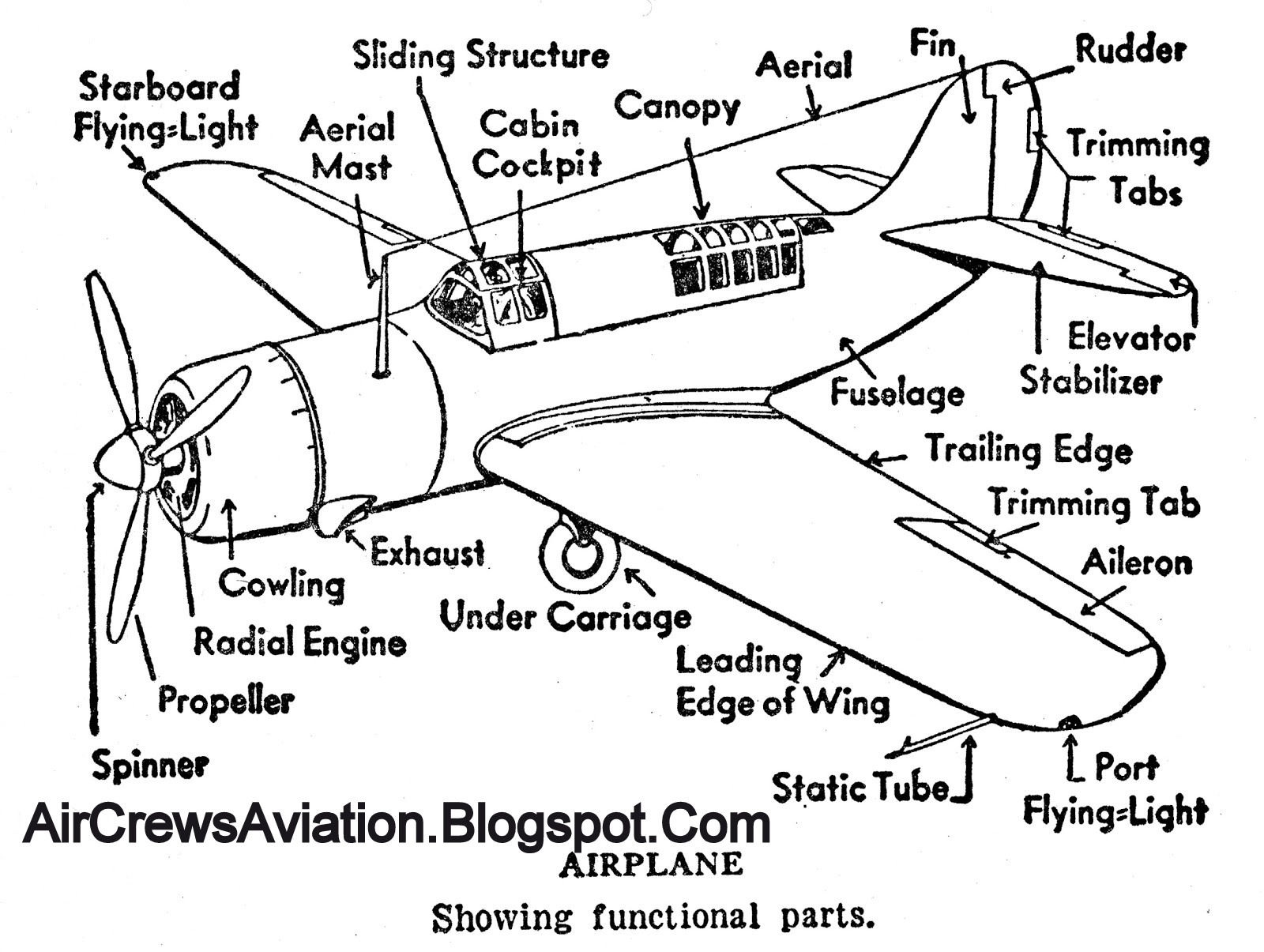
- Aviation Semantics: Learning the names of aircraft parts and ground equipment.
- Safety Zones: Understanding "no-go" areas around engines (ingestion zones) and APUs (Auxiliary Power Units).
- Signal Mastery: Perfecting the execution of all ICAO standard signals until they become muscle memory.
- Ramp Driving: Learning to operate follow-me cars and other ground support equipment (GSE).
Regulatory Compliance
In the United States, the FAA provides guidelines under Advisory Circular 00-34A, which outlines the standards for aircraft ground signals. Marshalers must undergo recurrent training every 12 to 24 months to ensure their skills remain sharp and they are updated on any changes to international signaling standards.
Operational Challenges in 2026
The life of an airplane guider is physically demanding. They are exposed to the elements, from blistering summer heat radiating off the asphalt to freezing winter winds. In 2026, climate volatility has made ramp operations even more challenging, with increased frequencies of "ground stops" due to lightning or extreme wind.
The "Silent" Communication Barrier
Despite the headsets, the sheer volume of a jet engine—often exceeding 140 decibels—means that verbal communication is frequently impossible. The marshaler must rely entirely on their visual cues. If a pilot loses sight of the marshaler for even a second, they are required to stop the aircraft immediately. This "line of sight" principle is the golden rule of ground guidance.
Foreign Object Debris (FOD) Awareness
An airplane guider is also a constant monitor for FOD. A stray bolt, a piece of plastic, or a luggage strap left on the tarmac can be sucked into a jet engine, causing millions of dollars in damage or a catastrophic engine failure. Before an aircraft enters a gate, the marshaler performs a "FOD walk" to ensure the path is pristine.
Career Outlook and Compensation
As we move through 2026, the demand for skilled ground operations staff remains high. While automation is increasing, the complexity of aircraft and the crowding of modern airports require more "boots on the ground" to manage non-standard situations.
- Entry-Level Salaries: Typically range from $35,000 to $45,000 annually, depending on the airport's size and the cost of living in the region.
- Senior Roles: Experienced marshalers can move into Lead Ramp Agent or Ramp Coordinator positions, earning significantly more and taking on responsibility for the entire ground crew team.
- Specialization: Some marshalers transition into "Follow-Me" vehicle operators, who lead aircraft across complex taxiway intersections at large hubs like O'Hare or Heathrow.
Frequently Asked Questions
What happens if the pilot ignores the marshaler's signal?
In aviation, the pilot in command (PIC) has the final authority for the safety of the aircraft. However, if a pilot ignores a "Stop" signal from a marshaler and an incident occurs, the liability almost always rests with the pilot. The relationship is built on absolute trust; if the marshaler signals a stop, the pilot must assume there is a danger they cannot see.
Can airplane guiders work at night?
Yes, airplane guiders work 24/7. At night, they use illuminated LED wands that are visible from several hundred yards away. The signals remain identical to those used during the day, though movements may be slightly more pronounced to ensure clarity against the dark background.
Is marshaling used for helicopters?
Yes, but the signals are slightly different. Helicopter marshaling includes signals for hovering, landing, and specifically managing the rotor pitch. Because helicopters create significant "downwash," the marshaler must stand further away and be even more mindful of loose debris on the ground.
How do marshalers communicate with the tug driver during pushback?
During a pushback (moving the aircraft away from the gate), a marshaler often walks near the wingtip to ensure clearance while a "tug" driver pushes the plane. Communication is usually handled via a wired or wireless headset connected to the aircraft’s intercom, allowing the ground crew to speak directly to the pilots.
Do smaller private airports use airplane guiders?
Many smaller General Aviation (GA) airports do not have dedicated marshalers. In these cases, pilots follow painted lines or use their own judgment. However, for "transient" aircraft (visitors), a Fixed Base Operator (FBO) will usually send a staff member out to "marshal" the plane to its parking spot as a courtesy and safety measure.
Recommended Next Steps for Aspiring Professionals
If you are interested in becoming an airplane guider, the most effective path is to seek entry-level "Ramp Agent" positions with major airlines or ground handling agencies. Most companies provide the necessary "Aircraft Marshaling and Ramp Safety" certification as part of their on-boarding process. Additionally, reviewing the Official ICAO Signal Handbook will give you a head start on the technical language used across the industry. For those already in the field, staying updated on 2026 safety protocols and New Generation Aircraft (NGA) dimensions is essential for maintaining professional standards.