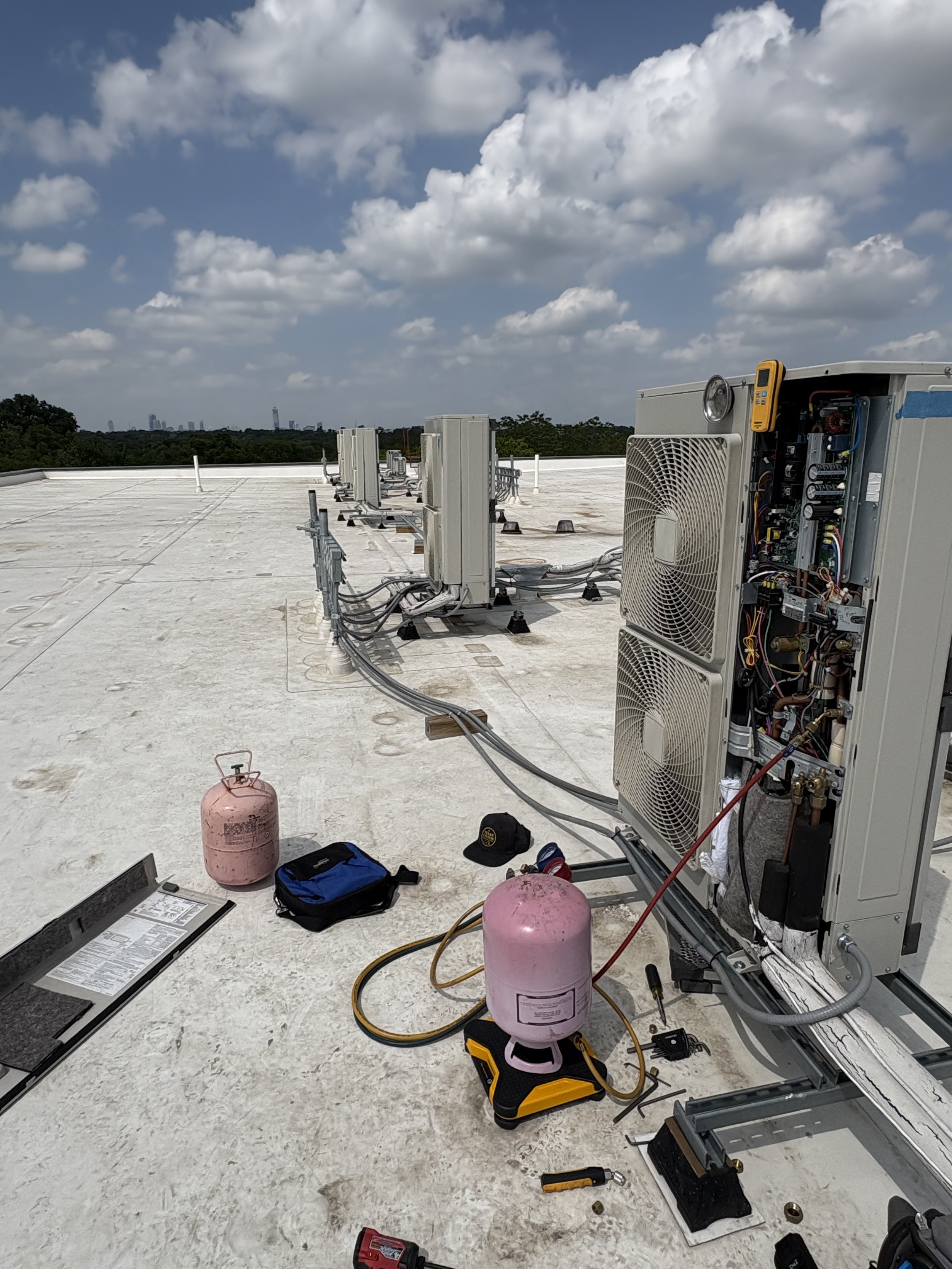
Air conditioning assistance encompasses a variety of federal, state, and local programs designed to help low-income households, seniors, and individuals with medical conditions afford cooling costs. These programs provide direct financial aid for utility bills, free or discounted cooling equipment, and emergency repairs to ensure safety during periods of extreme heat.
In 2026, as global temperatures continue to fluctuate and energy costs remain a significant portion of household budgets, the need for air conditioning (AC) assistance has moved from a luxury to a critical health necessity. This guide provides a comprehensive overview of the available resources, how to qualify for them, and the technical considerations involved in selecting energy-efficient cooling solutions.
The Landscape of Air Conditioning Assistance
Assistance for cooling is generally categorized into three main streams: direct financial aid for energy bills, weatherization and equipment replacement, and emergency medical intervention. Understanding these distinctions is vital for applicants to target the right agency and maximize their benefits.
The Low Income Home Energy Assistance Program (LIHEAP)
LIHEAP remains the cornerstone of federal energy assistance in 2026. While many associate LIHEAP primarily with winter heating, the "Cooling Assistance" component is equally robust. Funded by the U.S. Department of Health and Human Services (HHS), LIHEAP grants are distributed to states, which then manage their own application processes and eligibility criteria.
LIHEAP cooling assistance typically covers:
- Direct Bill Payment: A one-time or recurring credit applied directly to the recipient's electric bill to offset the cost of running an air conditioner.
- Equipment Purchase: Funding for the purchase and installation of window units or portable air conditioners for households that do not have functional cooling systems.
- Crisis Intervention: Emergency funds for households facing a utility shut-off or those in immediate danger due to a broken HVAC system during a heatwave.
The Weatherization Assistance Program (WAP)
The Weatherization Assistance Program, managed by the Department of Energy (DOE), focuses on the long-term reduction of energy costs. Rather than simply paying a bill, WAP improves the energy efficiency of the home itself. This "whole-house" approach often includes the repair or replacement of inefficient air conditioning units with modern, high-efficiency models, such as heat pumps.
In 2026, WAP programs prioritize technologies that reduce the "cooling load" of a building. This includes adding insulation, sealing air leaks, and installing solar screens, all of which reduce the work an air conditioner must perform, thereby lowering monthly costs permanently.
Eligibility Requirements for 2026 Programs
Eligibility for air conditioning assistance is multifaceted, involving income thresholds, household demographics, and sometimes medical documentation.
Financial Thresholds
Most federal assistance programs use the Federal Poverty Level (FPL) or State Median Income (SMI) as a baseline. In 2026, households generally qualify if their income is at or below 150% of the FPL or 60% of the SMI. It is important to note that these figures are updated annually to reflect inflation and cost-of-living adjustments.
Categorical Eligibility
Applicants may be "categorically eligible," meaning they automatically qualify if they are already enrolled in other assistance programs. These typically include:
- Supplemental Nutrition Assistance Program (SNAP)
- Supplemental Security Income (SSI)
- Temporary Assistance for Needy Families (TANF)
- Veterans Pension or Survivors Benefits
Priority Groups
Because funding for these programs is finite, agencies often use a point system to prioritize applications. High-priority groups include:
- Seniors: Individuals aged 60 or older who are more susceptible to heat-related illnesses.
- Families with Young Children: Households with children under the age of six.
- Individuals with Disabilities: Those who require temperature-controlled environments to manage chronic conditions.
Medical Necessity and "Prescription" Air Conditioning
In many jurisdictions, air conditioning is classified as a medical necessity. This designation can open additional avenues for assistance that are not available to the general public.
How to Secure Medical Assistance
If a household member has a condition such as asthma, chronic obstructive pulmonary disease (COPD), or multiple sclerosis, a healthcare provider can issue a "Medical Necessity Certification." This document confirms that the individual's health is at risk without a functional cooling system.
With this certification, households may:
- Bypass Waiting Lists: Many community action agencies move medical-priority cases to the top of the queue.
- Access Higher Grant Amounts: Some states provide larger LIHEAP payments for households with documented medical needs.
- Prevent Utility Disconnection: Most states have laws preventing electric companies from shutting off power during the summer months if a resident has a documented medical need for air conditioning.
Technical Standards: Heat Pumps and SEER2 Ratings
As of 2026, assistance programs are increasingly moving away from traditional central AC units in favor of high-efficiency heat pumps. This shift is driven by both environmental goals and the desire to provide residents with a single system that handles both heating and cooling.
Understanding SEER2
When a program provides a new unit, they will look for high SEER2 (Seasonal Energy Efficiency Ratio 2) ratings. SEER2 is the current standard for measuring the efficiency of air conditioners. A higher SEER2 rating indicates that the unit uses less electricity to produce the same amount of cooling. For assistance programs, installing a unit with a SEER2 of 16 or higher is often the minimum requirement to ensure the recipient can afford the subsequent utility bills.
The Role of Inverter Technology
Modern units provided through assistance programs frequently utilize inverter technology. Unlike traditional compressors that are either "on" or "off," inverter compressors can vary their speed. This prevents the heavy energy spikes associated with starting up a unit and allows the system to maintain a consistent temperature more efficiently, which is crucial for low-income households operating on a strict budget.
Comparison of Major Assistance Programs
| Program Name | Primary Benefit | Typical Eligibility | Best For |
|---|---|---|---|
| LIHEAP | Cash grants for bills | <150% Poverty Level | Immediate relief from high electric bills |
| WAP | Home efficiency upgrades | <200% Poverty Level | Long-term reduction of energy costs |
| HEEHRA (IRA) | Point-of-sale rebates | <80% Area Median Income | Upgrading to high-efficiency heat pumps |
| Area Agency on Aging | Free window units/fans | Seniors (60+) | Seniors needing quick cooling solutions |
| Salvation Army | Emergency financial aid | Varies by local chapter | Avoiding immediate utility shut-off |
Steps to Apply for Air Conditioning Assistance
The application process for air conditioning assistance requires preparation and documentation. Following a structured approach can significantly increase the chances of approval.
Step 1: Locate Your Local Agency
Federal funds are distributed through local Community Action Agencies (CAAs). You can find your local agency by visiting the official LIHEAP Map State and Territory Contact Listing. These non-profit organizations serve as the intake point for most energy assistance programs.
Step 2: Gather Required Documentation
Missing paperwork is the most common reason for application denial. You will generally need:
- Proof of Identity: Social Security cards for all household members.
- Proof of Income: Pay stubs, tax returns, or benefit award letters for the past 30 to 60 days.
- Utility Bills: Your most recent electric bill showing your account number and usage history.
- Lease or Deed: Proof of residency to show you are responsible for the cooling costs.
- Medical Forms: If applying based on health needs, have your doctor fill out the agency’s specific medical necessity form.
Step 3: Submit During the Correct Window
Many cooling programs have limited windows for application, often opening in late spring (April or May) and closing once funds are exhausted. It is critical to apply as early as possible. In 2026, many states have moved to online portals, but paper applications are still widely accepted at local libraries or agency offices.
Common Mistakes and How to Avoid Them
Even qualified applicants can run into roadblocks. Awareness of these common pitfalls can help streamline the process.
Underestimating Total Household Income
Programs look at "gross" income (before taxes), not "net" income. When calculating your eligibility, ensure you include all sources, such as child support, disability payments, and part-time gig work. Overestimating or underestimating by even a small amount can lead to delays or disqualification.
Failing to Disclose "Master Metered" Situations
If your utilities are included in your rent, you may still be eligible for assistance, but the process is different. In these cases, the assistance is often provided as a direct payment to the landlord or as a credit to the tenant. Be sure to specify your housing arrangement during the application.
Waiting for a Shut-Off Notice
Do not wait until your power is turned off to seek help. "Crisis" assistance is available, but it is often more difficult to process and may not cover the full cost of reconnection fees. Regular cooling assistance is designed to prevent the crisis from happening in the first place.
Local and Non-Profit Alternatives
If you do not qualify for federal programs or if funds have been depleted, several non-profit and local initiatives can provide a safety net.
- The Salvation Army: Their "HeatShare" or similar programs often provide emergency assistance for utility bills.
- St. Vincent de Paul: This organization frequently helps with small-scale repairs or the purchase of fans and window units for the elderly.
- Utility-Sponsored Programs: Many major electric companies have "share" programs where customers donate a few dollars on their bills to a fund for those in need. Check your utility provider's website for "Customer Assistance Programs" (CAP).
- 2-1-1 Referral Services: Dialing 2-1-1 from any phone will connect you with a specialist who can identify local cooling centers and smaller charities that may have available air conditioning units.
Troubleshooting Your Cooling System on a Budget
Sometimes, "assistance" isn't about financial aid but about knowledge. If your unit isn't cooling properly, check these basic items before calling a technician:
- Filter Change: A clogged filter is the #1 cause of AC failure. In 2026, high-MERV filters are standard, but they need to be changed every 30-90 days to maintain airflow.
- Clear the Condenser: Ensure there are no weeds, leaves, or debris blocking the outside unit. The system needs to "breathe" to release heat.
- Thermostat Batteries: A blank thermostat screen often just needs new AA or AAA batteries.
- Circuit Breakers: Check your electrical panel to ensure the AC breaker hasn't tripped due to a power surge.
Frequently Asked Questions
Can I get help if I am a renter?
Yes, renters are eligible for air conditioning assistance. If you pay your own electric bill, the process is identical to that of a homeowner. If your cooling is included in your rent, you may still qualify for equipment assistance (like a window unit) or a partial rebate, depending on your state’s specific LIHEAP rules.
How often can I apply for cooling assistance?
Most programs allow you to apply once per "program year." A program year typically runs from October 1st to September 30th. For cooling assistance, this usually means one benefit per summer season. However, if you experience a secondary crisis, such as a medical emergency or an unexpected loss of income, you may be eligible for additional crisis intervention funds.
What is the difference between a rebate and a grant?
A grant, like those provided by LIHEAP, is money given directly to you or your utility company that does not need to be repaid. A rebate, often found through the Inflation Reduction Act (IRA) programs in 2026, usually requires you to pay for the unit or service upfront and then receive a portion of the money back. For low-income households, grants are generally more beneficial as they do not require initial capital.
Will applying for AC assistance affect my other benefits?
No. Under federal law, LIHEAP and WAP benefits are not considered "income" for the purposes of determining eligibility for other programs like SNAP, SSI, or Medicaid. Receiving help with your cooling bills will not result in a reduction of your other monthly benefits.
What if I need my central AC repaired, not just a window unit?
The Weatherization Assistance Program (WAP) is the best route for major repairs or full system replacements. While LIHEAP can sometimes help with minor repairs, WAP is specifically designed to handle the complexities of HVAC systems and ensuring they meet modern energy-efficiency standards.
Final Recommendations for 2026
If you are struggling with the cost of cooling or do not have a functional air conditioner, your first action should be to call 2-1-1 or visit the National Energy Assistance Referral (NEAR) project. Do not delay your application; heat-related health issues can escalate quickly, and assistance funds are most available at the start of the season. By combining federal grants with local non-profit resources, most households can find a path to a safer, cooler home environment.