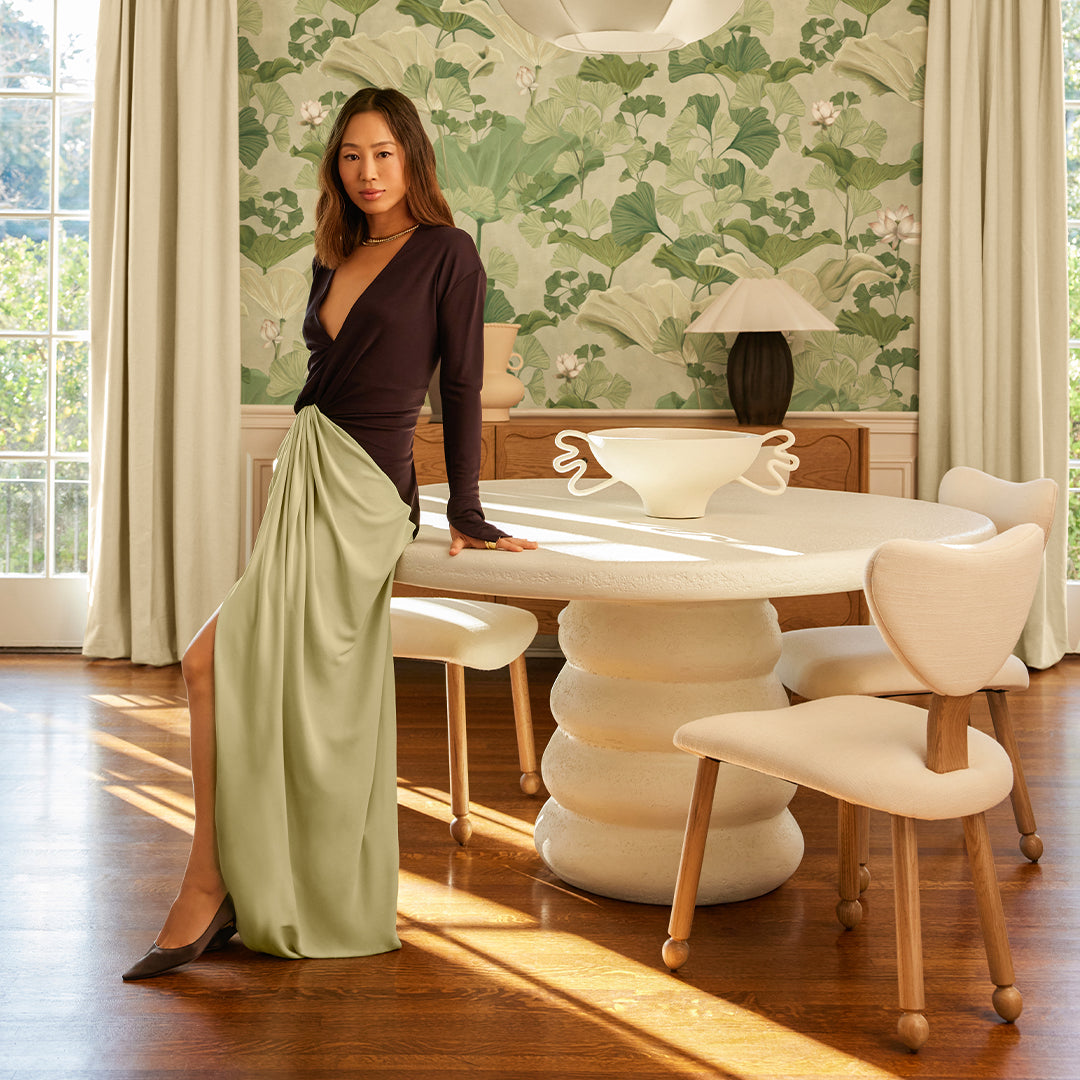
Aimee Song’s impact on the fashion industry is defined by her role as a primary architect of the influencer economy. By transitioning from a personal blogger to a global entrepreneur, she established the blueprint for digital-first branding, bridged the gap between luxury houses and social media, and significantly advanced Asian-American representation in high fashion.
The Pioneer of the Influencer Economy
In the early 2000s, the fashion hierarchy was strictly top-down, governed by legacy print magazines and elite editors. When Aimee Song launched her blog, Song of Style, in 2008, she was an interior architecture student sharing her personal aesthetic. Her impact was not merely in the outfits she wore but in the radical democratization of fashion authority she represented.
As of 2026, we recognize Song as one of the first individuals to prove that digital engagement could rival traditional editorial reach. Before the term "influencer" was a standardized job title, Song was demonstrating the commercial viability of a personal brand. She was among the first to move past the "hobbyist" phase of blogging into a professionalized era where digital creators were invited to the front rows of Paris and Milan Fashion Weeks—spaces previously reserved for a narrow group of industry insiders.
Her impact on the economy of fashion is most visible in the monetization of the "everyday" lifestyle. Song didn't just sell clothes; she sold a curated yet accessible reality. This shift forced traditional brands to pivot their marketing budgets from print advertising to digital partnerships. The metrics of success moved from circulation numbers to engagement rates and conversion clicks, a transition that Song navigated more successfully than almost any of her peers.
Breaking Barriers in Luxury Fashion and Representation
One of the most significant aspects of Aimee Song’s fashion impact is her role in diversifying a historically Eurocentric industry. As an Asian-American woman, her rise to the top of the fashion world provided visibility that had been largely missing from mainstream luxury marketing.
Song’s influence was cemented when she became one of the first digital creators to sign a major contract with a luxury beauty brand, Laura Mercier, in 2016. This deal, reportedly valued at over $500,000 at the time, was a watershed moment. It signaled to the industry that influencers were not just "online personalities" but high-value brand ambassadors capable of carrying a global campaign.
Her impact extended beyond her own career; she paved the way for a new generation of diverse creators. By consistently appearing in high-profile campaigns and on the covers of international magazines, she challenged the industry’s aesthetic norms. In the 2026 landscape, the inclusion of diverse digital voices in fashion is standard practice, but this shift was catalyzed by the persistent presence and professionalism of early pioneers like Song.
The "Song of Style" Business Model and Revolve Partnership
While many influencers rely solely on affiliate links and brand deals, Aimee Song’s impact includes a sophisticated approach to product development. Her partnership with the retailer Revolve to launch the Song of Style apparel line in 2019 serves as a definitive case study in the direct-to-consumer (DTC) evolution.
Instead of a one-off capsule collection, Song created a full-scale brand that reflected her specific aesthetic—polished, feminine, and versatile. The success of this line was predicated on a feedback loop that traditional designers lacked. Song used her social media platforms to gauge interest, solicit feedback on designs, and build anticipation, resulting in collections that often sold out within hours of release.
Technical Integration of Influence and Retail
The technical impact of this model cannot be overstated. It integrated real-time data from social media directly into the production cycle. For Revolve, the "Aimee Song effect" became a benchmark for how to leverage influencer equity to build a sustainable in-house brand. By 2026, this "Influencer-as-Creative-Director" model has become the dominant strategy for digital-native retailers.
| Feature of Influence | Traditional Fashion Era (Pre-2010) | The Influencer Era (2010-2022) | The Integrated Era (2026) |
|---|---|---|---|
| Authority Source | Editors & Magazines | Bloggers & Social Media | AI-Curation & Creator-Founders |
| Marketing Reach | Broad/Passive (Print/TV) | Targeted/Active (Instagram) | Omnichannel/Niche Community |
| Brand Loyalty | Institutional (The Brand) | Personal (The Individual) | Community-Led (Shared Values) |
| Speed to Market | 6–12 Months | 3–6 Months | 4–8 Weeks (Real-time data) |
| Representation | Limited/Homogeneous | Growing/Digitally Driven | Diverse/Standardized |
Visual Storytelling and Aesthetic Standards
Aimee Song’s impact on the visual language of fashion changed how consumers interact with style. Before the saturation of "aesthetic" social media, Song helped define the "California-chic" visual style that became synonymous with the early Instagram era. Her background in interior architecture gave her a unique perspective on lines, light, and composition, which she applied to her fashion photography.
She was instrumental in shifting the industry away from stiff, studio-based photography toward "lifestyle" imagery. This approach made fashion feel attainable. Consumers weren't just looking at a dress; they were looking at a dress in a Parisian café, a California garden, or a modern office. This context-driven storytelling is now the gold standard for digital marketing.
Furthermore, her 2016 book, Capture Your Style, became a New York Times bestseller and a manual for an entire generation of aspiring creators. By codifying her methods for visual storytelling, she technically educated thousands of others on how to build their own digital brands. This "democratization of the lens" meant that anyone with a smartphone could potentially participate in the fashion industry, further eroding the gatekeeping of traditional media.
The Intersection of Fashion and Interior Design
Unlike many fashion influencers who stay strictly within the realm of apparel, Aimee Song’s impact is holistic. Her education in interior architecture remained a core part of her brand, leading to the launch of Home of Style. This helped pioneer the "lifestyle" influencer category, where a creator’s home, furniture, and daily habits are as much a part of their brand as their clothing.
In the 2026 market, the line between fashion and home design has blurred significantly. Song’s impact here was in proving that personal style is an ecosystem. Her ability to pivot between designing a blazer and designing a living room showed that the modern fashion icon is a curator of an entire world, not just a wardrobe. This multidisciplinary approach has forced brands to think more broadly about collaborations, leading to more fashion designers moving into home goods and vice versa.
Socio-Economic Impact and the Evolution of Authority
The "Aimee Song effect" also refers to her measurable impact on consumer behavior. In the mid-2010s, a single post from Song could cause a specific item to sell out globally, often referred to as "the influencer bump." This demonstrated a shift in trust. Consumers began to trust the recommendations of a "digital friend" like Song over the curated advertisements of a multi-billion-dollar corporation.
This shift had profound socio-economic implications:
- Redistribution of Wealth: Marketing dollars moved from large media conglomerates to individual creators and small production teams.
- Growth of Niche Brands: Song’s ability to highlight small, independent designers gave them a global platform they could never have accessed through traditional PR.
- Data-Driven Design: The immediate feedback Song received from her millions of followers allowed brands to understand consumer preferences with unprecedented accuracy.
By 2026, the industry has fully professionalized this relationship. The data generated by Song's engagement is used to forecast trends, manage inventory levels, and reduce waste by producing items that have already been "pre-vetted" by a digital audience.
Challenges and the Future of Influence
Despite her success, Aimee Song’s impact includes navigating the complexities of transparency and sustainability. As the influencer industry grew, so did the scrutiny regarding paid promotions and the environmental impact of "fast fashion" consumption. Song was part of the first generation of creators to deal with Federal Trade Commission (FTC) guidelines regarding disclosure, setting standards for how digital creators must communicate their financial relationships with brands.
As we look at her career from the vantage point of 2026, her impact is also seen in her pivot toward more mindful consumption. As the "hauls" of the 2010s gave way to the "investment pieces" and "circular fashion" of the 2020s, Song’s brand evolved. She began emphasizing quality over quantity and the longevity of style, reflecting the broader industry shift toward sustainability.
Frequently Asked Questions
How did Aimee Song first become famous in the fashion world?
Aimee Song first gained prominence through her blog, Song of Style, which she started in 2008 while studying interior architecture. Her relatable yet highly polished sense of style resonated with an audience looking for fashion inspiration outside of traditional magazines. Her early adoption of Instagram further propelled her to global stardom, making her one of the first "social media celebrities."
What is the most significant brand deal Aimee Song ever signed?
While she has had many, her 2016 partnership with Laura Mercier is often cited as her most significant. At the time, it was one of the largest and most high-profile deals ever given to a digital creator. It proved that influencers could serve as the face of a major global brand, a role previously reserved for Hollywood actors and supermodels.
How does the "Song of Style" brand differ from other influencer lines?
The Song of Style line, launched in partnership with Revolve, is unique because of its longevity and integration into the retailer's core business model. Unlike many influencers who do one-time collaborations, Song built a standalone brand with consistent seasonal releases, leveraging Revolve’s logistics and her own creative direction to ensure the line’s commercial success and design consistency.
What is Aimee Song's background in design?
Aimee Song has a formal education in interior architecture, which has heavily influenced her fashion impact. This background provided her with a technical understanding of space, proportion, and aesthetics, which she applied to both her photography and her later ventures into home design and furniture curation.
Why is her impact on Asian-American representation important?
When Aimee Song started her career, the high-fashion industry lacked significant Asian-American representation in both digital and traditional media. By becoming a global face for luxury brands and a constant presence at major fashion events, she broke through many of the industry's glass ceilings, making it easier for subsequent Asian-American creators to be recognized and valued by major fashion houses.
What is her current status in the fashion industry as of 2026?
By 2026, Aimee Song is viewed as a "legacy influencer" and an established entrepreneur. While she continues to influence fashion through her personal platforms, her primary impact is now seen in her business ventures, her mentorship of new creators, and her role as a creative director. She remains a key figure in the evolution of how fashion is marketed and consumed globally.
Summary of Next Actions for Aspiring Creators
Aimee Song's career offers a clear roadmap for those looking to make a similar impact in the fashion space. The following actions are recommended for modern digital entrepreneurs:
- Focus on Multidisciplinary Skills: Like Song’s use of her interior design background, creators should leverage unique technical skills (photography, coding, architecture) to differentiate their personal brand.
- Prioritize Long-term Partnerships: Move away from one-off sponsored posts toward multi-year brand ambassadorships that offer more stability and brand alignment.
- Build a Tangible Business: Use digital influence as a launchpad for physical products or services. Song’s transition to a successful apparel line demonstrates the importance of owning the "product" rather than just the "promotion."
- Advocate for Community Values: Representation and authenticity are no longer optional. Impactful creators use their platform to drive industry change, whether through diversity initiatives or sustainability practices.