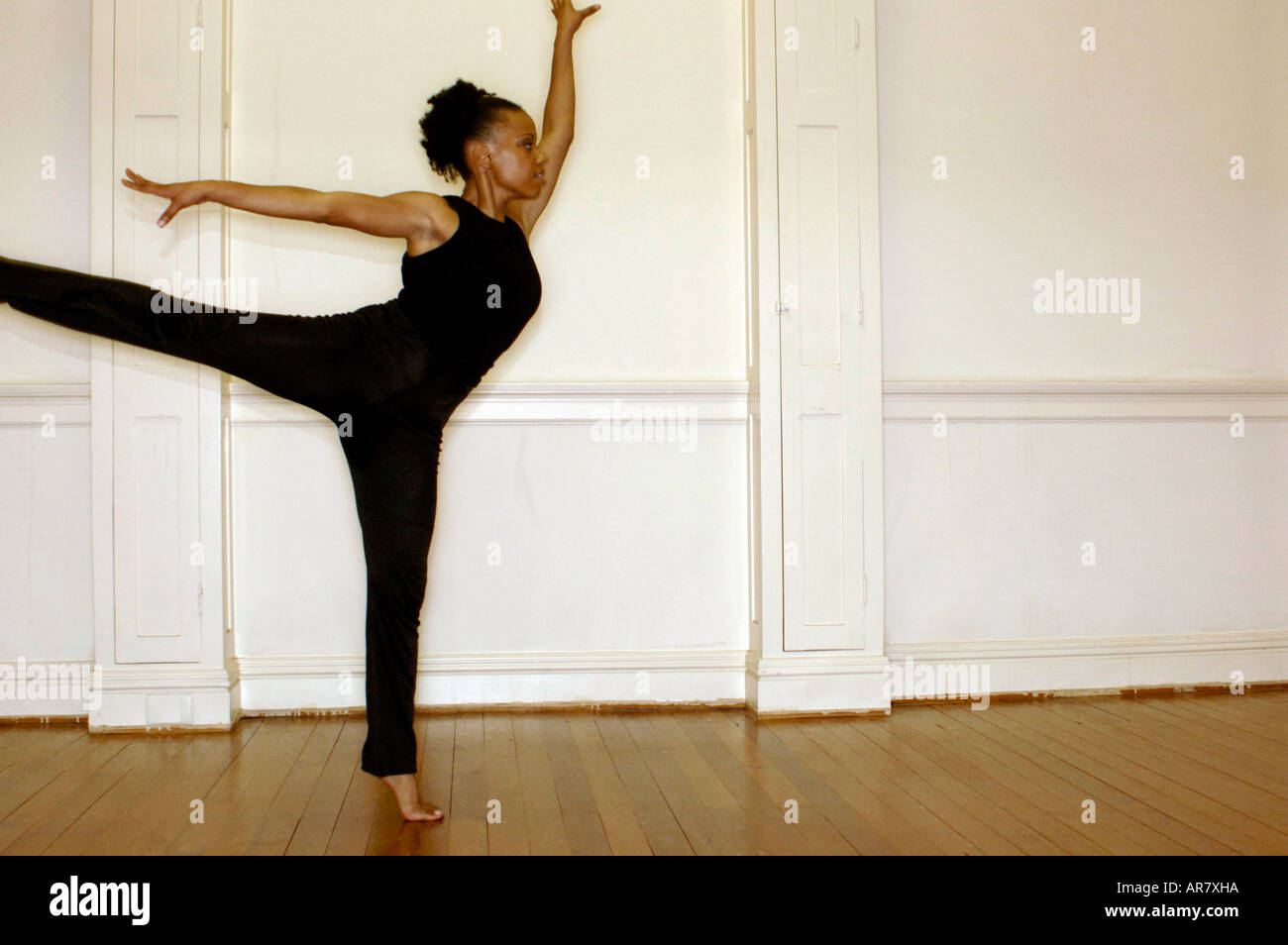
African American ballet dancers have moved from historical exclusion to holding principal positions in the world’s most prestigious companies. Success in 2026 requires a blend of rigorous classical training, navigation of specialized diversity initiatives, and the use of inclusive apparel that maintains the traditional aesthetic line while honoring diverse skin tones.
The Historical Journey of Black Dancers in Classical Ballet
The history of the African American ballet dancer is a narrative of resilience against systemic exclusion. For much of the 20th century, the prevailing belief in the dance world was that the "classical line" of ballet was incompatible with the physique of Black dancers. This misconception was a gatekeeping mechanism that prevented many talented individuals from entering major academies.
Janet Collins broke one of the most significant barriers in 1951 when she became the first African American prima ballerina at the Metropolitan Opera. Her success was a solitary beacon in an era where many Black dancers were told they could only perform in modern or "ethnic" dance styles. Following her, Raven Wilkinson performed with the Ballet Russe de Monte Carlo in the 1950s, though she often had to wear white makeup to disguise her race while touring in the segregated American South.
A turning point occurred in 1969 when Arthur Mitchell, a principal dancer with the New York City Ballet under George Balanchine, founded the Dance Theatre of Harlem (DTH). Mitchell’s mission was to prove that Black dancers could excel in classical ballet. DTH did more than just provide a stage; it created a technical curriculum that challenged the aesthetic status quo, eventually leading to the widespread adoption of flesh-toned tights and shoes to preserve the continuous "line" of the leg.
Overcoming Structural and Aesthetic Barriers
Aspiring African American ballet dancers face unique challenges that extend beyond the physical demands of the art form. These barriers are often rooted in traditional European standards of beauty and the high cost of elite training.
The "Pink" Standard and the Line of the Leg
In classical ballet, the visual "line" is paramount. Historically, this line was achieved using pink tights and pink pointe shoes, which were intended to mimic the skin tone of white European dancers. For a Black dancer, wearing pink gear breaks the visual continuity of the leg. For decades, dancers of color had to "pancake" their shoes—manually applying foundation or spray paint to their satin shoes to match their skin. In 2026, the industry has shifted, with major manufacturers now producing shoes in a wide spectrum of shades, though the cost and availability of these items can still vary.
Socioeconomic Access to Training
High-level ballet training is an expensive endeavor. Pre-professional programs, summer intensives, and private coaching can cost thousands of dollars annually. Because of historical wealth gaps, African American families have sometimes faced greater hurdles in accessing these "pipeline" programs. Organizations like The International Association of Blacks in Dance (IABD) and Brown Girls Do Ballet have become essential in providing scholarships and mentorship to bridge this gap.
The Misty Copeland Effect and the Shift in Representation
The 2015 promotion of Misty Copeland to Principal Dancer at the American Ballet Theatre (ABT) was a watershed moment for the industry. Her visibility changed the public perception of what a "ballerina" looks like and led to a surge in interest among young Black students.
This "Copeland Effect" prompted major companies to re-evaluate their recruitment strategies. Many institutions launched diversity initiatives, such as ABT’s Project Plié, which aims to increase racial and ethnic representation in ballet through partnerships with Boys & Girls Clubs of America and teachers across the country. By 2026, these programs have matured, moving from mere "outreach" to integrated systems that track and support students from their first class through their professional debut.
Technical Requirements and Training Pathways
To succeed as an African American ballet dancer in the current landscape, mastery of classical technique is non-negotiable. Whether studying the Vaganova method, Cecchetti, or the Balanchine style, the requirements for turnout, extension, and pointe work remain the same.
- Early Foundations: Starting training between ages 5 and 8 is standard for developing the necessary bone alignment and muscle memory.
- Summer Intensives: These 5–8 week programs are the primary way dancers get noticed by company directors. In 2026, many intensives now offer specific tracks for dancers of color to connect with mentors who have navigated the industry.
- Professional Divisions: After high school, most aspiring professionals enter a company’s second group (e.g., ABT Studio Company or San Francisco Ballet School Trainee Program) to bridge the gap between student and professional.
Essential Gear and Resource Comparison
The transition to inclusive apparel has been one of the most visible changes in the ballet world. Below is a comparison of how different brands and resources currently support dancers of color.
| Resource Type | Provider/Brand | Features for Dancers of Color |
|---|---|---|
| Pointe Shoes | Freed of London | Offers "large-scale" production of brown and bronze satin shades. |
| Pointe Shoes | Gaynor Minden | Multiple "skin-tone" options integrated into the ordering process. |
| Tights/Leotards | Capezio/Bloch | Wide range of "Nude" shades that match professional pointe shoe lines. |
| Scholarships | IABD | Financial aid specifically for dancers of African ancestry in classical tracks. |
| Mentorship | Brown Girls Do Ballet | Provides a database of teachers and mentors for young students. |
| Professional Advocacy | The Equity Project | A partnership of major companies focused on increasing Black representation. |
Contemporary Organizations Leading the Way
In 2026, several organizations continue to be the primary drivers of success for African American ballet dancers. These entities provide the necessary infrastructure for training, performance, and advocacy.
- Dance Theatre of Harlem: Continues to be a premier home for Black classical dancers, touring internationally and maintaining a world-class school in New York City.
- Collage Dance Collective: Based in Memphis, this company has become one of the largest "Black-led" professional ballet companies in the United States, focusing on technical excellence and community engagement.
- Alvin Ailey American Dance Theater: While primarily known for modern dance, Ailey requires its dancers to have a high level of ballet proficiency, and many Black ballet dancers find a home in their "Ailey II" and main companies.
- Charlotte Ballet: Known for its diverse roster and commitment to equitable casting in traditional story ballets like The Nutcracker and Swan Lake.
The Role of Modern Advocacy and Technology
Social media and digital platforms have revolutionized how African American ballet dancers build their careers. Platforms like Instagram and TikTok allow dancers to showcase their technique directly to the public, bypassing traditional gatekeepers. This has created a secondary path to success: the "influencer-dancer." While this does not replace the need for a company contract, it provides supplemental income and brand partnerships with fitness and dancewear companies.
Furthermore, digital archives and documentaries (such as A Ballerina's Tale) have ensured that the history of Black dancers is no longer erased. Students in 2026 can easily access the performances of pioneers like Desmond Richardson, the first Black principal dancer at ABT, or Lauren Anderson, who became a principal at Houston Ballet in 1990.
Common Obstacles and Troubleshooting for Students
Even with modern progress, students may encounter "microaggressions" or technical hurdles. Addressing these proactively is key to longevity in the field.
- Casting Bias: Some artistic directors may still lean toward a "homogenous" look for the corps de ballet. Students should look for companies with a proven track record of diverse casting.
- Hair Requirements: Traditional ballet buns can be difficult for certain hair textures. In 2026, more schools are allowing braided buns or natural styles that are secured properly for pirouettes.
- Injury Prevention: Due to the physical strain of "forcing" turnout to meet certain aesthetic standards, Black dancers (who may have different hip structures) must work closely with physical therapists who understand dance-specific biomechanics.
Frequently Asked Questions
What is the best age for an African American child to start ballet?
Most professional-track academies recommend starting formal ballet training between the ages of 5 and 8. Before this age, "pre-ballet" or creative movement classes are useful for developing rhythm and coordination without putting undue stress on developing joints.
Are there specific scholarships for Black ballet dancers?
Yes, several organizations provide targeted funding. The International Association of Blacks in Dance (IABD) offers annual scholarship auditions. Additionally, many major schools, such as the School of American Ballet (SAB), have dedicated diversity funds to cover tuition and room and board for talented students from underrepresented backgrounds.
Why do some Black ballet dancers wear brown tights instead of pink?
Wearing brown tights that match the dancer's skin tone preserves the "line" of the leg. In classical ballet, the goal is to make the leg appear as long as possible. When a dancer with dark skin wears pink tights, the contrast creates a visual break at the waist and ankles. Brown tights, paired with matching brown pointe shoes, create a seamless look.
Is the "ballet body" still a requirement in 2026?
The definition of a "ballet body" has expanded. While the requirements for strength, flexibility, and lean muscle mass remain high for technical reasons, there is a much greater acceptance of different heights and muscular builds than there was 20 years ago. The focus has shifted from "thinness" to "functional strength" and "athleticism."
Can I have a career in ballet if I didn't start until I was a teenager?
While difficult, it is possible, particularly for male-identifying dancers who often start later. For female-identifying dancers, starting after age 12 makes reaching the "principal" level harder due to the time required to safely develop the strength for pointe work. However, many find successful careers in contemporary ballet or modern dance companies.
How do I find a ballet school that is inclusive?
Look for schools that have a diverse faculty and a clear mission statement regarding diversity, equity, and inclusion (DEI). Check their social media or annual reports to see the composition of their student body and whether they have successfully placed students of color in professional companies.
Strategic Recommendation for Aspiring Dancers
For those pursuing a career as an African American ballet dancer in 2026, the most effective path is a "dual-track" strategy. First, secure high-quality classical training at a reputable academy that emphasizes technique and health. Second, actively engage with community-specific resources like Brown Girls Do Ballet or the IABD to build a network of mentors. This network is vital for navigating casting nuances, finding inclusive gear, and maintaining mental resilience in an art form that is still evolving toward true equity.