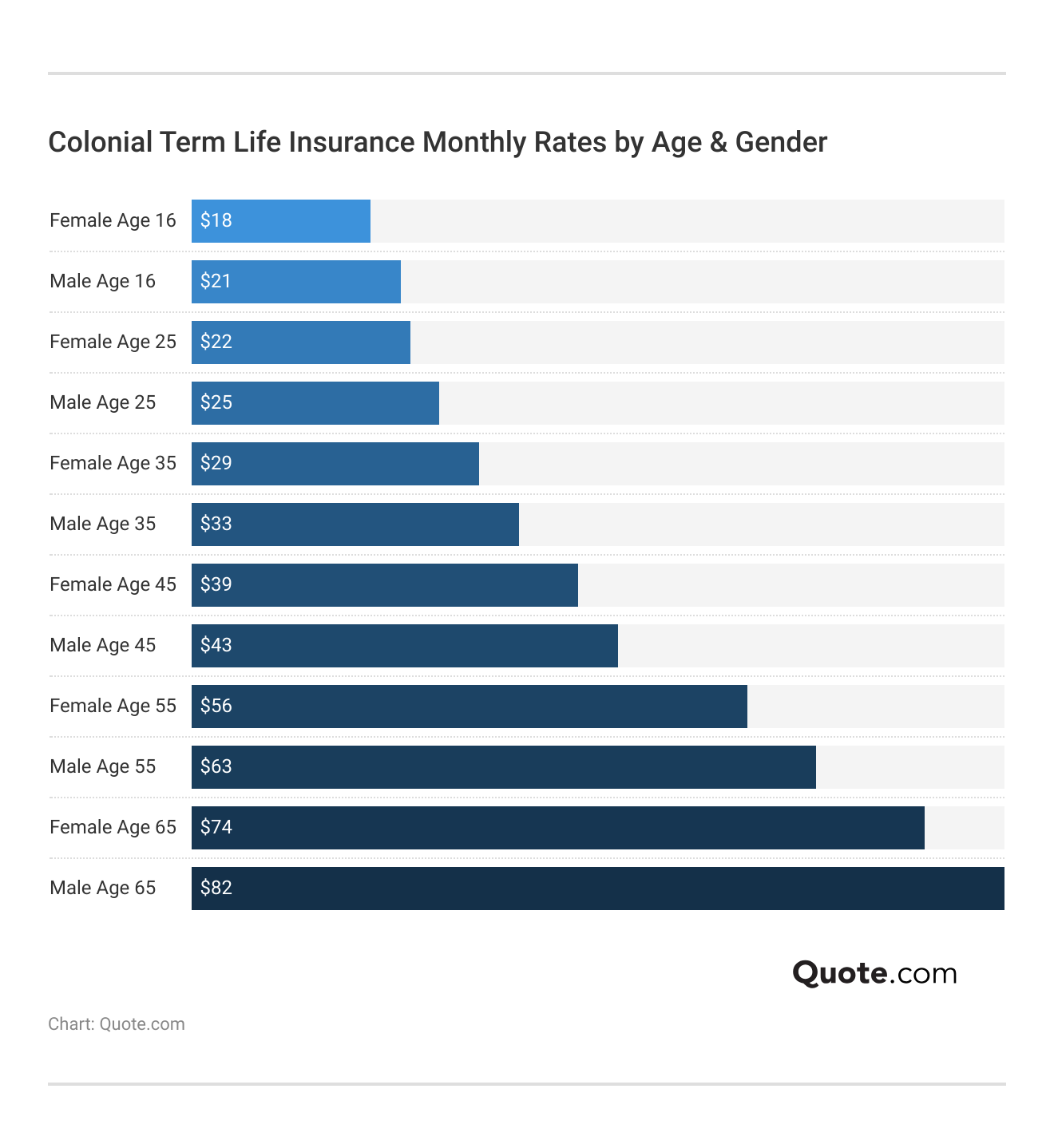
Securing affordable term life insurance at age sixty-eight requires a strategic approach focused on balancing necessary coverage amounts against underwriting requirements and current health status. While premiums are higher than for younger applicants, insurers evaluate specific risk factors such as medical history, lifestyle habits, and financial needs to determine eligibility, making careful comparison of carrier-specific underwriting guidelines the most effective way to manage costs.
Understanding the Landscape of Life Insurance at 68
When you reach age sixty-eight, life insurance moves away from being a "wealth accumulation" tool and transitions into a strategic instrument for estate preservation, debt management, or final expense coverage. Many applicants find that the standard twenty-year or thirty-year term policies common in younger years are either unavailable or prohibitively expensive. Instead, the market for this age bracket typically offers shorter-term durations—often five, ten, or fifteen years—designed to align with specific financial milestones.
In 2026, the insurance industry maintains strict age limits for new term life applications. Most major carriers cap the issue age for term policies between age seventy-five and eighty. Therefore, applying at sixty-eight places you in a critical window where you still have access to a variety of products, but the window for securing favorable rates is narrowing. Understanding that your "health class"—the rating assigned based on your medical profile—is the primary driver of cost, is the first step toward finding an affordable option.
Why "Affordable" is Relative at This Age
Affordability in the senior market is rarely about finding the absolute lowest premium; it is about finding the best value for the protection provided. At age sixty-eight, the cost of insurance is heavily influenced by the mortality risk statistics used by actuaries. You will notice that premiums appear significantly higher than they were a decade or two ago. This is not necessarily due to a lack of competitive pricing among insurers, but rather the reality of the increased statistical probability of a claim occurring within the policy term.
To make these policies affordable, you must focus on the "coverage-to-cost ratio." Rather than seeking a massive death benefit that results in a monthly premium exceeding your budget, focus on the specific financial obligations you wish to cover. For example, if your goal is to cover an existing mortgage balance or provide a specific sum for estate taxes, calculate exactly what is needed. Over-insuring at sixty-eight is the fastest way to make a policy unaffordable.
Key Factors Influencing Your Premium
Insurance carriers utilize a process called underwriting to determine your risk profile. While all companies consider age and gender, they differ significantly in how they weight other health indicators.
Medical History and Underwriting
In 2026, most term life insurance applications require at least a paramedical exam, which includes blood and urine testing. Carriers look for markers related to common issues for those approaching seventy: blood pressure, cholesterol levels, A1C (blood sugar) levels, and signs of heart or respiratory conditions. If you have managed medical conditions, look for companies that specialize in "impaired risk" underwriting. These insurers are often more forgiving of specific chronic conditions that other companies might penalize heavily.
Lifestyle and Occupational Risks
While your career may be winding down, hobbies and lifestyle habits remain under the microscope. Nicotine use is the single most significant factor in premium inflation. Smokers or those using nicotine-delivery systems often face premiums two to three times higher than non-smokers. At age sixty-eight, the "non-smoker" rate is one of the most effective levers you have to lower costs. Furthermore, insurers assess mobility, driving records, and involvement in high-risk activities, though these are typically less impactful than medical history at this age.
The Role of Policy Duration
Choosing a five-year term compared to a fifteen-year term will drastically alter your premium. If your sole goal is to bridge the gap until your youngest grandchild finishes college or until a specific debt is retired, choosing a shorter term is the most reliable way to reduce monthly payments.
Comparison of Term Life Options for Seniors
The following table summarizes how different term lengths and policy types typically interact with the needs of a sixty-eight-year-old applicant.
| Option Type | Typical Duration | Best Use Case | Cost Sensitivity |
|---|---|---|---|
| Short-Term Level Term | 5–10 Years | Covering short-term debts or immediate final expenses. | Lowest initial premium. |
| Mid-Term Level Term | 15–20 Years | Income replacement or multi-year estate planning. | Moderate; premium stays flat. |
| Return of Premium | 15–20 Years | Those who want to recoup premiums if they outlive the term. | High; usually significantly more expensive. |
| Simplified Issue | Varies | Applicants with health concerns who want to avoid medical exams. | High; premiums reflect limited underwriting. |
Steps to Secure the Best Rates
- Gather Comprehensive Medical Data: Before applying, know your numbers. Have your recent blood work results, medication list, and the contact information for your primary care physician ready. Inconsistencies between your application and your medical records can lead to an automatic decline or a higher premium rating.
- Use an Independent Broker: Do not limit yourself to a single insurance carrier. Use an independent broker who can shop your medical profile across multiple companies. Different carriers have "appetites" for different medical conditions. A company that penalizes for a specific heart condition might offer a standard rate for the same condition elsewhere.
- Prepare for the Exam: If an exam is required, schedule it for the morning. Hydrate well the day before, avoid alcohol, and fast for the recommended window. Small changes in blood pressure or hydration can lead to a "substandard" rating that increases your cost.
- Consider Laddering: If you need a larger amount of coverage for a shorter period and a smaller amount for a longer period, "laddering" two policies can be more cost-effective than taking out one giant policy.
Common Pitfalls to Avoid
- Non-Disclosure: Never omit medical history on an application. If an insurer discovers a pre-existing condition during the claim process that was not disclosed, they reserve the right to deny the benefit. This renders the policy worthless to your beneficiaries.
- Waiting for the "Perfect Time": There is no better time to buy life insurance than today. At age sixty-eight, your health profile is unlikely to improve in the coming years. Procrastination often results in higher premiums or becoming uninsurable due to a new diagnosis.
- Ignoring Conversion Options: Check if your term policy includes a conversion rider. This allows you to convert your term policy into a permanent (whole or universal) life insurance policy later, often without undergoing another medical exam. This can be a vital hedge against future health declines.
Frequently Asked Questions
Is it possible to get term life insurance at 68 with pre-existing conditions?
Yes, it is possible, though your options depend on the severity of the condition. Many carriers specialize in "high-risk" cases and will issue policies to those with controlled diabetes, high blood pressure, or a history of cancer, provided you have been stable for a set period. An independent broker is essential for finding these niche carriers.
Do I really need a medical exam at my age?
Most traditional "fully underwritten" term policies will require an exam at age sixty-eight to ensure you qualify for the best rates. While "no-exam" or "simplified issue" policies exist, they usually come with higher premiums and lower death benefit caps. If you are in good health, a medical exam is almost always the better path to an affordable rate.
What happens if my term policy expires and I am still living?
If you outlive your term policy, the coverage ends. You will no longer pay premiums, but you will also no longer have a death benefit. This is why it is critical to select a term length that matches your specific need—the idea is that by the time the term expires, your need for the coverage (such as a mortgage or income replacement) will have also expired.
Can I change my beneficiary later?
Yes, in almost all standard term life insurance policies, you retain the right to change your beneficiary at any time. You should review your beneficiary designations every few years or after major life events, such as a death in the family, marriage, or divorce, to ensure your policy still aligns with your estate planning goals.
Are premiums for term life insurance tax-deductible?
For most individual policyholders, life insurance premiums are not tax-deductible. The death benefit, however, is generally received by your beneficiaries income-tax-free. If you are buying insurance for a business purpose, there may be specific tax implications, and you should consult a qualified tax professional.
Recommended Next Action
The most productive step you can take today is to compile your medical file and contact an independent, licensed life insurance broker who specializes in senior markets. Ask them to perform a "pre-screen" based on your medical history before submitting a formal application. This prevents "declines" on your record, which can make it harder to get coverage from other carriers. By comparing offers from at least three different companies, you ensure that you are securing the most competitive rate available for your specific health profile in 2026.