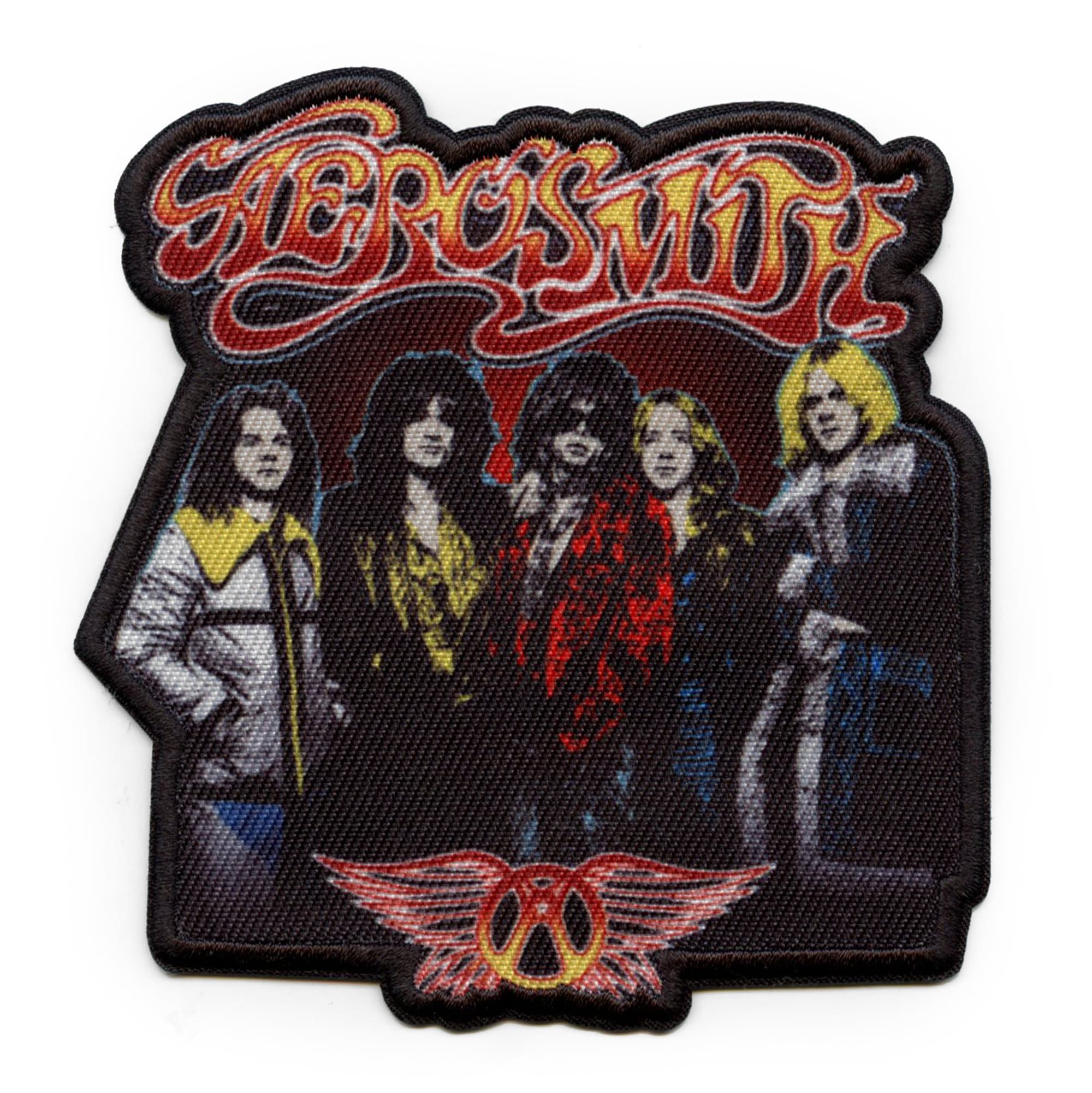
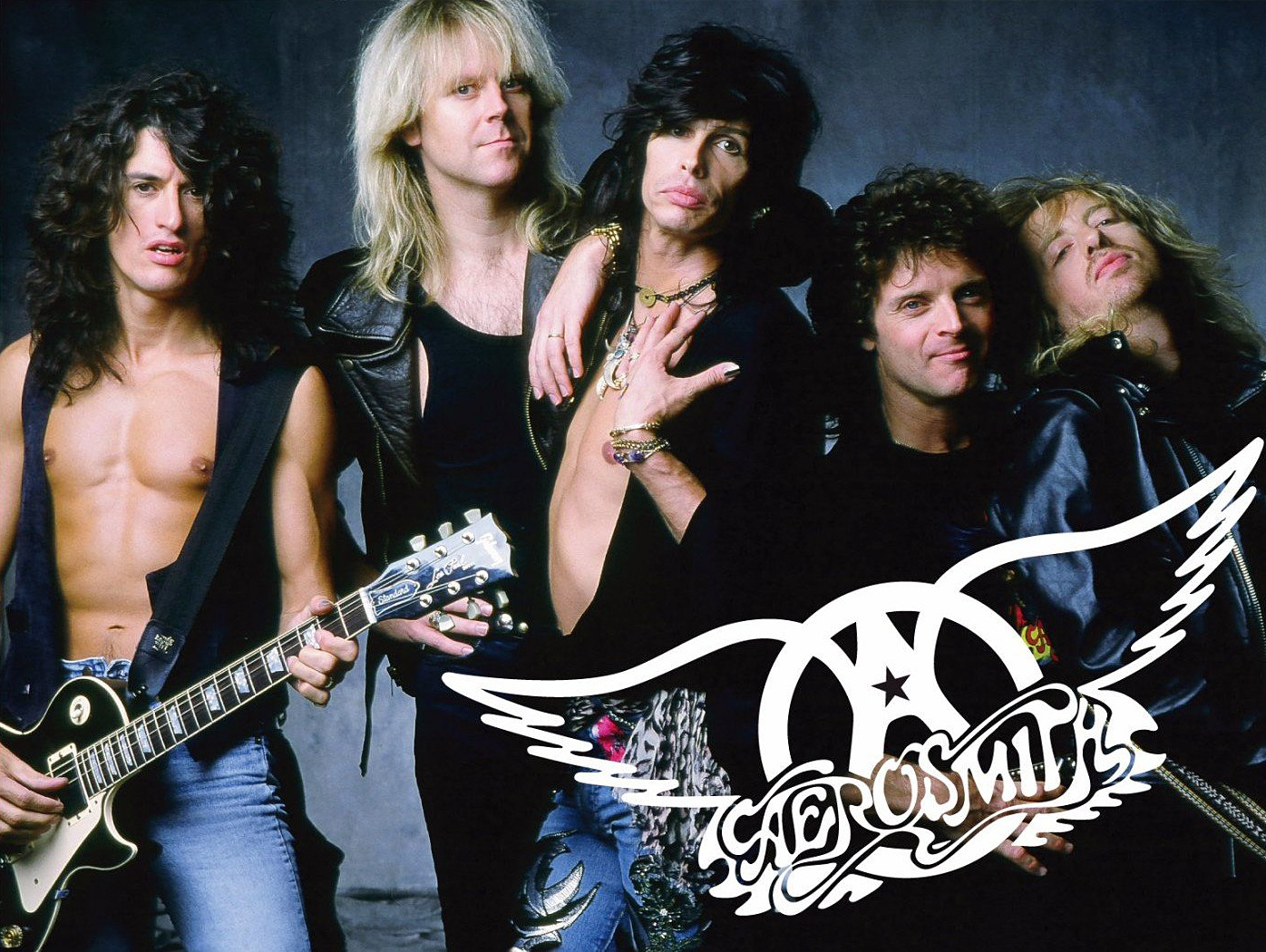
Aerosmith is a seminal American rock band formed in Boston, Massachusetts, in 1970. Renowned for their infectious blend of blues-based hard rock, swaggering arena hooks, and vocal acrobatics, the group—led by frontman Steven Tyler and lead guitarist Joe Perry—is the best-selling American hard rock band of all time, having sold over 150 million records worldwide.
The Formation and Early Boston Roots (1970–1972)
The origins of Aerosmith trace back to the late 1960s in Sunapee, New Hampshire, where vocalist Steven Tyler (born Steven Victor Tallarico) frequently spent his summers. Tyler, a drummer and singer who had performed with local garage bands such as Chain Reaction, crossed paths with guitarist Joe Perry and bassist Tom Hamilton. Perry and Hamilton were playing in a blues-influenced trio called the Jam Band alongside drummer David "Pritch" Preever.
Recognizing their shared musical affinity for British blues-rock acts like The Yardbirds, The Rolling Stones, and Led Zeppelin, Tyler, Perry, and Hamilton decided to unite their musical ambitions. In late 1970, the group relocated to Boston, Massachusetts, which offered a vibrant club circuit and access to broader audience demographics.
To complete the lineup, the group recruited drummer Joey Kramer, a Boston native who had previously played with Tyler in New York. Kramer suggested the name "Aerosmith," a word he had scribbled in his school notebooks while listening to Harry Nilsson’s album Aerial Ballet. Early rhythm guitarist Ray Tabano, a childhood friend of Tyler, brief played with the band before being replaced in 1971 by Brad Whitford, a graduate of the Berklee College of Music.
This lineup—Steven Tyler (lead vocals), Joe Perry (lead guitar), Brad Whitford (rhythm guitar), Tom Hamilton (bass), and Joey Kramer (drums)—became the definitive five-man roster that would record the band's most celebrated works over the next five decades.
| Member | Role |
|---|---|
| Steven Tyler | Lead Vocals, Harmonica, Piano |
| Joe Perry | Lead Guitar, Backing Vocals |
| Brad Whitford | Rhythm Guitar, Lead Guitar |
| Tom Hamilton | Bass Guitar |
| Joey Kramer | Drums, Percussion |
After months of relentless gigging across New England colleges, bars, and clubs, legendary music executive Clive Davis signed Aerosmith to Columbia Records in 1972 after watching them perform at Max's Kansas City in New York City.
The First Golden Era: 1970s Stardom and Hard Rock Innovation
Aerosmith released their self-titled debut album, Aerosmith, in January 1973. While initial sales were modest due to limited promotional backing from Columbia, the record featured foundational tracks including "Mama Kin" and the iconic power ballad "Dream On." Written by Tyler on a parlor piano as a teenager, "Dream On" displayed the band’s melodic sensitivity alongside their hard-rock grit, later peaking in the Top 10 on the Billboard Hot 100 upon re-release in 1976.
- Aerosmith Lineup (1970)
- 1973: "Aerosmith" Debut Album (Includes "Dream On")
- 1974: "Get Your Wings" (Producer Jack Douglas joins)
- 1975: "Toys in the Attic" (Breakthrough: "Sweet Emotion", "Walk This Way")
- 1976: "Rocks" (Critical Apex & Hard Rock Standard)
The band refined its studio output on their sophomore album, Get Your Wings (1974), initiating a long-standing creative partnership with producer Jack Douglas. Douglas helped sculpt the group’s raw energy into a tight, studio-polished sound characterized by crunchy guitar riffs, heavy grooves, and Tyler's double-entendre lyricism.
Breakthrough Hits: Toys in the Attic and Rocks
Aerosmith achieved global superstardom with their third studio album, Toys in the Attic (1975). The record established the blueprint for American arena rock by fusing heavy metal riffage with funk rhythms and blues arrangements. Two singles catapulted the record into multi-platinum status:
- "Sweet Emotion": Built upon Tom Hamilton’s hypnotic bassline and Joe Perry’s talk-box guitar work, this track gave Aerosmith their first major mainstream hit single.
- "Walk This Way": Driven by Joey Kramer’s syncopated drumbeat and Joe Perry’s staccato riff, the song highlighted Tyler’s rapid-fire vocal delivery, establishing a bridge between blues-rock and early rhythm-focused vocal structures.
The follow-up album, Rocks (1976), solidified their critical and commercial apex. Featuring aggressive tracks like "Back in the Saddle" and "Last Child," Rocks captured the band at their rawest and most powerful. The album earned double-platinum status rapidly and influenced an entire generation of future hard rock and alternative musicians, including members of Guns N' Roses, Metallica, and Nirvana.
Interpersonal Friction, Substance Abuse, and Departure (1977–1983)
As Aerosmith's tour schedules expanded and revenues skyrocketed, internal friction began to erode the band’s cohesion. Heavy substance abuse earned Tyler and Perry the media moniker "The Toxic Twins," reflecting both their intense creative synergy and their destructive lifestyles offstage.
Following the release of Draw the Line (1977) and the live record Live! Bootleg (1978), tensions boiled over during the recording of Night in the Ruts. After a heated backstage argument following a concert in Cleveland in July 1979, Joe Perry quit the band to launch The Joe Perry Project. Rhythm guitarist Brad Whitford departed shortly after in 1981 to pursue a solo project with Derek St. Holmes.
To fulfill record contracts, Tyler, Kramer, and Hamilton recruited guitarists Jimmy Crespo and Rick Dufay. This transitional lineup recorded Rock in a Hard Place (1982). Although the album produced solid tracks such as "Lightning Strikes," it failed to match the commercial numbers or cultural resonance of the band's mid-1970s output, leading to reduced venue sizes and mounting financial strain.
The Historic Comeback: Sobriety and Pop-Rock Stardom (1984–1999)
In February 1984, Perry and Whitford attended an Aerosmith concert at the Orpheum Theatre in Boston. Reconnecting backstage with Tyler, Hamilton, and Kramer, the original members agreed to put aside past grievances. By mid-1984, the classic lineup officially reunited for the lucrative Back in the Saddle Tour and signed a new recording contract with Geffen Records.
- 1979-1983: Lineup Fractures
- 1984: Classic Lineup Reunites
- Rehabilitation & Sobriety
- 1986: Run-D.M.C. Collaboration
- 1987-1993: Multi-Platinum Hits: "Permanent Vacation", "Pump", "Get a Grip"
The Run-D.M.C. Collaboration
The definitive turning point in Aerosmith’s career came in 1986. Hip-hop group Run-D.M.C. and producer Rick Rubin decided to cover "Walk This Way" for their album Raising Hell. Rubin invited Tyler and Perry to contribute vocals and lead guitars to the track.
The hybrid hip-hop/rock single became an instant international sensation, breaking down barriers between genres and introducing Aerosmith to a younger, video-oriented MTV audience. The song reached #4 on the Billboard Hot 100, effectively revitalizing Aerosmith’s career and making music history as one of the earliest successful crossovers between rap and rock.
The Geffen Era: Permanent Vacation, Pump, and Get a Grip
Following completed medical rehabilitation and a commitment to group sobriety, Aerosmith entered their second golden era, collaborating with professional songwriters like Desmond Child and Jim Vallance, alongside producer Bruce Fairbairn:
- Permanent Vacation (1987): Yielded major MTV hits like "Dude (Looks Like a Lady)," "Rag Doll," and the ballad "Angel," selling over 5 million copies in the U.S. alone.
- Pump (1989): Furthered their critical acclaim with hits such as "Love in an Elevator," "Janie's Got a Gun," and "What It Takes." "Janie's Got a Gun" earned the band their first Grammy Award for Best Rock Performance by a Duo or Group with Vocal.
- Get a Grip (1993): Became the band's first album to debut at #1 on the Billboard 200, selling over 20 million copies worldwide. Boosted by high-budget music videos starring Alicia Silverstone and Liv Tyler, tracks like "Cryin'," "Crazy," and "Amazing" dominated global radio and video channels.
In 1998, Aerosmith achieved their first and only #1 hit on the Billboard Hot 100 chart with the ballad "I Don't Want to Miss a Thing", written by Diane Warren for the soundtrack to the blockbuster movie Armageddon.
Eras of Aerosmith Discography and Milestone Releases
The following table summarizes the key studio albums across Aerosmith's multi-decade career, detailing their year of release, sales certifications, and representative tracks.
| Album Title | Release Year | Record Label | U.S. RIAA Certification | Representative Tracks |
|---|---|---|---|---|
| Aerosmith | 1973 | Columbia | 2× Platinum | "Dream On", "Mama Kin" |
| Get Your Wings | 1974 | Columbia | 3× Platinum | "Same Old Song and Dance", "Train Kept A-Rollin'" |
| Toys in the Attic | 1975 | Columbia | 9× Platinum | "Sweet Emotion", "Walk This Way" |
| Rocks | 1976 | Columbia | 4× Platinum | "Back in the Saddle", "Last Child" |
| Draw the Line | 1977 | Columbia | 2× Platinum | "Draw the Line", "Kings and Queens" |
| Night in the Ruts | 1979 | Columbia | Platinum | "Remember (Walking in the Sand)", "No Surprize" |
| Rock in a Hard Place | 1982 | Columbia | Gold | "Lightning Strikes", "Rock in a Hard Place" |
| Done with Mirrors | 1985 | Geffen | Gold | "Let the Music Do the Talking", "She's on Fire" |
| Permanent Vacation | 1987 | Geffen | 5× Platinum | "Dude (Looks Like a Lady)", "Angel", "Rag Doll" |
| Pump | 1989 | Geffen | 7× Platinum | "Love in an Elevator", "Janie's Got a Gun" |
| Get a Grip | 1993 | Geffen | 7× Platinum (7x Multi-Platinum) | "Cryin'", "Crazy", "Livin' on the Edge" |
| Nine Lives | 1997 | Columbia | 2× Platinum | "Falling in Love (Is Hard on the Knees)", "Pink" |
| Just Push Play | 2001 | Columbia | Platinum | "Jaded", "Fly Away From Here" |
| Honkin' on Bobo | 2004 | Columbia | Gold | "Baby, Please Don't Go", "Stop Messin' Around" |
| Music from Another Dimension! | 2012 | Columbia | Uncertified | "Legendary Child", "What Could Have Been Love" |
21st Century Operations, Las Vegas Residency, and Final Retirement
Entering the 21st century, Aerosmith maintained their status as one of rock’s primary live attractions. In January 2001, the group performed at the Super Bowl XXXV Halftime Show alongside pop stars N'Sync and Britney Spears. Two months later, in March 2001, Aerosmith was inducted into the Rock and Roll Hall of Fame by Earth, Wind & Fire founder Maurice White.
Despite individual health challenges, side projects—such as Steven Tyler's stint as a judge on American Idol from 2011 to 2012 and Joe Perry's work with the supergroup Hollywood Vampires—the band continued to perform high-grossing world tours.
In April 2019, the group launched a concert residency titled Deuces Are Wild at the Park Theater at Park MGM in Las Vegas. The residency featured state-of-the-art audio visual production and ran periodically through late 2022.
"Peace Out: The Farewell Tour" and Retirement (2023–2024)
In May 2023, Aerosmith announced their final concert series, titled "Peace Out: The Farewell Tour," slated to cover venues across North America. However, after only a few dates in September 2023, Steven Tyler sustained a severe vocal cord injury and fractured larynx during a concert in Elmont, New York.
- September 2023: Vocal Injury during "Peace Out" Tour
- Medical Rehabilitation & Specialist Evaluation
- August 2024: Permanent Vocal Damage Confirmed: Official Retirement Announcement
Despite undergoing months of specialized medical therapy and vocal rehabilitation under top clinical specialists, a full recovery of Tyler's vocal range proved impossible. On August 2, 2024, Aerosmith published an official statement announcing their permanent retirement from live touring. The statement acknowledged that Tyler’s vocal injury was irreversible, bringing an end to more than 50 years of live performances by the original lineup.
Musical Style, Innovations, and Artistic Influence
Aerosmith’s signature sound relies on a dual-guitar attack combined with a blues-rooted rhythm section and distinctive vocal phrasing:
- Vocal Style: Steven Tyler’s wide vocal range is noted for its bluesy rasp, pitch control, and powerful high-register screams. His approach draws inspiration from rhythm and blues artists as well as classical techniques.
- Guitar Interplay: Rather than dividing responsibilities strictly into rhythm and lead, Joe Perry and Brad Whitford developed an interlocking two-guitar style inspired by Keith Richards and Mick Taylor of The Rolling Stones. Perry provides raw, riff-driven hooks and slide guitar, while Whitford contributes precise, technically complex lead lines and harmonic backing.
- Rhythm Section: Bassist Tom Hamilton and drummer Joey Kramer built a groove-oriented foundation that incorporated elements of funk and R&B into heavy rock structures, setting Aerosmith apart from their more rigid heavy-metal contemporaries.
Influence on Subsequent Eras
Aerosmith bridged the gap between 1970s hard rock and late 1980s hair metal/sleaze rock. Bands such as Guns N' Roses, Motley Crüe, Soundgarden, and Tesla have cited Aerosmith's mid-70s output as a primary catalyst for their own musical pursuits. Slash, lead guitarist of Guns N' Roses, noted that listening to Rocks transformed his perspective on guitar playing and inspired him to pick up the instrument.
Additionally, their willingness to experiment across boundaries—specifically the 1986 crossover with Run-D.M.C.—paved the way for modern rap-rock and alternative crossovers throughout the 1990s and 2000s.
Accolades and Industry Recognition
Over their multi-decade career, Aerosmith has received extensive critical and commercial recognition from major music industry bodies:
- Rock and Roll Hall of Fame: Inducted in 2001.
- Grammy Awards: Winners of four Grammy Awards, all for Best Rock Performance by a Duo or Group with Vocal ("Janie's Got a Gun" in 1990, "Wind of Change" / "Livin' on the Edge" in 1993, "Crazy" in 1994, and "Pink" in 1998).
- MTV Video Music Awards: Recipients of 10 VMAs, making them one of the most awarded bands in the network’s history.
- MusiCares Person of the Year: Honored in January 2020 by the Recording Academy for their philanthropic contributions and musical achievements.
- RIAA Sales Milestones: According to the Recording Industry Association of America (RIAA), Aerosmith has earned 25 Gold, 18 Platinum, and 12 Multi-Platinum album certifications in the United States.
Frequently Asked Questions
Why were Steven Tyler and Joe Perry called the "Toxic Twins"?
Steven Tyler and Joe Perry earned the nickname "The Toxic Twins" during the late 1970s due to their heavy recreational drug and alcohol consumption, combined with a tumultuous, volatile working relationship offstage. The nickname stuck throughout their mainstream peak, though both musicians successfully pursued sobriety starting in the mid-1980s.
Is Aerosmith still actively touring or performing live?
No. Aerosmith officially retired from live touring in August 2024. The decision followed a severe vocal injury suffered by lead singer Steven Tyler in September 2023 during their "Peace Out" farewell tour. Medical specialists confirmed that a full recovery of Tyler's vocal capabilities was not possible, leading the band to end their live performance career.
What was Aerosmith's highest-charting single on the Billboard Hot 100?
Aerosmith’s highest-charting single was the power ballad "I Don't Want to Miss a Thing," written by Diane Warren for the 1998 film Armageddon. It debuted at #1 on the US Billboard Hot 100 chart, where it remained for four consecutive weeks, marking the band's first and only number-one single on that chart.
How did Aerosmith's 1986 collaboration with Run-D.M.C. change the music industry?
The 1986 re-imagining of "Walk This Way" by Run-D.M.C. featuring Steven Tyler and Joe Perry broke down traditional musical barriers between rap and rock. It introduced hip-hop to mainstream pop radio and MTV, while simultaneously introducing Aerosmith to a younger generation of listeners, laying the groundwork for future cross-genre collaborations.
Who wrote most of Aerosmith's classic songs?
The primary songwriting partnership in Aerosmith was between Steven Tyler and Joe Perry (often credited as "Tyler/Perry"). However, bassist Tom Hamilton co-wrote major hits like "Sweet Emotion," while rhythm guitarist Brad Whitford co-wrote tracks such as "Last Child." In the late 1980s and 1990s, the group also collaborated with external songwriters like Desmond Child, Jim Vallance, and Mark Hudson.
Recommended Listening Path for Beginners
For listeners seeking a comprehensive introduction to Aerosmith's discography, the following albums provide a balanced overview of their artistic eras:
- Start with Toys in the Attic (1975): Captures the raw energy, groove, and blues-rock foundation of their initial 1970s peak.
- Listen to Rocks (1976): Showcases their heaviest riffs and aggressive songwriting, ideal for fans of classic hard rock.
- Explore Pump (1989): Represents their polished, pop-rock comeback era featuring slick production and horn-infused arrangements.
- Finish with Big Ones (1994): A comprehensive compilation album covering their multi-platinum Geffen Records era singles.