Adyen serves as the foundational anchor of the Amsterdam (AMS) tech ecosystem, providing the critical payment infrastructure that powers local startups and global enterprises alike. As the region’s most successful fintech "unicorn-turned-giant," Adyen drives the ecosystem through significant talent redistribution, technical standardization for Dutch e-commerce, and its role as a primary bridge between European regulatory frameworks and global capital markets.
The Strategic Importance of Adyen within the AMS Tech Hub
The Amsterdam tech ecosystem, often referred to by its airport code "AMS," has evolved from a burgeoning startup scene into one of Europe's premier financial technology clusters. At the heart of this transformation is Adyen. Founded in 2006 by a group of entrepreneurs including Pieter van der Does and Arnout Schuijff, Adyen was built to solve the fragmentation of the global payment landscape. By 2026, its influence has permeated every level of the local economy, from the recruitment of high-tier engineering talent to the setting of technical benchmarks for API-first financial services.
Adyen’s presence in Amsterdam provides a "gravitational pull" for other fintech entities. The company’s decision to maintain its global headquarters in the heart of the city—rather than relocating to Silicon Valley or London—has validated Amsterdam as a viable long-term base for multi-billion-euro tech firms. This commitment has encouraged a secondary layer of support services, including specialized legal firms, venture capital offices, and technical consultancies, all geared toward the high-compliance, high-scale requirements of the fintech industry.
Furthermore, the "Adyen Mafia" effect—a term borrowed from the "PayPal Mafia"—is now a tangible reality in the AMS ecosystem. Former employees, equipped with the knowledge of scaling a global payment processor and the capital from Adyen’s 2018 IPO, have gone on to found or lead dozens of new ventures within the city. This cycle of reinvestment ensures that the expertise gained at Adyen continues to circulate, fueling the next generation of Dutch innovation in fields like AI-driven fraud detection, sustainable finance, and decentralized ledger technologies.
Technical Infrastructure and the Unified Commerce Model
In the AMS ecosystem, Adyen is more than just a corporate entity; it is a technical standard. The company’s core value proposition is "Unified Commerce"—the ability to manage payments across online, mobile, and in-store channels via a single platform. For businesses operating within the Dutch market, this infrastructure is critical because of the unique nature of the local payment landscape, particularly the dominance of iDEAL and its 2026 evolution into the European Payments Initiative (EPI) or Wero.
The Single Platform Advantage
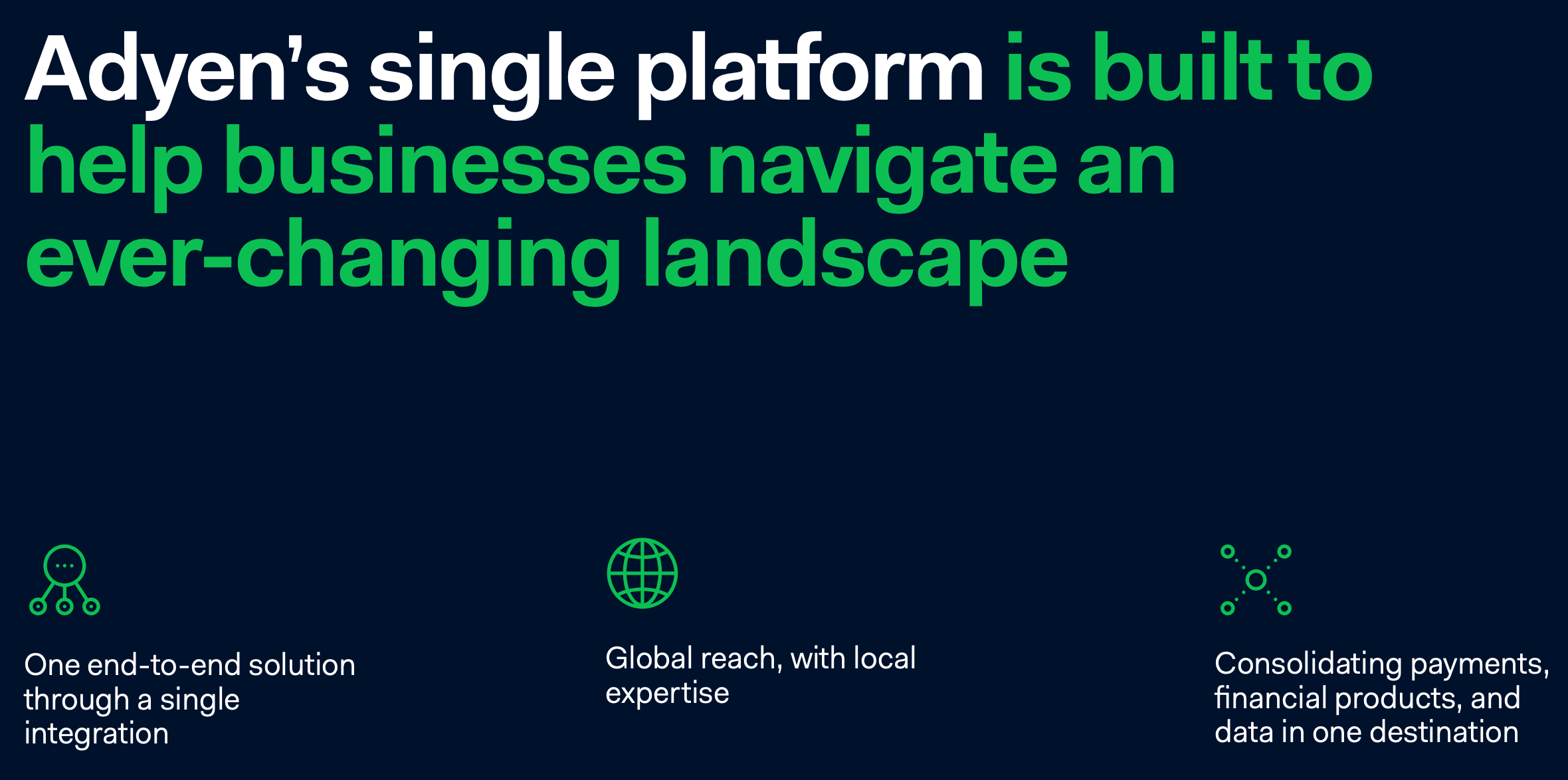
Unlike traditional payment providers that rely on a patchwork of legacy systems and third-party intermediaries, Adyen’s platform is built from the ground up on a single stack. This architecture allows for:
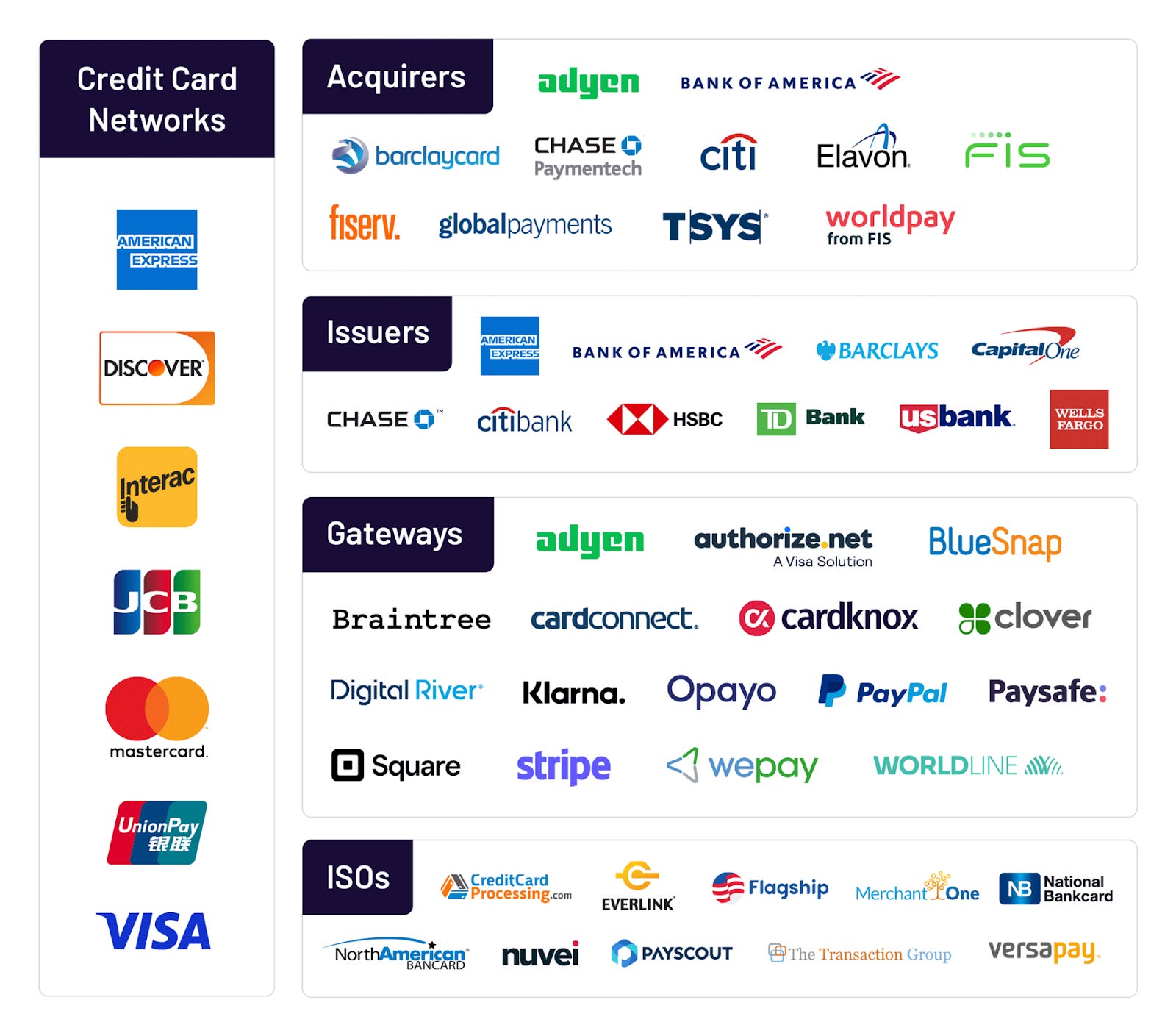
- Direct Acquiring: Adyen acts as the acquirer for major card schemes (Visa, Mastercard, etc.) and local methods, reducing the number of hops a transaction takes.
- Real-time Data Visibility: Because all transactions flow through the same pipe, merchants in the AMS ecosystem can track customer behavior across physical stores in Kalverstraat and e-commerce portals simultaneously.
- Rapid Deployment: Local startups can integrate with Adyen’s API and immediately gain access to global markets, bypassing the need to negotiate with individual banks in every new territory.
Integration with Dutch E-commerce
The Dutch market has a high preference for direct bank transfers. Adyen has historically been a lead integrator for iDEAL, ensuring that the transition to more modern, mobile-centric payment protocols remains seamless for merchants. In the AMS ecosystem, where e-commerce giants like Bol.com and specialized SaaS providers operate, Adyen’s ability to handle high volumes during peak periods (such as King’s Day or Black Friday) without downtime is a cornerstone of the city’s digital economy.
Navigating the Regulatory Landscape: DNB and PSD3
Operating a global payment company from Amsterdam requires a sophisticated relationship with the De Nederlandsche Bank (DNB), the Dutch central bank. As of 2026, Adyen’s role in the AMS ecosystem includes acting as a bellwether for regulatory compliance, particularly regarding the implementation of the Third Payment Services Directive (PSD3) and the Payment Services Regulation (PSR).
Adyen holds a banking license, which allows it to offer accounts and issuing services to its users. This status is vital for the Amsterdam ecosystem because it provides a template for how tech companies can navigate the rigorous oversight of the DNB. The company’s focus on "compliance by design" has influenced local fintech startups to prioritize regulatory tech (RegTech) from day one. By setting high standards for Anti-Money Laundering (AML) and Know Your Customer (KYC) protocols, Adyen has helped elevate the reputation of the AMS ecosystem as a "clean" and reliable financial hub, which is essential for attracting international institutional investment.
The Economic Impact on the Amsterdam Labor Market
The demand for specialized fintech talent in Amsterdam is largely dictated by Adyen’s growth trajectory. With thousands of employees in its Rokin and Oosterdok offices, Adyen competes for and attracts the world’s top software engineers, data scientists, and product managers to the Netherlands.
This influx of talent has several ripple effects:
- Educational Alignment: Local institutions like the University of Amsterdam (UvA) and Vrije Universiteit (VU) have tailored more of their computer science and data analytics curricula to meet the needs of high-scale fintech operations.
- Salary Benchmarking: Adyen’s compensation structures have set a high bar, forcing other companies in the AMS ecosystem to improve their offerings, which in turn raises the overall standard of living for the tech workforce.
- International Diversity: Adyen’s English-first corporate culture has made it easier for international talent to relocate to Amsterdam, contributing to the city’s cosmopolitan and diverse professional environment.
Comparing Adyen’s Role in Major European Fintech Hubs
To understand Adyen's specific impact on the AMS ecosystem, it is helpful to compare it to the "anchor" companies in other major European tech hubs.
| Feature | Amsterdam (AMS) | London (LHR) | Berlin (BER) |
|---|---|---|---|
| Primary Anchor | Adyen | Revolut / Checkout.com | N26 / Raisin |
| Dominant Tech | Unified Commerce & Acquiring | Neobanking & FX | Consumer Banking & Savings |
| Regulatory Body | DNB (Netherlands) | FCA (UK) | BaFin (Germany) |
| Ecosystem Maturity | High (Integrated) | Very High (Fragmented) | Medium-High (Consumer-led) |
| Key Advantage | Single-stack global reach | Global financial capital | Strong engineering base |
As shown in the table, the Amsterdam ecosystem is uniquely defined by Adyen’s "integrated" approach. While London has more fintech companies, Amsterdam’s scene is more concentrated around the infrastructure-first philosophy championed by Adyen.
Challenges and Considerations for the 2026 Ecosystem
Despite its dominance, Adyen faces challenges that reflect the broader tensions within the AMS ecosystem. The cost of living in Amsterdam, driven in part by the success of the tech sector, has made it increasingly difficult for smaller startups to compete for talent. Additionally, the physical space for expansion in the historic city center is limited, leading to a geographical shift toward "Amsterdam-Zuid" and the "Zuidas" business district.
From a technical perspective, the rise of decentralized finance (DeFi) and Central Bank Digital Currencies (CBDCs) poses a potential shift in how "ecosystems" are defined. Adyen must continue to evolve its platform to support these technologies if it wishes to remain the central pillar of the AMS financial world. For the local businesses that depend on Adyen, the primary risk remains "vendor lock-in," where the cost of migrating away from such a deeply integrated stack becomes prohibitive.
Common Pitfalls and Troubleshooting for Adyen Integrations
For developers and business owners within the AMS ecosystem, integrating with Adyen is a standard but complex task. Common mistakes include:
- Incomplete Webhook Configuration: Many merchants fail to properly set up notification webhooks, leading to discrepancies between the Adyen Customer Area and their own back-end systems regarding payment status (e.g., "Authorized" vs. "Captured").
- Poor SCA Optimization: With the strict enforcement of Strong Customer Authentication (SCA) in Europe, failing to utilize Adyen’s 3D Secure 2 (3DS2) components correctly can lead to high cart abandonment rates.
- Ignoring Local Payment Methods: Even within the AMS ecosystem, global companies often forget to optimize for the specific nuances of Dutch consumer behavior, such as the preference for recurring direct debits (SEPA) for subscription services.
Frequently Asked Questions
What does "AMS" stand for in the context of Adyen?
In the tech and aviation world, AMS is the IATA code for Amsterdam. Within the Adyen context, it refers to the Amsterdam-based headquarters and the localized technology ecosystem that surrounds the company in the Netherlands.
How does Adyen support small startups in the Amsterdam ecosystem?
Adyen primarily supports startups through "Adyen for Platforms," which allows smaller businesses and marketplaces to integrate sophisticated payment and payout capabilities without building their own financial infrastructure. This "democratizes" access to global payment networks.
Is Adyen's banking license valid across all of Europe?
Yes, Adyen’s banking license, granted by the De Nederlandsche Bank (DNB), is "passported" across the European Economic Area (EEA). This allows Adyen to provide banking services to merchants in other European hubs while remaining regulated in Amsterdam.
How does Adyen's infrastructure differ from competitors like Stripe or PayPal?
The primary difference is the "single stack" philosophy. While many competitors grew through acquisitions of older payment gateways, Adyen built its entire system—from the gateway to the risk management and acquiring layers—in-house. This generally results in higher authorization rates and better data consistency.
What role does the "Adyen Mafia" play in Amsterdam?
The "Adyen Mafia" refers to the network of former employees who have used their experience and wealth from Adyen to start new companies. This has led to the creation of a vibrant "sub-ecosystem" in Amsterdam, where new startups benefit from the operational playbooks developed at Adyen.
Practical Recommendations for Businesses
For organizations operating within the AMS ecosystem or planning to enter the Dutch market in 2026, the following steps are recommended:
- Leverage Unified Commerce: If you have both a physical and digital presence, utilize Adyen’s unified commerce capabilities to create a single customer view. This is the gold standard in the Amsterdam retail market.
- Monitor Regulatory Changes: Keep a close watch on DNB publications regarding PSD3. Adyen is often the first to implement these changes, so staying aligned with their technical documentation is a proactive way to ensure compliance.
- Optimize for the Digital Euro: As European central banks explore digital currencies, ensure your payment stack is flexible enough to accept new forms of digital tender.
- Network within the Local Hub: Participate in fintech meetups and events hosted in Amsterdam. The knowledge transfer within the AMS ecosystem is high, and many "best practices" are shared informally among the local developer community.
By positioning itself as the "operating system" for modern commerce, Adyen has ensured that its fate is inextricably linked with the success of the Amsterdam tech scene. For any business looking to navigate this landscape, understanding Adyen's technical and strategic role is not just an advantage—it is a necessity.