Panama City Beach offers some of the most dynamic marine experiences along the Gulf of Mexico, blending high-speed boat tours, wildlife encounters, deep-sea fishing, and peaceful paddle excursions. Whether you are looking to pilot your own vessel, join a guided catamaran cruise, or explore uninhabited barrier islands, understanding the logistical requirements, seasonal conditions, and available operator options is essential for planning a successful coastal trip.
Introduction to Panama City Beach Maritime Tourism
Panama City Beach, located along Florida’s Emerald Coast, is a premier destination for travelers seeking marine recreation. The area features 27 miles of white-sand beaches bordering the Gulf of Mexico on one side and the protected, brackish waters of the West Bay, North Bay, and St. Andrew Bay on the other. This unique geography creates a diverse playground for adventures at sea in Panama City Beach, ranging from the calm, shallow grass flats favored by kayakers to the deep-sea drop-offs pursued by offshore anglers.
The primary search intent for visitors looking into these maritime activities typically involves evaluating operators, understanding safety regulations, checking rental prerequisites, and comparing tour formats. Because the local marine ecosystem is heavily regulated by state and federal agencies—including the Florida Fish and Wildlife Conservation Commission (FWC) and the National Oceanic and Atmospheric Administration (NOAA)—navigating these waters requires more than just showing up at a dock. This guide breaks down the core categories of sea adventures available, legal and safety requirements, pricing considerations, and best practices for booking your excursion.
Core Categories of Sea Adventures
When planning an excursion on the waters of Panama City Beach, travelers generally choose among several distinct styles of adventure. Each category serves different skill levels, physical demands, and budget considerations.
Guided Catamaran and Sightseeing Cruises
For travelers who prefer a relaxed pace or are traveling with young children or multi-generational groups, large-scale catamaran tours and sightseeing vessels are the most common entry point. These tours typically depart from local marinas such as Grand Marlin or St. Andrew State Park and head toward Shell Island or the offshore shipping channels.
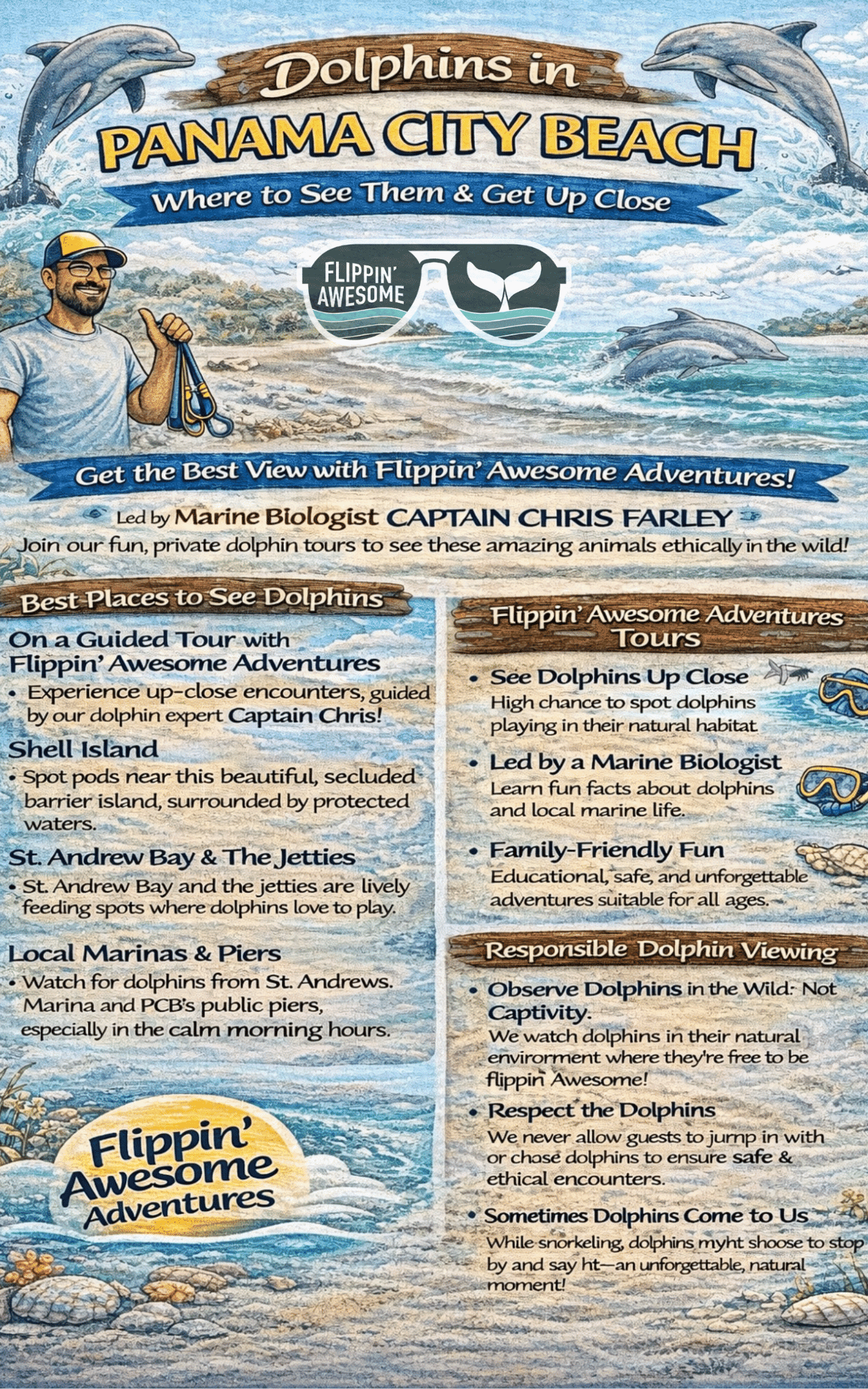
- Dolphin Encounters: The local waters support a large resident population of bottlenose dolphins. Guided tours utilize specialized observation techniques to find pods while adhering to the Marine Mammal Protection Act, which prohibits swimming with or feeding wild dolphins.
- Sunset and Dinner Cruises: These evening excursions focus on scenic views of the Gulf horizon, offering relaxed seating, music, and light refreshments.
High-Speed Thrill Rides and Jet Ski Rentals
Adrenaline seekers often gravitate toward personal watercraft (PWC) rentals and high-speed banana boat rides.
- Jet Ski Tours vs. Rentals: While some operators allow unrestricted rentals within a marked perimeter in the bay, guided jet ski tours take groups across open water, through shallow channels, and into areas frequented by marine wildlife.
- Speedboat Tours: Rigid-hull inflatable boats (RHIBs) and high-speed passenger vessels offer an open-air ride that combines sightseeing with high-velocity maneuvering.
Deep-Sea and Inshore Fishing Charters
Fishing is a cornerstone of Panama City Beach's maritime economy. The underwater topography, featuring natural limestone reefs and extensive artificial reef programs, attracts a diverse array of pelagic and bottom-dwelling species.
- Inshore and Bay Fishing: Targeting redfish, speckled trout, and flounder in the protected waters of St. Andrew Bay using light tackle.
- Party Boats (Head Boats): Large-vessel fishing trips designed for casual anglers. These trips accommodate dozens of people, providing rods, bait, licenses, and crew assistance for bottom-fishing species like snapper and grouper.
- Private Offshore Charters: Customized trips targeting larger game fish such as amberjack, mahi-mahi, tuna, and billfish further out in the Gulf of Mexico.
Human-Powered Exploration: Kayaking and Paddleboarding
For a quieter interaction with the marine environment, stand-up paddleboarding (SUP) and sea kayaking allow visitors to explore the shallow grass beds of the bay and the pristine shorelines of Shell Island at their own pace. Clear-kayak rentals have grown particularly popular, allowing paddlers to view marine life directly beneath their craft without snorkeling equipment.
| Adventure Type | Primary Vessel | Skill Level | Typical Duration | Best For |
|---|---|---|---|---|
| Dolphin Catamaran | Motorized Catamaran | All Ages | 2 to 3 Hours | Families, wildlife viewing, relaxed sightseeing |
| Deep-Sea Fishing | Sportfishing Yacht / Head Boat | Beginner to Advanced | 4 to 12 Hours | Anglers seeking offshore species |
| Jet Ski Tour | Personal Watercraft (PWC) | Moderate (Ages 18+ to rent) | 1.5 to 2 Hours | Thrill-seekers and active explorers |
| Shell Island Ferry | Large Passenger Ferry | All Ages | Varies (Flexible return) | Beachgoers wanting dedicated time on the island |
| Kayak / SUP Rental | Paddlecraft | Moderate Physical Fitness | Half-Day to Full-Day | Eco-tourists and independent paddlers |
Legal Requirements and Boating Regulations
Before engaging in any adventure at sea in Panama City Beach, participants must be aware of Florida’s strict boating laws and safety mandates. Ignorance of local regulations can result in substantial fines by the FWC or the U.S. Coast Guard.
Boater Education ID Requirements
Under Florida law, anyone born on or after January 1, 1988, who operates a motorboat powered by 10 horsepower or greater must successfully complete an approved boating safety course and obtain a Boating Safety Education Identification Card.
- Temporary Certificates: Out-of-state visitors who do not possess a permanent card from their home state can often take a temporary online boating safety test provided by authorized vendors to satisfy the legal requirement before renting a motorized boat or PWC.
- Age Limits for PWCs: In Florida, a person must be at least 14 years of age to operate a personal watercraft, and 18 years of age to rent one.
Environmental Protections and Wildlife Laws
The waters surrounding Panama City Beach are ecologically sensitive zones.
- Shell Island Preservation: Shell Island is an undeveloped barrier island managed largely as part of the St. Andrews State Park system. Visitors must pack out all trash, stay off sand dunes to protect native vegetation and nesting shorebirds, and avoid disturbing sea turtle nesting sites during nesting season (typically May through October).
- Federal Protections: Feeding, touching, or chasing marine mammals (dolphins and manatees) and sea turtles is strictly prohibited under federal law. Operators caught violating these rules face heavy federal penalties.
Weather, Seasonality, and Ocean Conditions
Maritime adventures are heavily dependent on meteorological and oceanic variables. Planning your trip around seasonal weather patterns ensures a safer and more enjoyable experience.
Peak Season vs. Off-Season
- Summer (June – August): Characterized by warm water temperatures, high humidity, and afternoon thunderstorms. This is peak tourist season, meaning advance booking for all major boat tours and fishing charters is mandatory.
- Spring and Fall (March – May / September – November): Widely considered the optimal time for sea adventures. Water temperatures are comfortable, air temperatures are moderate, and visitor crowds are significantly smaller.
- Winter (December – February): Cooler air temperatures and occasional cold fronts bring higher winds and rougher seas. While deep-sea fishing can slow down due to rough conditions, inshore fishing and coastal wildlife viewing remain viable on clear days.
Monitoring Marine Forecasts
Sudden squalls and changing wind directions can quickly alter Gulf conditions. Operators monitor the National Weather Service marine forecasts closely. Small craft advisories will prompt reputable tour companies to reschedule or cancel trips for safety. Always verify cancellation and refund policies when booking water-based excursions.
Cost Considerations and Booking Strategies
Pricing for adventures at sea in Panama City Beach varies significantly depending on the nature of the vessel and the exclusivity of the service.
- Shared Group Tours: Catamaran dolphin cruises and ferry rides to Shell Island typically range from $35 to $75 per person, making them cost-effective options for families.
- PWC Rentals and Guided Tours: Jet ski rentals generally cost between $90 and $150 per hour depending on whether the tour is guided and whether the watercraft is a single or dual-rider model.
- Private Fishing Charters: Inshore half-day charters start around $400 to $600 for a small group, while offshore deep-sea sportfishing yachts can range from $1,000 to over $3,000 depending on the duration, fuel costs, and target species.
- Gratuity Norms: For guided fishing charters and boat tours, tipping the deckhands and captains is standard practice. Gratuities typically range from 15% to 20% of the charter cost, reflecting the crew's labor in baiting lines, handling safety, and cleaning fish.
Frequently Asked Questions
Do I need a fishing license if I book a charter in Panama City Beach?
No. When you book a trip with a licensed commercial fishing charter captain, their vessel-level saltwater fishing license covers all passengers on board. However, if you fish from the shore, a public pier, or rent your own private boat without a captain, you must purchase an individual Florida saltwater fishing license.
What is the best way to get to Shell Island?
The most reliable methods are taking the official Shell Island Shuttle ferry from St. Andrews State Park, booking a guided catamaran tour that stops at the island, or renting a pontoon boat or kayak. Swimming across the pass from the state park is strongly discouraged due to dangerous, fast-moving tidal currents.
Can I bring my own food and alcohol on boat tours?
Policies vary by operator. Most large catamaran cruises and sightseeing vessels prohibit outside alcohol and coolers, operating an onboard cash or card bar instead. Conversely, private fishing charters and pontoon boat rentals almost universally allow passengers to bring their own coolers stocked with food and beverages, though glass containers are frequently restricted for safety.
What should I pack for a day out on the water?
Essential items include polarized sunglasses (to cut water glare and spot marine life), high-SPF reef-safe sunscreen, a lightweight windbreaker or rash guard, a wide-brimmed hat, motion sickness medication (if prone to seasickness), and a waterproof bag or phone case.
What happens if the weather turns bad during my scheduled tour?
Reputable maritime operators monitor radar continuously. If a trip is canceled by the captain due to unsafe weather or small craft advisories, you will typically be offered the option to reschedule for a later date or receive a full refund. Always confirm the specific weather policy at the time of reservation.
Final Recommendations for Your Maritime Trip
When planning your adventures at sea in Panama City Beach, prioritize safety, verify operator credentials, and book well in advance during peak travel months. Take time to assess your group's physical comfort levels—choosing a stable catamaran over a high-speed raft if anyone is prone to back issues or severe motion sickness. By respecting local environmental regulations and selecting experienced, licensed captains, you ensure a memorable, safe, and responsible exploration of Florida's Emerald Coast waters.