Wealth management provides a holistic approach to growing, protecting, and transferring financial assets by integrating investment strategy, tax planning, estate coordination, and risk management into a unified plan. Beyond simple portfolio administration, professional wealth management helps high-net-worth individuals navigate complex financial decisions, mitigate systemic risks, and optimize their total net worth across generations through disciplined, coordinated execution.
Understanding Wealth Management: Scope and Definition
Wealth management is a professional service combining financial planning, investment portfolio management, and a range of specialized financial services—such as legal and estate planning, accounting, and tax mitigation—for high-net-worth and ultra-high-net-worth individuals. Unlike standard financial planning, which often focuses solely on retirement savings or budgeting for median-income households, wealth management takes an enterprise-level view of a client’s entire financial ecosystem.
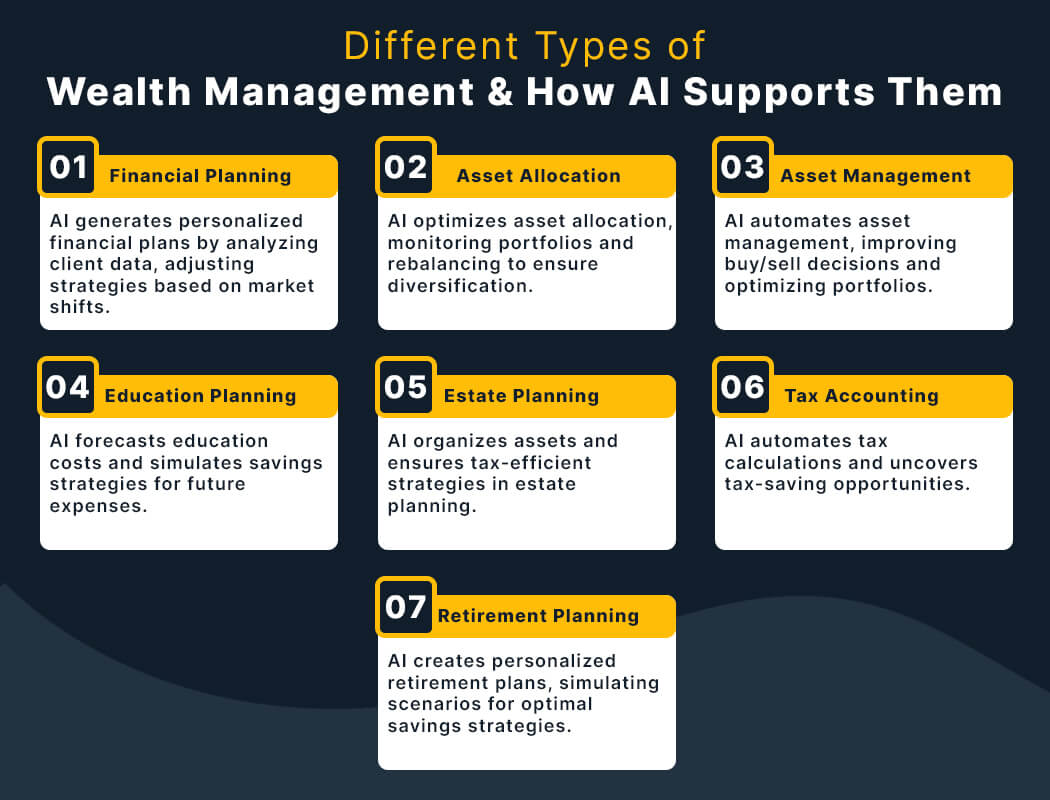
The scope of a comprehensive wealth management engagement typically encompasses cash flow modeling, asset allocation, risk mitigation, business succession planning, philanthropic giving, and trust coordination. By coordinating these moving parts, wealth management serves as a centralized command center for an individual's or a family's financial life. This multidisciplinary approach ensures that decisions made in one area—such as liquidating a business asset—do not inadvertently trigger negative consequences in another, such as an unexpected tax liability or a breach of estate guidelines.
Distinguishing Wealth Management from Standard Financial Planning
While financial planning and wealth management are frequently used interchangeably, distinct operational differences separate the two practices. Standard financial planning generally targets specific, isolated milestones: accumulating a retirement fund, buying a home, or funding higher education. The engagement may conclude once a roadmap is delivered or when a specific asset threshold is met.
Wealth management, conversely, is an ongoing, dynamic relationship designed to manage complex, multi-tiered estates. It accounts for liquidity constraints across multiple business entities, complex compensation structures like stock options and restricted stock units (RSUs), international tax considerations, and generational wealth transfer mechanisms. Wealth managers often act as general contractors, collaborating directly with outside certified public accountants (CPAs), estate attorneys, and insurance specialists to ensure alignment across all professional disciplines.
Core Advantages of Comprehensive Wealth Management
Engaging a wealth manager yields several structural and psychological advantages that directly impact the longevity and growth of an estate. These benefits extend beyond investment performance, addressing operational efficiency, asset protection, and emotional peace of mind.
Holistic Financial Coordination
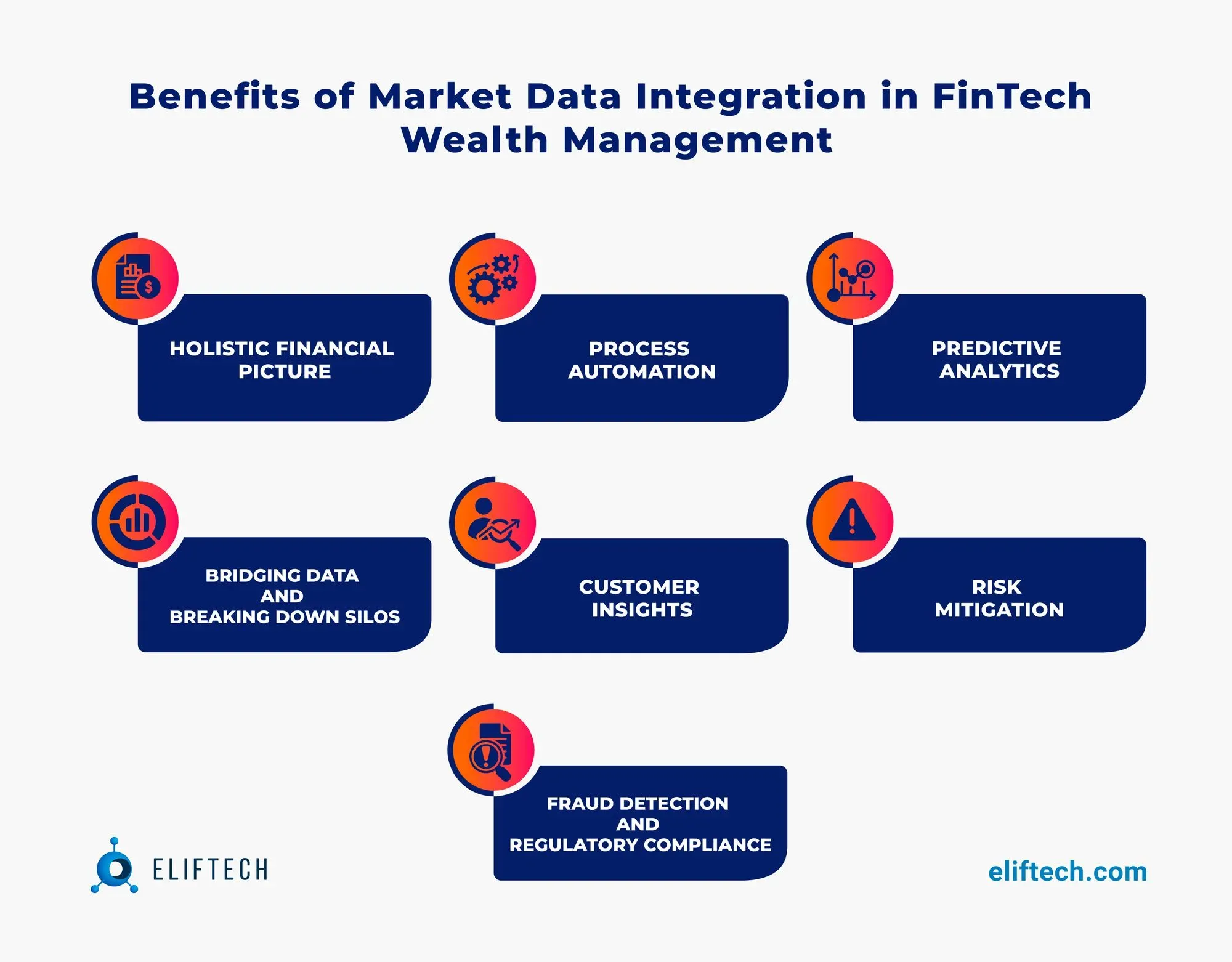
A fragmented financial life—where investment accounts, mortgages, insurance policies, and business holdings are managed independently—often leads to missed opportunities and conflicting strategies. Comprehensive wealth management unifies these elements. For example, a wealth manager can time the realization of capital gains in an investment portfolio to offset losses realized within a real estate holding or a business venture. This centralized oversight eliminates structural blind spots and optimizes overall financial efficiency.
Tailored Investment Strategies and Institutional Access
Retail investors often rely on standardized mutual funds and exchange-traded funds (ETFs) available to the public markets. Wealth management clients, however, frequently gain access to institutional-grade investment opportunities that require high capital minimums. These can include private equity funds, venture capital syndicates, direct real estate investments, and structured notes designed for specific risk-return profiles.
Furthermore, wealth managers build portfolios tailored to an individual client's specific tax bracket, liquidity requirements, and time horizon. Rather than applying a standard model portfolio based strictly on age, a custom strategy accounts for concentrated stock positions, inheritances, and impending major expenditures.
Advanced Tax Mitigation and Efficiency
Taxes represent one of the largest drags on long-term wealth accumulation. Wealth managers work proactively alongside tax professionals to implement strategies that minimize annual tax liability. These strategies include:
- Tax-Loss Harvesting: Systematically realizing investment losses to offset realized capital gains and up to a specific limit of ordinary income.
- Asset Location: Placing tax-inefficient assets (such as high-yield corporate bonds or actively managed funds) inside tax-advantaged accounts like IRAs, while placing tax-efficient assets (such as broad-market index funds or municipal bonds) in taxable brokerage accounts.
- Charitable Giving Vehicles: Utilizing donor-advised funds (DAFs) or charitable remainder trusts (CRTs) to secure immediate income tax deductions while funding philanthropic goals.
Structured Estate Planning and Wealth Transfer
Passing wealth to the next generation without a structured plan often results in substantial erosion through estate taxes, probate fees, and family disputes. Wealth management integrates estate planning directly into the financial lifecycle. By establishing trusts, gifting strategies, and family limited partnerships (FLPs), wealth managers help clients transfer assets efficiently while maintaining appropriate control over distribution timelines and conditions. This proactive approach ensures that wealth survives the transition between generations according to the explicit wishes of the original accumulator.
Risk Management and Asset Protection
Accumulating wealth is only half the battle; preserving it against unforeseen liabilities is equally critical. Wealth managers evaluate vulnerability to litigation, market shocks, disability, and premature death. They coordinate with insurance specialists to ensure appropriate coverage levels across umbrella liability policies, life insurance, disability insurance, and long-term care policies. In high-litigation professions or business environments, segregating assets into protected legal structures safeguards the core estate from external claims.
| Wealth Management Function | Primary Focus | Key Instrument or Strategy | Typical Benefit |
|---|---|---|---|
| Investment Management | Portfolio growth and risk adjustment | Custom asset allocation, private equity | Aligns market exposure with liquidity and time horizons |
| Tax Planning | Minimizing fiscal drag | Tax-loss harvesting, asset location | Maximizes after-tax returns over multi-year periods |
| Estate Coordination | Generational transfer | Revocable and irrevocable trusts, DAFs | Reduces probate friction and estate tax exposure |
| Risk Mitigation | Safeguarding against loss | Umbrella liability, permanent life insurance | Protects core assets from unexpected legal or health events |
The Financial Impact: Quantifying the Value of Advice
Quantifying the exact monetary return of wealth management can be challenging because the benefits are distributed across various dimensions of financial life. However, academic and industry studies frequently point to the concept of "advisor alpha"—the value an advisor adds above and beyond simple market returns through behavioral coaching, asset allocation, tax efficiency, and prudent withdrawal strategies.
Behavioral Coaching During Market Volatility
Human emotion remains one of the primary threats to long-term investment performance. Individual investors frequently succumb to cognitive biases, such as panic selling during market downturns or chasing high-flying assets near market peaks. A primary advantage of retaining a wealth manager is behavioral discipline. Wealth managers act as an objective buffer between investors and their portfolios, enforcing a long-term strategic plan and preventing emotional overreactions during periods of macroeconomic stress or market volatility.
Time Reclamation and Administrative Relief
Managing complex investments, tax filings, corporate benefits, insurance renewals, and estate documents requires significant time and specialized knowledge. For high-earning professionals, entrepreneurs, and executives, the opportunity cost of managing these tasks independently can dwarf the financial fees charged by a wealth management firm. Delegating these responsibilities frees up time to focus on core business operations, career advancement, or personal pursuits.
Considerations and Potential Limitations
While the advantages of wealth management are substantial, prospective clients must evaluate potential drawbacks, fee structures, and alignment issues before engaging a firm.
Understanding Fee Structures
Wealth management firms charge for their services through various models, and the cost structure directly impacts net returns. Common fee models include:
- Assets Under Management (AUM): A percentage fee (typically ranging from 0.50% to 1.50% annually) calculated based on the total value of the assets managed by the firm.
- Retainer or Subscription Fees: A flat annual or monthly fee for comprehensive planning services, regardless of portfolio size.
- Hourly or Project-Based Fees: Charged for specific, one-time projects, such as a comprehensive retirement readiness review or an estate plan audit.
- Commissions: Earned through the sale of specific financial products or insurance policies (less common among fiduciary fee-only advisors).
Clients must ensure transparency regarding all direct and indirect costs, including underlying fund expenses, custodial fees, and transaction charges.
Fiduciary Duty vs. Suitability Standard
Not all financial professionals are held to the same legal standard of conduct. It is critical for investors to understand the distinction between a fiduciary and someone operating under a suitability standard:
- Fiduciary Standard: Legally obligated to act in the client's best financial interest at all times, disclosing and avoiding conflicts of interest where possible. Registered Investment Advisors (RIAs) typically operate under this standard.
- Suitability Standard: Required only to recommend products or strategies that are "suitable" for a client's profile, even if a less expensive or more effective alternative exists. This standard is common among certain broker-dealers and insurance agents.
Selecting an advisor operating strictly under a fiduciary standard ensures that the client's interests remain paramount throughout the engagement.
Frequently Asked Questions
What is the minimum net worth required for wealth management?
Minimum investment or net worth requirements vary widely across the industry. While some boutique wealth management firms or multi-family offices require liquid assets exceeding $5 million or $10 million, many independent Registered Investment Advisors (RIAs) accommodate clients with investable assets starting between $500,000 and $1,000,000. Some modern hybrid firms also offer digital-human advisory models with lower minimum thresholds.
How do wealth managers make money?
Wealth managers primarily earn revenue through an Assets Under Management (AUM) fee, which is a predetermined percentage of the total portfolio value they oversee for the client. Other common compensation methods include flat annual retainers, hourly planning fees, or project-based fees. Clients should always request a Form ADV Part 2A brochure, which details an advisor's fee schedule and potential conflicts of interest.
Is wealth management only about investing money?
No. While investment management is a core component, true wealth management encompasses a comprehensive view of a client's financial life. This includes tax planning, estate coordination, risk management, business succession planning, retirement cash flow modeling, and philanthropic strategy. Investment management is merely one tool used to achieve broader life and legacy goals.
How do I know if I need a wealth manager?
You may benefit from wealth management if your financial situation has grown increasingly complex—such as managing multiple income streams, business ownership, impending liquidity events, stock options, complex tax situations, or multi-generational estate goals. If you lack the time, interest, or specialized expertise to coordinate these moving parts effectively, professional guidance can provide significant structural value.
What should I look for when choosing a wealth manager?
Key selection criteria include verifying that the advisor operates as a registered fiduciary, reviewing their professional designations (such as Certified Financial Planner or Chartered Financial Analyst), understanding their fee structure and potential conflicts of interest, and assessing their experience with clients in situations similar to yours. A successful long-term relationship relies heavily on clear communication, trust, and shared values regarding financial risk.
Next Actions and Implementation
If you are considering engaging a wealth manager, begin by conducting an internal audit of your current financial landscape, identifying your primary pain points—whether they involve tax inefficiencies, estate planning gaps, or portfolio consolidation. Interview multiple candidates, explicitly asking about their regulatory status, fee transparency, investment philosophy, and client servicing models. Request a sample financial plan or proposal to evaluate their depth of analysis before committing your assets to their management.