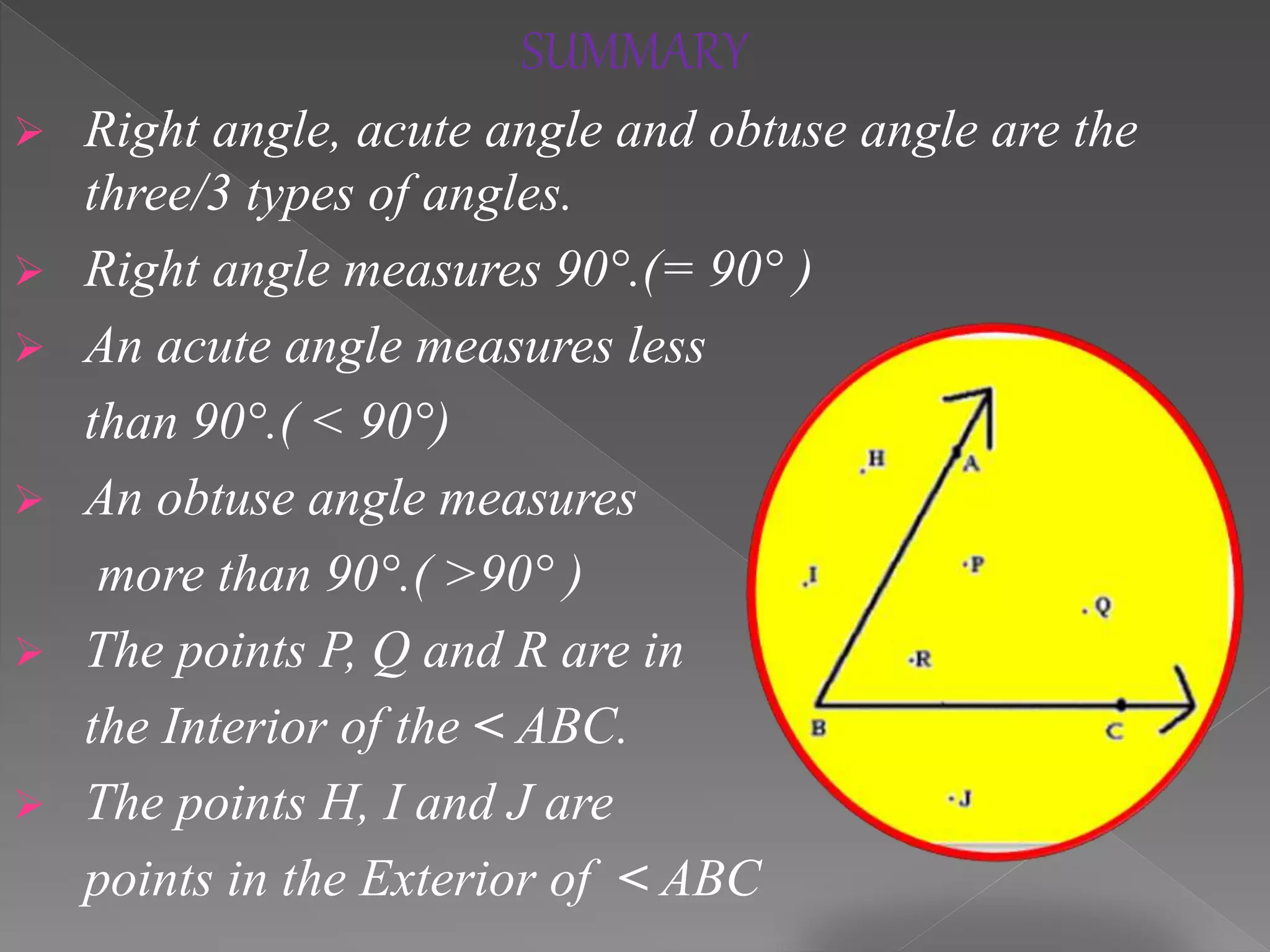
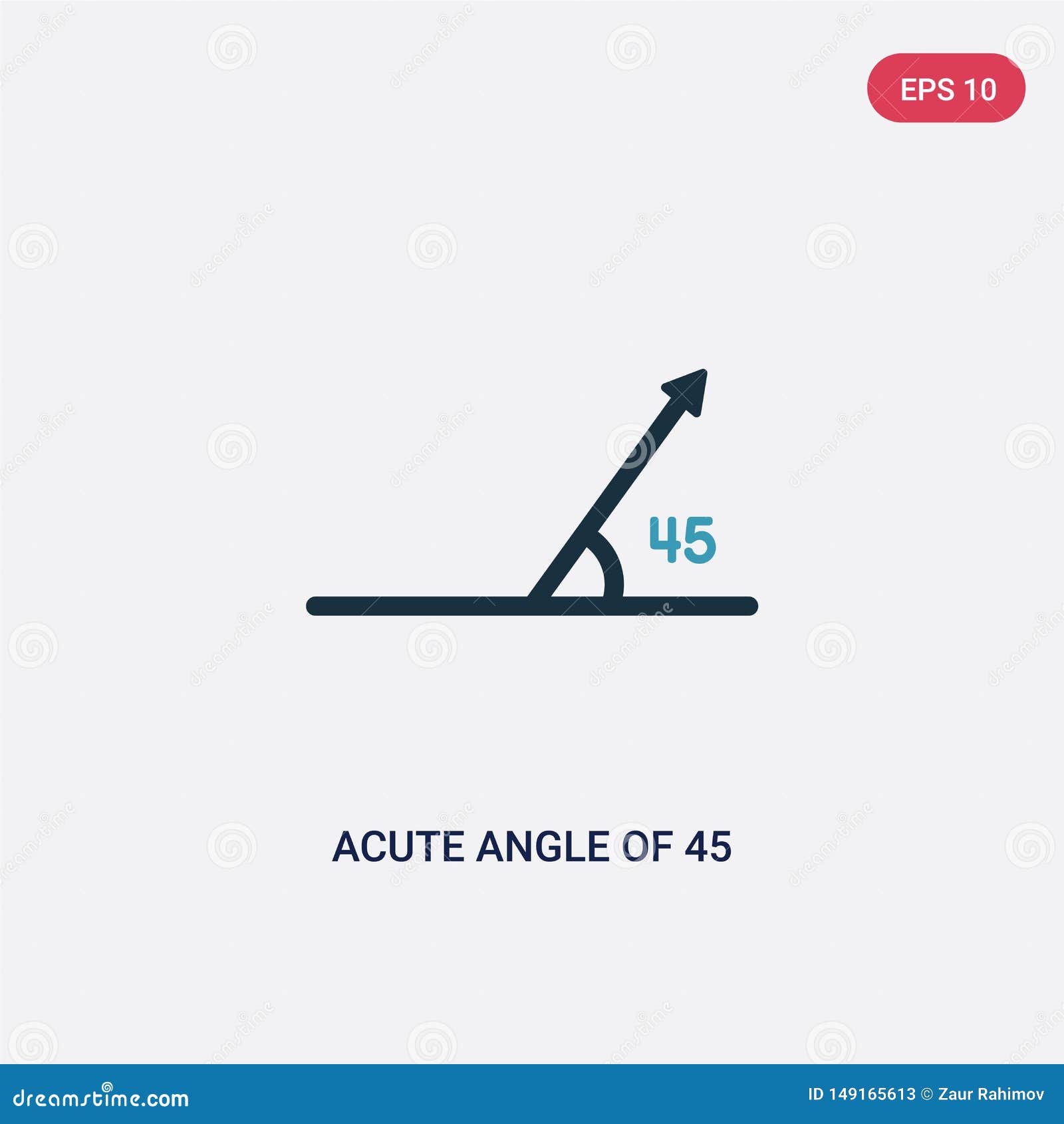
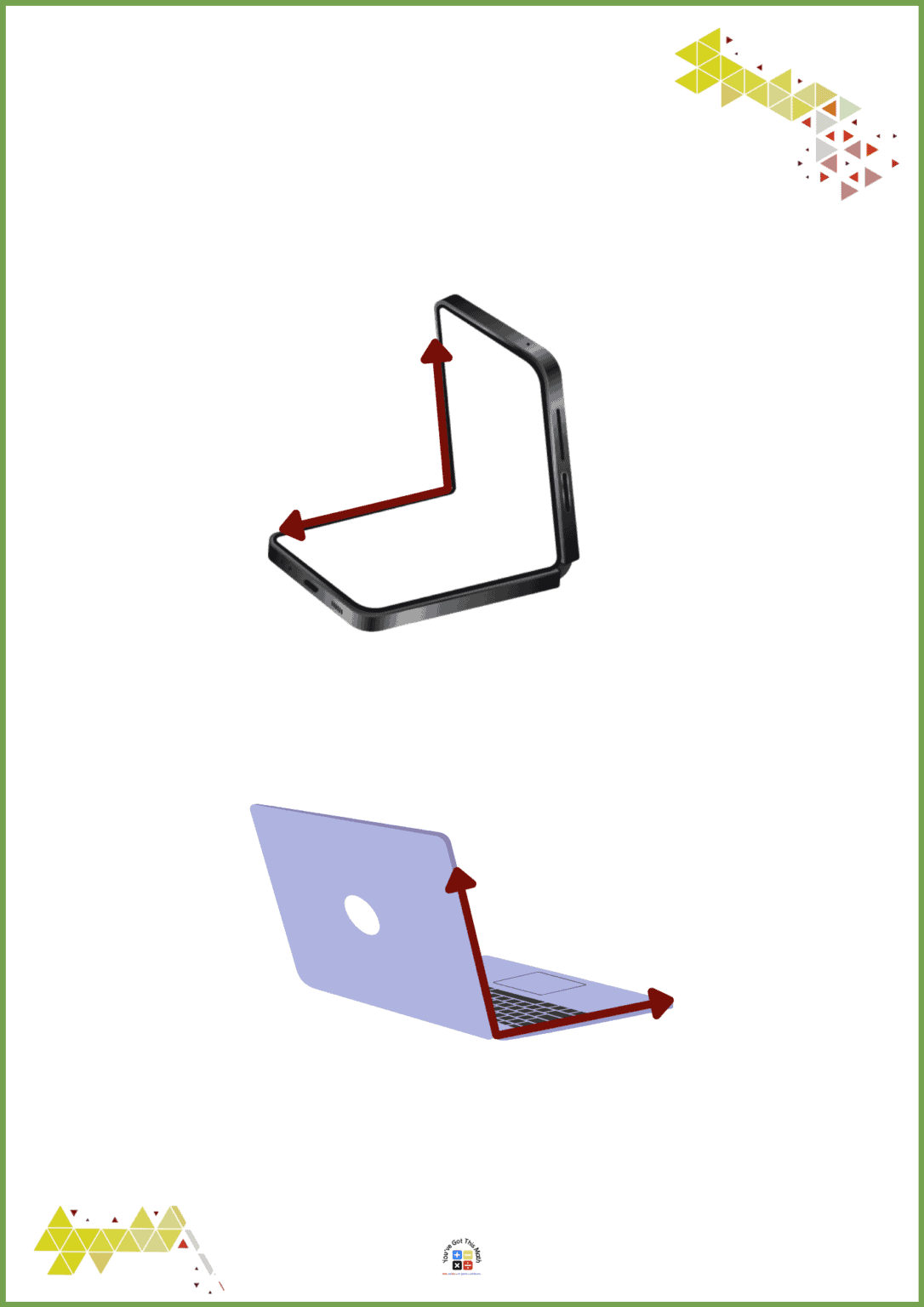
Acute angle shapes—angles measuring less than 90 degrees—bring a sense of movement, precision, and modern energy to interior spaces. Used in architectural features, furniture silhouettes, and decorative patterns, these sharp forms direct the viewer’s eye and create dramatic focal points, though they require careful balancing with softer elements to maintain residential comfort.
In the design landscape of 2026, the shift toward "geometric dynamism" has moved beyond simple minimalism into a realm where the sharp, aggressive lines of acute angles define the character of a room. While right angles provide stability and obtuse angles offer a sense of openness, the acute angle is the primary tool for introducing tension, direction, and avant-garde flair. Understanding how to harness these shapes requires a blend of psychological insight, structural knowledge, and an eye for compositional balance.
The Psychology of Sharpness: Energy and Focus
The human brain reacts to sharp angles differently than it does to curves or squares. Historically, neuroaesthetic studies have shown that sharp objects can trigger a subtle "threat response" in the amygdala, the part of the brain responsible for processing fear and excitement. However, in the context of interior design, this response is translated into heightened alertness and visual interest.
Acute angles are inherently directional. Because they terminate in a point, they function as literal arrows within a space. When a ceiling slopes down to an acute point or a kitchen island features a "knife-edge" countertop, the eye is forced to follow that line to its conclusion. This makes acute shapes ideal for:
- Defining Movement: Leading a guest from an entryway into a main living area.
- Creating High-Energy Environments: Offices, creative studios, and gyms often benefit from the "caffeine-like" effect of sharp, jagged geometries.
- Highlighting Specific Objects: Using triangular shelving to point toward a piece of art or a view out of a window.
In 2026, designers are increasingly using "aggressive minimalism," where the lack of clutter is replaced by high-impact geometry. The goal is not to make a room feel dangerous, but to make it feel intentional and precise.
Architectural Integration of Acute Angles
Integrating acute angles into the actual structure of a building is the most permanent and impactful way to utilize these shapes. This often manifests in "deconstructivist" influences or modern A-frame adaptations.
Sloped Ceilings and Shard Walls
In contemporary architecture, the traditional 90-degree wall-to-ceiling join is frequently discarded in favor of dramatic slopes. An acute angle created by a descending ceiling line can make a large room feel more intimate or a small room feel like a cozy, protected "nook." Shard walls—interior partitions that don’t meet at right angles—break the "box" feel of standard residential construction. These walls create unexpected pockets of space that can be utilized for specialized lighting or custom-built storage.
The Technical Challenge of Joinery
From a construction standpoint, acute angles are significantly more difficult to execute than standard 90-degree corners.
- Framing: Standard studs and plates are designed for perpendicularity. Framing an acute corner requires specialized "California corners" or custom-beveled headers to ensure structural integrity.
- Drywall Finishing: Achieving a "Level 5" finish on an acute internal corner is a labor-intensive process. Standard corner beads are often fixed at 90 or 135 degrees, requiring flexible beads or manual mudding to achieve a crisp, sharp point.
- Flooring Transitions: When walls meet at an acute angle, flooring materials like hardwood or tile must be cut at extreme miter angles. This increases material waste (often by 15-20%) and requires high-precision cutting tools to avoid gaps.
Furniture Silhouettes and the "Knife-Edge" Aesthetic
Furniture is the most accessible way to introduce acute angles without committing to structural renovations. The 2026 market has seen a resurgence in "tapered" and "triangular" design languages.
Tapered Legs and Mid-Century Evolution
While Mid-Century Modern design introduced the world to the tapered leg, modern iterations have pushed these angles to extremes. Tables with legs that splay outward at 60-degree angles create a sense of lightness and "hovering." This reduces the visual weight of the furniture, making the floor space appear larger.
Triangular and Polyhedral Seating
Sofas and armchairs are moving away from the "blob" shapes of the early 2020s toward more structured, polyhedral forms. An armchair with an acute-angled backrest provides a rigid, formal seating posture that is favored in professional settings or formal parlors. These pieces act as functional sculptures, providing visual interest even when not in use.
The Kitchen Island "Shard"
One of the most prominent trends in luxury kitchen design is the cantilevered island featuring acute-angled ends. Instead of a rectangular block, the island might terminate in a 45-degree point. This provides a "prow" effect, making the kitchen feel like a command center. When combined with "waterfall" edges executed in stone or quartz, the result is a seamless, sharp-edged monolith.
Decorative Patterns and 2D Applications
You do not need 3D objects to utilize the power of acute angles. Two-dimensional patterns remain a staple for adding texture and rhythm to a room.
- Chevron vs. Herringbone: While both use acute angles, the Chevron pattern meets at a sharp point, creating a continuous "V" shape. This is the quintessential use of acute angles in flooring and backsplash design, providing a relentless sense of forward motion.
- Geometric Wallpaper: Modern wallpapers in 2026 often feature "low-poly" designs—images constructed from hundreds of small triangles. These patterns add depth and a "digital" feel to a room, bridging the gap between physical space and virtual aesthetics.
- Rug Geometry: Large-scale triangular motifs in rugs can help "zone" an open-concept living area. By pointing the apex of a triangle toward a seating group, the rug reinforces the furniture arrangement.
Balancing Sharpness: The Rule of Contrast
A room composed entirely of acute angles can feel hostile, jagged, and uncomfortable—a phenomenon sometimes called "design fatigue." To make a space livable, designers follow the Rule of Contrast.
If you have a sharp, acute-angled architectural feature, you must "ground" it with soft textures or organic shapes. For example:
- Soft Textiles: Place a plush, high-pile rug underneath a sharp-edged glass coffee table.
- Organic Foliage: Use large-leafed plants (like a Monstera or Fiddle Leaf Fig) to break up the harsh lines of a slanted wall.
- Ambient Lighting: Sharp angles create deep, harsh shadows. To mitigate this, use "wash" lighting or hidden LED strips to soften the points where angles meet, creating a glow rather than a silhouette.
Technical Comparison: Angle Dynamics in Design
To choose the right geometry for your project, it is essential to understand how acute angles compare to other standard design shapes.
| Feature | Acute Angle (<90°) | Right Angle (90°) | Obtuse Angle (>90°) |
|---|---|---|---|
| Visual Energy | High / Aggressive | Neutral / Stable | Low / Relaxed |
| Primary Use | Focal points, accents | Structural walls, storage | Lounging, traffic flow |
| Space Perception | Compresses or directs | Organizes and defines | Expands and opens |
| Cost to Build | High (Custom miters) | Standard (Stock) | Moderate (Custom) |
| Ideal Setting | Gallery, Office, Accent Wall | Bedroom, Kitchen, Library | Living Room, Patio, Spa |
Material Selection for Sharp Geometries
The material used to express an acute angle changes its perceived "sharpness" and luxury status.
- Metal (Steel/Aluminum): Provides the truest acute angles. Cold-rolled steel can be welded and ground into a "knife-edge" that is impossible to achieve with wood or stone. This is ideal for staircase stringers or minimalist shelving.
- Stone and Quartz: These materials allow for sharp external corners but are brittle. In 2026, mitered "apron" edges are popular, where the stone is cut at a 45-degree angle to create a thick, sharp-edged appearance.
- Wood: Wood is softer and more forgiving. Acute angles in wood are often "eased" (slightly rounded at the very tip) to prevent splintering and injury. This makes wood the preferred material for acute-angled furniture in households with children.
- Glass: Essential for maintaining "visual transparency" while using sharp shapes. A triangular glass partition provides the geometric impact of an acute angle without blocking light or sightlines.
Safety and Ergonomics: The "Ouch" Factor
A primary concern when implementing acute angles is physical safety. A sharp corner at hip height is a "bruise magnet," and at eye level, it is a significant hazard.
- Zone the Points: Place acute-angled furniture in "low-traffic" zones where people aren't walking quickly.
- Height Considerations: Ensure that sharp table corners are either significantly below or above the average knee or hip height.
- Filleting: In industrial design, "filleting" is the process of rounding off a sharp corner just enough to be safe while keeping the visual illusion of a sharp point. Even a 2mm radius can prevent a serious injury without ruining the aesthetic.
Lighting the Sharp Edge
In 2026, lighting design has become inseparable from geometry. Acute angles provide unique opportunities for "shadow play."
- Graze Lighting: Placing a light source parallel to a sharp-angled wall emphasizes its texture and the crispness of the corner.
- Apex Highlighting: Small, recessed spotlights (often called "pin-spots") can be aimed directly at the point where two walls meet at an acute angle, turning a structural necessity into a dramatic design feature.
- Backlighting: For "shard" walls or cantilevered counters, backlighting the acute edge makes the shape appear to float, softening the "aggressiveness" of the shape with a halo effect.
Frequently Asked Questions
Are acute angles suitable for small apartments?
Yes, but they must be used strategically. Because acute angles are directional, you can use them to "point" toward windows or mirrors, creating an illusion of more space. However, avoid bulky, sharp-edged furniture in tight walkways, as this creates both a physical hazard and a cluttered visual environment.
How do I mix acute angles with "biophilic" design?
Biophilic design often focuses on curves, but nature is full of acute angles—think of thorns, pine needles, or the jagged edges of a mountain range. You can bridge these styles by using natural materials (like raw-edge wood) cut into sharp, geometric shapes, or by using "triangular" plant arrangements.
What is the best color palette for sharp-angled rooms?
High-contrast palettes work best. Monochromatic schemes (black, white, and grey) emphasize the "shadow and light" created by sharp corners. If using colors, bold jewel tones like emerald or deep navy can make geometric shapes feel more luxurious and less "industrial."
Do acute angles make a room feel cold?
They can. The "sharpness" of the angle often translates to "coldness" in the mind of the inhabitant. To counter this, incorporate "warm" materials like brass, copper, or walnut. The combination of a sharp, modern angle with a warm, traditional material is a hallmark of sophisticated 2026 design.
How do I fix a room that has too many sharp angles?
The easiest fix is the introduction of "circles." A round rug, a circular mirror, or a globe-shaped pendant light will immediately break the visual tension of a sharp-angled room. This creates a "balanced" geometry that feels both modern and comfortable.
Final Recommendation for 2026 Interiors
When integrating acute angle shapes into your interior design, prioritize intentionality over quantity. A single, dramatic acute-angled element—such as a custom-built staircase or a unique geometric dining table—carries more aesthetic weight than a room filled with cluttered triangular patterns. Always evaluate the traffic flow of your space before placing sharp-edged objects, and ensure that your lighting plan accounts for the deep shadows these angles inevitably produce. For the most cohesive look, choose one "hero" material (such as brushed metal or matte stone) to express your sharpest angles, and use soft, organic textures to provide the necessary visual relief.