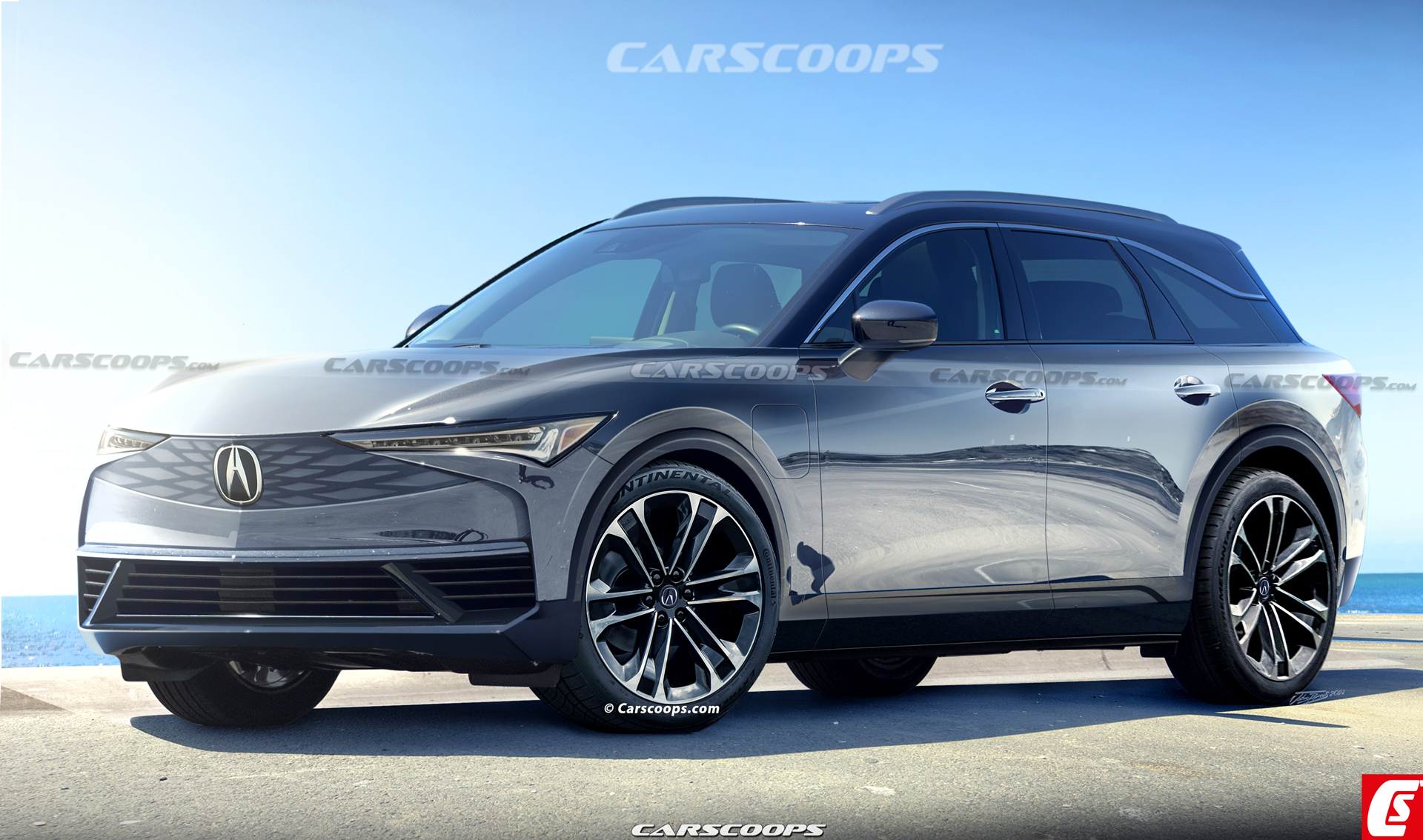
Acura’s Lane Keeping Assist System (LKAS) is a proactive safety technology within the AcuraWatch™ suite designed to reduce driver fatigue during highway travel. By using a forward-looking camera to identify lane markings, it provides corrective steering torque to help keep the vehicle centered in its lane at speeds between 45 and 90 mph.
In the 2026 automotive landscape, the modern SUV is no longer just a utility vehicle; it is a sophisticated mobile computer. Acura has positioned itself at the forefront of this evolution by integrating advanced driver-assistance systems (ADAS) that prioritize both safety and long-distance comfort. Central to this strategy is the Lane Keeping Assist System (LKAS). While often confused with simple lane-departure warnings, LKAS represents a more active, collaborative approach between the driver and the vehicle’s onboard processing units.
Understanding how LKAS functions within the context of a 2026 Acura MDX, RDX, or the fully electric ZDX requires a deep dive into the hardware, the software logic, and the practical realities of daily operation. This guide explores the technical foundations of the system, its integration into the modern SUV chassis, and how to maximize its utility while acknowledging its inherent limitations.
The Technical Foundation: How Acura LKAS Operates
At its core, LKAS is a vision-based system. Unlike some older technologies that relied on infrared or ground-facing sensors, Acura utilizes a sophisticated monocular camera mounted behind the rearview mirror, at the top of the windshield. This camera is engineered to scan the road ahead for identifiable lane markers, such as solid white lines, dashed yellow lines, or "Botts' dots" (raised pavement markers).
Once the camera identifies the boundaries of the lane, the system’s Electronic Control Unit (ECU) calculates the vehicle’s position relative to the center of those boundaries. If the vehicle begins to drift toward either side without a turn signal being activated, the ECU sends a signal to the Electric Power Steering (EPS) motor. This motor then applies a subtle, corrective torque to the steering wheel, effectively "nudging" the vehicle back toward the center.
It is important to distinguish this from autonomous driving. Acura’s LKAS is classified as a Level 2 automated system by SAE International. This means the driver must remain fully engaged, with their hands on the wheel at all times. The system is designed to complement human input, not replace it. In 2026 models, the tactile feedback of the LKAS has been refined significantly compared to early iterations, offering a smoother, less intrusive "hand-on-the-shoulder" feel rather than the mechanical "ping-ponging" effect seen in older SUVs.
LKAS vs. Road Departure Mitigation (RDM)
To fully appreciate the role of LKAS in a modern SUV, one must understand how it differs from its sibling technology, Road Departure Mitigation (RDM). While both utilize the same camera hardware, their objectives and operational triggers are distinct.
Lane Keeping Assist System (LKAS):
- Purpose: Proactive centering. It aims to keep the car in the middle of the lane.
- Operation: Constant, subtle steering adjustments.
- User Feedback: Visual indicators on the Multi-Information Display (MID) or Head-Up Display (HUD) showing solid or hollow lane lines.
- Speed Window: Typically operates between 45 mph and 90 mph (72–145 km/h).
Road Departure Mitigation (RDM):
- Purpose: Reactive safety. It intervenes when the vehicle is about to leave the detected roadway entirely or cross over a solid line.
- Operation: More aggressive steering intervention and, in some cases, braking (if the vehicle is crossing into the path of oncoming traffic).
- User Feedback: Audible alerts and a "Brake" or "Steer" warning on the dashboard.
- Speed Window: Operates across a wider range, generally from 45 mph up to 90 mph, but is tuned for emergency correction rather than continuous assistance.
In the 2026 Acura SUV lineup, these systems work in tandem. LKAS handles the "polite" duty of keeping you centered during a long drive to Lake Tahoe or through the corridors of the I-95, while RDM acts as the "safety net" for moments of severe distraction or emergency swerving.
Operational Requirements and Constraints
For LKAS to function effectively in a modern SUV, several environmental and mechanical conditions must be met. Drivers often find the system "unavailable" or "intermittent" without understanding the complex logic gates the ECU must clear before activation.
1. Lane Marking Quality
The camera requires high-contrast markings. Faded paint, road salt coverage, or lanes obscured by heavy rain or snow will cause the system to suspend operation. In 2026, software enhancements have improved the system's ability to "predict" lane paths based on the trajectory of the vehicle ahead, but clear visual lines remain the primary requirement.
2. Speed and Curvature
LKAS is optimized for highways. If the speed drops below 45 mph, the system generally deactivates (unless the vehicle is equipped with Traffic Jam Assist, which handles low-speed centering). Furthermore, if the road curve is too sharp—such as a tight cloverleaf exit ramp—the steering torque limits may be exceeded, and the system will alert the driver to take full control.
3. Weather and Visibility
Because the system is optical, anything that blinds a human driver can blind LKAS. Heavy fog, direct sun glare hitting the camera lens at sunset, or a layer of ice on the windshield will disable the feature. Modern Acura SUVs in 2026 feature a heated area around the camera sensor to mitigate fogging and ice, but extreme conditions still prevail.
Integration in the 2026 MDX, RDX, and ZDX
The experience of using LKAS varies slightly across the Acura SUV portfolio due to differences in chassis weight, steering rack ratios, and powertrain dynamics.
The Acura MDX (Flagship SUV)
As a three-row premium SUV, the 2026 MDX uses a sophisticated variable-ratio steering system. The LKAS here is tuned for stability. Because the MDX is a heavier vehicle, the steering torque applied by the system is firm but deliberate. It excels at neutralizing the "wandering" effect often felt when driving a large SUV in high crosswinds.
The Acura RDX (Compact Sport SUV)
The RDX is designed for a more "spirited" feel. Its LKAS calibration is slightly more transparent, allowing the driver to feel more of the road while still providing that centering assistance. The integration with the 2026 RDX’s AcuraWatch suite is seamless, often feeling like a natural extension of the driver's own steering movements.
The Acura ZDX (All-Electric SUV)
The ZDX represents a shift in Acura’s ADAS strategy. Being an electric vehicle, the ZDX utilizes a different electrical architecture. This allows for even more rapid communication between the sensors and the steering actuators. The 2026 ZDX often features "AcuraWatch 360+," which includes enhanced sensors that provide a more robust LKAS experience, capable of handling more complex highway scenarios than its internal combustion counterparts.
Maintenance, Calibration, and Troubleshooting
The reliability of LKAS is tied directly to the vehicle's maintenance. In a modern SUV, the windshield is not just a piece of glass; it is a critical component of the safety system.
Windshield Replacement and Calibration
If the windshield of a 2026 Acura is cracked and needs replacement, the LKAS camera must be recalibrated. This is a two-step process involving Static Calibration (using specialized targets in a service bay) and Dynamic Calibration (driving the vehicle on the road so the camera can "learn" its position). Failure to perform this at a certified Acura dealer or a qualified glass shop can result in the system being "off-center," potentially steering the vehicle toward the edge of the lane rather than the middle.
Common System Alerts
- "Steering Required": This occurs if the system detects no steering wheel input for a set period (usually 10–15 seconds). LKAS is not a "hands-free" system.
- "LKAS Cancelled / Clean Windshield": Often caused by dirt, bird droppings, or ice directly in front of the camera.
- "System Message: See Dealer": This usually indicates a communication error on the CAN bus or a hardware failure in the EPS motor or the camera unit itself.
Comparison of AcuraWatch Features (2026 SUV Models)
| Feature | LKAS (Lane Keeping) | RDM (Road Departure) | TJA (Traffic Jam Assist) | ACC (Adaptive Cruise) |
|---|---|---|---|---|
| Primary Goal | Stay centered in lane | Prevent leaving road | Low-speed centering | Maintain following distance |
| Active Range | 45 - 90 MPH | 45 - 90 MPH | 0 - 45 MPH | 0 - 90+ MPH |
| Hardware | Camera | Camera + Radar | Camera + Radar | Millimeter-wave Radar |
| Driver Action | Hands on wheel | Hands on wheel | Hands on wheel | Feet off pedals |
| Correction | Gentle torque | Aggressive torque/braking | Moderate torque | Braking & Acceleration |
Frequently Asked Questions
Does Acura LKAS work in the rain?
Yes, but with limitations. If the rain is light to moderate and the lane markings are still visible to the camera, LKAS will continue to function. However, heavy downpours that create "road spray" or obscure the lines will cause the system to automatically suspend. The system is designed to fail "safely," meaning it will turn off and alert the driver rather than provide incorrect steering input.
Can I use LKAS on winding country roads?
LKAS is specifically designed for highways and expressways with relatively straight paths or gentle curves. On sharp, winding country roads, the system will likely struggle to maintain a lock on the lane or will frequently cancel as the steering angle exceeds the system's operational parameters. It is best to reserve LKAS for long-distance cruising.
Why does my steering wheel vibrate when I have LKAS on?
The vibration is likely not the LKAS, but the Lane Departure Warning (LDW). While LKAS provides steering torque to center the vehicle, LDW provides a tactile haptic alert (vibration) if you cross a lane line without signaling. These systems work together, but the vibration is the "warning" while the torque is the "assist."
Does the 2026 Acura ZDX use the same LKAS as the MDX?
While the branding is the same, the underlying software in the 2026 ZDX (the electric SUV) is part of a newer architecture. It tends to be smoother and more responsive due to the high-voltage electrical system's ability to power steering actuators with greater precision and speed.
Can I turn off Acura LKAS permanently?
You can deactivate LKAS using the button on the steering wheel (usually designated by a "MAIN" button or an icon showing a car between two lines). However, the system typically defaults to an "Off" or "Standby" state when the vehicle is restarted, depending on your personalized driver settings. Many drivers prefer to leave it in standby and only activate it once they reach the highway.
Practical Recommendation for Acura SUV Owners
To get the most out of your Acura LKAS in 2026, treat the technology as a partner rather than a replacement. On long road trips, the system is invaluable for reducing the micro-adjustments your muscles naturally make to stay centered, which significantly lowers driver fatigue.
Pro Tip: Always keep your windshield clean, especially the area in front of the rearview mirror. Even a thin film of road grime can degrade the camera’s "vision," leading to frustrating system drop-outs. If you notice the car is consistently hugging one side of the lane, do not fight it—visit your dealer for a camera recalibration, as even a one-degree misalignment can significantly impact the system's accuracy.