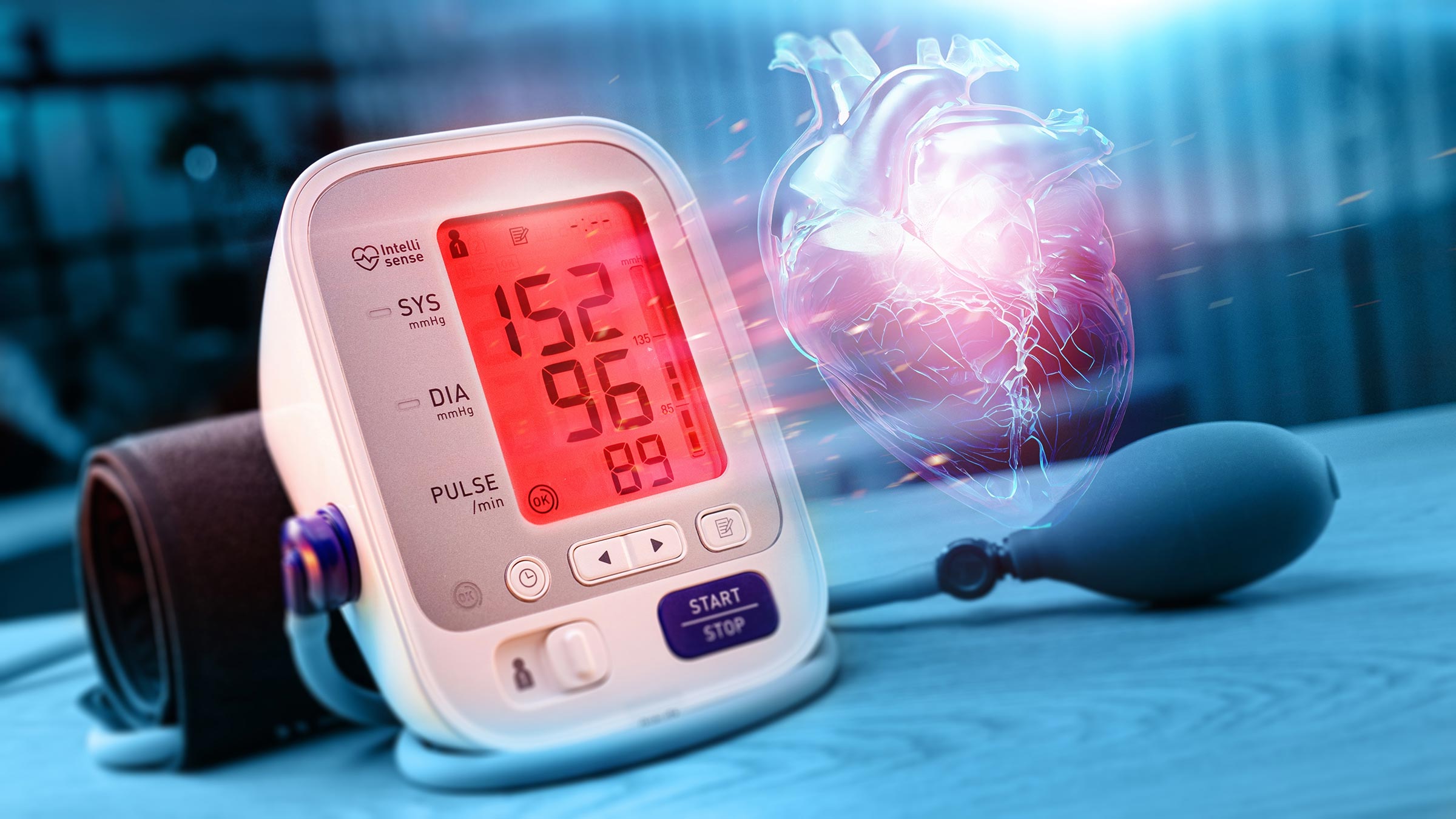
Acupuncture for blood pressure control involves the stimulation of specific anatomical sites, known as acupoints, to modulate the autonomic nervous system and improve vascular resistance. By 2026, clinical consensus identifies several key points—including LI11 (Quchi), ST36 (Zusanli), and LV3 (Taichong)—as effective complementary tools for managing hypertension alongside standard medical care.
Hypertension, or chronically elevated blood pressure, remains one of the most significant global health challenges in 2026. While pharmacological interventions are the gold standard for treatment, an increasing number of patients and practitioners are turning to Traditional Chinese Medicine (TCM) to enhance cardiovascular health. Acupuncture does not merely "mask" symptoms; it aims to recalibrate the body’s internal regulatory systems. This article explores the specific acupuncture points used for blood pressure control, the physiological mechanisms behind their efficacy, and the practical considerations for incorporating this ancient practice into a modern wellness regimen.
The Physiological Mechanism: How Acupuncture Influences Blood Pressure
To understand why specific points are chosen, it is necessary to look at how acupuncture interacts with the human body’s regulatory hardware. In 2026, research continues to emphasize the "neuro-humoral" model of acupuncture. When a needle is inserted into a validated acupoint, it triggers a cascade of signals through the peripheral nervous system to the brain—specifically the hypothalamus and the medulla oblongata.
Autonomic Nervous System Regulation
The primary way acupuncture affects blood pressure is by balancing the sympathetic and parasympathetic nervous systems. Many individuals with hypertension suffer from "sympathetic overactivity," a state where the body is constantly in a "fight or flight" mode, causing the heart to beat faster and blood vessels to constrict. Stimulation of points like PC6 (Neiguan) has been shown to reduce this sympathetic drive, promoting a parasympathetic response that allows blood vessels to dilate and the heart rate to stabilize.
Endocrine and Chemical Modulation
Beyond the nervous system, acupuncture influences the release of specific chemicals. Studies have confirmed that regular sessions can stimulate the release of opioid peptides (such as enkephalins and endorphins) in the brain, which play a role in blood pressure regulation. Additionally, acupuncture helps modulate the Renin-Angiotensin-Aldosterone System (RAAS), the hormonal system responsible for regulating blood volume and systemic vascular resistance. By inhibiting the over-activity of this system, acupuncture helps prevent the kidneys from retaining excess salt and water, which otherwise leads to higher pressure.
Key Acupuncture Points for Blood Pressure Control
Practitioners select points based on a combination of classical TCM theory and modern clinical trial data. The following points are the most frequently cited in contemporary protocols for hypertension management.
1. LI11 (Quchi – Pool at the Bend)
Located at the lateral end of the elbow crease when the arm is flexed, LI11 is perhaps the most famous point for "clearing heat" and lowering blood pressure.
- Anatomical Location: In the depression between the end of the cubital crease and the lateral epicondyle of the humerus.
- Clinical Relevance: LI11 is highly effective for reducing systolic blood pressure. In TCM, hypertension is often categorized as "excess heat" or "Liver Yang rising," and LI11 acts as a primary vent for this excess energy. From a Western perspective, it is thought to stimulate the radial nerve branch, influencing systemic vascular tone.
2. ST36 (Zusanli – Leg Three Miles)
Located on the lower leg, about four finger-widths below the kneecap and one finger-width to the outside of the shinbone, ST36 is a powerhouse for overall homeostasis.
- Anatomical Location: 3 cun below ST35, one finger-width lateral to the anterior crest of the tibia.
- Clinical Relevance: While often used for digestive issues, ST36 is essential in blood pressure control because it strengthens the "Qi" (vital energy) and blood. It helps stabilize the body's response to stress, preventing the sharp spikes in pressure often seen in labile hypertension.
3. LV3 (Taichong – Great Surge)
Found on the top of the foot in the hollow between the big toe and the second toe, LV3 is the primary point for regulating the Liver meridian.
- Anatomical Location: On the dorsum of the foot, in the hollow distal to the junction of the first and second metatarsal bones.
- Clinical Relevance: In the 2026 clinical landscape, LV3 is frequently used for stress-induced hypertension. It is particularly effective at treating the headaches, dizziness, and irritability that often accompany high blood pressure. By "subduing" the Liver Yang, it helps lower the force of blood against the arterial walls.
4. PC6 (Neiguan – Inner Pass)
Located on the inner forearm, two inches above the wrist crease between the two tendons.
- Anatomical Location: 2 cun above the transverse crease of the wrist, between the tendons of m. palmaris longus and m. flexor carpi radialis.
- Clinical Relevance: This point is vital for cardiovascular health. It directly influences the heart's rhythm and the flexibility of the blood vessels. It is often the point of choice for patients whose blood pressure fluctuates due to anxiety or emotional distress.
5. KD3 (Taixi – Great Stream)
Located in the depression between the medial malleolus (inner ankle bone) and the Achilles tendon.
- Anatomical Location: In the depression between the tip of the medial malleolus and the Achilles tendon.
- Clinical Relevance: KD3 is used to "nourish Kidney Yin." As people age, Yin naturally declines, which can lead to a type of hypertension characterized by a high diastolic reading and a feeling of "empty heat" (night sweats, dry mouth). Strengthening this point helps provide the "cooling" moisture the body needs to keep pressure in check.
Summary Comparison of Primary Acupoints
The following table summarizes the primary points and their specific roles in blood pressure management as of 2026.
| Point Code | Common Name | Location | Primary Function for BP | Recommended Use Case |
|---|---|---|---|---|
| LI11 | Quchi | Elbow | Clears heat, lowers systolic BP | High systolic pressure, inflammation |
| ST36 | Zusanli | Below Knee | Homeostasis, tonifies Qi | Chronic fatigue with hypertension |
| LV3 | Taichong | Top of Foot | Subdues Liver Yang, reduces stress | Stress-induced spikes, headaches |
| PC6 | Neiguan | Inner Wrist | Calms the heart, regulates rhythm | Anxiety-linked BP, palpitations |
| KD3 | Taixi | Inner Ankle | Nourishes Yin, balances fluids | Age-related hypertension, dry symptoms |
| KD1 | Yongquan | Sole of Foot | Grounds energy, lowers "rising" Qi | Emergency grounding for high pressure |
Acupuncture vs. Acupressure: Can You Do It Yourself?
While professional acupuncture involves the use of sterile, thin needles to reach specific depths, acupressure is a viable alternative for daily maintenance. In 2026, many physicians recommend "lifestyle acupressure" as a bridge between professional treatments.
To perform acupressure for blood pressure control, apply firm, steady pressure to the points mentioned above (particularly LV3 and LI11) for 2–3 minutes each. Using a circular motion can help stimulate the nerve endings. While acupressure is generally less potent than needle-based acupuncture, its cumulative effect over weeks and months can contribute to a more stable blood pressure profile. However, it should never be used as a replacement for prescribed antihypertensive medication without professional consultation.
Clinical Evidence and Safety Considerations
By 2026, several large-scale meta-analyses have solidified acupuncture's role in integrative cardiology. Significant findings indicate that acupuncture is most effective for patients with Stage 1 hypertension (readings between 130/80 and 139/89 mmHg) or as an adjunct therapy for those whose pressure is not fully controlled by a single medication.
Is it Safe?
Acupuncture is remarkably safe when performed by a licensed professional. The most common side effects include minor bruising or soreness at the needle site. However, for those with blood pressure concerns, there are specific precautions:
- The "Rebound" Effect: In rare cases, blood pressure may temporarily fluctuate immediately after a session. It is important to rest for 15 minutes following treatment.
- Pregnancy: Certain points used for blood pressure, such as LI11, must be used with extreme caution or avoided entirely during pregnancy as they may induce labor.
- Blood Thinners: If you are taking anticoagulants (common for heart patients), inform your acupuncturist to minimize the risk of bruising.
Integrating Acupuncture into a 2026 Healthcare Plan
Acupuncture is most successful when it is part of a "multi-modal" approach. To achieve lasting blood pressure control, the following steps are recommended:
- Consult Your Physician: Ensure your doctor is aware you are adding acupuncture to your routine. They may need to monitor your pressure more frequently to adjust medication dosages as your readings improve.
- Frequency of Treatment: For blood pressure control, a typical protocol involves 1–2 sessions per week for 6–8 weeks, followed by a maintenance phase of one session per month.
- Data Tracking: Use a digital blood pressure monitor to track your readings at home. Note any changes that occur on the days you receive acupuncture.
- Diet and Lifestyle: Acupuncture works best when the body has the right "fuel." A low-sodium diet (DASH diet) and regular aerobic exercise synergize with the nervous-system-calming effects of the needles.
Frequently Asked Questions
Can acupuncture replace my blood pressure medication?
Acupuncture should not be viewed as an immediate replacement for medication. In 2026, it is primarily used as a complementary therapy. Some patients, under strict medical supervision, find they can reduce their dosage after several months of successful acupuncture treatment, but stopping medication abruptly can lead to dangerous "rebound hypertension."
How soon will I see results after starting acupuncture?
Some patients experience a "calming effect" and a slight drop in pressure immediately after the first session. However, for a sustained, clinically significant reduction in blood pressure, it typically takes 6 to 10 sessions. The body needs time to "re-learn" how to regulate its autonomic nervous system.
Does the treatment hurt?
Acupuncture needles are hair-thin and vastly different from the needles used for shots or blood draws. Most people feel only a slight tingling sensation or a dull ache (known in TCM as De Qi) when the needle reaches the correct depth. Most patients find the sessions deeply relaxing, often falling asleep during treatment.
Are there specific points to avoid?
While most points are safe, individuals with hypertension should avoid intense, painful stimulation. High-intensity stimulation can occasionally trigger a stress response that temporarily raises blood pressure. A skilled practitioner will use a gentle technique to ensure the nervous system remains in a relaxed state.
Can I use a TENS unit on these points?
Yes, Electro-acupuncture or the use of a TENS (Transcutaneous Electrical Nerve Stimulation) unit on points like ST36 and PC6 is a common practice in 2026. This provides continuous, controlled stimulation that some studies suggest is even more effective than manual needling for long-term blood pressure modulation.
Recommendation for Next Actions
If you are looking to manage your blood pressure using acupuncture, your first step should be to find a Licensed Acupuncturist (L.Ac.) who specializes in internal medicine or cardiovascular health. Before your first appointment, keep a 7-day log of your blood pressure readings to provide the practitioner with a baseline. During your initial consultation, discuss your current medications and any history of heart disease to ensure the most effective and safe point selection. Remember that consistency is the key; the benefits of acupuncture for hypertension are cumulative, and regular "tune-ups" are essential for maintaining vascular health.