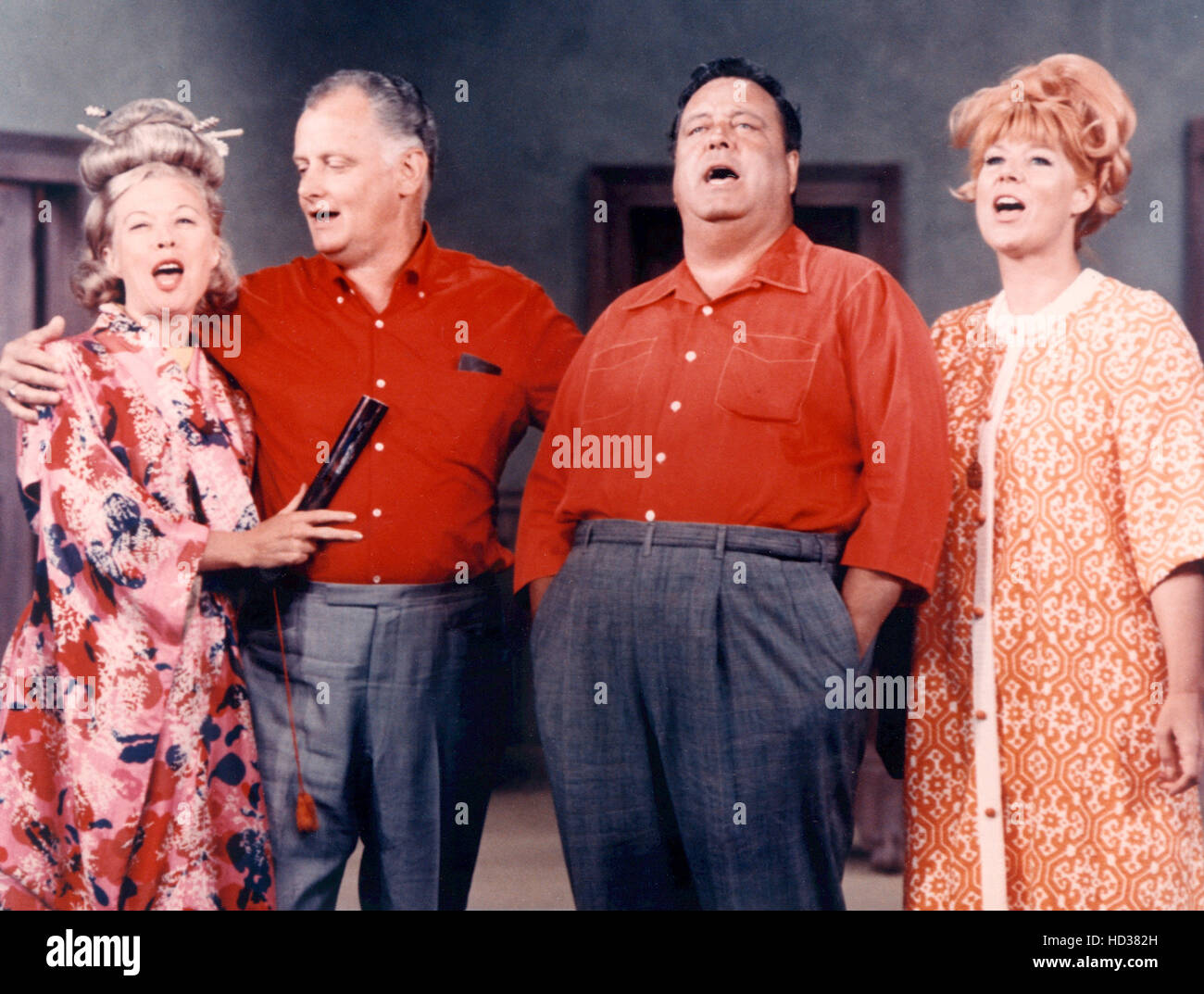
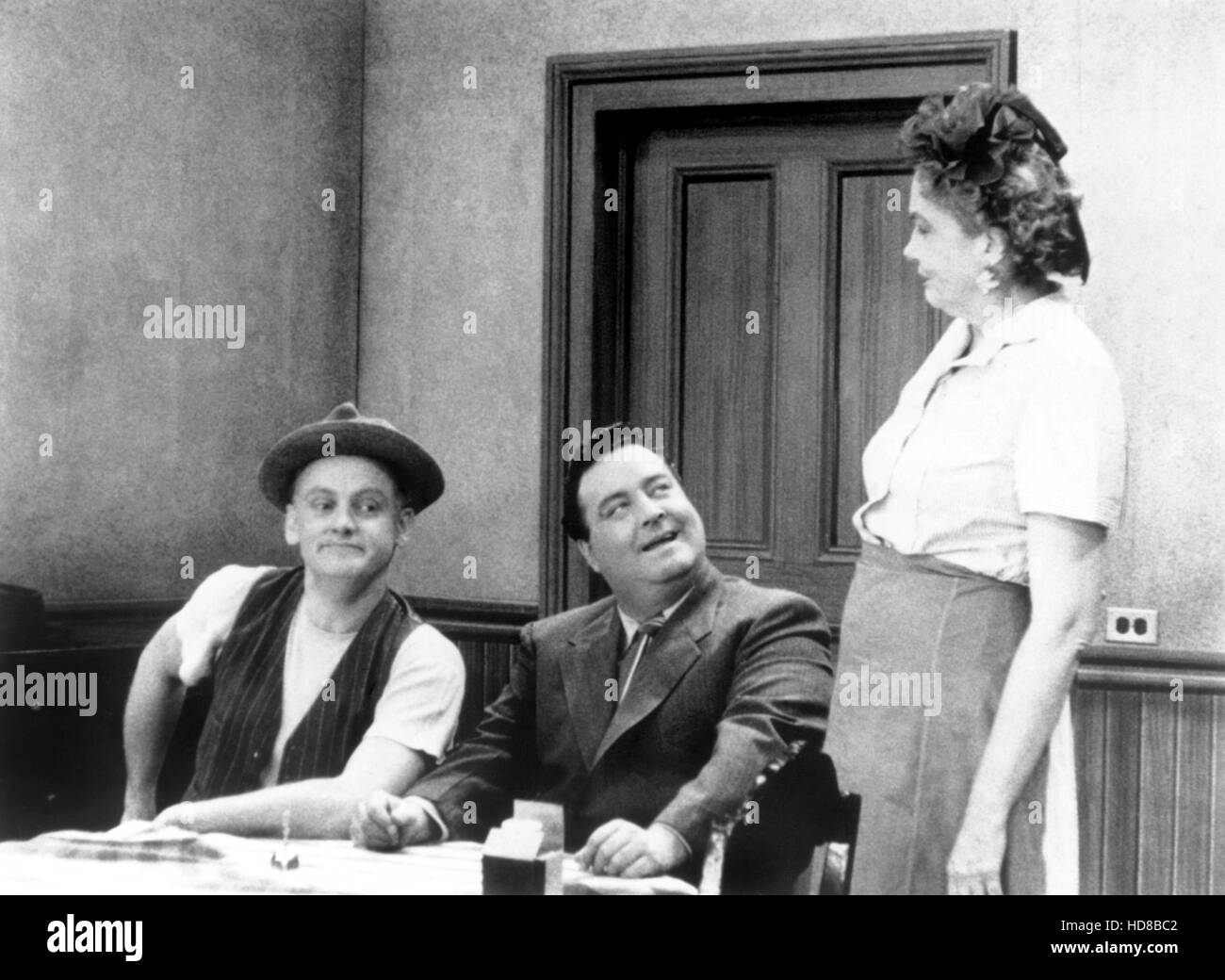
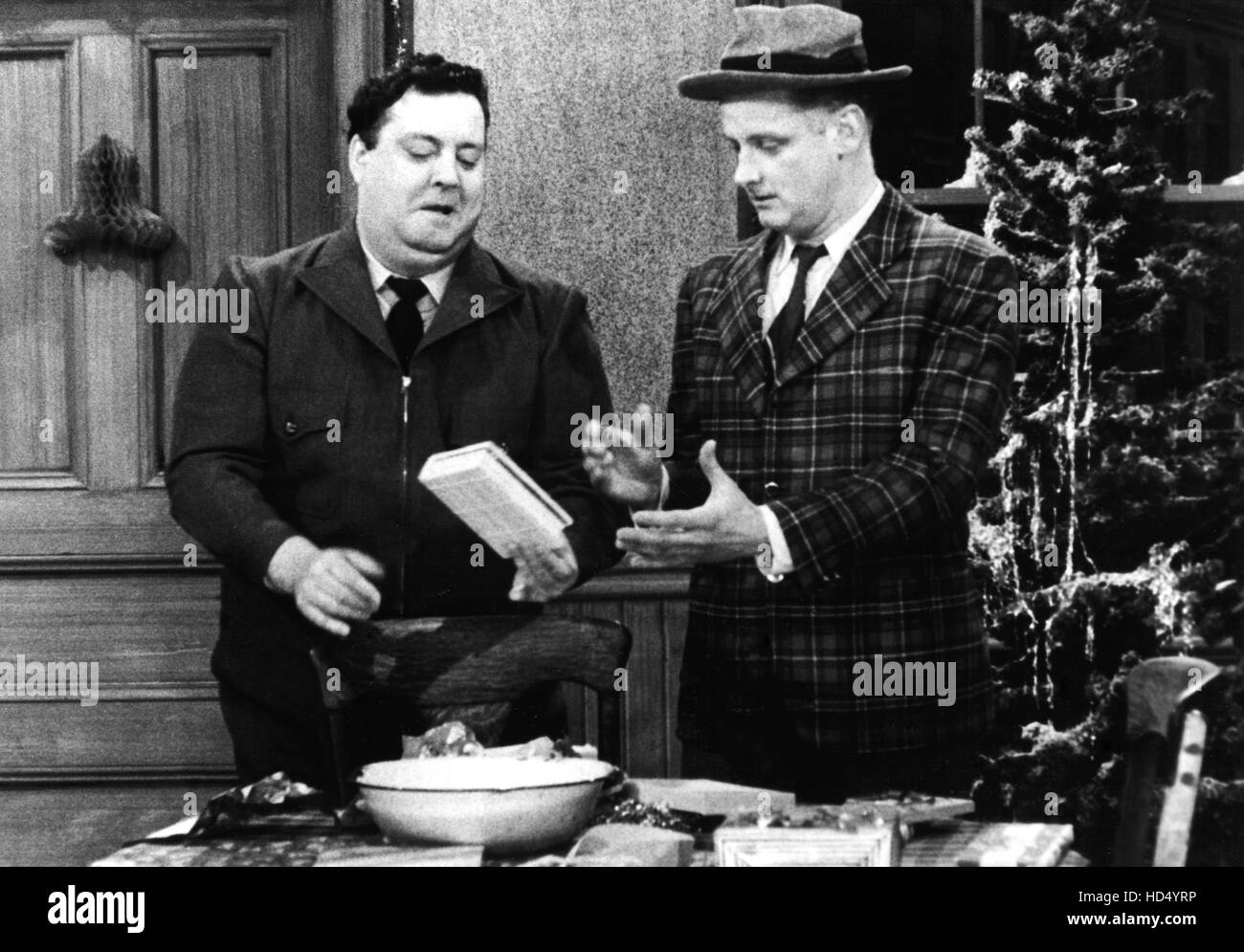
Art Carney, a quintessential figure in the golden age of American television, is best remembered as the iconic Ed Norton in The Honeymooners. His nuanced performance redefined the sitcom sidekick, blending physical comedy with genuine pathos. Beyond his most famous role, Carney’s career spanned decades of radio, theater, and film, culminating in an Academy Award for Best Actor in 1974.
The Origins of a Versatile Talent
Born Arthur William Matthew Carney in 1918 in Mount Vernon, New York, he possessed a natural inclination toward performance that was honed during the era of big bands and radio. Before he became a household name, Carney was a skilled mimic and radio performer. His breakthrough in radio began with the Horace Heidt orchestra, where his ability to voice a wide array of characters—from the elderly to the absurd—established him as a standout talent. This foundation in radio acting served as the training ground for the vocal dexterity he would later bring to television.
The transition from radio to television in the late 1940s allowed Carney to develop the physical comedy that would define his most famous character. He did not merely rely on dialogue; he utilized his lanky frame and expressive face to convey humor in ways that surpassed the scripts of the time. His early television work on The Cavalcade of Stars demonstrated a unique chemistry with Jackie Gleason, setting the stage for one of television's most enduring partnerships.
The Honeymooners: The Anatomy of Ed Norton
The character of Ed Norton—the sewer worker and upstairs neighbor to Ralph Kramden—remains a masterclass in character acting. When The Honeymooners premiered as a standalone half-hour series in 1955, it arrived with a depth that was rare for sitcoms of that decade. Carney’s portrayal of Norton was characterized by a distinct lack of irony; he played the man with total sincerity.
Central to Norton’s comedic appeal were his physical mannerisms. His rhythmic, slightly off-kilter way of moving, his signature "pitter-patter" walk, and the exaggerated, rhythmic arm movements he employed while talking—often miming the act of typing or sorting—gave the character a tactile reality. Norton was not just a sidekick; he was the foil to Ralph Kramden’s explosive temper. While Kramden shouted and schemed, Norton remained calm, often inadvertently infuriating his friend with his oblivious optimism and bizarre hobbies.
This dynamic proved essential to the show’s longevity. Even in 2026, viewing the original "Classic 39" episodes of The Honeymooners reveals how Carney’s timing allowed the show to function almost like a vaudeville routine. He understood that comedy is often found in the silence between lines, and his reactions to Gleason’s manic outbursts became the heartbeat of the show.
Career Evolution: Beyond the Sewer
While Ed Norton made him a legend, Carney fought against the limitations of typecasting throughout his life. He was a versatile actor of the stage and screen, possessing a dramatic range that many of his television contemporaries lacked.
In 1965, Carney starred in the original Broadway production of Neil Simon's The Odd Couple, playing Felix Unger. This role allowed him to showcase a different side of his talents: the neurotic, fastidious, and fragile intellectual. His ability to inhabit the character of Felix provided a stark contrast to the blue-collar, easy-going persona of Norton, proving that his comedic timing was grounded in a deep understanding of human frailty.
The peak of his dramatic career arrived in 1974 with the film Harry and Tonto. In the movie, Carney played an elderly man who takes a cross-country trip with his cat after being evicted from his New York apartment. Directed by Paul Mazursky, the film was a departure from the slapstick of his past. Carney’s performance was understated and melancholic, earning him the Academy Award for Best Actor, where he famously bested heavyweights like Jack Nicholson and Al Pacino. This victory solidified his status as a serious actor capable of anchoring a film on his own merits, distinct from the legacy of the Gleason partnership.
Comparison of Career Milestones
To understand the breadth of Art Carney’s influence, it is useful to view his trajectory through the different media platforms he mastered. His transition from the ephemeral nature of radio to the global reach of film demonstrates a rare capacity for adaptation.
| Medium | Character/Role | Primary Appeal | Impact |
|---|---|---|---|
| Radio | Various Voices | Vocal range and mimicry | Established industry reputation |
| Television | Ed Norton | Physicality and timing | Cultural icon status |
| Theater | Felix Unger | Dramatic nuance and neurosis | Critical acclaim for versatility |
| Film | Harry Coombes | Emotional depth and pathos | Academy Award recognition |
The Craft of Comedy: Techniques and Influence
Art Carney’s approach to acting was rooted in the principle of "active listening." In an era where many sitcom performers were focused on delivering the punchline, Carney focused on the setup and the reaction. He famously practiced his movements, treating his physical comedy like a dance. This technical discipline ensured that his humor never felt forced or overly reliant on the script.
For actors and writers studying comedy today, Carney serves as a case study in how to sustain a character over time. He maintained the integrity of Ed Norton while simultaneously ensuring he did not become a caricature. He injected the character with small, humanizing traits—a sudden moment of wisdom, a genuine display of loyalty to his friend, or a fleeting look of confusion—that made the audience care about the character rather than just laugh at him.
Furthermore, Carney’s success was built on his ability to work as part of an ensemble. He understood that in a two-person scene, his job was as much about supporting his partner’s performance as it was about his own. This selflessness is a hallmark of the great character actors of the 20th century.
Preserving a Legacy in 2026
By 2026, the archival preservation of early television has made Art Carney’s work more accessible than ever. With the digitization of the Honeymooners episodes, new generations of viewers can analyze his performance techniques with a precision not possible in previous decades. His influence is visible in the way modern "buddy comedies" are constructed, particularly the reliance on contrasting personalities—the loud, hot-headed dreamer versus the calm, often eccentric partner.
However, students of the craft must recognize that Carney’s success was not merely about being funny. It was about his refusal to settle. He consistently took risks, whether it was tackling demanding stage plays or pursuing small-budget, character-driven films after his time on The Honeymooners ended.
Frequently Asked Questions
How did Art Carney’s background in radio influence his acting style? Carney’s radio background necessitated a mastery of vocal range and character development through sound alone. This training meant that even when he moved to television, he had a highly developed sense of timing, pitch, and inflection, allowing him to communicate character depth through delivery before he ever moved his body.
Why is the Ed Norton character considered a benchmark for sitcom sidekicks? Norton moved the sidekick trope away from being a mere prop for the lead actor. Because Carney brought such specificity, intelligence, and physical comedy to the role, Norton became an equal to Ralph Kramden. This partnership created a balanced comedic structure that is still mirrored in modern television writing.
What specific techniques made Carney’s physical comedy effective? Carney utilized a technique of deliberate, rhythmic movement. He treated his body as an instrument, coordinating his walk, gestures, and facial expressions to match the underlying rhythm of a scene. This allowed his physical humor to feel intentional and tightly synchronized with the dialogue, preventing the comedy from becoming chaotic.
How did winning an Academy Award affect Carney’s professional identity? The 1974 Academy Award was a turning point that validated his desire to be recognized as a dramatic actor. It bridged the gap between his fame as a television "clown" and his technical skill as an actor, proving that the skills required for great comedy—timing, empathy, and observation—are the same skills required for great drama.
Recommendations for Further Study
To truly appreciate the range of Art Carney, one should move beyond the most famous Honeymooners clips. Start by watching his performance in the 1974 film Harry and Tonto to witness his ability to carry a quiet, internal narrative. Following this, examine his work on the original The Odd Couple broadcast or recordings, if available, to observe his command of stagecraft.
For those interested in the history of the medium, comparing his radio work—many archives of which are held by the Paley Center for Media—to his later television performances provides a clear view of how his talent evolved from pure vocal performance to a complete, holistic mastery of the screen. Art Carney remains a foundational figure, and his work provides a roadmap for any actor seeking to balance populist success with genuine artistic depth.