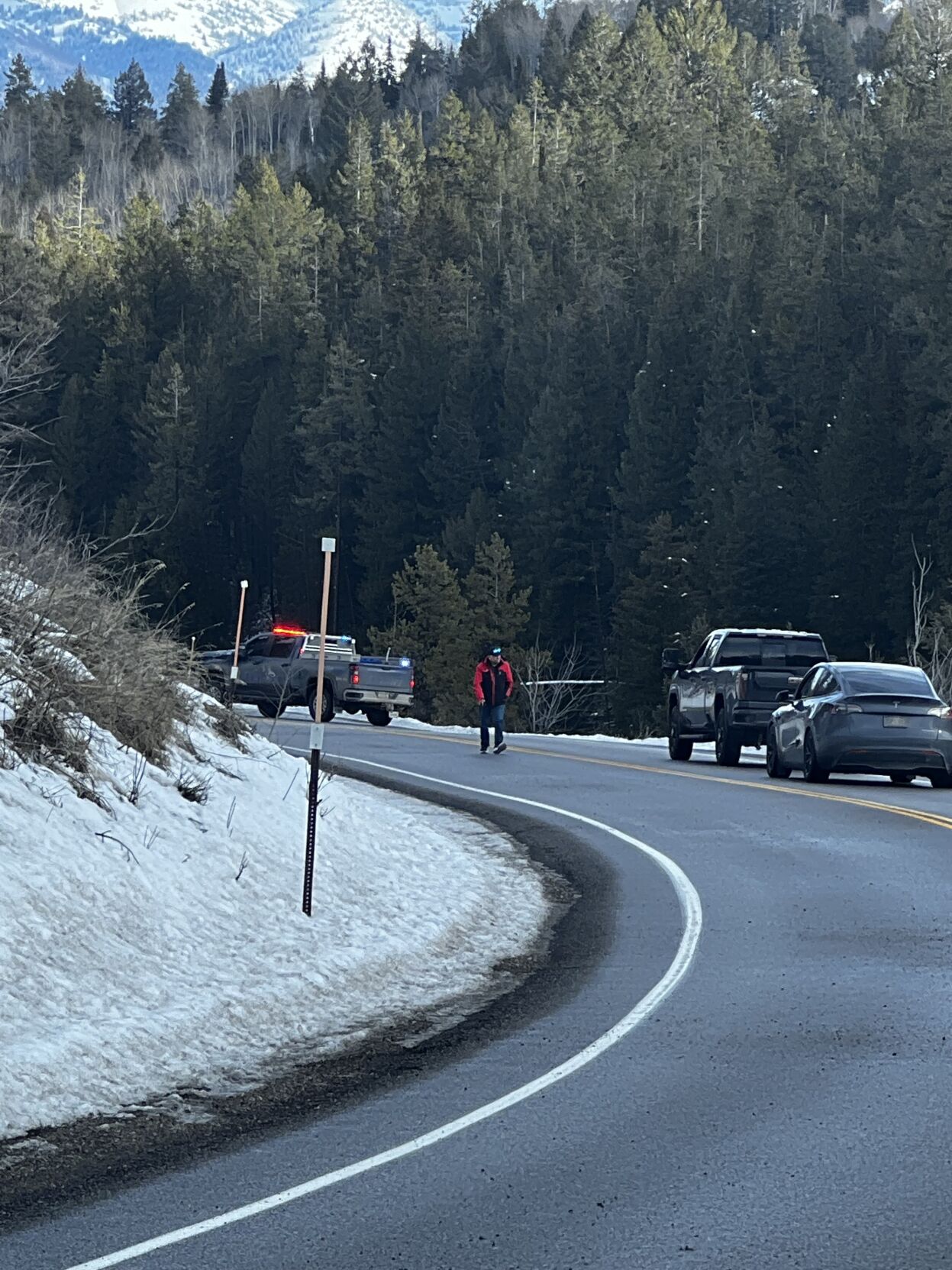
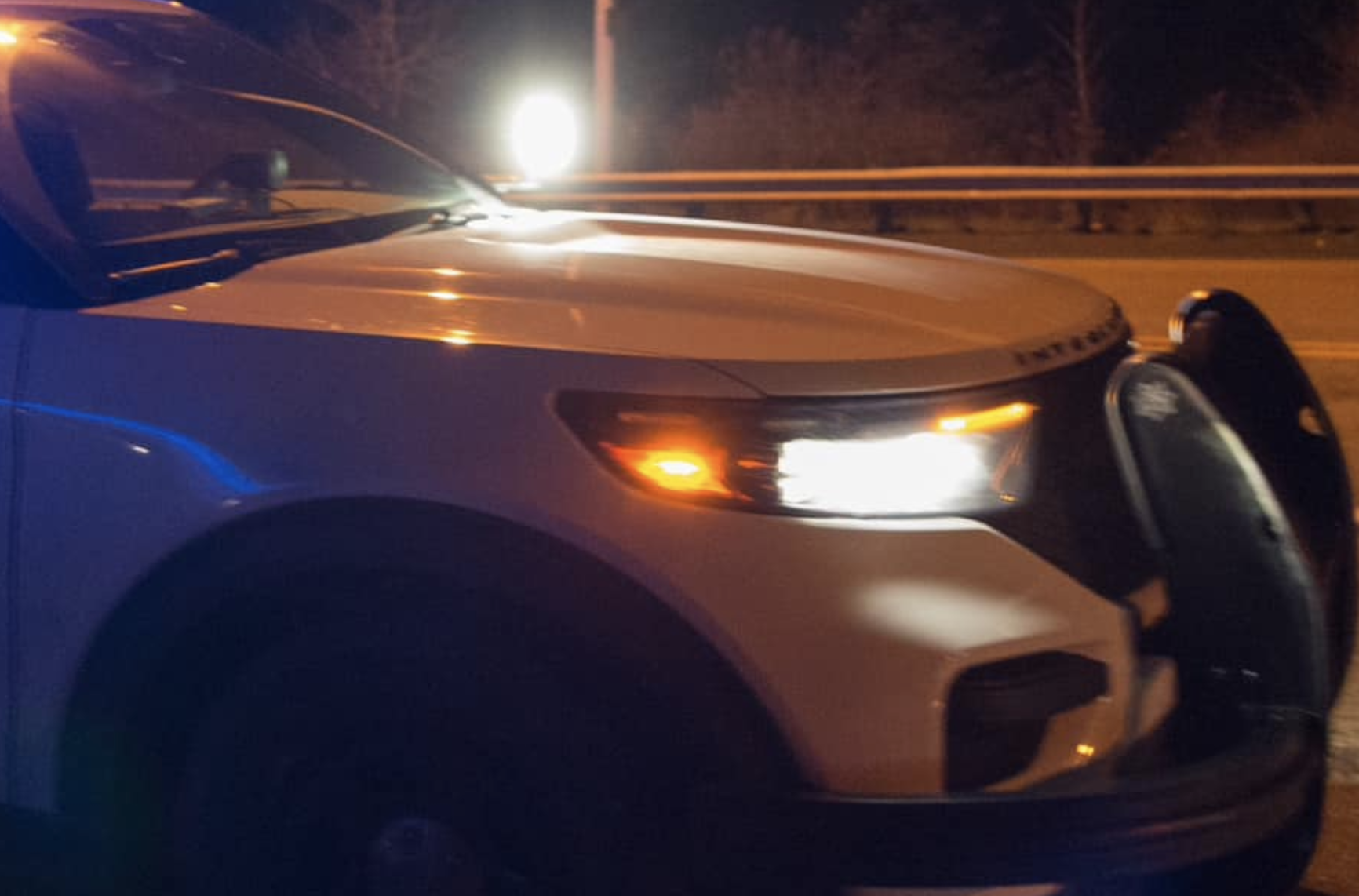
If you are involved in or encounter an accident on Stevens Pass (US-2), your immediate priorities are safety, communication, and compliance with Washington State law. Move your vehicle off the roadway if possible, activate hazard lights, and call 911 to alert the Washington State Patrol. For real-time updates on closures, consult the Washington State Department of Transportation (WSDOT) mountain pass reports or the 511 traveler information system.
Stevens Pass is one of the most scenic yet demanding mountain crossings in the United States. Located in the Cascade Range of Washington State, it carries US Route 2 (US-2) between the Puget Sound region and North Central Washington. While it is a vital artery for commuters, freight, and recreation seekers heading to the Stevens Pass Mountain Resort, the geography and weather of the pass create a high-risk environment for vehicular accidents. Understanding the mechanics of these incidents, the local emergency response infrastructure, and the 2026 safety requirements is essential for anyone traversing this corridor.
Understanding the Risk Profile of Stevens Pass
The frequency of accidents on Stevens Pass is not merely a matter of driver error; it is a confluence of extreme topography and volatile meteorology. Unlike Snoqualmie Pass to the south, which features more lanes and a generally lower elevation at the summit, Stevens Pass is primarily a two-lane highway with steep grades, tight "S" curves, and significant exposure to avalanche paths.
Topographic Hazards and Road Geometry
The ascent from Skykomish on the west side and the descent toward Leavenworth on the east side involve grades that challenge even experienced drivers. In many sections, the road is flanked by sheer rock faces on one side and steep drop-offs on the other. This leaves very little "forgiveness" in the event of a skid. In 2026, while infrastructure improvements continue, the fundamental nature of the pass remains a high-mountain environment where lane deviation often results in a collision with fixed objects or other vehicles.
The "Rain-to-Snow" Transition Zone
Stevens Pass sits at an elevation of 4,061 feet. This altitude frequently puts the roadway exactly at the freezing level. It is common for drivers to leave the lowlands in heavy rain only to encounter "black ice" or heavy, wet "Snotter" snow (a local term for slushy, high-moisture snow) within a few miles of the summit. These shifting conditions are the primary cause of multi-vehicle pileups, as traction levels can change within a single turn.
Immediate Steps to Take After an Accident on Stevens Pass
The minutes following an accident in a mountain pass are critical. Because Stevens Pass is a remote area, emergency response times may be longer than in urban centers, and the environment itself can be life-threatening.
Prioritize Scene Safety
The most dangerous place to be after an accident on Stevens Pass is standing on the roadway. Following an initial collision, secondary accidents are highly common as other drivers round corners and lose control on the same ice patch that caused the first incident.
- Stay in the Vehicle if Necessary: If the road is active and visibility is low, it is often safer to remain buckled in your vehicle than to step out into traffic.
- Move to the Shoulder: If your vehicle is operational, move it as far off the travel lane as possible. Washington’s "Steer It, Clear It" law requires drivers to move minor accidents off the roadway to maintain traffic flow and safety.
- Deploy Warning Signals: Use hazard lights, flares, or reflective triangles. In 2026, many newer vehicles have automated emergency lighting, but manual visibility aids are still recommended for mountain travel.
Contacting Emergency Services
Cellular service on Stevens Pass has improved by 2026, but "dead zones" still exist between Skykomish and the summit.
- Emergency Calls: Dial 911 immediately. If you have no signal, look for WSDOT emergency phones or wait for a passing motorist to relay the information.
- Information to Provide: Give your exact milepost (found on small green signs along the highway), the number of vehicles involved, and whether there are injuries or blocked lanes.
- Jurisdiction: The Washington State Patrol (WSP) has primary jurisdiction over US-2 accidents. Depending on the location, you may also see response teams from the King County Sheriff’s Office or the Chelan County Sheriff’s Office.
WSDOT Protocols and Road Closures
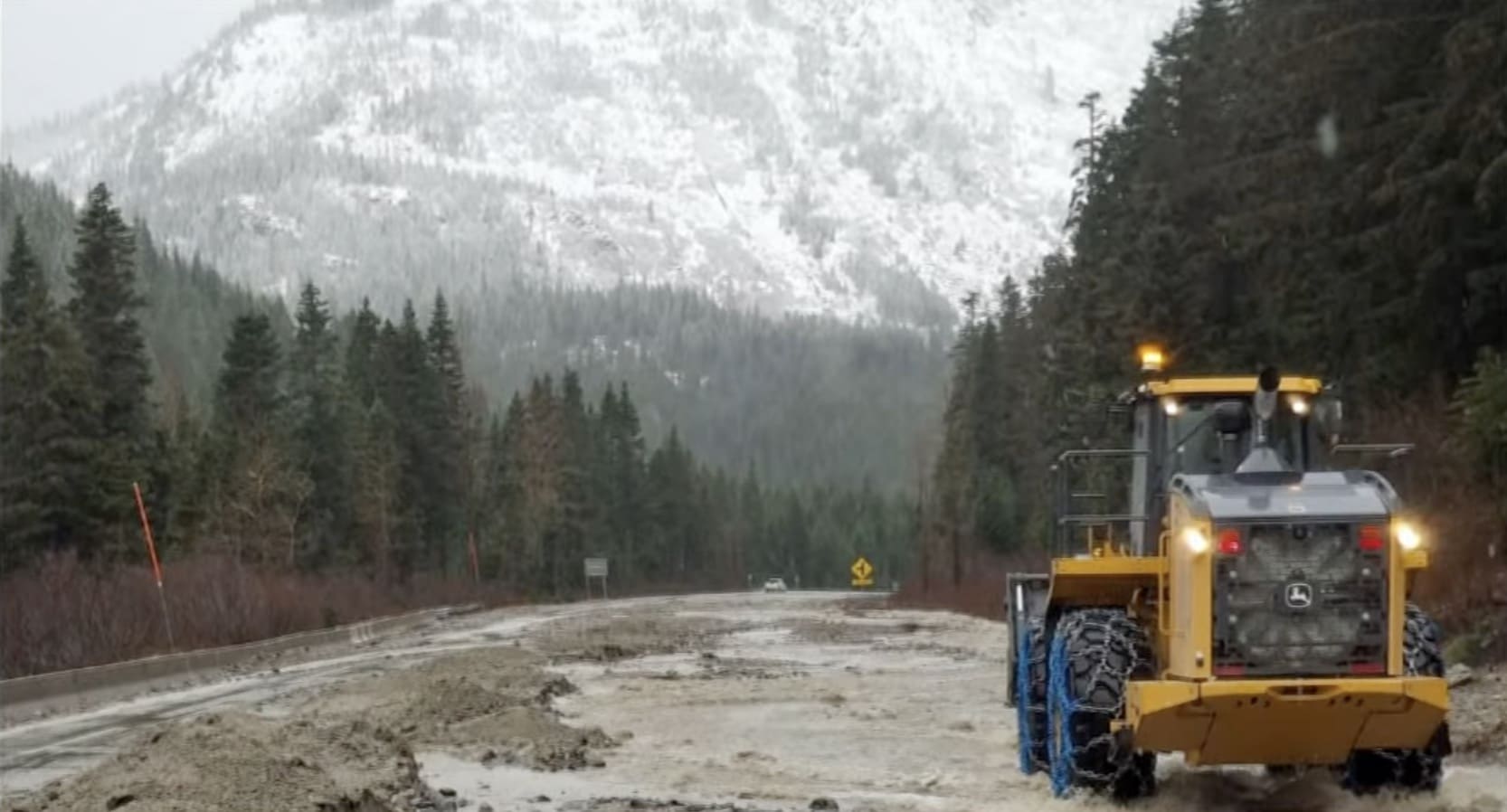
When a significant accident occurs on Stevens Pass, WSDOT frequently implements a full or partial road closure. These closures are not only for clearing the wreckage but often for the safety of the responders and to prevent further incidents during heavy snowfall.
The Role of Avalanche Mitigation
Stevens Pass is home to dozens of active avalanche paths. Heavy snow often necessitates "Proactive Closures" where WSDOT crews use explosives to trigger controlled slides. If an accident occurs during a period of high avalanche danger, the road may remain closed long after the vehicles are cleared to allow for these safety measures. In the 2025-2026 winter season, WSDOT has refined its notification system, providing more granular data via their mobile app regarding the estimated duration of these closures.
Traction Requirements and Enforcement
A major factor in many Stevens Pass accidents is the failure to adhere to traction requirements. Washington state law is strict regarding these regulations, and the WSP frequently sets up checkpoints at the base of the pass.
- Traction Advised: Oversized vehicles must chain up; all others should have winter tires.
- Tires/Chains Required: All vehicles must have approved traction tires. Vehicles over 10,000 lbs must carry or use chains.
- Chains Required on All Vehicles: Even AWD and 4WD vehicles must install chains. Failure to comply with these orders often results in a $500 fine if you cause an accident that blocks the highway.
2026 Washington State Pass Comparison
Choosing the right route can mitigate your risk. The following table compares Stevens Pass with neighboring mountain crossings under typical winter conditions.
| Feature | Stevens Pass (US-2) | Snoqualmie Pass (I-90) | White Pass (US-12) |
|---|---|---|---|
| Elevation | 4,061 Feet | 3,022 Feet | 4,500 Feet |
| Road Type | Mostly 2-Lane Highway | Multi-Lane Interstate | 2-Lane Highway |
| Accident Risk | High (Narrow/Curvy) | Moderate (High Volume) | Moderate (Lower Volume) |
| Closure Frequency | Frequent (Snow/Slides) | Occasional (Traffic/Ice) | Low (Less Traffic) |
| Response Time | Moderate to Long | Fast (Dedicated Patrols) | Long |
| Resort Access | Stevens Pass Resort | Summit at Snoqualmie | White Pass Ski Area |
Mechanical Preparedness and Accident Prevention
Preventing an accident on Stevens Pass begins before you leave your driveway. Because of the "micro-climates" on the pass, your vehicle must be equipped for the worst-case scenario.
The Three-Peak Mountain Snowflake (3PMSF) Standard
By 2026, "All-Season" tires are increasingly recognized as insufficient for Stevens Pass. Drivers are encouraged to use tires with the Three-Peak Mountain Snowflake symbol. These tires are specifically tested for acceleration on packed snow and provide significantly better lateral grip than standard M+S (Mud and Snow) tires. If you are involved in an accident and are found to be using sub-standard tires during a traction requirement period, it can negatively impact your insurance liability.
Essential Emergency Kit for Stevens Pass
If an accident blocks the pass, you could be stranded in your vehicle for several hours. Your kit should include:
- Thermal Blankets: Hypothermia is a genuine risk in mountain corridors.
- Shovel and Sand/Grit: To help extricate your vehicle if you slide into a snowbank.
- Extra Food and Water: Sufficient for at least six hours.
- External Power Bank: To keep your mobile device charged for emergency updates and GPS.
- Full Fuel Tank: Never attempt Stevens Pass with less than half a tank of fuel; idling during a closure consumes significant amounts of gas.
Legal and Insurance Implications of a Mountain Accident
Accidents on mountain passes often involve "comparative negligence." Because the environment is inherently dangerous, insurance adjusters and the Washington State Patrol look closely at whether the driver was exercising "reasonable care" for the conditions.
Determining Liability
If you are traveling at the posted speed limit (e.g., 60 mph) during a snowstorm and lose control, you can still be cited for "Speed Too Fast for Conditions." In the eyes of the law, the posted limit is for ideal conditions. Most Stevens Pass accidents result in a citation for the party that lost traction, as the driver is responsible for maintaining control regardless of the ice.
Documentation for Claims
Because mountain weather can change rapidly, documenting the scene is vital for insurance purposes.
- Photo Evidence: Capture the road surface, the presence of snow or ice, and any signage regarding traction requirements.
- Dashcam Footage: By 2026, dashcams are a standard recommendation for mountain commuters. High-definition footage of the moments leading up to the accident can prove that another driver’s erratic behavior—rather than just the ice—was the primary cause.
- Witness Information: Collect contact details from other drivers who stopped. In the chaos of a mountain pass accident, people often leave quickly once they see the situation is being handled.
Frequently Asked Questions
What is the most common cause of accidents on Stevens Pass?
The most common cause is "Speed Too Fast for Conditions," often combined with improper tire equipment. Drivers coming from the dry or rainy lowlands often fail to slow down sufficiently as they reach the freezing zone near the Skykomish or Merritt areas. This leads to a loss of traction in curves where the road is banked steeply.
Who should I call if I see an accident but am not involved?
If you witness an accident, do not stop on the roadway unless it is safe to do so and you are prepared to render aid. Stopping on a narrow shoulder can create a new hazard. Instead, continue to a safe area with cell service and call 911. Report the milepost and the severity of the incident.
How long do road closures on Stevens Pass usually last?
A minor accident that requires a tow truck can typically be cleared in 1 to 2 hours. However, if the accident involves a semi-truck or a fatality, or if it occurs during a heavy snow cycle requiring avalanche control, the pass can be closed for 6 to 12 hours or more. WSDOT often provides "Estimated Time of Opening" (ETO) updates on their website.
Does AWD guarantee safety on Stevens Pass?
No. While All-Wheel Drive (AWD) helps with acceleration and "getting moving" in snow, it does not assist with braking or turning on ice. Many accidents on Stevens Pass involve AWD SUVs that were able to reach high speeds but were unable to stop or navigate a corner. Proper winter tires are more important for safety than the drive system of the vehicle.
Are there alternative routes if Stevens Pass is closed due to an accident?
If US-2 is closed, the primary alternatives are I-90 (Snoqualmie Pass) to the south or Highway 20 (North Cascades Highway) to the north. However, Highway 20 is seasonally closed in the winter, meaning I-90 is often the only viable detour. Note that a detour through Snoqualmie Pass can add 2 to 3 hours to your trip depending on your destination.
Recommended Next Actions
Before heading out, check the WSDOT Real-Time Travel Map and the National Weather Service forecast for the Stevens Pass summit. If "Winter Storm Warnings" are in effect and you do not have 3PMSF-rated tires or chains, consider delaying your trip or taking the Amtrak Empire Builder train, which services the route between Everett and Leavenworth. Always inform someone of your expected arrival time and ensure your vehicle's cooling and braking systems are in peak condition to handle the pass's extreme grades.