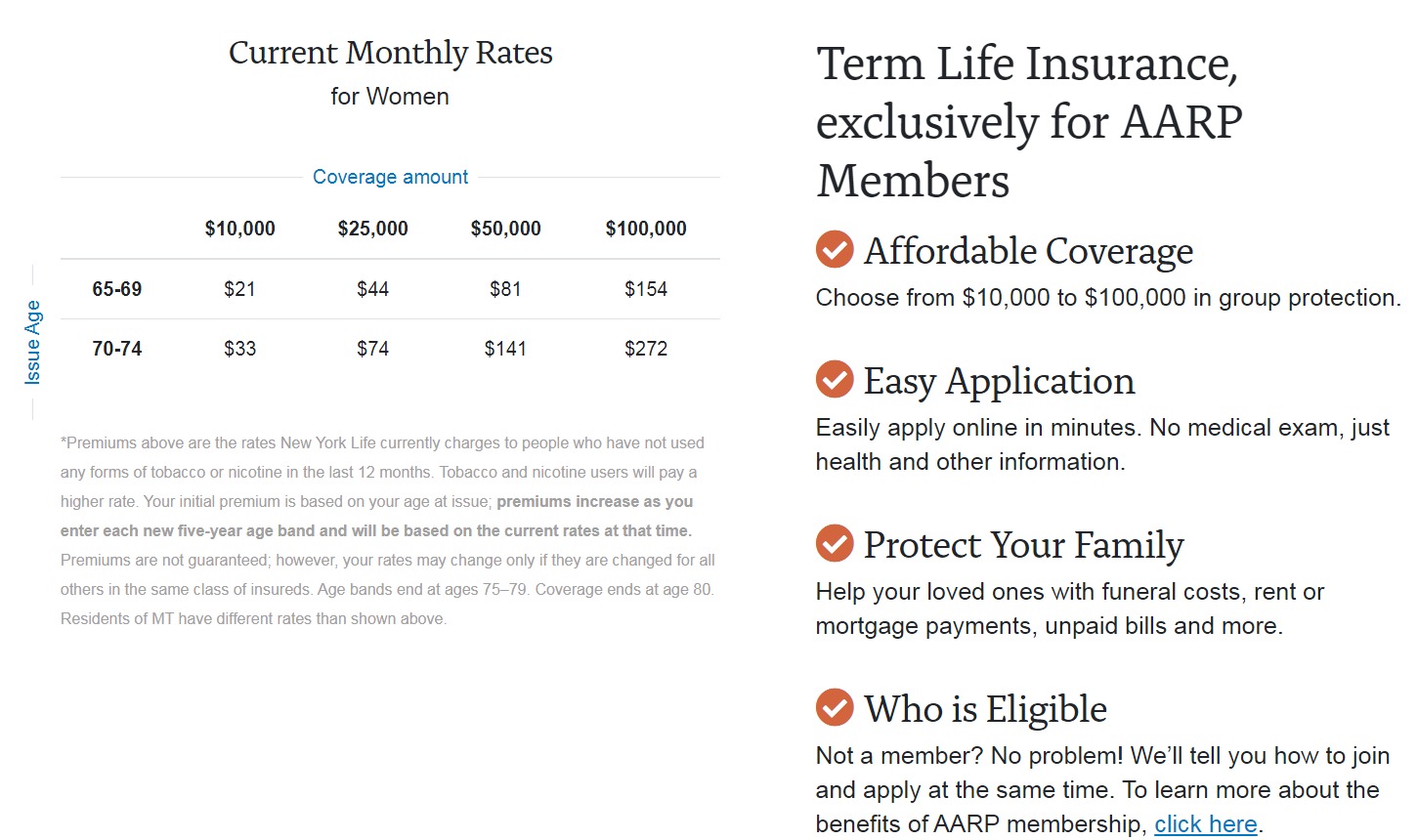
AARP and New York Life are not the same company; they are distinct entities with a specific business partnership. AARP is a non-profit, non-partisan organization that serves people aged 50 and older, while New York Life is a private, mutual life insurance company. New York Life provides the underwritten insurance products that AARP members can access as a membership benefit.
Understanding the Corporate Relationship
To clear up the confusion regarding whether AARP and New York Life are the same entity, it is essential to distinguish between a member organization and a financial services provider. AARP (formerly the American Association of Retired Persons) acts as an affinity group. Its primary function is advocacy, information dissemination, and providing member discounts on various goods and services. AARP does not underwrite its own insurance policies.
New York Life Insurance Company, on the other hand, is a massive, long-standing mutual life insurance company. A "mutual" company is owned by its policyholders, rather than by shareholders on a stock exchange. When you purchase an insurance product through an AARP program, you are entering into a contract with New York Life, not with AARP itself.
The confusion often arises because the products are marketed under the "AARP Life Insurance Program from New York Life." This branding creates an association where the two names appear inextricably linked. While AARP selects New York Life as the provider to offer specific life insurance products to its members, the legal and financial obligations of the insurance contract remain solely with New York Life.
How the AARP Life Insurance Program Functions
The program is structured as an affinity benefit. This means that AARP performs the vetting process to choose an insurance carrier that meets their standards for their member demographic. Once a carrier is selected, the carrier—in this case, New York Life—develops products tailored to the needs of the AARP membership base.
Key operational aspects of this relationship include:
- Marketing and Endorsement: AARP promotes these life insurance products to its members through its magazines, website, and email communications.
- Product Development: New York Life creates the terms, premiums, and coverage limits for policies offered through the AARP program.
- Administration: While AARP might facilitate the initial connection, the underwriting, policy issuance, claims processing, and customer support are handled by New York Life or its authorized administrators.
This separation of duties ensures that if a dispute over a claim arises, or if there is a question regarding policy premiums, the policyholder deals with New York Life’s representatives, not AARP staff.
Distinguishing Between "Direct" and "Program" Insurance
It is helpful to understand the difference between purchasing a policy directly from New York Life versus purchasing through the AARP Life Insurance Program.
When you purchase a policy directly from a New York Life agent, you may have access to a broader range of insurance products, such as whole life, universal life, and complex variable universal life policies. These are often fully underwritten, meaning they require extensive medical exams and health history reviews.
The products available through the AARP Life Insurance Program are often more streamlined, focusing on accessibility for the 50-plus demographic. These may include Guaranteed Acceptance Life Insurance or Simplified Issue Term Life Insurance. Because these products are designed for a specific membership group, the application process is typically faster and may require fewer medical disclosures than a standard, fully underwritten policy purchased in the private market.
Comparison of Roles and Responsibilities
| Feature | AARP | New York Life |
|---|---|---|
| Entity Type | Non-profit organization | Mutual insurance company |
| Primary Goal | Advocacy and member benefits | Underwriting and risk management |
| Role in Insurance | Marketer and endorser | Insurer and contract holder |
| Regulatory Body | N/A (Federal/State non-profit laws) | State Departments of Insurance |
| Liability | None for insurance payouts | Full liability for claims |
Why the Distinction Matters for Policyholders
Understanding that you are a client of New York Life—not AARP—is vital for several practical reasons.
First, consider the regulatory environment. Insurance products are regulated by state departments of insurance. If you have a grievance with your life insurance policy, you must look to your state’s insurance commissioner, not to AARP. AARP does not have the legal authority to adjust claims or resolve disputes regarding the financial terms of an insurance policy.
Second, consider portability. If you were to drop your AARP membership, your existing life insurance contract with New York Life generally remains in effect, provided you continue to pay your premiums. The contract is between you and the insurance company, independent of your status as an AARP member.
Third, consider financial stability. When evaluating the safety of your insurance, you should check the financial strength ratings of New York Life (provided by agencies like AM Best, Moody’s, or Fitch). These ratings are not a reflection of AARP’s financial health, but rather an assessment of New York Life's ability to pay out future death benefits.
Common Questions Regarding the AARP-New York Life Partnership
Does my AARP membership fee pay for my insurance premiums? No. Your AARP membership fee is a separate charge that grants you access to the organization's advocacy, content, and various member discounts. Your insurance premiums are paid directly to New York Life to cover the cost of your specific insurance policy.
Can I get a better deal by going to New York Life directly? The products offered through the AARP program are generally exclusive to that program. You often cannot "buy" the same AARP-branded policy by walking into a local New York Life agent’s office. You might find different, perhaps more comprehensive, products by working with a New York Life agent directly, but those products will have different eligibility requirements and underwriting criteria than the AARP-endorsed plans.
What happens to my insurance if AARP ends its contract with New York Life? Even if AARP were to end its partnership with New York Life, your existing life insurance policy remains a binding legal contract. New York Life is still obligated to fulfill the terms of the policy as long as you maintain the premium payments, regardless of the status of their marketing agreement with AARP.
Is the "AARP Life Insurance" automatically better than other policies? Not necessarily. "Better" depends on your individual health status, age, and financial goals. The AARP-endorsed policies are often prized for their ease of access for older individuals who might struggle to qualify for traditional life insurance. However, they may not be the most cost-effective option for a healthy 50-year-old who can qualify for a fully underwritten policy from another carrier. Always compare the coverage, premium costs, and exclusions before purchasing.
Are there medical exams involved? Many products in the AARP Life Insurance Program, such as the Guaranteed Acceptance plans, do not require medical exams or health questions. However, other products within the program, such as term life insurance, may have simplified health questionnaires. Always read the specific terms of the policy offer provided to you by New York Life.
Evaluating Your Options in 2026
In 2026, as you consider your life insurance needs, the partnership between AARP and New York Life represents one of many paths to coverage. If your primary goal is simplicity and an expedited application process, the AARP-endorsed program offers a streamlined experience backed by a company with long-term financial stability.
However, do not let the brand name "AARP" serve as a substitute for professional financial due diligence. Before signing any insurance contract, you should take the following steps:
- Define your coverage need: Determine why you need the insurance (e.g., final expenses, income replacement, or estate planning).
- Compare quotes: Look at both AARP-endorsed products and traditional policies from multiple insurers.
- Review the fine print: Pay close attention to policy exclusions, the definitions of "guaranteed acceptance," and the potential for premiums to increase over time.
- Check financial ratings: Verify the current financial strength rating of the insurer (New York Life) to ensure they have the capacity to pay out death benefits decades into the future.
Ultimately, while the marketing materials may make AARP and New York Life feel like a single unit, viewing them as two separate entities—the affinity group and the insurer—will help you make a more informed, objective decision about your financial protection.