A 9-day Japan tour typically follows the "Golden Route," a high-speed journey connecting the modern metropolis of Tokyo with the cultural heart of Kyoto and the culinary hub of Osaka. This timeframe is ideal for first-time visitors, offering a balanced introduction to Japan's hyper-modern infrastructure and its deeply preserved historical traditions using the Shinkansen (bullet train) network for efficient travel.
Planning a trip to Japan requires more than just picking destinations; it demands an understanding of complex transport networks, seasonal booking windows, and localized etiquette. As of 2026, Japan has fully integrated digital-first tourism services, making it easier than ever to navigate, provided you have the right technical preparations in place before landing at Narita or Haneda.
Defining the "Golden Route" for a 9-Day Framework
The Golden Route is the most popular path for a reason. It maximizes the geographical diversity of Honshu, Japan’s main island, without requiring excessive travel time. In a 9-day window, every hour counts. Attempting to add outlying regions like Hokkaido or Kyushu often results in "transit burnout," where more time is spent in stations than at shrines.
Why 9 Days?
Nine days (effectively 8 nights) allows for a "3-3-2" split: three days in Tokyo, three days in Kyoto, and two days in the Osaka/Nara region, with the final day reserved for departure logistics. This structure accounts for the inevitable jet lag on day one and the "temple fatigue" that often sets in by day seven.
The Definitive 9-Day Itinerary for 2026
Days 1–3: The Tokyo Immersion
Tokyo is not a single city but a collection of distinct urban hubs. For a 9-day tour, focus on the western and eastern poles of the city.
- Day 1: Arrival and Shinjuku. Upon arrival at Narita (NRT) or Haneda (HND), use the Narita Express or Tokyo Monorail to reach the city center. Spend your first evening in Shinjuku. Visit the Tokyo Metropolitan Government Building for free panoramic views of the skyline—on clear days in 2026, visibility remains high enough to see Mount Fuji.
- Day 2: Harajuku, Shibuya, and Meiji Jingu. Start early at Meiji Jingu, a Shinto shrine nestled in a massive forest. Walk through Takeshita Street for youth culture, then head to the Shibuya Crossing. For 2026 travelers, the Shibuya Sky observatory remains the premier spot for photography, but tickets must be booked at least four weeks in advance.
- Day 3: Asakusa and Akihabara. Experience "Old Tokyo" at Senso-ji Temple. In the afternoon, transition to the "Electric Town" of Akihabara. This provides the starkest contrast between Japan’s Buddhist roots and its global leadership in gaming and robotics.
Days 4–6: The Kyoto Cultural Core
On the morning of Day 4, board the Tokaido Shinkansen from Tokyo Station to Kyoto. The journey takes approximately 2 hours and 15 minutes on the Nozomi train.
- Day 4: Southern Kyoto and Fushimi Inari. Walk through the thousands of vermillion torii gates at Fushimi Inari Taisha. In the evening, explore the Gion District. While 2026 regulations continue to restrict access to certain private alleys in Gion to protect geiko (geisha) privacy, the main thoroughfares remain open and vibrant.
- Day 5: Arashiyama and Kinkaku-ji. Visit the Sagano Bamboo Forest early (before 8:00 AM) to avoid the crowds. Follow this with a visit to the "Golden Pavilion" (Kinkaku-ji).
- Day 6: Higashiyama and Kiyomizu-dera. This area represents the quintessential "Old Japan." Walk from Yasaka Shrine through the Sannenzaka and Ninenzaka slopes up to Kiyomizu-dera. The wooden terrace offers views that have remained largely unchanged for centuries.
Days 7–8: Nara and Osaka
Osaka serves as an excellent base for these two days, as it is only 15 minutes from Kyoto by Shinkansen or 45 minutes by local rapid trains.
- Day 7: Nara Day Trip. Nara was Japan’s first permanent capital. The main attraction is Todai-ji Temple, housing one of the world's largest bronze Buddha statues. The surrounding Nara Park is home to over 1,000 "bowing" deer, which are protected as national treasures.
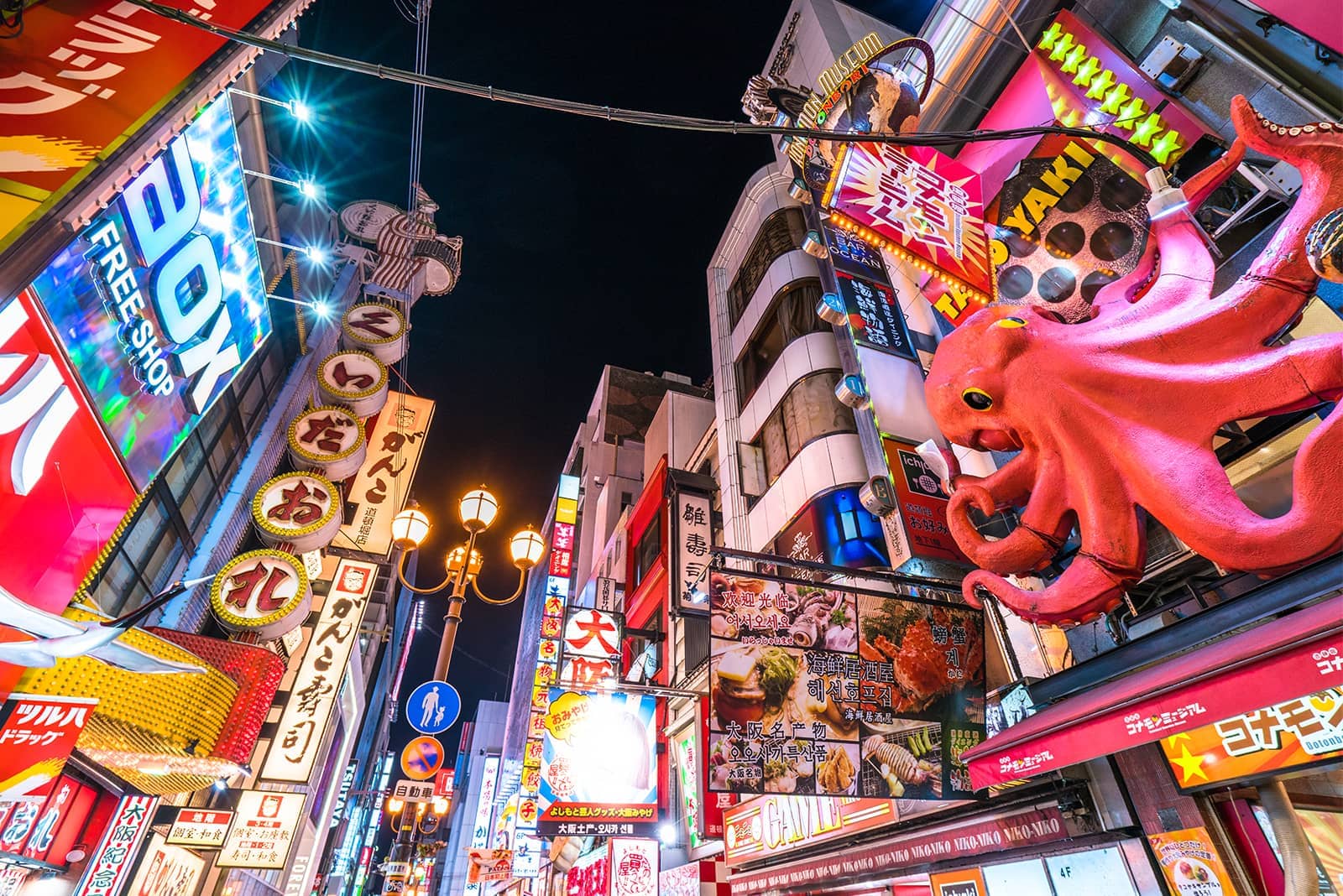
- Day 8: Osaka Modernity and Food. Visit Osaka Castle in the morning, but dedicate your afternoon and evening to Dotonbori. Osaka is known as "Japan’s Kitchen." Prioritize takoyaki (octopus balls) and okonomiyaki (savory pancakes). The atmosphere here is significantly more relaxed and boisterous than in Tokyo or Kyoto.
Day 9: Departure
Most 9-day tours conclude by taking the Haruka Express from Osaka or Kyoto directly to Kansai International Airport (KIX), or returning to Tokyo via Shinkansen for a flight out of Haneda.
2026 Logistics: Transport and Connectivity
The logistical landscape of Japan changed significantly following the 2023 price revisions of the Japan Rail (JR) Pass. In 2026, travelers must calculate their costs more precisely to determine if a nationwide pass is still viable.
The JR Pass vs. Point-to-Point Tickets
The 7-day JR Pass (which would cover the bulk of a 9-day trip) now costs significantly more than it did in the early 2020s. For a standard 9-day Golden Route itinerary, buying individual Shinkansen tickets or utilizing regional passes is often more cost-effective.
| Transport Option | Estimated Cost (2026) | Best For |
|---|---|---|
| Individual Tickets | ¥35,000 – ¥40,000 | Standard Tokyo-Kyoto-Osaka round trip. |
| 7-Day National JR Pass | ¥50,000 (Standard) | High-frequency travel (e.g., adding Hiroshima). |
| Regional JR West Passes | ¥10,000 – ¥20,000 | Concentrated travel around Kyoto, Osaka, and Nara. |
| IC Cards (Suica/Pasmo) | Pay-as-you-go | Local subways, buses, and convenience stores. |
IC Cards and Mobile Integration
In 2026, physical Suica or Pasmo cards are less common for tourists. Most travelers now use mobile IC cards integrated into Apple Wallet or Google Pay. These can be topped up instantly using a credit card and are used for all local transport, eliminating the need to wait in line at ticket machines.
Luggage Forwarding (Takkyubin)
One of the most "technical" secrets of a smooth Japan tour is the Takkyubin service. For approximately ¥2,500 per bag, you can have your luggage shipped from your hotel in Tokyo directly to your hotel in Kyoto. This allows you to travel "hands-free" on the Shinkansen, avoiding the limited luggage rack space on high-speed trains.
Estimated Budget for 2026
Japan is no longer the prohibitively expensive destination it was in the 1990s, but 2026 sees moderate price increases in accommodation and dining due to global inflation.
- Accommodation:
- Budget (Business Hotels/Capsules): $60–$100 per night.
- Mid-range (Standard Hotels): $150–$250 per night.
- Luxury (Ryokans/5-Star): $500+ per night.
- Food:
- Casual (Ramen, Konbini): $30 per day.
- Mid-range (Izakayas, Sushi): $70 per day.
- Fine Dining (Kaiseki, Wagyu): $150+ per meal.
- Activities:
- Most shrines are free or cost ¥500–¥1,000.
- Major attractions (Universal Studios Japan, DisneySea) are approximately $60–$90 per day.
Total Estimated Cost (excluding international flights): A mid-range 9-day tour in 2026 typically costs between $2,200 and $3,000 per person.
Seasonal Considerations: When to Book
The timing of your 9-day tour significantly impacts both the visual experience and the cost.
- Spring (Late March – Early April): Cherry Blossom (Sakura) season. This is the most expensive and crowded time. Flights and hotels for 2026 should be booked by October 2025.
- Autumn (November): Koyo (Autumn Leaves) season. The weather is stable, and the colors in Kyoto are spectacular.
- Winter (January – February): The cheapest time to visit. While cold, cities like Tokyo and Osaka are often sunny and clear.
- Summer (July – August): High humidity and heat. However, this is the season for major festivals (Matsuri) and fireworks displays.
For current visa requirements, travelers should consult the Ministry of Foreign Affairs of Japan.
Critical Prerequisites and Entry Requirements
Before departing for your 9-day tour in 2026, ensure the following are completed:
- Visit Japan Web: This is the official government portal for immigration and customs declarations. Completing this online generates QR codes that significantly speed up your entry process at the airport.
- Pocket Wi-Fi vs. eSIM: Japan has excellent cellular coverage. An eSIM (like Airalo or Ubigi) is the most efficient for individual travelers, while a Pocket Wi-Fi device is better for groups or those needing heavy data for remote work.
- Reservations for Major Attractions: As of 2026, "Overtourism Management" means many sites require timed entry. This includes the Ghibli Museum, teamLab Borderless, and the Kyoto Imperial Palace.
Common Mistakes to Avoid
- Overpacking: Japanese hotel rooms are notoriously small. Large suitcases can be difficult to store.
- Ignoring Local Etiquette: Using a phone on public transport or eating while walking is considered rude.
- Relying Solely on Cash: While Japan was historically cash-heavy, by 2026, most merchants in major cities accept credit cards and IC payments. However, keep ¥10,000 in cash for small rural shrines or local ramen shops.
- Underestimating Walking Distances: A typical 9-day Japan tour involves walking 15,000 to 20,000 steps per day. Proper footwear is a technical requirement, not a suggestion.
FAQs
Is the JR Pass worth it for a 9-day tour in 2026?
Usually, no. For a standard Tokyo-Kyoto-Osaka trip, the cost of individual Shinkansen tickets is lower than the 7-day or 14-day JR Pass. The pass only becomes "profitable" if you add long-distance side trips, such as traveling to Hiroshima, Kanazawa, or northern Tohoku. You can check current pricing and calculate routes via Japan Rail Pass Official.
Can I see Mount Fuji during a 9-day Golden Route tour?
Yes, but it is weather-dependent. The best way to see it without a dedicated detour is to book a seat on the "mountain side" of the Shinkansen (the right side when traveling from Tokyo to Kyoto). Alternatively, a day trip to Hakone or Lake Kawaguchi can be swapped for one of the Tokyo days.
Do I need to speak Japanese to navigate the tour?
No. In 2026, signage in major cities and transit hubs is almost entirely bilingual (Japanese/English). Real-time translation apps and the high level of service in Japanese hospitality (Omotenashi) make it very easy for English speakers to navigate.
How far in advance should I book my 9-day Japan tour?
For travel in 2026, mid-range hotels and popular Ryokans should be booked 4–6 months in advance. For peak seasons like Sakura (late March) or Golden Week (early May), 9–12 months is recommended to ensure availability in central locations.
Is travel insurance necessary for Japan?
Yes. While Japan is incredibly safe, medical costs for foreigners can be high. Ensure your policy covers "medical repatriation" and "emergency medical expenses." Many 2026 travelers use digital nomad-style insurance or standard travel policies that specifically include Japanese healthcare providers.
Final Recommendation
For the most seamless 9-day experience, start in Tokyo and end in Osaka. This "one-way" strategy avoids the cost and time of backtracking to Tokyo for your return flight. Use a mobile IC card for all local transport, utilize luggage forwarding services to move between cities, and prioritize early-morning visits to major shrines to witness Japan’s beauty before the midday crowds arrive.