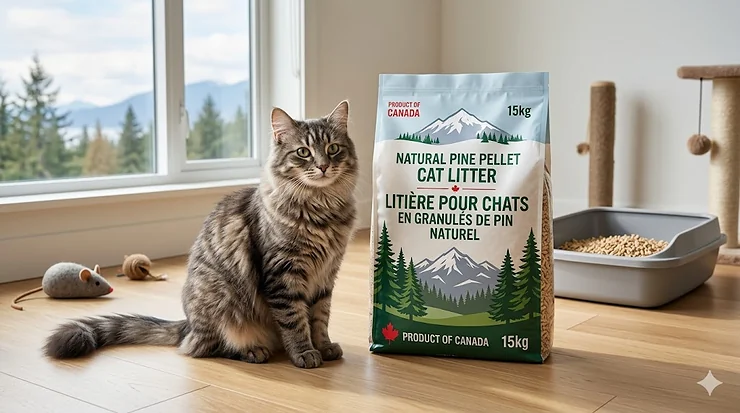
Choosing the right litter for a young cat requires careful consideration of safety, tracking control, and respiratory health, as developing respiratory systems and natural investigative behaviors make kittens uniquely vulnerable to traditional clumping clays. The best kitten litter options prioritize low dust output, non-toxic organic compositions, non-clumping or safely formulated clumping mechanics, and gentle textures that encourage consistent litter box habits.
Bringing a new kitten home involves setting up a safe, welcoming environment, and the litter box is one of the most critical elements of this transition. Selecting the proper substrate helps prevent behavioral issues like inappropriate elimination while keeping your home clean and your pet healthy. Because kittens explore the world with their mouths and paws, their litter choice directly impacts their physical well-being.
Understanding Kitten Litter Requirements
Kittens have vastly different physical needs compared to adult cats. Their bodies are smaller, their immune systems are still developing, and their habits can be unpredictable. When evaluating cat litter for a kitten under six months of age, several biological and behavioral factors must guide your decision.
Safety and Ingestion Risks
Kittens are naturally curious and explore their surroundings through tactile contact and oral investigation. It is common for young cats to accidentally ingest small amounts of litter while grooming their paws or out of sheer curiosity.
Traditional sodium bentonite clay litters expand significantly when exposed to moisture. If a kitten ingests clumping clay, it can absorb internal fluids, swell, and cause severe, potentially life-threatening gastrointestinal blockages. For this reason, many veterinarians recommend non-clumping litters or safely formulated, rapidly dissolving alternative litters for very young kittens until they outgrow the urge to eat non-food items.
Respiratory Sensitivity
A kitten's respiratory tract is delicate. Many conventional clay litters produce a fine silica dust cloud every time the cat scratches or steps into the box, or when you scoop and pour the product. Inhaling this dust can irritate a kitten's sensitive nasal passages and lungs, potentially triggering upper respiratory infections or chronic irritation. Low-dust or dust-free formulas made from paper, wood, or processed grains are significantly safer for respiratory health.
Paw Comfort and Texture Transition
Kittens have soft, tender paw pads. Heavy, sharp crystals or coarse, jagged wood pellets can feel uncomfortable underfoot, leading the kitten to reject the litter box entirely and seek softer surfaces like carpets or bedding. Fine-grained, soft textures mimic the natural feel of soil and sand, making them intuitively attractive to young felines.
The 7 Best Kitten Litter Options
To help you navigate the vast array of commercial products, we have evaluated the top litter options on the market based on safety, texture, dust levels, and ease of cleaning.
1. Dr. Elsey's Precious Cat Attract Kitten Ideal Litter
- Material: Fine-grain natural clay with a natural herbal attractant
- Clumping: Yes (Low-tracking hard clumping)
- Best For: Litter box training and establishing consistent habits
Dr. Elsey's Precious Cat Attract Kitten formulation is specifically engineered for young cats transitioning to a permanent elimination spot. The litter features a smaller particle size and a lighter weight granule than standard adult litters, which is gentler on delicate kitten paws. It includes a natural, herbal grass extract that draws kittens to the box instinctively. While it is a clumping clay litter, it is 95% dust-free and harder-clumping, reducing the risk of tracking. Note: Monitor your kitten closely to ensure they do not consume the clay; transition to a non-clumping paper or wood litter if ingestion occurs.
2. Yesterday's News Unscented Paper Cat Litter
- Material: Recycled paper pellets
- Clumping: Non-clumping
- Best For: Absolute safety against ingestion and post-surgical recovery
Made from soft, post-consumer recycled paper compressed into smooth pellets, Yesterday's News is a staple in veterinary clinics and shelters. Because it contains zero chemicals, artificial fragrances, or toxic dust, it is completely safe if accidentally ingested by a curious kitten. It does not track like clay and is exceptionally gentle on paws. While it lacks odor control compared to clumping varieties and does not form tight clumps, its safety profile makes it the gold standard for young kittens under 12 weeks old.
3. World's Best Cat Litter Kitten Unscented (Corn Litter)
- Material: Sustainable whole-kernel corn
- Clumping: Yes (Fast clumping)
- Best For: Eco-friendly households and flushable convenience
World's Best Cat Litter utilizes compressed corn to create a natural, lightweight clumping litter. The kitten formula features smaller granules than the brand's multi-cat formulas, making it comfortable for small paws. It is completely free of silica dust, synthetic perfumes, and added chemicals, rendering it safer for respiratory tracts than traditional clay. The corn starch binds quickly to moisture, forming solid clumps that are easily scooped. Furthermore, it is flushable in small amounts, though local plumbing guidelines should always be verified.
4. ökocat Natural Wood Clumping Cat Litter
- Material: Crafted from sustainably sourced, reclaimed fallen timber and clean wood fibers
- Clumping: Yes (Precision-cut wood fiber clumping)
- Best For: Superior odor control without artificial additives
ökocat Natural Wood Litter leverages the natural absorption properties of engineered wood fibers to stop liquid and odor on contact. The lightweight formula is free of synthetic chemicals, added fragrances, and toxic inks or dyes. It provides the performance of traditional clumping clay without the heavy weight or dust. The soft, fibrous texture feels natural to kittens, and the superior odor control handles the ammonia smells often associated with kitten diets.
5. Sustainably Yours Pet Care Plus Cat Litter
- Material: Blend of corn and cassava
- Clumping: Yes (Ultra-fast firm clumping)
- Best For: High-performance natural clumping and easy scooping
Sustainably Yours combines two renewable crops—corn and cassava—to create an exceptionally fine-grained, white litter that clumps faster and tighter than almost any other plant-based option on the market. The pale color makes it easy to monitor your kitten's urine for signs of urinary tract issues, such as blood. It is virtually dust-free and biodegradable. The fine texture closely resembles sand, which appeals strongly to a kitten's natural instincts, though its lightweight nature can lead to minor tracking around the box.
6. Purina Tums Beyond Clean & Green Unscented Grass Cat Litter
- Material: Sustainably grown US-farmed natural grass
- Clumping: Yes (Quick-clumping)
- Best For: Soft texture seekers and natural soil simulation
Grass litters have surged in popularity due to their ultra-soft texture, which feels remarkably like outdoor soil or sand. Purina Tums Beyond Clean & Green uses natural grass fibers to create a lightweight, highly absorbent litter that forms firm clumps upon contact with moisture. It is 99% dust-free, protecting sensitive respiratory systems, and contains no added fragrances or harsh chemicals. The fine blades of grass are exceptionally gentle on tiny paws, encouraging even hesitant kittens to use their box reliably.
7. Friskies® Traditional Non-Clumping Clay Litter (Economy Pick)
- Material: Minimized-dust natural clay
- Clumping: Non-clumping
- Best For: Budget-conscious owners looking for a traditional, non-swelling training surface
If you prefer a traditional clay texture without the hazard of sodium bentonite expansion, a screened, non-clumping clay or traditional absorption mineral litter like select economy options can serve as a straightforward training tool. Non-clumping clay absorbs liquid rather than forming solid masses, requiring more frequent complete changes of the litter box to maintain hygiene. It provides a stable, familiar tactile surface for kittens learning the ropes, though care must be taken to choose low-dust formulations to protect small lungs.
Comparison of Top Kitten Litter Options
To determine which product aligns best with your kitten's developmental stage and your household maintenance preferences, review the comparative breakdown below:
| Product Name | Primary Material | Clumping Type | Dust Level | Best Suited For |
|---|---|---|---|---|
| Dr. Elsey's Kitten Attract | Natural Clay | Hard Clumping | Very Low (95%) | Litter box training & box attraction |
| Yesterday's News | Recycled Paper | Non-Clumping | Dust-Free | Absolute ingestion safety & young kittens |
| World's Best Kitten | Whole-Kernel Corn | Fast Clumping | Dust-Free | Eco-friendly homes & flushability |
| ökocat Natural Wood | Reclaimed Wood | Precision Clumping | Low Dust | Natural odor control |
| Sustainably Yours Plus | Corn & Cassava | Ultra-Fast Clumping | Low Dust | Health monitoring (white color) & fine texture |
| Purina Tums Grass | Natural Grass | Quick Clumping | 99% Dust-Free | Ultra-soft paw feel & natural simulation |
| Traditional Non-Clumping Clay | Natural Clay | Non-Clumping | Moderate | Budget training & non-swelling texture |
Safety Guidelines and Best Practices
Managing a kitten's litter box requires more than just picking the right brand. Implementing proper hygiene, safety protocols, and transition strategies will safeguard your pet's health.
Monitoring Ingestion and Elimination Habits
Check your kitten's litter box area frequently during the first few weeks at home. Ensure they are urinating and defecating regularly without straining. If you notice your kitten actively eating mouthfuls of litter, remove clumping clay immediately and substitute it with a paper-based or wood-based pellet litter until the behavioral phase passes. Persistent litter eating (pica) can also indicate nutritional deficiencies or underlying medical conditions that warrant a veterinary checkup.
Box Accessibility and Placement
Kittens have short legs and lack the jumping stamina of adult cats. Ensure your litter box features a low-profile entry point—ideally with a front lip no higher than two to three inches—so the kitten can step in and out effortlessly without straining their joints. Place the box in a quiet, low-traffic area that is easily accessible from their primary sleeping and eating zones, but keep food and water bowls separate from the elimination area.
Maintenance and Cleaning Protocols
Ammonia buildup occurs rapidly in confined spaces, and because kittens spend more time close to the floor, they are more susceptible to respiratory irritation from dirty boxes. Scoop solid waste and wet clumps at least twice a day. Completely empty, wash, and sanitize the litter box with mild, unscented soap every one to two weeks, as harsh chemical cleaners can leave residual odors that deter a kitten from using the box.
Frequently Asked Questions
When can my kitten safely transition to adult cat litter?
Most kittens can safely transition to standard adult clumping clay litters around six months of age, provided they have completely stopped the habit of eating or tasting their litter. Always make transitions gradually over a 7-to-10-day period by mixing increasing amounts of the new adult litter with the kitten litter to avoid causing stress or box rejection.
Is clay litter dangerous for kittens?
Traditional sodium bentonite clay litters can pose a significant risk if ingested in large quantities because they expand and form solid masses inside the digestive tract, potentially causing blockages. However, high-quality low-dust clay litters that feature hard clumping and anti-tracking properties are generally safe for older kittens who no longer exhibit oral exploration habits.
Why is my kitten digging excessively or playing in the litter box?
Kittens view the litter box as a novel environment filled with interesting textures. Digging, scratching, and occasionally batting at litter granules is normal play behavior. Providing dedicated interactive toys outside the box can help redirect this energy away from the elimination area.
How do I stop my kitten from tracking litter all over the house?
Kittens are energetic and often kick litter out during enthusiastic burial rituals or track it out on their paws. You can minimize this by placing a large, textured trapping mat directly outside the litter box, choosing heavier or pellet-based litters that do not cling to fur, and opting for high-walled boxes with a lowered entry cut-out.
Conclusion and Next Actions
Selecting the best kitten litter option comes down to balancing safety against ingestion, respiratory protection, and comfort for sensitive paws. For very young or shelter-rescued kittens, start with a non-toxic, dust-free paper or natural wood pellet option. As your kitten grows past the exploratory chewing phase and demonstrates reliable box habits, you can transition smoothly to a premium low-dust clumping corn, grass, or clay formulation. Assess your home's layout, choose a low-entry box, maintain a strict daily scooping routine, and monitor your kitten's health to ensure a lifetime of clean, stress-free bathroom habits.