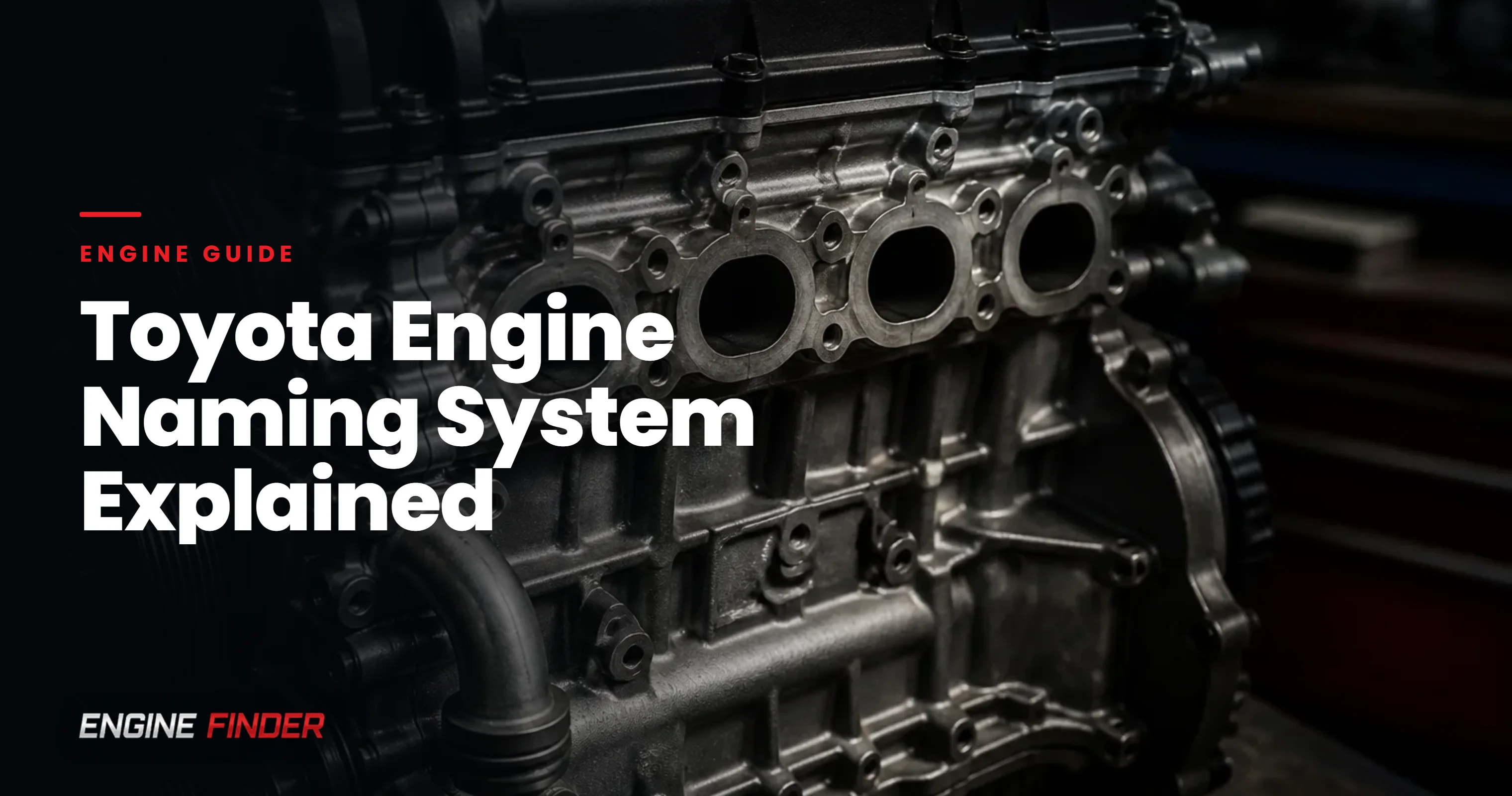
Toyota’s V6 engines have earned a global reputation for blending refined power with legendary durability. From the high-revving 3.5L units in sedans to the torque-heavy 4.0L workhorses in off-roaders, these engines define Toyota’s commitment to engineering excellence. This guide explains the specifications and roles of five iconic V6-powered Toyota models.
Toyota has utilized several distinct V6 engine families over the decades, most notably the GR series and the newer V35A-FTS twin-turbocharged units. In 2026, while the automotive landscape has shifted heavily toward electrification and turbocharged four-cylinders, these V6 models remain highly sought after for their towing capacity, smooth acceleration, and long-term mechanical simplicity. Understanding which V6 powers which vehicle is essential for identifying the right balance of efficiency and "million-mile" reliability.
1. Toyota Camry V6: The Performance Sleeper
The Toyota Camry is often viewed as a sensible family sedan, but the V6 variants—specifically those produced between 2018 and the transition to hybrid-only platforms—turned the vehicle into a legitimate "sleeper." Equipped with the 2GR-FKS 3.5-liter V6, this car offers a level of refinement rarely found in the mid-size sedan segment.
Engineering and Power Delivery
The 2GR-FKS engine in the Camry utilizes the D-4S system, which employs both direct and port fuel injection. This dual-injection strategy allows the engine to optimize fuel delivery based on driving conditions, improving low-end torque while maintaining high-end efficiency. In the Camry, this engine produces 301 horsepower and 267 lb-ft of torque. Unlike its turbocharged competitors, the V6 Camry provides linear power delivery without "turbo lag," making it exceptionally smooth during highway merging and overtaking.
The TRD Influence
Toyota’s Racing Development (TRD) trim took this V6 and paired it with a more aggressive cat-back exhaust and a stiffened chassis. For enthusiasts, this represents the peak of the internal combustion Camry. The V6's ability to rev freely to its 6,600 RPM redline provides an auditory experience and tactile response that modern small-displacement turbo engines struggle to replicate.
Longevity and Maintenance
The 2GR series is widely considered one of the most reliable V6 engines ever built. Owners frequently report reaching 200,000 miles with only routine oil changes and spark plug replacements. The primary maintenance concern for this engine in the Camry is the water pump, which can occasionally develop leaks around the 100,000-mile mark, though it remains a relatively straightforward repair compared to modern integrated hybrid cooling systems.
2. Toyota 4Runner: The Legendary 4.0L Workhorse
The Toyota 4Runner is perhaps the most famous application of the 1GR-FE 4.0-liter V6. While other models in Toyota's lineup moved to newer engine architectures, the 4Runner retained this powertrain for years due to its unshakeable reliability in extreme off-road conditions.
Built for Torque, Not Speed
The 1GR-FE is not designed for high-speed performance. Instead, it focuses on low-end grunt, which is essential for rock crawling and navigating deep sand. Producing 270 horsepower and 278 lb-ft of torque, the engine is tuned for a wide torque curve. This ensures that power is available exactly when the driver needs it to overcome an obstacle. The use of a timing chain rather than a belt further enhances its reputation as a "set it and forget it" engine.
Dual VVT-i Technology
Later versions of the 4Runner V6 featured Dual VVT-i (Variable Valve Timing with intelligence), which adjusts the timing on both the intake and exhaust camshafts. This development helped the aging 4.0L platform meet tightening emissions standards while slightly improving fuel economy. However, the 4Runner remains a "thirsty" vehicle, with fuel consumption being the primary trade-off for its bulletproof mechanical nature.
Why Enthusiasts Prefer It
In an era where engines are becoming increasingly complex with high-pressure turbos and hybrid batteries, the 4Runner’s naturally aspirated V6 is a relic of simplicity. It can run on lower-grade fuel without the risk of "pre-detonation" as easily as a turbo engine might, and its cooling system is overbuilt to handle the heat of slow-speed, high-load off-roading.
3. Toyota Tacoma: The Versatile 3.5L V6
For generations, the Toyota Tacoma has been the backbone of the mid-size truck market. While the 2026 market sees many Tacomas using the i-FORCE turbocharged four-cylinder, the 2GR-FKS 3.5L V6 remains the definitive engine for many owners of the previous generation.
The Atkinson Cycle Integration
A unique feature of the Tacoma’s V6 is its ability to switch between the Otto cycle and the Atkinson cycle. The Atkinson cycle holds the intake valve open longer during the compression stroke, effectively reducing the displacement and improving fuel efficiency during steady-state cruising. When the driver demands power, the engine switches back to the Otto cycle to provide full performance.
Transmission Pairing and Towing
The Tacoma V6 was frequently paired with either a six-speed automatic or a rare six-speed manual transmission. This V6 allowed the Tacoma to achieve a towing capacity of up to 6,800 pounds when properly equipped. While the engine is criticized by some for having a "peaky" power band—requiring higher RPMs to find the bulk of its torque—it remains a favorite for its ability to handle heavy loads over long distances without overheating.
Real-World Reliability
Common issues with the Tacoma V6 are minor but documented, such as "timing cover seeps." This is a slow oil leak from the engine's front cover that usually does not affect performance but can be expensive to seal due to the labor involved. Aside from this, the 3.5L V6 is known for its ability to withstand the dust, vibration, and heavy-duty cycles of a working truck.
4. Toyota Highlander: The Refined Family Hauler
The Toyota Highlander transitioned from a rugged SUV to a refined unibody crossover, and for most of that journey, the V6 engine was its heart. Most notably, it utilized the 2GR-FKS 3.5L, though earlier versions used the 3MZ-FE 3.3L.
Balancing Weight and Power
The Highlander is a heavy vehicle, often carrying seven or eight passengers plus cargo. The V6 engine provides the necessary displacement to move this mass without the engine feeling strained. Unlike the four-cylinder versions, the V6 Highlander offers a quiet, vibration-free cabin experience, which is a priority for family buyers. The engine’s 295 horsepower allows the Highlander to tow up to 5,000 pounds, making it suitable for small boats or campers.
The Shift to Efficiency
By the mid-2020s, Toyota began replacing the V6 in the Highlander with a 2.4-liter turbocharged four-cylinder and hybrid powertrains. However, many buyers in 2026 still seek out the used V6 models. The reason is the linear throttle response. Turbocharged engines can sometimes feel "surgey" in stop-and-go traffic; the naturally aspirated V6 provides a predictable, steady increase in speed that many drivers find more comfortable for daily commuting.
Comparison of V6 Engines in Toyota Vehicles
The following table compares the specifications of the V6 engines commonly found in these five Toyota models.
| Vehicle Model | Engine Code | Displacement | Horsepower | Torque (lb-ft) | Fuel System |
|---|---|---|---|---|---|
| Camry | 2GR-FKS | 3.5L | 301 | 267 | D-4S (Direct/Port) |
| 4Runner | 1GR-FE | 4.0L | 270 | 278 | Sequential Port |
| Tacoma | 2GR-FKS | 3.5L | 278 | 265 | D-4S (Direct/Port) |
| Highlander | 2GR-FKS | 3.5L | 295 | 263 | D-4S (Direct/Port) |
| Tundra | V35A-FTS | 3.4L (TT) | 389 - 437* | 479 - 583* | Twin-Turbo / Hybrid |
*Higher figures represent the i-FORCE MAX Hybrid configuration.
5. Toyota Tundra: The Modern Twin-Turbo V6
The Toyota Tundra underwent a massive shift recently, retiring its legendary 5.7L V8 in favor of the V35A-FTS 3.4-liter Twin-Turbo V6. This move signaled Toyota's entry into the high-output, forced-induction V6 era, competing directly with Ford’s EcoBoost technology.
Twin-Turbocharged Performance
The V35A-FTS is a departure from the "simplicity" of the GR series. It features two turbochargers that allow the engine to produce significantly more torque than the old V8, specifically at low RPMs. In its standard form, it produces 389 horsepower and 479 lb-ft of torque. When paired with the i-FORCE MAX hybrid system, those numbers jump to 437 horsepower and a massive 583 lb-ft of torque.
Engineering for Heat Management
Because turbochargers generate immense heat, Toyota engineered the V35A with water-cooled cylinder heads and a sophisticated intercooler system. The engine also features a "ladder frame" construction for the block to handle the increased cylinder pressures associated with turbocharging. This engine is designed to prove that a V6 can do "truck things"—like towing 12,000 pounds—more efficiently than a larger V8.
The Future of the Toyota V6
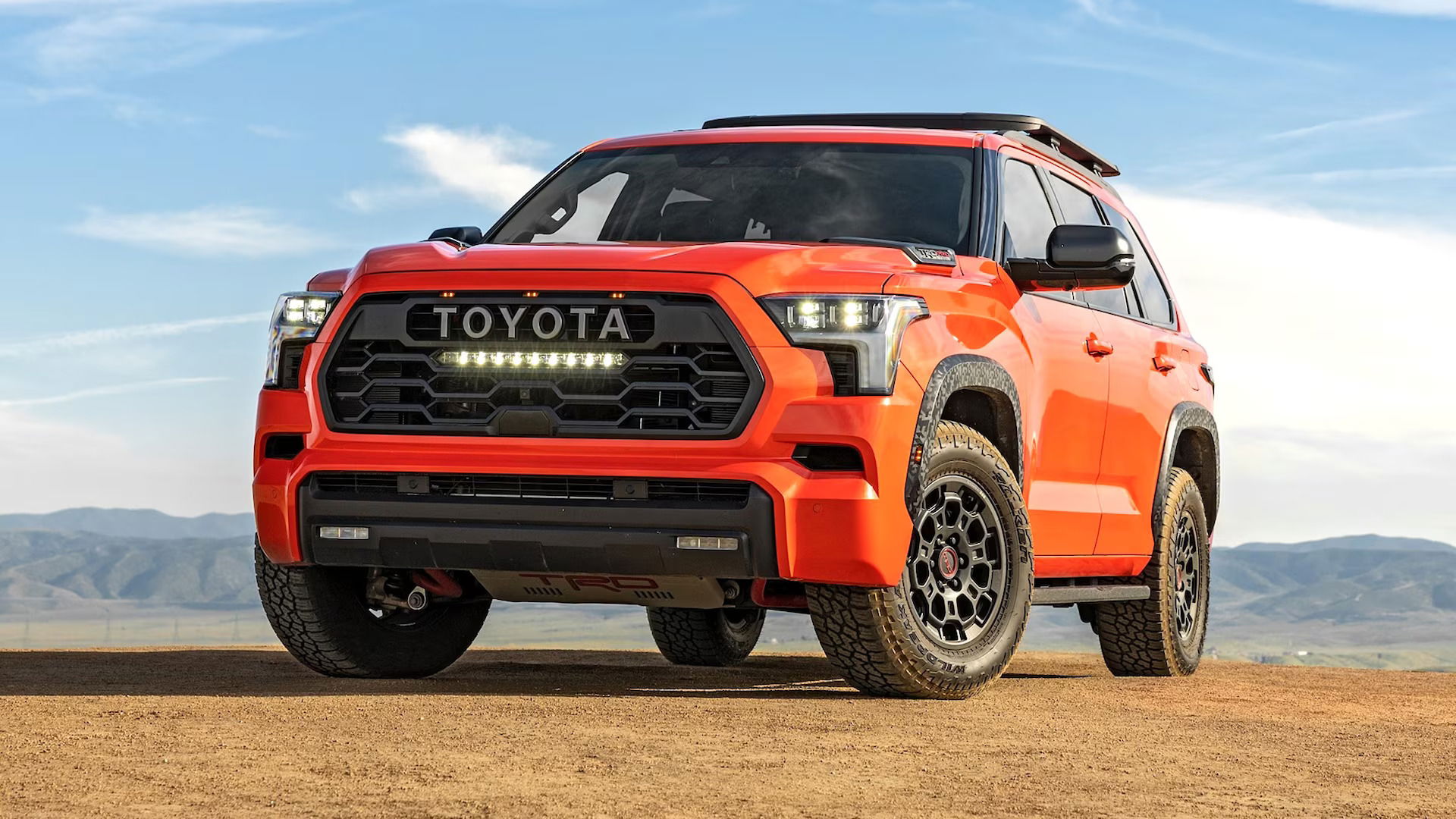
The V35A-FTS represents the future of Toyota's six-cylinder strategy. It is also found in the Lexus LX and the Toyota Sequoia. While it is more complex than the 4.0L 1GR-FE, it provides the fuel economy and power density required for the 2026 regulatory environment. Early data suggests the engine is robust, though it requires stricter adherence to high-quality synthetic oil changes and cooling system maintenance due to the presence of the turbochargers.
Maintenance and Reliability of Toyota V6 Engines
Regardless of the specific model, Toyota V6 engines share a common philosophy of over-engineering. However, to reach the legendary 300,000-mile mark, owners should focus on three critical areas:
- Oil Management: The 2GR and 1GR engines are sensitive to oil sludge if change intervals are neglected. Using high-quality full synthetic oil every 5,000 to 7,500 miles is the best insurance for the VVT-i actuators and timing chains.
- Cooling System: Toyota's "Super Long Life Coolant" (the pink fluid) is excellent, but the water pumps on the 3.5L engines can be a weak point. Checking for crusty pink residue around the engine pulleys can catch a failure before it leads to overheating.
- Ignition Components: These engines are generally easy on spark plugs, but replacing them with the factory-recommended Iridium plugs every 60,000 to 100,000 miles ensures the D-4S injection system remains efficient and prevents ignition coil stress.
Frequently Asked Questions
Which Toyota V6 engine is the most reliable?
The 1GR-FE 4.0L V6 found in the 4Runner is widely considered the most reliable. Its lack of complex features like direct injection or turbochargers means there are fewer components to fail. It is built with thick cylinder walls and a cooling system designed for heavy-duty use.
Do Toyota V6 engines require premium fuel?
Most Toyota V6 engines, including the 3.5L 2GR-FKS and the 4.0L 1GR-FE, are designed to run on 87-octane regular unleaded fuel. However, the newer Twin-Turbo V35A-FTS in the Tundra may see performance benefits from higher octane, and owners should always consult the specific owner's manual for their model year.
How often should the timing belt be changed?
Most modern Toyota V6 engines (the GR and V35A families) use a timing chain, which is designed to last the life of the engine and does not require periodic replacement. Older V6 engines, such as the 3.3L 3MZ-FE used in mid-2000s Highlanders and Camrys, do use a timing belt that typically requires replacement every 90,000 miles.
Is the Twin-Turbo V6 better than the old V8?
In terms of towing torque and fuel efficiency, the new V35A-FTS Twin-Turbo V6 is superior. It provides more pulling power at lower engine speeds. However, the old 5.7L V8 is still preferred by some for its mechanical simplicity and the traditional "V8 sound."
Why did Toyota stop putting V6 engines in the Camry and Highlander?
The transition was driven by emissions regulations and fuel economy standards. Turbocharged four-cylinder engines and hybrid systems can produce similar torque to a V6 while consuming significantly less fuel and producing fewer CO2 emissions during government testing cycles.
Final Recommendation
If you are looking for the pinnacle of "old-school" reliability and plan to keep your vehicle for 15+ years, the Toyota 4Runner with the 4.0L V6 remains the gold standard. For those who want a blend of modern power and efficiency, the Camry V6 (2018–2024 models) offers a unique driving experience that is increasingly rare in the sedan market. If your priority is maximum towing and modern tech, the Tundra’s Twin-Turbo V6 is the engine of the future, providing the torque necessary for heavy-duty work without the fuel penalty of a massive V8.