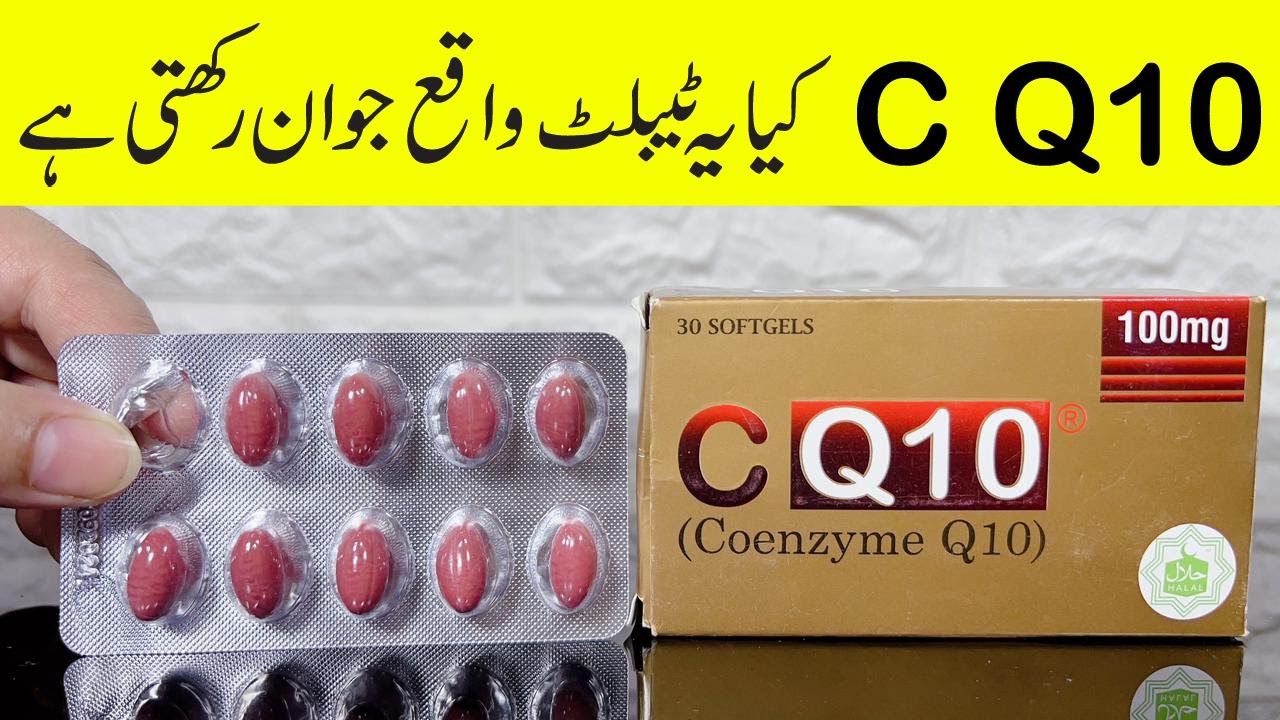
Coenzyme Q10 (CoQ10) is a naturally occurring antioxidant that your body produces to help generate energy in your cells, but taking high-dose supplements can lead to mild side effects such as insomnia, gastrointestinal distress, fatigue, skin rashes, and potential interactions with blood-thinning medications.
Introduction to Coenzyme Q10 and Supplementation
Coenzyme Q10, often referred to simply as CoQ10, is a vital fat-soluble compound found in almost every cell of the human body. It plays a primary role in the electron transport chain, a series of chemical reactions that generate cellular energy in the form of adenosine triphosphate (ATP). Beyond its fundamental role in cellular bioenergetics, CoQ10 functions as a powerful intracellular antioxidant, neutralizing free radicals and protecting cellular structures, lipids, and DNA from oxidative damage.
While the human body synthesizes CoQ10 endogenously, natural production tends to decline with advancing age. Furthermore, certain medical conditions and pharmaceutical interventions—most notably cholesterol-lowering statin drugs—can significantly deplete systemic CoQ10 levels. This depletion is frequently cited as a primary mechanism behind statin-associated muscle symptoms, prompting many individuals to turn to over-the-counter CoQ10 dietary supplements. Available primarily in two chemical forms—ubiquinone (the oxidized form) and ubiquinol (the reduced, active antioxidant form)—these supplements are marketed widely for cardiovascular health, energy production, and general wellness.
However, as with any bioactive substance or dietary supplement, increased intake is not entirely without physiological consequence. While CoQ10 is generally recognized as safe for most adults when used according to standard label recommendations, understanding its potential side effects, pharmacological interactions, and physiological impact is critical for safe usage. This overview examines five key points regarding CoQ10 supplement side effects, providing a clinical, evidence-based perspective for consumers and healthcare seekers. Please note that the following information is for educational purposes and should not replace professional medical advice, diagnosis, or treatment.
1. Mild Gastrointestinal Disturbances
The most frequently reported adverse effects associated with oral CoQ10 supplementation involve the gastrointestinal tract. Because CoQ10 is a lipophilic (fat-soluble) compound, its absorption occurs primarily in the small intestine via mechanisms shared with dietary fats. When taken in moderate to high doses, particularly on an empty stomach or in formulations with suboptimal absorption profiles, the compound can cause localized irritation or digestive upset.
Common gastrointestinal symptoms include:
- Mild upper abdominal pain or discomfort
- Nausea and a transient lack of appetite
- Heartburn or dyspepsia
- Diarrhea or loose stools, particularly with daily doses exceeding 200 milligrams (mg)
To mitigate these digestive side effects, clinical experts often recommend splitting the daily dosage into two or three smaller administrations rather than taking a large single dose. Additionally, consuming CoQ10 supplements alongside a meal containing healthy dietary fats—such as olive oil, avocado, or nuts—significantly enhances absorption while buffering the stomach lining against direct irritation.
2. Impact on Sleep Architecture and Insomnia
Although CoQ10 is frequently marketed as an energy-boosting supplement due to its role in mitochondrial ATP synthesis, this metabolic enhancement can occasionally manifest as central nervous system stimulation. For a subset of users, particularly those who take their supplement later in the day or evening, this stimulating property interferes with normal sleep architecture.
Insomnia and disrupted sleep patterns typically present as difficulty falling asleep, frequent nighttime awakenings, or experiencing a subjective sense of restlessness despite feeling physically fatigued. The exact pharmacological mechanism behind this sleep disruption is tied to enhanced cellular metabolism and mitochondrial efficiency, which may temporarily elevate metabolic rate or alertness.
To prevent sleep-related side effects, individuals incorporating CoQ10 into their daily routine should establish a proper dosing schedule. It is generally advised to take CoQ10 in the morning or with breakfast, and occasionally with lunch if a split dose is necessary. Avoiding evening or bedtime consumption ensures that the metabolic stimulating effects dissipate well before the body prepares for rest.
3. Skin Reactions and Dermatological Responses
While rare, dermatological side effects can occur in individuals sensitive to CoQ10 or the specific excipients, oils, and encapsulating agents used in commercial supplement manufacturing. Immune system recognition of the exogenous compound or inactive ingredients can trigger localized or systemic cutaneous reactions.
Dermatological symptoms may include:
- Mild, localized skin rashes or pruritus (itching)
- Urticaria (hives) characterized by raised, red welts
- General skin flushing or a sensation of warmth
If a skin rash or allergic manifestation develops shortly after initiating CoQ10 supplementation, discontinuation of the product is the standard first step. Consumers should also examine the product label for common allergens, such as soy lecithin, gelatin, or carrier oils, which are frequently used in softgel formulations and may be the actual root cause of the allergic reaction rather than the CoQ10 itself.
4. Pharmacological Interactions, Specifically with Blood Thinners
One of the most clinically significant considerations regarding CoQ10 supplementation involves its potential to interact with prescription medications. Because CoQ10 shares a structural and functional similarity to vitamin K—a nutrient critical for the blood-clotting cascade—high doses of the supplement can theoretically interfere with anticoagulant therapies.
The most notable interaction occurs with warfarin (Coumadin), a widely prescribed vitamin K antagonist used to prevent blood clots, stroke, and deep vein thrombosis. Clinical case reports and pharmacological evaluations indicate that CoQ10 can decrease the anticoagulant efficacy of warfarin, potentially lowering the International Normalized Ratio (INR) and increasing the risk of thrombotic events.
| Medication Class | Potential Interaction Mechanism | Clinical Recommendation |
|---|---|---|
| Anticoagulants (e.g., Warfarin) | May decrease drug efficacy, lower INR, and increase clotting risk. | Monitor INR closely; consult a physician before starting CoQ10. |
| Antihypertensive Drugs | May exert an additive blood-pressure-lowering effect. | Monitor blood pressure regularly to avoid hypotension. |
| Chemotherapy Agents | Antioxidant properties may theoretically reduce oxidative stress required by certain drugs. | Strict oncology oversight required; generally avoided during active treatment. |
Beyond anticoagulants, CoQ10 may interact with blood pressure medications (antihypertensives). Because CoQ10 has been observed in some studies to have a mild, independent blood-pressure-lowering effect, combining it with prescription blood pressure drugs can lead to additive effects, resulting in unexpected hypotension (low blood pressure), dizziness, or lightheadedness.
5. Dosing Thresholds, Safety Profiles, and Special Populations
Understanding the safety profile of CoQ10 requires examining standard clinical dosage ranges and how the body handles higher quantities. In clinical trials and everyday practice, standard adult daily dosages of CoQ10 typically range from 90 mg to 200 mg, though therapeutic trials for specific conditions (such as heart failure or neurodegenerative disorders) have utilized higher doses under strict medical supervision.
Toxicological evaluations indicate that CoQ10 is remarkably well-tolerated even at elevated levels. Clinical studies utilizing daily doses up to 1,200 mg or higher for extended periods have reported minimal severe toxicity. However, as the daily dose increases, the incidence of mild, dose-dependent side effects—such as nausea, diarrhea, and fatigue—tends to rise proportionally.
Considerations for Special Populations
- Pregnant and Breastfeeding Women: There is a lack of robust, definitive clinical data establishing the absolute safety of high-dose CoQ10 supplementation during pregnancy and lactation. Consequently, healthcare providers generally advise against its use unless clinically necessary.
- Liver Function: Because CoQ10 is metabolized by the liver, individuals with compromised hepatic function should seek medical guidance, as altered metabolism could influence circulating plasma concentrations.
- Surgical Patients: Due to potential mild effects on blood clotting and blood pressure, patients scheduled for elective surgery are typically advised to discontinue CoQ10 supplementation at least two weeks prior to the procedure.
Frequently Asked Questions
Can CoQ10 supplements cause daytime fatigue instead of energy?
Yes, paradoxical fatigue can occur. While CoQ10 supports cellular energy production, an initial adjustment period, incorrect dosing timing, or taking an excessive amount can occasionally lead to a subjective feeling of tiredness or lethargy as the body adapts to metabolic changes.
Are there differences in side effects between ubiquinone and ubiquinol?
Both forms share a generally similar safety profile, as ubiquinone is converted into ubiquinol in the body and vice versa. However, because ubiquinol exhibits higher bioavailability and absorption rates, some sensitive individuals report experiencing stronger gastrointestinal or stimulating effects at lower milligram doses compared to ubiquinone.
How long do CoQ10 side effects take to appear?
Mild side effects like nausea or digestive discomfort usually appear within the first few days of starting the supplement or following a dosage increase. Sleep disturbances may manifest within the first week if the supplement is taken too late in the day.
Can CoQ10 lower blood sugar levels?
Some preliminary research suggests that CoQ10 may have a modest positive effect on insulin sensitivity and glycemic control. However, individuals taking insulin or oral hypoglycemic medications should monitor their blood glucose levels closely to avoid unexpected hypoglycemia.
What should I do if I experience adverse side effects from CoQ10?
If you experience persistent or bothersome side effects, the first step is to reduce your daily dosage or switch the timing of administration to the morning with a meal. If symptoms persist, discontinue use entirely and consult a qualified healthcare professional.
Practical Recommendations for Safe Use
Before incorporating CoQ10 into your daily wellness or therapeutic routine, evaluate your current medication regimen and health status. Always consult a primary care physician or a clinical pharmacist, especially if you take prescription blood thinners, antihypertensives, or are scheduled for surgery. When purchasing supplements, choose reputable brands that undergo third-party testing (such as USP, NSF, or ConsumerLab) to ensure product purity, accurate labeling, and the absence of contaminants. Begin with a lower dose—such as 100 mg daily taken with a fat-containing meal—to assess your body's individual tolerance before making adjustments.