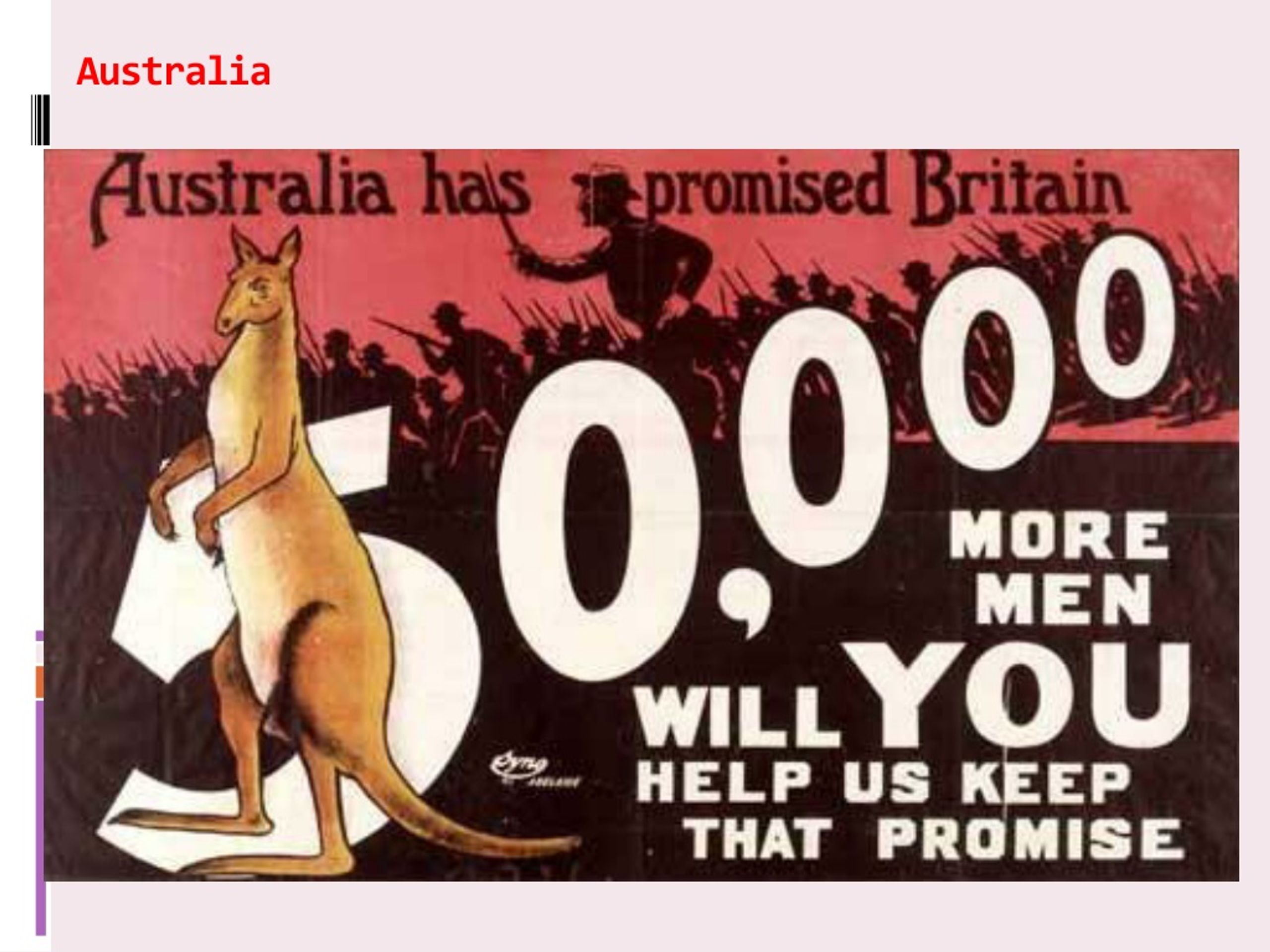
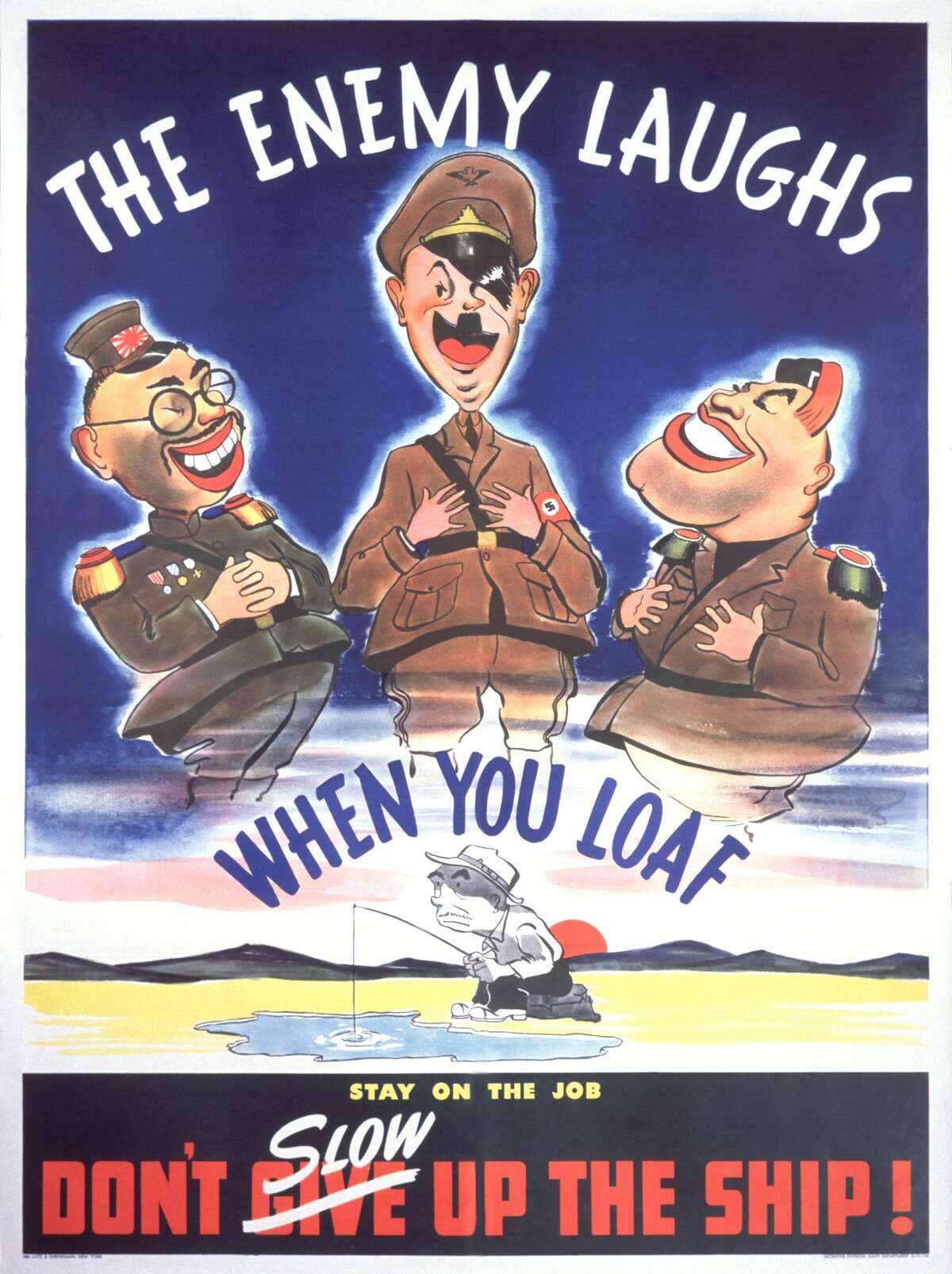
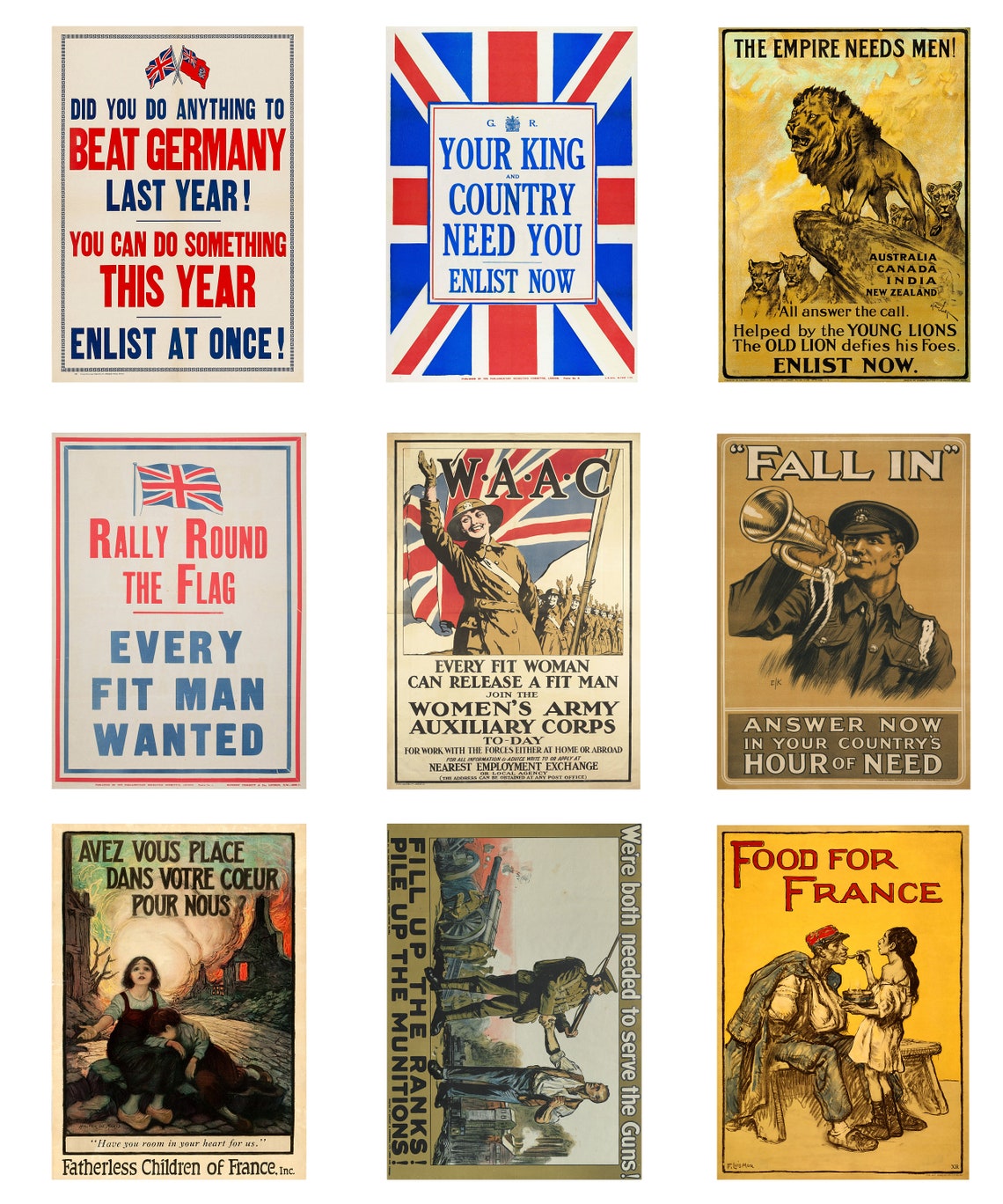
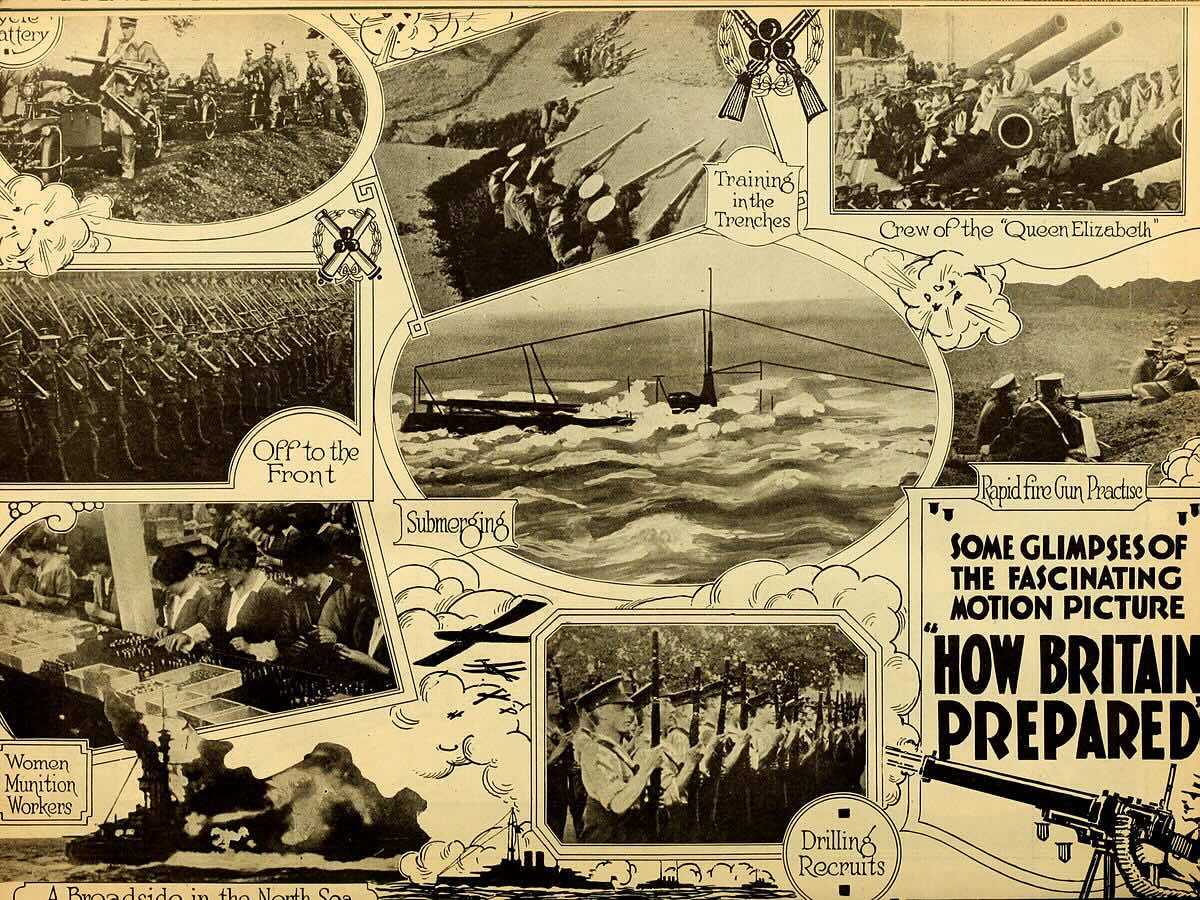
Australian World War I propaganda posters served as powerful visual instruments designed by the government and patriotic organizations to mobilize civilian support, encourage military enlistment, and secure war loan investments between 1914 and 1918. These historical artifacts reveal how graphic design, emotional appeals, and national identity were leveraged to influence public behavior during a time of immense global crisis.
1. The Institutional Machinery: Who Created the Posters?
Understanding Australian World War I propaganda posters requires examining the organizations and government bodies responsible for their commission, printing, and distribution. At the outbreak of the war in August 1914, the Australian Commonwealth government lacked a centralized propaganda ministry. Instead, mobilization efforts initially relied heavily on state-based recruiting committees, patriotic leagues, and private citizens.
As the war protracted and casualty lists mounted, voluntary enlistment numbers plummeted. This decline forced the federal government to take a much more direct, centralized approach. Agencies such as the Department of Defence, state-based War Councils, and the later-established Repatriation and Recruiting departments began commissioning professional artists, commercial lithographers, and advertising agencies to produce high-impact visual media.
Key institutions involved in the distribution and display of these posters included:
- State War Councils: Operating in New South Wales, Victoria, Queensland, South Australia, Western Australia, and Tasmania, these councils coordinated local recruitment campaigns and managed poster distribution.
- Commercial Lithographers: Printing houses such as Willson & MacKinnon, Troedel & Cooper, and John Sands Pty Ltd translated raw concepts into vibrant, multi-colored lithographic prints.
- Patriotic Leagues: Organizations like the Australian Comforts Fund and various women’s auxiliary committees utilized posters to drive fundraising drives for troops overseas.
2. Visual Motifs and Emotional Appeals
Artists and designers relied on a well-established repertoire of visual symbols and emotional triggers to resonate with the Australian public. Rather than relying solely on logical arguments or political discourse, these posters targeted fundamental human emotions, including pride, guilt, fear, and duty.
The Appeal to British Heritage and Imperial Loyalty
Many early posters emphasized Australia’s constitutional and cultural ties to the British Empire. Imagery frequently incorporated the Union Jack, British lions, and appeals to "King and Country." Citizens were reminded that the defense of Belgium, France, and Britain was synonymous with the defense of Australia’s own democratic values.
The Evolution of National Identity
As the war progressed—particularly after the Gallipoli campaign of 1915 and the brutal Western Front battles of 1916–1918—the imagery shifted. While imperial loyalty remained a factor, posters increasingly began to celebrate a distinct Australian identity. The figure of the Australian Imperial Force (AIF) soldier, often referred to colloquially as the "Digger," became a central motif. The Digger was depicted not merely as a colonial subject, but as a rugged, resourceful, and egalitarian combatant forged in the crucible of modern warfare.
Shaming and Guilt as Motivational Tools
To combat dwindling voluntary enlistment, several posters utilized direct emotional coercion. Phrases such as "Daddy, what did YOU do in the Great War?" or appeals questioning a man's courage if he remained at home were deployed to induce social pressure. These posters targeted men who had not enlisted, framing military service as an absolute moral obligation.
3. Financial Mobilization: War Loans and Savings Certificates
While recruitment posters dominated the first half of the conflict, economic mobilization became equally critical as the war dragged on. Governments could not sustain military operations through taxation alone; they required massive infusions of capital from the civilian population. Australian propaganda posters played a vital role in convincing citizens to invest in Commonwealth War Loans and War Savings Certificates.
Financial posters adopted a different visual strategy compared to enlistment posters. Instead of focusing on the horrors of the front line or the heroism of the soldier, they emphasized economic duty, thrift, and financial security.
- The Citizen Investor: Posters depicted ordinary citizens—farmers, factory workers, mothers, and children—handing over their savings to secure the nation's future.
- Victory Imagery: Financial campaigns frequently utilized symbols of ultimate triumph, such as rising suns, shields, and victorious soldiers returning home to prosperous farms and industries.
- Pragmatic Appeals: Advertisements stressed that buying a war bond was not just a patriotic gift, but a secure investment yielding government-backed interest.
4. The Failure of Conscription Referendums and Poster Propaganda
Perhaps the most unique political context surrounding Australian World War I propaganda was the domestic battle over conscription. Unlike Great Britain, New Zealand, or Canada, Australia's federal government—led by Prime Minister William Morris "Billy" Hughes—was constitutionally barred from introducing overseas conscription without a public referendum.
This led to two bitterly contested national plebiscites in October 1916 and December 1917. Both referendums resulted in "No" victories, making Australia the only British-Empire belligerent not to introduce conscription during the conflict.
Propaganda posters played an intense, polarized role during these campaigns:
- Pro-Conscription Posters (The "Yes" Campaign): Supported by the government, conservative politicians, and major newspapers, these posters argued that voluntary enlistment had failed, that existing soldiers were exhausted and required reinforcements, and that a "No" vote would betray Australia's allies.
- Anti-Conscription Posters (The "No" Campaign): Produced by the Australian Labor Party, trade unions, Catholic church leaders (notably Archbishop Daniel Mannix), and feminist groups, these posters warned against militarism, argued against compelling citizens to fight abroad, and highlighted the economic burdens shouldered by the working class.
The intense visual battle during the conscription referendums created a deeply fractured society, leaving a legacy of political division that persisted long after the armistice was signed in November 1918.
5. Preservation, Archiving, and Historical Significance Today
Today, surviving Australian World War I propaganda posters are recognized as invaluable cultural heritage items. Because they were printed on cheap, mass-market paper designed for temporary display on billboards, shop windows, and railway stations, only a fraction of the original print runs survived the twentieth century.
Institutional Preservation
Major cultural institutions across Australia, most notably the Australian War Memorial in Canberra and the State Library of New South Wales, house extensive collections of these posters. These institutions employ advanced conservation techniques—such as deacidification, archival backing, and climate-controlled storage—to arrest the natural degradation of the paper.
Historical Analysis and Research Value
For contemporary historians, sociologists, and art historians, these posters offer a direct window into the psychological state of the Australian home front. They document the shifting propaganda strategies of the state, the evolution of commercial graphic design, and the complex interplay between nationalism, gender roles, and wartime anxiety.
| Poster Category | Primary Objective | Key Visual Elements | Target Audience |
|---|---|---|---|
| Recruitment | Encourage voluntary enlistment in the AIF | The Digger, Union Jack, emotional appeals to duty | Military-aged men, family influencers |
| Financial/War Loans | Secure civilian capital for war bonds | Savings certificates, coins, victorious imagery | Property owners, wage earners, families |
| Conscription Referendums | Influence "Yes" or "No" voting outcomes | Political arguments, family protection, liberty motifs | All eligible Australian voters |
| Patriotic Fundraising | Support comforts funds and Red Cross efforts | Nurses, wounded soldiers, charitable calls to action | General public, women's organizations |
Frequently Asked Questions
Did the Australian government make military service mandatory during World War I?
No. Australia remains unique among major British Empire combatants for not introducing conscription during World War I. Prime Minister Billy Hughes held two national referendums in 1916 and 1917 to seek public approval for overseas conscription, but Australian voters rejected both proposals. Consequently, all soldiers who served in the Australian Imperial Force overseas were volunteers.
Who were some notable artists behind Australian World War I posters?
Several prominent commercial artists and illustrators contributed to the Australian war effort. Notable figures include Norman Lindsay, whose dramatic and sometimes controversial illustrations heavily influenced recruitment and patriotic imagery, as well as artists like David Low and various anonymous designers working within commercial lithographic firms.
Where can original Australian World War I posters be viewed today?
Original posters are preserved primarily in major public institutions. The Australian War Memorial in Canberra holds the most comprehensive collection, alongside state repositories such as the State Library of New South Wales, the State Library of Victoria, and the National Library of Australia. Many of these collections have been digitized and are accessible via online institutional archives.
What printing techniques were used to produce these posters?
The vast majority of Australian World War I posters were produced using chromolithography or offset lithography. This printing process allowed for vibrant, multi-colored images to be mass-produced efficiently. Because printing plates were expensive to set up, posters relied on bold, eye-catching color palettes designed to command attention in crowded public spaces.
How did Australian propaganda posters treat women's roles in the war?
While many posters reinforced traditional gender roles—depicting women as mothers or wives waiting at home, or conversely, using female imagery to shame men into enlisting—other posters highlighted women's active participation in the workforce and charitable organizations. Women played a critical role in supporting the Australian Comforts Fund, knitting garments, and managing agricultural and domestic responsibilities while men were overseas.
Conclusion and Next Actions
Examining Australian World War I propaganda posters provides deep insight into how visual communication was harnessed to shape public opinion during a national crisis. To explore these historical artifacts further, researchers and enthusiasts should consult the digital collections of the Australian War Memorial or explore regional state library archives to examine high-resolution scans of these foundational design pieces.