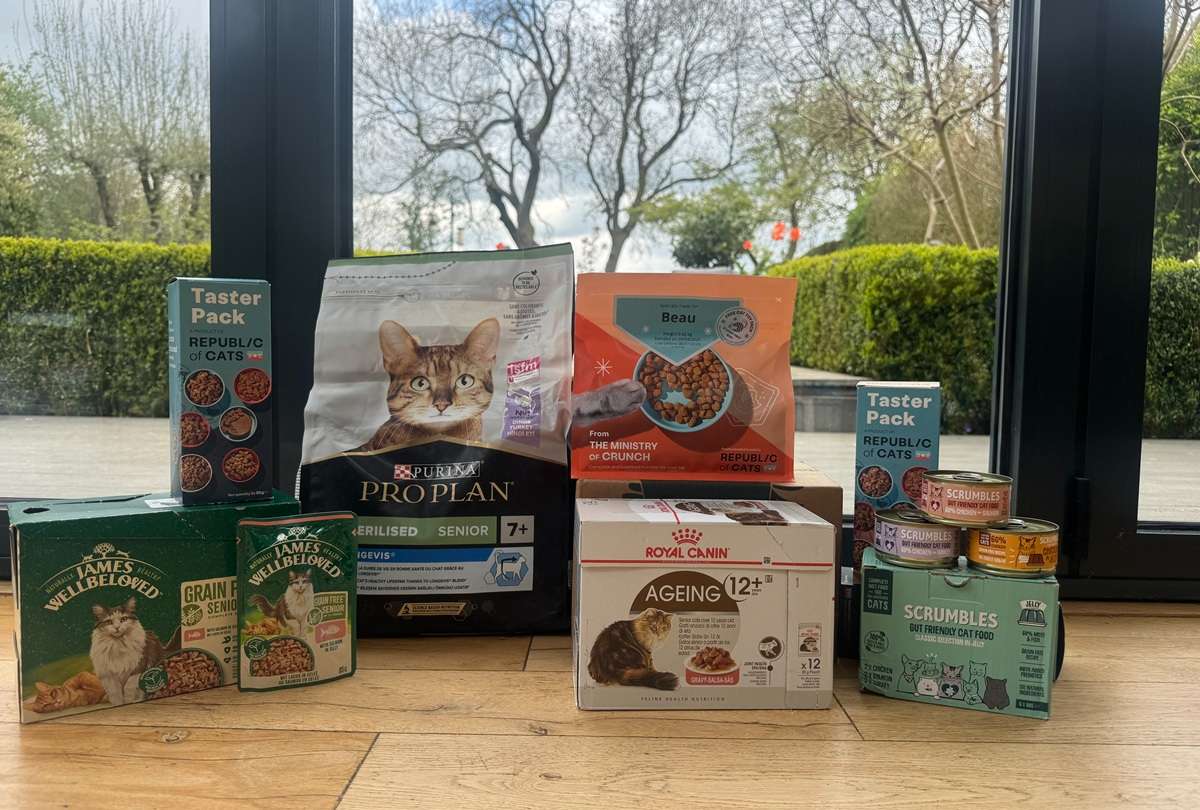
To select the best hard cat food in 2026, you must prioritize high-quality animal protein as the first ingredient, ensure the formula meets AAFCO nutritional adequacy standards, maintain low carbohydrate levels (ideally under 10-15%), match the nutrient profile to your cat's specific life stage, and verify the manufacturer’s safety and sourcing transparency.
Hard cat food, or kibble, remains the most popular feeding choice for cat owners due to its convenience, shelf-stability, and cost-effectiveness. However, as obligate carnivores, cats have unique physiological requirements that many mass-market dry foods fail to meet. Navigating the marketing jargon on colorful bags requires a technical understanding of feline biology and nutritional labeling. By 2026, the pet food industry has evolved to offer more "biologically appropriate" dry options, but the responsibility remains with the owner to look past the branding and analyze the fine print.
1. Quality and Bioavailability of Animal Protein
The most critical factor in any cat food is the source and concentration of protein. Unlike dogs, who are scavenging carnivores, cats are obligate carnivores. This means their bodies are biologically designed to process animal tissues, and they require specific amino acids—such as taurine and arginine—that are found naturally in meat.
Understanding Ingredient Definitions
When examining a label, the first ingredient should always be a named animal protein, such as "chicken," "turkey," or "salmon." In 2026, the Association of American Feed Control Officials (AAFCO) continues to define these terms strictly. "Chicken" refers to the clean combination of flesh and skin, while "chicken meal" is chicken that has been rendered (cooked to remove moisture and fat), resulting in a concentrated protein powder.
While "meal" sounds less appetizing to humans, it often provides more actual protein by weight in a dry kibble than fresh meat, which is 70% water. However, you should avoid generic terms like "meat meal" or "poultry by-product meal." These lack transparency regarding the species used and often indicate lower-quality sourcing.
Amino Acid Profiles
Cats cannot synthesize taurine, an amino acid essential for heart health and vision. A high-quality hard food will ensure that the protein sources used are naturally rich in taurine or that it is supplemented in the final formula. If a food relies heavily on plant proteins like corn gluten meal or soy protein concentrate, the cat may suffer from "dilute" nutrition, where they consume enough calories but lack the essential building blocks for muscle maintenance and organ function.
2. AAFCO Standards and Nutritional Completeness
Before a bag of hard cat food reaches the shelf, it should ideally meet the nutritional standards set by AAFCO. This organization does not "approve" food, but it establishes the nutrient profiles that constitute a "complete and balanced" diet.
The Nutritional Adequacy Statement
Look for the AAFCO statement on the back or side of the packaging. It will typically say one of two things:
- "Formulated to meet the nutritional levels established by the AAFCO Cat Food Nutrient Profiles." This means the recipe was calculated on paper to meet the requirements.
- "Animal feeding tests using AAFCO procedures substantiate that [Product Name] provides complete and balanced nutrition." This is the gold standard. It means the food was actually fed to real cats in a controlled setting to ensure they could digest the nutrients and thrive.
The Role of "Complete and Balanced"
"Complete" means the food contains all the nutrients required by a cat, and "balanced" means those nutrients are in the correct ratios. For example, the ratio of calcium to phosphorus is vital for bone health and kidney function. In 2026, many "boutique" or "exotic" hard foods may fail to meet these rigorous standards, potentially leading to long-term nutritional deficiencies if fed as a primary diet.
3. Carbohydrate Content and the "Kibble Glue" Problem
One of the greatest challenges with hard cat food is its carbohydrate content. By its very nature, kibble requires starch to hold its shape. During the extrusion process—where dough is pushed through a die and baked—carbohydrates act as the "glue" that prevents the pellets from crumbling into dust.
The Metabolic Impact of Starch
Cats have a limited ability to process carbohydrates. They lack salivary amylase, the enzyme that begins breaking down starches in the mouth, and they have low levels of pancreatic amylase. A diet high in carbohydrates (often exceeding 35-40% in budget brands) can lead to:
- Insulin Resistance: Constant blood sugar spikes can contribute to Type II diabetes.
- Obesity: Excessive carbs are easily converted into fat in the feline body.
- Digestive Upset: High-fiber or high-starch diets can lead to larger, smellier stools and bloating.
Calculating the Carbohydrate Percentage
Pet food manufacturers are not required to list carbohydrate percentages on the label. To find the "hidden" carb count, you must perform a "Guaranteed Analysis" calculation. Subtract the percentages of crude protein, crude fat, moisture, and ash from 100.
- Example: 35% Protein + 15% Fat + 10% Moisture + 7% Ash = 67%.
- Carbs: 100 - 67 = 33%. In 2026, the best hard cat foods strive for a carbohydrate content below 20%, often utilizing low-glycemic binders like chickpeas or green lentils instead of corn, wheat, or soy.
4. Life Stage and Specific Health Requirements
A kitten’s nutritional needs are vastly different from those of a 15-year-old senior cat. Feeding an "all-life-stages" food is often a compromise that may provide too many calories for a sedentary adult or too little calcium for a growing kitten.
Kitten vs. Adult vs. Senior
- Kittens: Require higher protein, higher fat, and specific levels of DHA (an omega-3 fatty acid) for brain and vision development.
- Adults: Need maintenance levels of nutrients to prevent weight gain.
- Seniors: Often benefit from reduced phosphorus levels to protect kidney function and added glucosamine or chondroitin for joint health.
Lifestyle Factors
Consider whether your cat lives exclusively indoors. Indoor-specific hard foods typically have lower calorie counts and higher fiber levels to assist with hairball management and weight control. In 2026, personalized nutrition has become more accessible, with many brands offering formulas specifically tailored to neutered cats, who have a significantly slower metabolism than intact cats.
5. Manufacturing Transparency and Sourcing
The final factor is the reputation and transparency of the manufacturer. In an era where global supply chains are complex, knowing where the ingredients come from and where the food is cooked is paramount for safety.
Sourcing and Country of Origin
Ideally, the manufacturer should own its own kitchens. Brands that outsource production to third-party "co-packers" have less control over daily safety protocols. Check the label for "Made in the USA," "Made in Canada," or "Made in New Zealand," but be aware that "Made in" is different from "Sourced from." A high-quality brand will be transparent about the origin of its vitamins and minerals, ensuring they are not coming from regions with lax safety oversight.
Recall History and Quality Control
A single recall does not necessarily mean a brand is bad—sometimes it indicates a proactive safety system. However, a history of frequent recalls for salmonella or nutrient imbalances is a major red flag. In 2026, many top-tier brands publish their third-party lab results online, allowing owners to verify that the levels of heavy metals and toxins are well within safe limits.
| Factor | What to Look For | What to Avoid |
|---|---|---|
| Primary Protein | Named meat (Chicken, Turkey, Salmon) | "Meat meal" or "Animal by-products" |
| Nutritional Standard | AAFCO feeding trial statement | No AAFCO statement or "Intermittent use only" |
| Carbohydrates | Under 20% (Dry matter basis) | Corn, Wheat, or Soy as top ingredients |
| Life Stage | Specifically labeled (Kitten, Senior, etc.) | One-size-fits-all "All Life Stages" for seniors |
| Sourcing | Specific country of origin for all ingredients | Vague "Global sourcing" labels |
The Hydration Connection: A Critical Caveat
When choosing the best hard cat food, you must acknowledge the "moisture gap." Cats have a low thirst drive because they evolved from desert-dwelling ancestors who obtained moisture from their prey. Hard food typically contains only 10% moisture, whereas a cat's natural prey is roughly 70-75% water.
If you choose to feed a strictly dry diet, you must ensure your cat is consuming adequate water elsewhere. In 2026, many owners pair high-quality kibble with a circulating water fountain to encourage drinking. Chronic dehydration in cats is a primary driver of Feline Lower Urinary Tract Disease (FLUTD) and chronic kidney disease. Some of the "best" hard foods now include specialized coatings that are slightly acidic to help prevent the formation of urinary crystals, but water intake remains the most effective preventative measure.
Common Mistakes When Choosing Hard Food
Many owners fall into the trap of "Humanization," where they choose food based on how tasty it sounds to them (e.g., "Filet Mignon with Garden Vegetables") rather than the actual nutrient breakdown. Vegetables like peas, carrots, and spinach are often added in miniscule amounts for marketing purposes but provide little biological value to a cat.
Another common mistake is ignoring the caloric density. High-quality, protein-dense hard foods are often much more calorie-dense than budget brands. Owners who switch to a premium kibble but continue to feed the same volume of food often find their cats becoming overweight. Always use a gram scale or a proper measuring cup rather than "eyeballing" the portion.
Frequently Asked Questions
Does hard cat food really clean a cat's teeth?
For the vast majority of kibble, the answer is no. Most cats swallow kibble whole or the pieces shatter instantly upon contact with the tooth. While there are specific "Dental Diets" that are AAFCO-certified for plaque reduction, they use a specific fiber matrix that doesn't shatter, forcing the tooth to sink into the kibble. Standard hard food is not a substitute for regular dental cleanings or brushing.
How should I store hard cat food to keep it fresh?
Hard food contains fats that can go rancid when exposed to air, light, and heat. The best way to store kibble is in its original bag, with the top rolled down and clipped, placed inside an airtight container. The original bags are engineered with barriers to keep fats stable. Pouring the food directly into a plastic bin can lead to the plastic absorbing rancid oils over time, which can contaminate new bags of food.
Can I mix different brands of hard cat food?
Yes, but it should be done gradually. If you are mixing brands to provide variety or to transition to a better food, do so over a 7-to-10-day period. Rapidly changing brands can upset the delicate balance of the feline gut microbiome, leading to diarrhea or vomiting.
Is "grain-free" hard food better for my cat?
Not necessarily. "Grain-free" often replaces grains with other starches like potatoes or peas, which can sometimes result in an even higher carbohydrate count than grain-inclusive foods. Unless your cat has a specific, diagnosed allergy to a grain (which is rare in cats; they are more often allergic to proteins like beef or fish), the focus should be on total carbohydrate load rather than the presence or absence of grains.
How do I know if the food I picked is working?
The proof of a good diet is in the cat's physical condition. After 4-6 weeks on a new high-quality hard food, you should notice:
- The Coat: Should be shiny and smooth, not oily or dander-filled.
- The Energy: Consistent energy levels without "food lethargy."
- The Litter Box: Stools should be small, firm, and infrequent. Large, soft, and frequent stools often indicate the food contains too many fillers that the cat cannot digest.
Final Recommendations for the Informed Cat Owner
Selecting the best hard cat food in 2026 requires a balance between biological necessity and practical convenience. Start by filtering your choices through the AAFCO adequacy statement to ensure safety, then prioritize named animal proteins while minimizing starches and fillers. Always verify that the formula matches your cat's age and health status.
Because no dry food can fully replicate the moisture content of a natural diet, the most successful feeding strategy often involves a "hybrid" approach: high-quality kibble for dental activity and convenience, supplemented with a small amount of high-moisture wet food or a reliable water fountain. By focusing on these five essential factors, you can provide a foundation for your cat's long-term health and vitality.