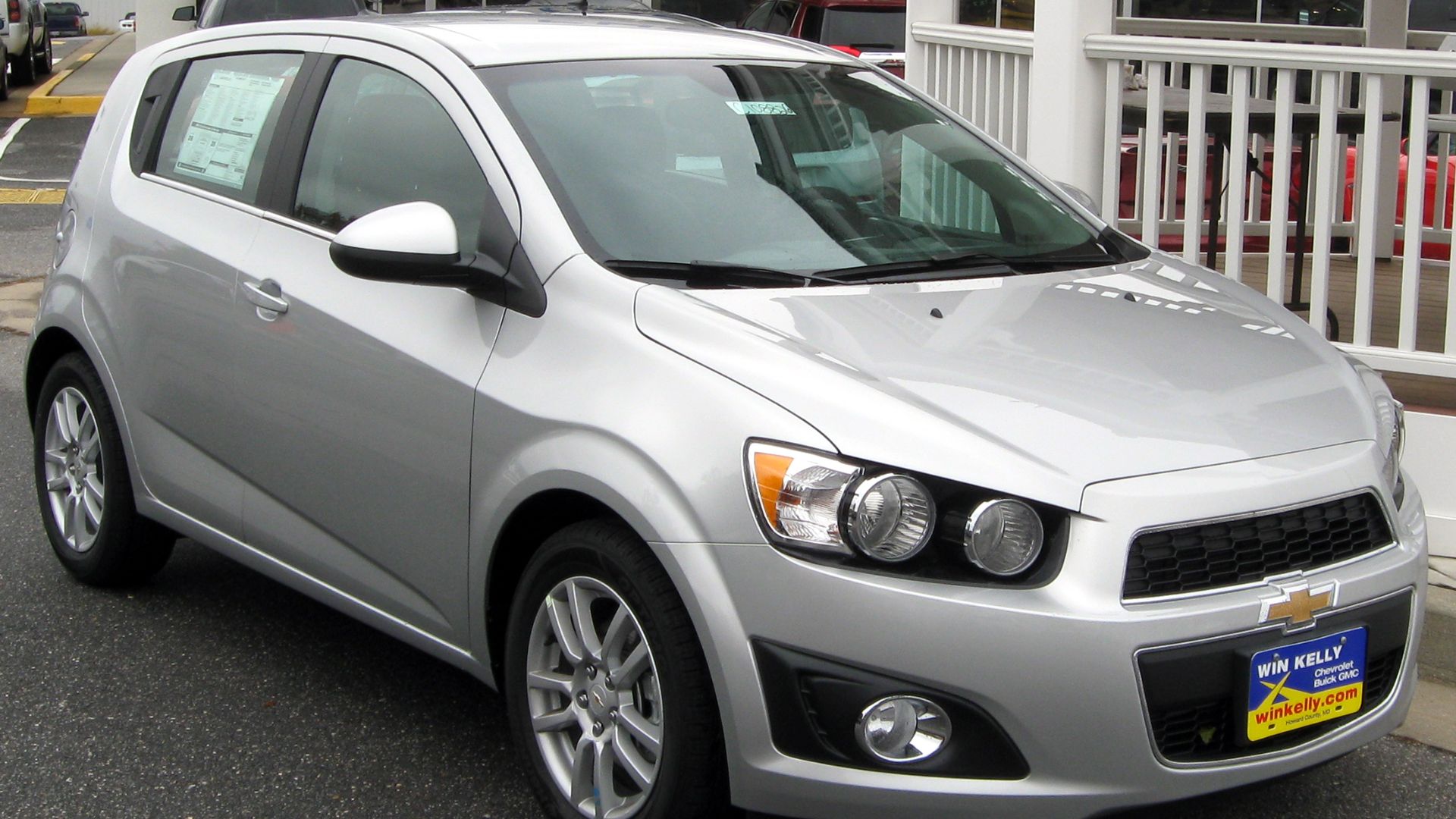
Owners of the 2014 Chevrolet Sonic often face five primary issues: cooling system leaks, PCV system/oil leaks, transmission shift hesitation, premature suspension wear, and electrical sensor failures. Left unaddressed, these minor nuisances typically evolve into catastrophic engine failure, transmission replacement, or costly electrical diagnostic marathons.
The 2014 Chevrolet Sonic was a cornerstone of GM’s small-car strategy, offering a mix of fuel efficiency and modern tech in both sedan and hatchback configurations. However, as we look at these vehicles in 2026, they are now well into their "senior" years. With most units having exceeded the 120,000-mile mark, the way common mechanical issues manifest has shifted from simple warranty repairs to complex, interconnected system failures. Understanding the lifecycle of these defects is essential for any owner or used-car buyer looking to keep these vehicles on the road without overspending on reactive repairs.
1. Cooling System Degradation: From Seepage to Overheating
The most notorious issue with the 2014 Chevy Sonic involves the cooling system, specifically the plastic components used in the thermostat housing, water pump, and coolant bypass pipes. In both the 1.4L Turbo (LUV) and 1.8L (LUW/LWE) engines, these components are subject to extreme heat cycles that eventually make the plastic brittle.
The Initial Stage: The "Sweet" Smell
In the early stages of this problem, you may notice a faint smell of antifreeze after a long drive, even if there are no visible puddles on the ground. This is often due to "seepage" where coolant escapes through hairline cracks in the plastic thermostat housing or the water pump seal and evaporates immediately on the hot engine block.
The Evolution: Pressure-Induced Failure
As the plastic continues to degrade, these hairline cracks expand. By 2026, many Sonics have gone through at least one replacement of these parts. If an owner uses low-quality aftermarket plastic replacements instead of upgraded aluminum components, the cycle repeats. A minor leak leads to a drop in system pressure, which lowers the boiling point of the coolant. This causes the engine to run hotter than intended, further accelerating the degradation of rubber hoses and the radiator end tanks.
The Terminal Result: Warped Cylinder Heads
If the cooling system isn't addressed, the eventual "evolution" is a sudden, total loss of coolant. Because the Sonic's temperature gauge is often buffered by the computer, by the time the driver sees a warning light, the engine may already be overheating. In the 1.4L Turbo models, this frequently results in a warped cylinder head or a blown head gasket, repairs that often exceed the current market value of the vehicle.
2. PCV System and Oil Leak Cascade
The 2014 Sonic, particularly the 1.4L Turbo model, features a unique but flawed Positive Crankcase Ventilation (PCV) system. Unlike traditional cars where the PCV valve is a simple, replaceable plastic piece, the Sonic integrates the PCV diaphragm into the engine’s valve cover.
The Initial Stage: The "Chewbacca" Noise
The first sign of failure is often a high-pitched whistling or "chirping" noise from the engine bay at idle. This occurs when the integrated diaphragm in the valve cover tears, creating a vacuum leak. This often triggers a Check Engine Light (CEL) with codes like P0171 (System Too Lean).
The Evolution: Pressure Reversal and Seal Blowouts
When the PCV valve fails, it can no longer regulate the pressure inside the engine crankcase. Instead of venting gases, the system may allow intake manifold pressure to pump directly into the crankcase. This "evolves" the problem from a simple vacuum leak into a systemic oil leak issue. The excess pressure looks for the weakest point of exit, which usually ends up being the crankshaft seals or the oil pan gasket.
The Terminal Result: Turbo and Main Seal Failure
If the valve cover and the associated "check valve" inside the intake manifold are not replaced, the constant pressure will eventually "blow out" the rear main seal. This requires removing the transmission to fix. Furthermore, improper crankcase pressure interferes with the oil drainage from the turbocharger, leading to premature turbo failure and oil consumption.
3. Transmission Hesitation and Solenoid Wear
The 6T30 and 6T40 six-speed automatic transmissions in the 2014 Sonic were designed for fuel economy, but they have a history of developing "clunky" behavior as they age.
The Initial Stage: Harsh Shifting
Early symptoms usually involve a slight hesitation when shifting from second to third gear or a "thud" when engaging reverse. This is often caused by debris in the transmission fluid or a software calibration issue. Many owners in the mid-2010s were able to solve this with a simple "relearn" procedure performed by a dealer.
The Evolution: Solenoid and Wave Plate Fatigue
As the vehicle reaches 2026-era mileages, the problem evolves into mechanical wear. The solenoids that control fluid flow within the Transmission Control Module (TCM) become clogged or physically worn. This results in "flaring," where the engine RPMs spike between shifts because the transmission isn't gripping the next gear quickly enough. This creates excessive heat, which further degrades the transmission fluid.
The Terminal Result: Total Gear Loss
Continuous flaring leads to the physical disintegration of the "wave plates" or clutch packs inside the unit. Once these metal components break, they send shards through the entire transmission, leading to a total loss of movement. At this stage, a complete rebuild or replacement is the only option, making regular fluid exchanges every 45,000 miles a critical preventative measure for surviving Sonic owners.
4. Suspension Noise: Sway Bar Links and Strut Mounts
The Chevy Sonic was praised for its nimble handling, but the lightweight suspension components are prone to developing noise and play relatively early in their lifespan.
The Initial Stage: The Front-End Clunk
The most common complaint is a "clunking" or "rattling" noise when driving over small bumps or uneven pavement at low speeds. In 90% of cases, this is caused by the factory sway bar end links. The original equipment (OEM) links used plastic sockets that wear out quickly.
The Evolution: Strut and Bushing Failure
If the clunking is ignored, the vibration and improper movement begin to put extra stress on the strut tower mounts and the lower control arm bushings. By 2026, most Sonics will have significantly "softened" suspension, leading to poor tire wear patterns (cupping) and diminished braking performance.
The Terminal Result: Unsafe Handling and Alignment Issues
The evolution of suspension wear eventually makes the car difficult to align. Worn-out bushings allow the wheels to shift slightly under load, causing the car to "wander" on the highway. While not usually a "terminal" mechanical failure, the cost of replacing struts, mounts, control arms, and links simultaneously often leads owners to trade the vehicle in rather than repair it.
5. Electrical Gremlins and Sensor Failures
The 2014 Sonic relies heavily on a network of sensors to manage its small-displacement, high-output engines. As the wiring harnesses age and are exposed to engine heat, electrical issues become more prevalent.
The Initial Stage: Intermittent StabiliTrak Warnings
One of the most common early electrical issues is the "Service StabiliTrak" light flickering on and off. While this sounds like a brake or traction issue, it is often a "phantom" symptom of an engine misfire. A failing ignition coil pack is the usual culprit.
The Evolution: The Multi-Code "Limp Mode"
As the ignition coil pack or the mass airflow (MAF) sensor continues to degrade, the car's computer (ECM) can no longer accurately calculate the air-fuel ratio. This evolves into the car entering "Limp Home Mode," where power is severely restricted to protect the engine. In 2026, we also see many issues with the negative battery cable; a known defect where the internal resistance increases, causing the entire electrical system to behave erratically.
The Terminal Result: ECU Communication Errors
The final stage of these electrical issues involves corroded ground points or damaged wiring harnesses (often due to heat or rodent damage in older cars). This can lead to communication failures between the engine and transmission modules, resulting in a car that cranks but won't start, or a dashboard that lights up like a Christmas tree with no clear diagnostic path.
Repair and Maintenance Comparison Table
The following table outlines the estimated costs (in 2026 dollars) and the "Evolution Timeline" for these common 2014 Chevy Sonic issues.
| Problem Area | Early Symptom | Evolution (The "Wait" Penalty) | Estimated Repair Cost (Early vs. Late) |
|---|---|---|---|
| Cooling System | Sweet smell/Small leaks | Overheating/Warped Head | $300 (Hose/Housing) vs. $2,500+ (Head Gasket) |
| PCV / Oil Leaks | Whistling noise/Lean code | Rear main seal blowout | $200 (Valve Cover) vs. $1,800+ (Main Seal) |
| Transmission | Harsh 2-3 shift | Total gear slip/Failure | $250 (Fluid/Flash) vs. $3,500+ (Rebuild) |
| Suspension | Clunking over bumps | Tire cupping/Alignment drift | $150 (Links) vs. $1,200 (Full Front End) |
| Electrical | StabiliTrak light | Limp mode/No start | $180 (Coil Pack) vs. $800+ (Wiring/ECM) |
Frequently Asked Questions
Is the 2014 Chevy Sonic a reliable car in 2026?
Reliability in 2026 depends heavily on the vehicle's maintenance history. If the cooling system has been upgraded to aluminum components and the transmission fluid has been changed regularly, the Sonic can be a dependable commuter. However, "neglected" units are likely to suffer from the cascading failures mentioned above.
Why does my Chevy Sonic smell like coolant but isn't leaking on the ground?
This is usually due to a "weeping" water pump or a cracked plastic thermostat housing. The coolant leaks slowly and dries on the hot engine before it can hit the ground. Check the water pump pulley area and the plastic "T-junction" hoses for white or orange crusty residue, which indicates dried Dex-Cool.
Can I replace the PCV valve myself?
On the 1.4L Turbo engine, the PCV valve is built into the valve cover. You must replace the entire valve cover assembly. It is a relatively straightforward DIY job requiring basic hand tools, but you must also check the "orange nipple" check valve inside the intake manifold; if that is missing, the new valve cover will fail almost immediately.
How often should I change the transmission fluid in a 2014 Sonic?
While original manuals may have suggested longer intervals, in 2026, most experts recommend a "drain and fill" every 40,000 to 50,000 miles. These transmissions run hot, and fresh fluid is the cheapest way to prevent the solenoid wear that leads to total unit failure.
Does the 2014 Sonic have a timing belt or a chain?
It depends on the engine. The 1.8L engine has a timing belt that requires replacement every 100,000 miles. The 1.4L Turbo engine uses a timing chain, which is generally designed to last the life of the engine but can stretch if oil changes are neglected.
Final Recommendation for Owners and Buyers
For those currently owning or considering a 2014 Chevrolet Sonic in 2026, the key to longevity is proactive replacement. Do not wait for the plastic cooling components to fail; if they are original, replace them with aluminum aftermarket upgrades immediately. Similarly, if you hear a whistle from the engine or feel a rough shift, address it within the week.
The "evolution" of Sonic problems is almost always a move from a cheap, plastic peripheral part to a major internal mechanical failure. By spending a few hundred dollars on "Phase 1" symptoms, you can avoid the multi-thousand-dollar "Terminal Phase" repairs that typically send these cars to the scrap yard. For more information on specific recalls or safety bulletins, consult the NHTSA (National Highway Traffic Safety Administration) database to ensure all factory-mandated fixes have been applied to your VIN.