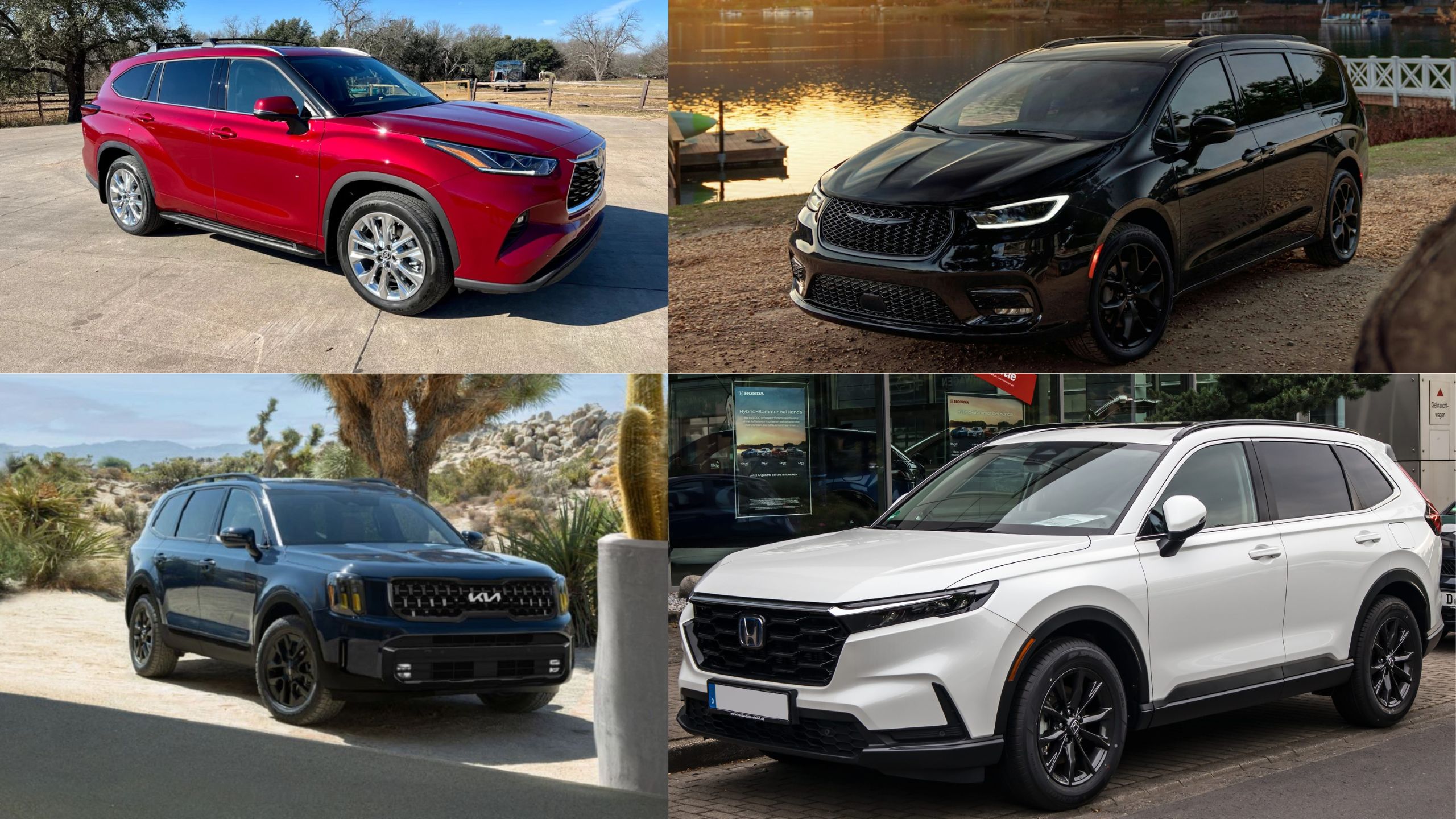
Finding the right vehicle for a growing family requires balancing daily practicality, cargo flexibility, robust safety ratings, and long-term ownership costs. This comprehensive guide compares five top-tier vehicles designed to accommodate expanding households without sacrificing driving dynamics or modern comfort features.
Selecting a family vehicle is one of the most significant purchasing decisions a household can make. As children transition from rear-facing infant seats to forward-facing car seats, booster seats, and eventually sports gear-toting adolescents, space requirements shift dramatically. Modern family vehicles must offer more than just seating capacity; they require reconfigurable interiors, intuitive infotainment systems, advanced driver-assistance technologies, and robust safety architecture.
Evaluating the top contenders in the family vehicle market requires looking past standard marketing claims. This analysis examines five leading options across different segments—ranging from spacious midsize and full-size three-row SUVs to a dedicated family minivan—to help you determine which model aligns best with your household's unique lifestyle, daily mileage requirements, and long-term budget.
Understanding Family Vehicle Categories
Before comparing specific models, it is essential to understand how different vehicle architectures serve growing families. The automotive market generally divides family transport into two primary categories: three-row SUVs and minivans.
Three-row SUVs dominate current sales charts due to their commanding driving position, available all-wheel-drive systems for adverse weather, and rugged aesthetic appeal. However, minivans remain the gold standard for pure packaging efficiency. Sliding doors eliminate parking lot dings and make loading children into tight spaces effortless, while low step-in heights and cavernous cargo capacities make road trips significantly more manageable.
When assessing these vehicles, buyers should prioritize:
- LATCH Accessibility: The ease and positioning of Lower Anchors and Tethers for CHildren points.
- Cargo Flexibility: Usable space behind the third row versus maximum volume with all rear seats folded flat.
- Active Safety Features: Standard versus optional driver assists like automatic emergency braking, blind-spot monitoring, and rear cross-traffic alert.
- Cabin Durability: Materials that resist staining, scuffing, and easy cleaning after inevitable spills.
1. Honda Odyssey: The Ultimate Practicality Choice
The Honda Odyssey has long served as a benchmark for family transportation, prioritizing ergonomic genius and uncompromised passenger comfort.
Performance and Driving Dynamics
Powered by a responsive 3.5-liter V6 engine producing 280 horsepower and paired with a smooth 10-speed automatic transmission, the Odyssey delivers confident acceleration and composed handling. Its car-like platform ensures a ride quality that minimizes motion sickness on long journeys, outperforming many taller utility vehicles in agility and braking composure.
Interior Flexibility and Technology
The standout feature of the Odyssey is its interior packaging. Higher trim levels feature "Magic Slide" second-row seats that can slide laterally as well as fore and aft, allowing parents to push seats together for easier access to the third row or apart to keep squabbling siblings separated.
- Pros: Exceptional fuel economy for its class, highly versatile second-row seating, generous under-floor storage.
- Cons: All-wheel drive is not available, styling leans heavily into traditional minivan aesthetics.
2. Kia Telluride: The Premium Midsize SUV Standard
The Kia Telluride has captured significant market share by offering near-luxury styling, features, and comfort at a mainstream price point.
Interior Comfort and Passenger Space
Designed specifically for North American tastes, the Telluride provides a spacious cabin across all three rows. Even adults can fit reasonably well in the third row, which is a rarity in the midsize SUV segment. Second-row captain’s chairs or a bench seat allow configurations for up to eight passengers.
Safety and Technology Suite
Kia equips the Telluride with an extensive suite of standard safety features, including forward collision-avoidance assist, lane-keeping assist, and rear occupant alert systems designed to prevent children or pets from being left behind in the vehicle. The user interface relies on crisp, responsive touchscreen displays with intuitive menu structures.
- Pros: Upscale interior design, comprehensive standard safety tech, comfortable ride quality.
- Cons: High demand can lead to limited inventory or dealer markups, fuel economy is average for the class.
3. Toyota Highlander (and Grand Highlander): Expanding Horizons
Toyota’s Highlander lineup has been a staple for families, but the introduction of the Grand Highlander expands the footprint to solve the traditional SUV drawback: third-row legroom.
Maximizing Space with the Grand Highlander
While the standard Highlander comfortably accommodates younger children, the Grand Highlander stretches the wheelbase to provide genuine adult-sized legroom in the third row and substantial cargo space behind it. This makes it an ideal option for families transitioning from strollers to bulky sports equipment and luggage.
Powertrain Efficiency
Toyota's reputation for reliability is complemented by efficient powertrain options, including a highly praised hybrid system that significantly reduces fuel consumption during city driving and school drop-off lines.
- Pros: Excellent reliability history, highly efficient hybrid options available, robust resale value.
- Cons: Continuously Variable Transmission (CVT) can drone under heavy acceleration on standard hybrid models.
4. Chrysler Pacifica: Innovation and All-Weather Capability
The Chrysler Pacifica stands out in the minivan segment by combining clever interior storage solutions with the unique availability of an all-wheel-drive system and a plug-in hybrid variant.
Stow 'n Go Seating
The Pacifica’s defining innovation is its Stow 'n Go second- and third-row seating system, which allows the seats to fold completely flat into floor wells. This transforms the passenger van into a cargo hauler in seconds without requiring heavy lifting or storage space in your garage for removed seats.
Plug-in Hybrid Efficiency
For families with short daily commutes, the Pacifica Plug-in Hybrid (PHEV) offers an electric-only driving range before transitioning to standard gasoline-hybrid operation, lowering fuel costs for local errands. Note that the PHEV version sacrifices the second-row Stow 'n Go seating due to the battery pack placement.
- Pros: Only minivan in its class offering available AWD, plug-in hybrid efficiency option, unmatched floor storage.
- Cons: Reliability ratings historically trail some Japanese competitors, base pricing climbs quickly with options.
5. Subaru Ascent: Rugged Capability and Standard Safety
For families residing in snowy climates or those who enjoy weekend outdoor adventures, the Subaru Ascent provides standard symmetrical all-wheel drive and rugged mechanical architecture.
Safety and All-Weather Performance
Subaru’s EyeSight Driver Assist technology comes standard, offering adaptive cruise control, lane-centering, and pre-collision braking. Combined with 8.7 inches of ground clearance, the Ascent inspires confidence when navigating unpaved roads, heavy rain, or winter snowstorms.
Cabin Layout
The Ascent offers configurations for seven or eight passengers, with numerous cup holders and USB ports distributed across all three rows to keep electronic devices charged and drinks secure.
- Pros: Standard all-wheel drive, strong safety scores, budget-friendly entry pricing.
- Cons: Third row and cargo area are tighter than segment leaders like the Telluride or Grand Highlander.
Comparative Vehicle Analysis
To help weigh your options, review the key specifications, seating capacities, and standout features of these five vehicles side by side:
| Vehicle Model | Segment | Max Seating | Drive Type | Standout Family Feature | Fuel Economy (Est.) |
|---|---|---|---|---|---|
| Honda Odyssey | Minivan | 8 | Front-Wheel Drive | Magic Slide second-row seats | 19 city / 28 hwy mpg |
| Kia Telluride | Midsize SUV | 8 | FWD / All-Wheel Drive | Upscale interior & robust standard tech | 20 city / 26 hwy mpg |
| Toyota Grand Highlander | Full-Size SUV | 8 | FWD / AWD / Hybrid | Expansive third-row and cargo space | 21 city / 28 hwy mpg (Hybrid) |
| Chrysler Pacifica | Minivan | 7-8 | FWD / Available AWD | Stow 'n Go folding seats | 19 city / 28 hwy mpg (Gas) |
| Subaru Ascent | Midsize SUV | 8 | Standard AWD | Standard EyeSight safety & high ground clearance | 20 city / 26 hwy mpg |
Key Considerations When Choosing
When narrowing down your final choice, evaluate your daily routines rather than theoretical needs.
- The Garage Test: Measure your garage length and height clearances. Full-size SUVs and minivans require substantial footprint space, and power liftgates need adequate vertical clearance to open safely indoors.
- Car Seat Compatibility: Bring your actual car seats to the dealership. Test how easily they click into LATCH anchors and verify whether front passengers maintain adequate legroom when rear-facing seats are installed.
- Long-Term Cost of Ownership: Factor in insurance group ratings, projected depreciation, and routine maintenance costs. Hybrid models often command a higher upfront purchase price but yield significant fuel savings over years of school runs and road trips.
Frequently Asked Questions
Are minivans safer than three-row SUVs for families?
Both minivans and modern three-row SUVs undergo rigorous crash testing by agencies like the Insurance Institute for Highway Safety (IIHS) and the National Highway Traffic Safety Administration (NHTSA). Many minivans achieve top safety marks, and their lower center of gravity can reduce rollover risks compared to taller utility vehicles.
Is all-wheel drive necessary for a growing family?
All-wheel drive is primarily beneficial if you frequently drive in heavy snow, ice, or unpaved terrain. For families in temperate climates, front-wheel-drive or rear-wheel-drive vehicles paired with a dedicated set of winter tires provide superior cold-weather stopping and turning capability compared to all-wheel drive on standard all-season tires.
How many LATCH points do most family vehicles have?
Most modern three-row SUVs and minivans feature at least three or four complete LATCH lower anchor sets, usually distributed across the second row and the outer seats of the third row, alongside top tether anchors for nearly all rear seating positions.
Do I need a full-size SUV, or will a midsize suffice?
If you routinely transport more than five passengers while carrying luggage, strollers, or groceries, a full-size SUV or minivan provides significantly more functional cargo space than a traditional midsize SUV, which often compromises rear cargo room when the third row is upright.
Final Recommendation
Your ideal vehicle depends entirely on your lifestyle priorities. If maximum cargo flexibility, effortless loading, and passenger comfort are your primary goals, a minivan like the Honda Odyssey or Chrysler Pacifica remains unbeatable. If you prefer utility styling, all-weather confidence, and upscale cabin amenities without sacrificing seating capacity, the Kia Telluride or Toyota Grand Highlander serve as exceptional investments for a growing household. Test drive your top two choices with your family and car seats installed to make the most informed decision.