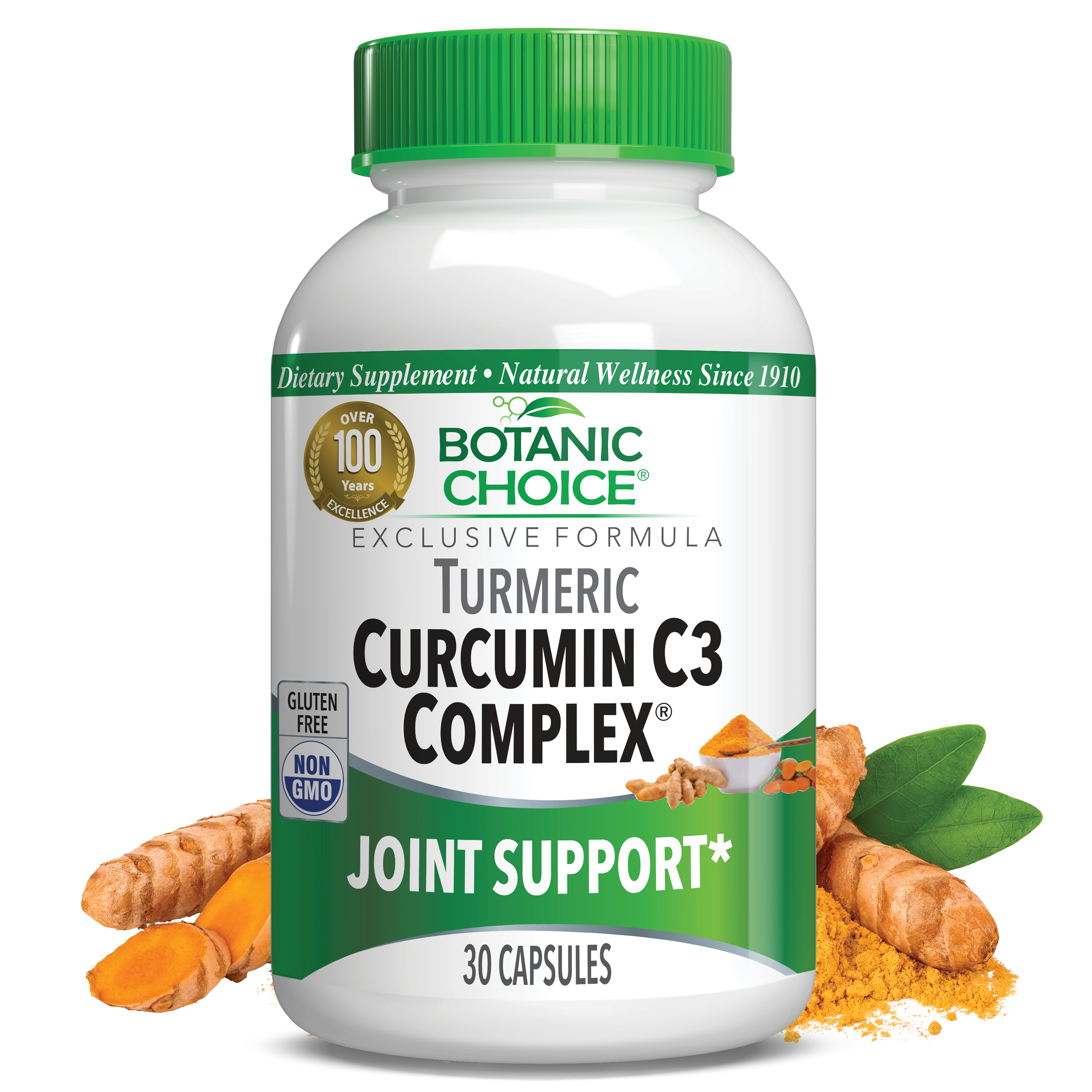
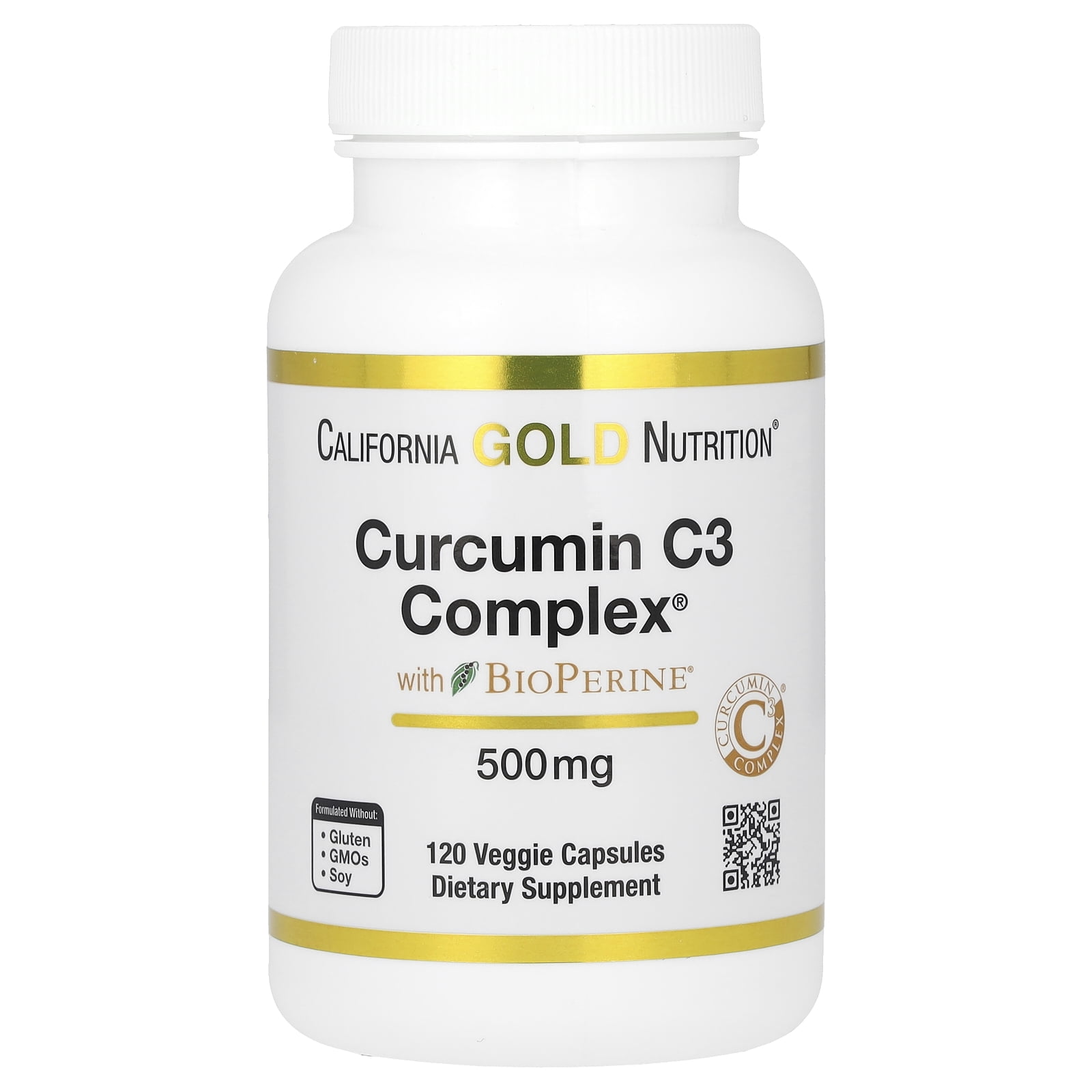
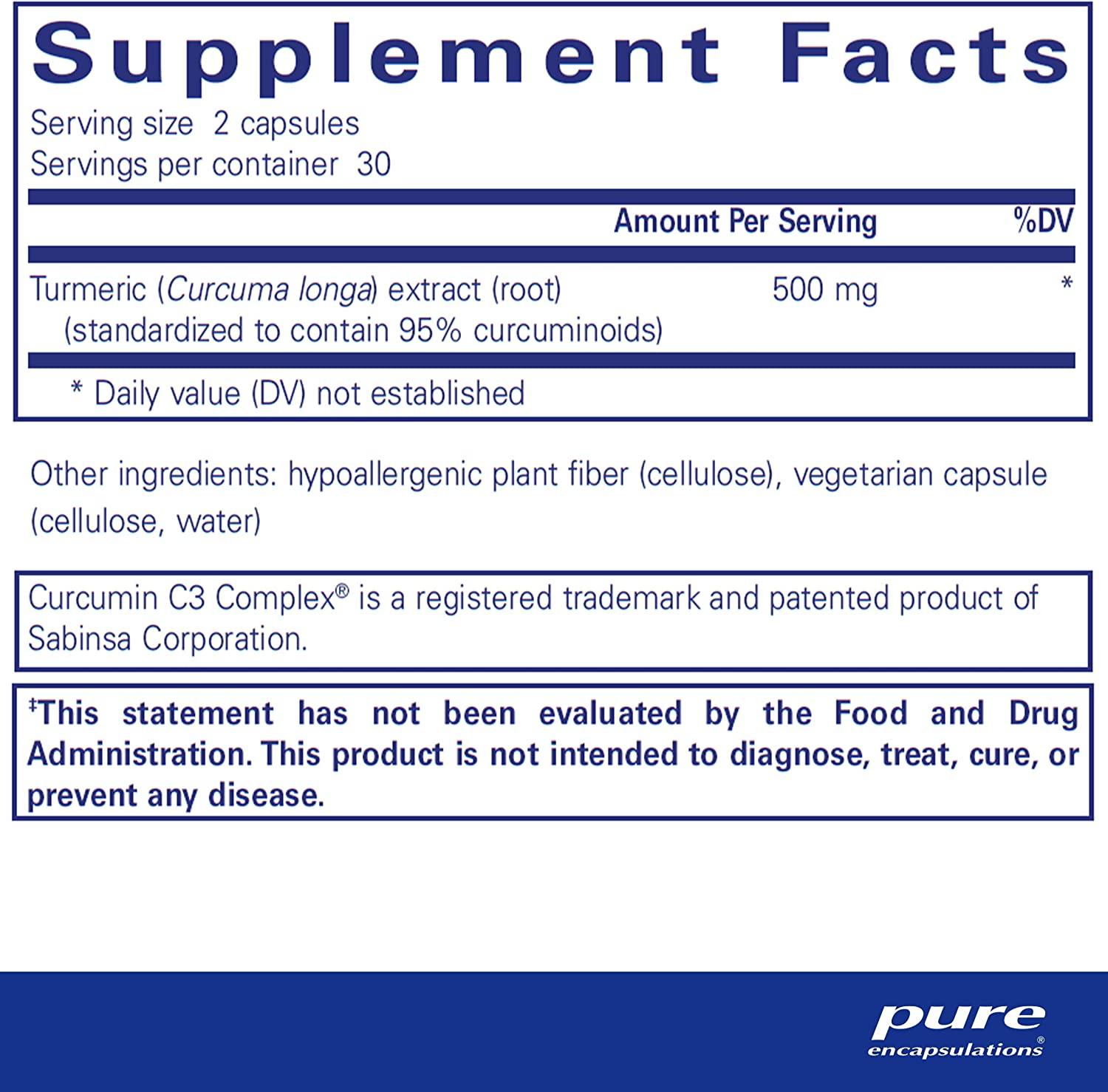
Curcumin C3 Complex® is a patented, clinically validated extract derived from the dried rhizomes of turmeric (Curcuma longa), standardized to contain at least 95% total curcuminoids. Its five primary health benefits include systemic anti-inflammatory regulation, dual-action antioxidant defense, targeted joint mobility support, endothelial and cardiovascular optimization, and enhanced metabolic balance.
Disclaimer: This article is for informational purposes only and does not constitute medical advice. Consult a qualified healthcare professional before beginning any new dietary supplement, particularly if you have existing health conditions or take prescription medications.
Understanding Curcumin C3 Complex: Molecular Composition and Standardization
While culinary turmeric powder contains roughly 2% to 5% active curcuminoids by weight, standardized botanical extracts offer concentrated therapeutic compounds. Among specialized extracts, Curcumin C3 Complex occupies a unique position in nutritional science. Developed as a proprietary formulation, the "C3" designation refers to its three primary active curcuminoids, present in a precise, naturally occurring ratio:
- Curcumin (Diferuloylmethane): Comprises approximately 75% to 80% of the total extract. It is the most widely researched curcuminoid, recognized for its potent modulation of inflammatory signaling cascades.
- Demethoxycurcumin (DMC): Accounts for roughly 15% to 20% of the extract. DMC exhibits high chemical stability and reinforces the antioxidant capacity of the complex.
- Bisdemethoxycurcumin (BDMC): Makes up approximately 2% to 5% of the total profile. Although present in smaller quantities, BDMC provides unique molecular stability and exhibits powerful anti-inflammatory and cellular protective properties.
- Curcumin C3 Complex® (Standardized to ≥ 95% Curcuminoids)
- Curcumin (Diferuloylmethane) (75% - 80%)
- Demethoxycurcumin (DMC) (15% - 20%)
- Bisdemethoxycurcumin (BDMC) (2% - 5%)
The synergistic interaction between these three distinct chemical structures makes C3 Complex significantly more stable against thermal degradation and oxidation than purified, isolated curcumin alone. Furthermore, C3 Complex holds Generally Recognized As Safe (GRAS) status and has been utilized as the standardized subject material in hundreds of peer-reviewed clinical studies worldwide.
The 5 Key Benefits of Curcumin C3 Complex
1. Systemic Anti-Inflammatory Regulation
Chronic, low-grade systemic inflammation contributes to many modern health challenges, including joint degeneration, metabolic dysfunction, and cardiovascular distress. Unlike pharmaceutical anti-inflammatory agents that typically target a single enzyme (such as COX-2 inhibitors), Curcumin C3 Complex functions as a multi-target botanical agent.
At the cellular level, the three curcuminoids in C3 Complex inhibit the activation of Nuclear Factor-kappa B (NF-κB), a master transcription factor that turns on genes responsible for inflammatory responses. By suppressing NF-κB translocation into the cell nucleus, C3 Complex downregulates the downstream production of several key inflammatory mediators:
- Cyclooxygenase-2 (COX-2) and 5-Lipoxygenase (5-LOX): Enzymes responsible for producing pro-inflammatory eicosanoids, such as prostaglandins and leukotrienes.
- Pro-inflammatory Cytokines: Signaling proteins including Tumor Necrosis Factor-alpha (TNF-α), Interleukin-1 beta (IL-1β), and Interleukin-6 (IL-6).
- Inducible Nitric Oxide Synthase (iNOS): An enzyme that, when overexpressed, generates excessive nitric oxide, leading to tissue irritation and peroxynitrite formation.
By modulating these pathways simultaneously, Curcumin C3 Complex helps restore systemic inflammatory balance without causing the gastrointestinal lining erosion frequently associated with synthetic non-steroidal anti-inflammatory drugs (NSAIDs).
2. Dual-Action Antioxidant Defense
Oxidative stress occurs when there is an imbalance between the generation of reactive oxygen species (ROS) and the body's ability to neutralize them. Unchecked free radicals cause oxidative damage to lipids, proteins, and cellular DNA, accelerating cellular aging and tissue dysfunction.
Curcumin C3 Complex provides a dual-action mechanism against oxidative degradation:
Direct Free Radical Scavenging
The chemical structures of curcumin, DMC, and BDMC contain phenolic hydroxyl groups and β-diketone moieties. These functional groups directly donate hydrogen atoms or electrons to neutralize free radicals—including hydroxyl radicals, superoxide anions, and singlet oxygen—before they can attack cell membranes.
Upregulation of Endogenous Antioxidant Enzymes
Beyond direct scavenging, C3 Complex activates the Nrf2 (Nuclear Factor Erythroid 2-Related Factor 2) signaling pathway. Nrf2 acts as the master regulator of the body's antioxidant response. When activated, it binds to Antioxidant Response Elements (ARE) in the cell nucleus, stimulating the synthesis of key internal protective enzymes:
- Superoxide Dismutase (SOD): Converts harmful superoxide radicals into hydrogen peroxide.
- Catalase (CAT): Neutralizes hydrogen peroxide into harmless water and oxygen.
- Glutathione Peroxidase (GPx): Protects cellular lipids from oxidative breakdown (lipid peroxidation).
This dual approach means C3 Complex actively quenches existing free radicals while simultaneously training host cells to build long-term resistance against future oxidative stress.
3. Enhanced Joint Comfort, Mobility, and Cartilage Protection
Joint discomfort, stiffness, and reduced physical flexibility often stem from ongoing inflammation within the synovial membrane and the progressive degradation of extracellular matrix proteins in articular cartilage.
Clinical trials examining standardized curcuminoids have demonstrated substantial benefits for individuals suffering from joint wear and osteoarthritis. Curcumin C3 Complex supports articular joint health through three distinct mechanisms:
- Suppression of Matrix Metalloproteinases (MMPs): MMP-1, MMP-3, and MMP-13 are enzymes that break down collagen and proteoglycans in cartilage. C3 Complex suppresses the expression of these destructive enzymes, helping preserve joint cartilage integrity.
- Inhibition of Chondrocyte Apoptosis: By lowering localized inflammatory cytokines within the joint space, the extract prevents premature cell death in chondrocytes (the cells responsible for maintaining cartilage tissue).
- Reduction of Pain Signaling: By inhibiting prostaglandin E2 ($PGE_2$) synthesis, C3 Complex attenuates joint pain sensitivity, allowing for improved functional mobility, walking distance, and reduced morning stiffness.
Clinical studies evaluating subjects using standardized curcuminoid complexes have consistently reported reductions in Western Ontario and McMaster Universities Osteoarthritis Index (WOMAC) scores, reflecting measurable improvements in daily physical comfort and mobility.
4. Cardiovascular Protection and Endothelial Function Support
The endothelium—the thin layer of cells lining the inner surfaces of blood vessels and heart chambers—plays a critical role in controlling vascular tone, blood pressure, and blood clotting. Endothelial dysfunction is an early indicator of arterial stiffness and cardiovascular risk.
Curcumin C3 Complex supports cardiovascular health through multiple vascular pathways:
- Endothelial Nitric Oxide Synthase (eNOS) Activation: C3 Complex promotes the activity of eNOS, an enzyme that produces nitric oxide (NO) within vascular tissue. Nitric oxide signals the smooth muscle cells surrounding blood vessels to relax, supporting healthy arterial vasodilation and normal blood pressure levels.
- Inhibition of LDL Oxidation: Low-density lipoprotein (LDL) cholesterol poses a significantly greater cardiovascular risk when it undergoes oxidation. The antioxidant properties of C3 Complex reduce the lipid peroxidation of LDL particles, preventing their uptake by macrophages and reducing plaque-forming foam cell creation.
- Reduction of Vascular Adhesion Molecules: By lowering inflammation, C3 Complex suppresses the expression of Vascular Cell Adhesion Molecule-1 (VCAM-1) and Intercellular Adhesion Molecule-1 (ICAM-1), preventing immune cells from adhering to arterial walls.
Together, these mechanisms support vascular elasticity, promote clear arterial pathways, and maintain normal circulatory dynamics.
5. Metabolic Regulation and Glycemic Balance
Metabolic health relies heavily on optimal insulin sensitivity, balanced lipid metabolism, and controlled inflammation within adipose (fat) tissue. Chronic low-grade inflammation in liver and fat tissues can disrupt insulin receptor signaling, contributing to elevated blood glucose levels and dyslipidemia.
Curcumin C3 Complex supports metabolic stability by interacting with key metabolic switches:
Curcumin C3 Complex®
- Activates AMPK Pathway
- Enhances Glucose Uptake
- Improves Insulin Sensitivity
- Lowers Fasting Blood Sugar
- Modulates PPAR-γ Receptors
- Reduces Hepatic Fat
- Normalizes Lipid Profile
- Lowers Triglycerides
- Activates AMPK Pathway
AMP-Activated Protein Kinase (AMPK) Activation: AMPK acts as a cellular energy sensor. C3 Complex stimulates AMPK activity in liver, muscle, and adipose tissue, which enhances glucose uptake by cells, promotes fatty acid oxidation, and suppresses excessive glucose production by the liver.
Peroxisome Proliferator-Activated Receptor Gamma (PPAR-γ) Modulation: C3 Complex interacts with PPAR-γ receptors, aiding in the regulation of lipid storage and glucose metabolism. This helps lower circulating triglycerides, improve high-density lipoprotein (HDL) functionality, and reduce fat accumulation in liver tissue (hepatic steatosis).
Adipokine Normalization: The extract balances key signals produced by fat tissue, raising levels of anti-inflammatory adiponectin (which increases insulin sensitivity) while suppressing pro-inflammatory leptin resistance signals.
Bioavailability, Absorption, and Synergy with BioPerine®
Despite its potent therapeutic properties, raw curcumin exhibits naturally low bioavailability when consumed alone. Native curcumin molecules are lipophilic (fat-soluble), poorly absorbed across the intestinal epithelium, rapidly metabolized via glucuronidation and sulfation in the liver, and quickly excreted from the body.
To overcome these metabolic limitations, Curcumin C3 Complex is frequently co-formulated with BioPerine®, a standardized extract of black pepper fruit containing 95% piperine.
- BIOAVAILABILITY ENHANCEMENT MECHANISM
- Standard Curcumin Alone
- Rapid Glucuronidation in Liver
- Excreted
- Curcumin C3 Complex + BioPerine
- BioPerine Inhibits UDP-Glucuronosyltransferase (UGT)
- Extends Serum Half-Life & Increases Absorption by up to 2,000%
- Standard Curcumin Alone
Piperine enhances the bioavailability of C3 Complex through two main actions:
- Inhibition of Glucuronidation: Piperine temporarily inhibits the enzyme UDP-glucuronosyltransferase in the liver and intestinal mucosa, preventing the rapid breakdown of curcuminoids.
- Enhanced Intestinal Permeability: Piperine interacts with the intestinal brush border membrane, increasing cell membrane fluidity and enhancing nutrient absorption.
Clinical studies demonstrate that pairing Curcumin C3 Complex with piperine increases serum curcumin bioavailability by up to 2,000% (a 20-fold increase) compared to unformulated curcumin, allowing meaningful concentrations to reach target tissues throughout the body.
Comparative Analysis: Curcumin Formulations
The nutraceutical market offers various forms of turmeric and curcumin supplements. Understanding the distinctions between these delivery methods helps consumers and practitioners select the most effective option.
| Feature / Metric | Whole Turmeric Root Powder | Generic 95% Standardized Curcumin | Curcumin C3 Complex® | Curcumin C3 Complex® + BioPerine® | Phytosomal / Liposomal Curcumin |
|---|---|---|---|---|---|
| Curcuminoid Concentration | 2% – 5% | ~95% (Pure Curcumin) | ≥95% (Ratio-Balanced 3 Curcuminoids) | ≥95% (Ratio-Balanced 3 Curcuminoids) | 15% – 20% (Bound to phospholipids) |
| Composition Stability | Low (Varies by crop) | Variable | Highly Stable (Synergistic BDMC/DMC) | Highly Stable | Highly Stable |
| Relative Bioavailability | Baseline (1x) | Low (~1x – 2x) | Low-Moderate (~2x – 3x) | High (~20x Baseline) | High (~15x – 29x Baseline) |
| Clinical Study History | Moderate (Dietary) | Limited (Varies by supplier) | Extensive (200+ Published Papers) | Extensive (Gold standard in clinical trials) | Growing (Formulation-dependent) |
| Primary Advantage | Culinary use, whole food matrix | High purity single compound | Patented, predictable ratio of 3 active curcuminoids | Maximum bioavailability with proven clinical ratio | Enhanced absorption without piperine |
Dosage Guidelines, Safety Profile, and Potential Interactions
Recommended Daily Dosage
Clinical studies utilizing Curcumin C3 Complex typically administer dosages ranging from 500 mg to 1,500 mg per day, divided into one to three doses:
- General Antioxidant & Health Maintenance: 500 mg daily (taken with meals containing healthy fats).
- Joint Comfort & Systemic Inflammatory Support: 1,000 mg to 1,500 mg daily, ideally combined with 5 mg to 10 mg of BioPerine®.
Because curcuminoids are fat-soluble compounds, taking the supplement alongside a meal containing healthy lipids (such as olive oil, avocado, or dietary fats) further aids absorption.
Safety and Regulatory Status
Curcumin C3 Complex has undergone extensive toxicology and safety testing. It carries GRAS (Generally Recognized As Safe) status from the U.S. Food and Drug Administration (FDA) and has been assigned an Acceptable Daily Intake (ADI) by the Joint FAO/WHO Expert Committee on Food Additives (JECFA). Human clinical trials using doses up to 8,000 mg per day for extended periods have reported no severe adverse events.
Precautions and Contraindications
While well tolerated by most individuals, certain health conditions warrant caution:
- Anticoagulant and Antiplatelet Medications: Curcumin exhibits mild antiplatelet activity. Individuals taking blood thinners (such as warfarin, aspirin, or clopidogrel) should consult their physician before supplementation to avoid increasing bleeding risks.
- Gallbladder Disorders: Curcumin stimulates gallbladder contractions and bile secretion. Individuals with active gallstones or biliary tract obstructions should avoid high-dose curcuminoids.
- Surgical Procedures: Due to potential effects on blood clotting, supplementation should be discontinued at least two weeks prior to scheduled elective surgeries.
- Gastrointestinal Sensitivity: High doses may cause mild transient stomach discomfort, nausea, or loose stools in sensitive individuals. Taking the supplement with meals typically resolves these mild symptoms.
Frequently Asked Questions
What makes Curcumin C3 Complex different from standard turmeric powder?
Turmeric powder is the ground root of the Curcuma longa plant and contains only 2% to 5% curcuminoids by weight, along with starches and essential oils. Curcumin C3 Complex is a highly purified, standardized extract containing at least 95% active curcuminoids in a specific ratio of curcumin, demethoxycurcumin, and bisdemethoxycurcumin. You would need to consume tens of grams of raw turmeric powder daily to match the active compound delivery of a single C3 Complex capsule.
Why is BioPerine® often included with Curcumin C3 Complex?
Standard curcuminoids are poorly absorbed by the digestive tract and quickly metabolized by the liver. BioPerine® (a standardized black pepper extract containing 95% piperine) inhibits the liver enzyme glucuronidase, which normally breaks down curcumin. Adding BioPerine® increases the systemic absorption and bioavailability of Curcumin C3 Complex by up to 2,000%, allowing higher levels of active compounds to reach circulatory tissue.
How long does it take to experience the benefits of Curcumin C3 Complex?
Response times vary based on the health outcome being monitored. Antioxidant activity and subtle biochemical changes begin within hours of absorption. For noticeable reductions in joint discomfort, muscle soreness, or systemic stiffness, clinical studies indicate that consistent daily use for 4 to 8 weeks is typically required to achieve cumulative therapeutic tissue levels.
Can Curcumin C3 Complex be taken alongside prescription anti-inflammatory drugs?
While C3 Complex acts on similar inflammatory pathways (such as COX-2 and NF-κB) as over-the-counter NSAIDs, combining dietary supplements with prescription anti-inflammatory or pain medications should always be managed by a healthcare professional. Combining multiple compounds that affect blood clotting or mucosal lining integrity requires medical supervision.
Does Curcumin C3 Complex cause digestive side effects?
Curcumin C3 Complex is generally well tolerated. Unlike conventional synthetic anti-inflammatory medications, it does not inhibit protective COX-1 enzymes in the stomach lining. Mild gastrointestinal effects, such as light nausea or stomach upset, occur rarely and are usually prevented by taking the supplement with food.
Practical Recommendations for Supplement Selection
When evaluating Curcumin C3 Complex supplements, consider the following selection standards:
- Verify the Trademarked Brand: Confirm that the product label explicitly lists Curcumin C3 Complex®. Generic claims of "standardized 95% curcumin" do not guarantee the specific 3-curcuminoid ratio (Curcumin, DMC, BDMC) proprietary to the C3 formulation.
- Check for Absorption Enhancers: Look for formulations that pair C3 Complex with BioPerine® (5 mg to 10 mg per 500 mg dose) or utilize advanced liposomal/phytosomal delivery systems if you cannot tolerate piperine.
- Inspect Third-Party Testing: Choose manufacturers that provide independent Certificate of Analysis (CoA) verifications for potency, biological heavy metals (lead, arsenic, cadmium, mercury), residual solvents, and microbial contaminants.
- Consume with Fat-Containing Meals: To maximize intestinal uptake, schedule your capsule intake alongside meals containing dietary fats like avocado, eggs, nuts, or healthy oils.
By delivering a clinically validated ratio of standardized curcuminoids, Curcumin C3 Complex provides evidence-based support for systemic inflammatory balance, cellular antioxidant defense, joint functionality, cardiovascular health, and metabolic stability.