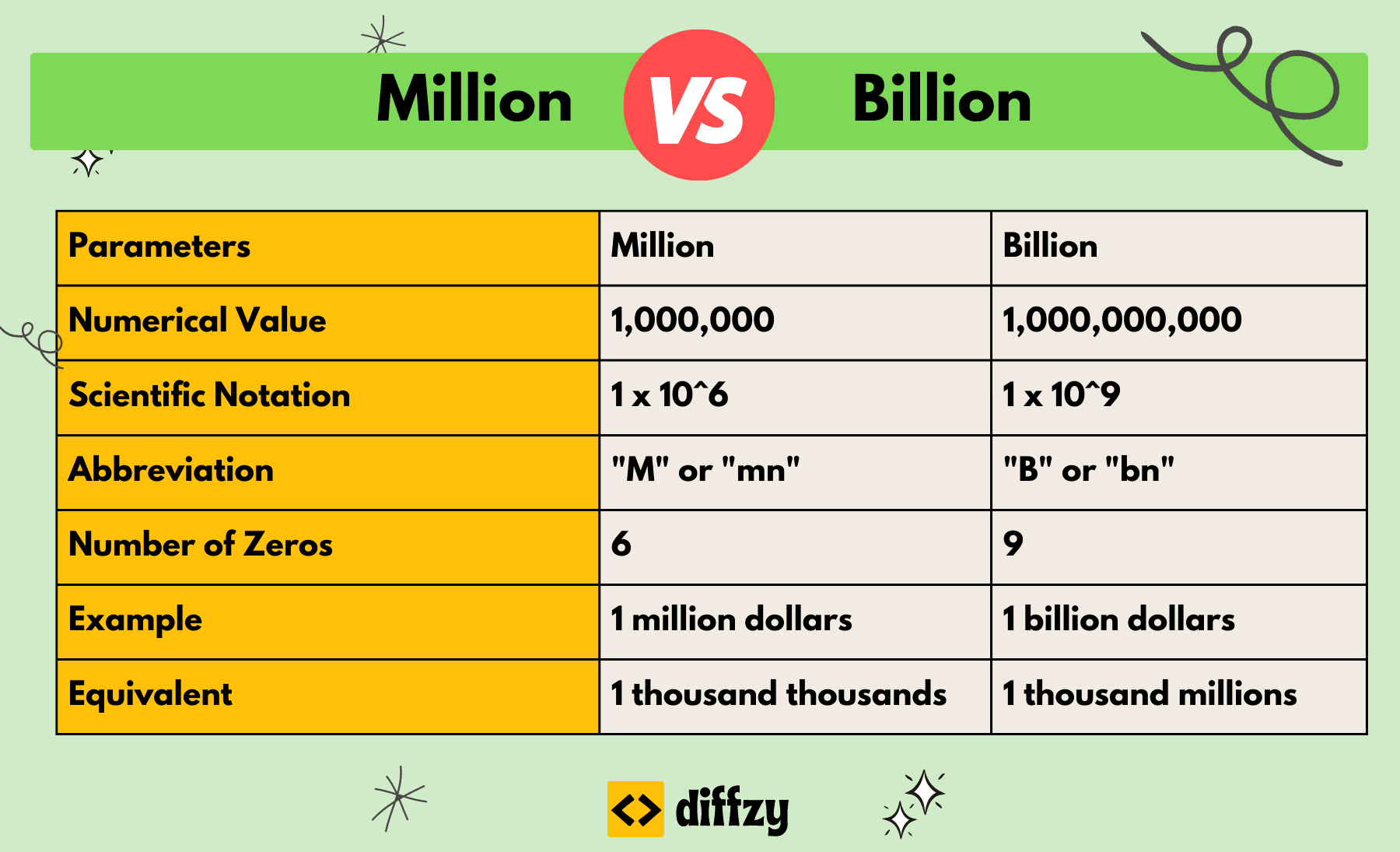
Evaluating high-net-worth brackets, such as a financial range spanning from $5.53 million to $8.10 million, requires a comprehensive examination of asset allocation, macroeconomic factors, tax planning, and liquidity management. This specific financial tier sits well above standard affluent classifications, often categorizing individuals or households within the mass affluent to high-net-worth individual (HNWI) threshold, approaching the ultra-high-net-worth boundary depending on regional definitions and liquid asset distribution.
Contextualizing High-Net-Worth Financial Tiers
To understand the mechanics of holding and managing wealth within the $5.53 million to $8.10 million range, one must first deconstruct how net worth is calculated and where this bracket stands within global and domestic wealth distribution. Net worth is fundamentally defined as total assets minus total liabilities. Assets encompass everything from primary residences and commercial real estate to retirement accounts, taxable brokerage portfolios, private equity stakes, and tangible personal property. Liabilities include mortgages, business loans, margin debt, and other financial obligations.
When an individual's net worth reaches the $5.53 million to $8.10 million tier, their financial profile shifts significantly compared to the median population. According to wealth intelligence reports and demographic data compiled by financial institutions, this bracket typically places a household in the top tier of earners and asset holders nationally. However, the qualitative experience of living with this net worth varies dramatically depending on whether the wealth is tied up in illiquid real estate and privately held businesses or sitting in readily accessible liquid market instruments.
Asset Allocation Strategies for Mid-Tier HNWIs
Managing a portfolio valued between $5.53 million and $8.10 million demands a sophisticated asset allocation strategy that balances wealth preservation with sustainable growth. Traditional models like the classic 60/40 stock-and-bond split often require customization for portfolios of this size to account for tax efficiency, inflation protection, and estate planning objectives.
Liquid Equity and Fixed Income Holdings
A substantial portion of a $5.53 million to $8.10 million portfolio is usually dedicated to public equities and fixed-income securities. In this tier, investors often move away from retail mutual funds and toward separately managed accounts (SMAs), exchange-traded funds (ETFs), and direct stock ownership. This shift allows for tax-loss harvesting—a strategy where capital losses are realized to offset capital gains, minimizing tax liability across taxable brokerage accounts.
Fixed-income allocations in this wealth bracket frequently incorporate municipal bonds, particularly for high-income earners seeking tax-free income streams. Diversification across corporate bonds, treasury securities, and high-grade debt instruments helps stabilize the portfolio against equity market volatility.
Alternative Investments and Private Equity
As portfolios scale past the $5 million threshold, investors gain access to a broader array of alternative asset classes that are often restricted to accredited investors or qualified purchasers. These alternatives may include:
- Real Estate Investment Trusts (REITs) and Direct Real Estate: Beyond a primary residence, holdings often feature commercial real estate syndications, multi-family residential properties, or industrial warehouses yielding passive cash flow.
- Private Equity and Venture Capital: Direct investments in private companies or participation in private equity funds offer return streams decoupled from public market fluctuations, though they introduce significant illiquidity.
- Commodities and Structured Notes: Hedging strategies using precious metals, energy futures, or structured yield notes help protect against inflationary pressures and market downturns.
Tax Optimization and Estate Planning Complexities
Holding wealth in the $5.53 million to $8.10 million range brings complex tax and legal responsibilities. Federal and state tax obligations can erode principal rapidly without proactive management, making specialized legal and accounting counsel essential.
Navigating Federal and State Tax Liabilities
At this wealth level, income generation from dividends, interest, and capital gains triggers higher tax brackets and potential net investment income taxes. Tax planning strategies often involve maximizing contributions to tax-advantaged accounts, utilizing charitable remainder trusts (CRTs), and engaging in strategic gifting. Furthermore, state-level taxes play a critical role; individuals residing in high-tax jurisdictions frequently evaluate residency restructuring or state-specific municipal bond allocations to preserve capital.
Estate Planning and Wealth Transfer
Estate planning is critical for individuals in the $5.53 million to $8.10 million bracket, particularly regarding potential changes to federal estate and gift tax exemptions. Comprehensive estate plans generally incorporate several key instruments:
- Revocable Living Trusts: To streamline the transfer of assets and avoid probate courts.
- Irrevocable Life Insurance Trusts (ILITs): Designed to keep life insurance proceeds out of the taxable estate.
- Family Limited Partnerships (FLPs): Used to consolidate family asset management while facilitating tax-efficient wealth transfer to younger generations.
| Asset Class | Typical Allocation Range | Primary Objective | Liquidity Profile |
|---|---|---|---|
| Public Equities | 40% – 60% | Long-term capital appreciation | High |
| Fixed Income | 15% – 30% | Capital preservation, income | High to Moderate |
| Real Estate | 10% – 25% | Cash flow, inflation hedge | Low to Illiquid |
| Alternatives / Cash | 5% – 15% | Uncorrelated returns, emergency reserves | Variable |
Risk Management, Insurance, and Fiduciary Oversight
Protecting a net worth between $5.53 million and $8.10 million requires robust risk mitigation strategies. Standard insurance policies—such as basic homeowners or auto coverage—are rarely sufficient for individuals holding multi-million-dollar assets.
Umbrella liability insurance policies with high coverage limits (typically $5 million to $10 million) are standard practice in this tier to guard against catastrophic lawsuits or liability claims. Additionally, specialized insurance lines are often required for high-value personal property, fine art, jewelry, and private aviation or watercraft.
Engaging a multidisciplinary advisory team is another hallmark of managing wealth at this level. This team typically includes a Certified Financial Planner (CFP), a certified public accountant (CPA) specializing in high-net-worth taxation, and an estate planning attorney. Ensuring these professionals coordinate their efforts prevents contradictory financial moves and optimizes the overall wealth management framework.
Frequently Asked Questions
What defines an individual or household in the $5.53 million to $8.10 million net worth tier?
This financial tier places a household comfortably within the mass affluent to high-net-worth individual (HNWI) category. It indicates substantial accumulated capital, typically comprising a mix of liquid investments, real estate equity, business interests, and retirement accounts, placing the household in the upper percentiles of national wealth distribution.
How does liquidity affect the management of a multi-million-dollar portfolio?
Liquidity dictates how quickly assets can be converted to cash without significant loss in value. Portfolios heavy in commercial real estate or private equity require different cash-flow management than portfolios weighted toward public equities and bonds, ensuring that unexpected capital needs or tax obligations can be met without forced selling of illiquid assets.
Why is tax-loss harvesting important for portfolios of this size?
In taxable brokerage accounts holding significant capital, realized gains from rebalancing can trigger substantial tax liabilities. Tax-loss harvesting allows investors to systematically sell underperforming assets at a loss to offset those gains, thereby lowering overall tax burdens and improving after-tax portfolio returns.
What are the primary estate planning risks for estates valued under $10 million?
While federal estate tax exemptions fluctuate through legislative updates, individuals in this bracket must remain vigilant regarding state-level estate or inheritance taxes, which often feature much lower thresholds than federal limits. Without proper trust structures, estates can face unnecessary probate delays and tax exposure.
How do alternative investments fit into a $5.53 million to $8.10 million wealth plan?
Alternative investments—such as private equity, direct real estate, and commodities—provide diversification away from public stock and bond markets. They can enhance yield and hedge against inflation, though they require careful consideration regarding lock-up periods and reduced overall portfolio liquidity.
Strategic Recommendations for Wealth Maintenance
Preserving and growing capital within the $5.53 million to $8.10 million range requires discipline, structural foresight, and continuous monitoring of both personal financial goals and broader macroeconomic conditions. Property owners and investors in this tier should prioritize regular portfolio rebalancing, maintain clear liquidity buffers for short-term liabilities, and conduct annual reviews of their estate and tax strategies alongside qualified fiduciary advisors. By establishing robust legal protections, optimizing tax efficiency, and maintaining a diversified asset mix, individuals can secure their financial foundation and support long-term generational wealth transfer objectives.