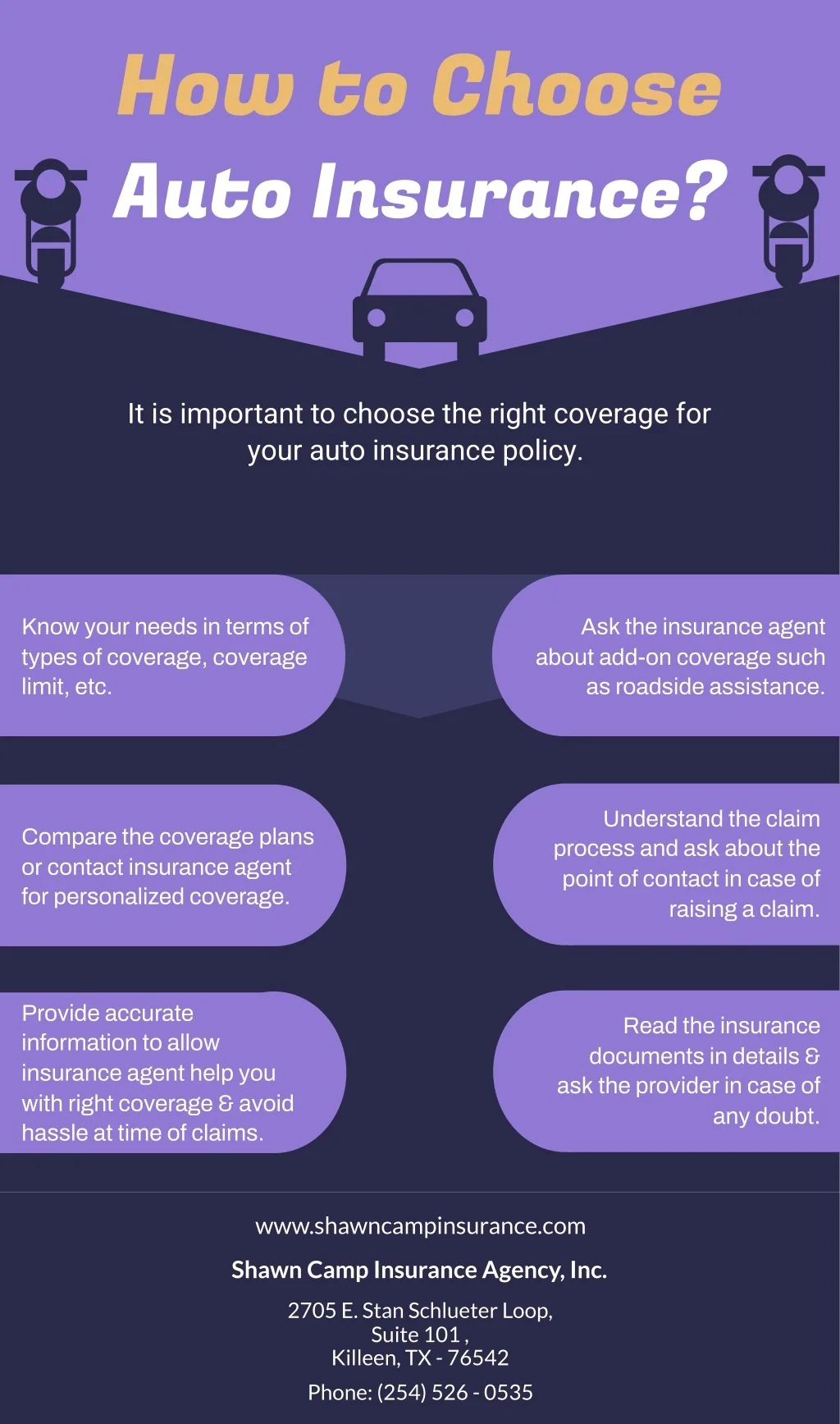
Choosing the best auto insurance in Laredo, Texas requires balancing state-mandated liability minimums with local risk factors like international border traffic, regional weather patterns, and cross-border driving habits. Drivers can secure reliable coverage by evaluating financial strength and local claims handling, comparing comprehensive policy structures beyond basic state minimums, and maximizing regional discounts specifically tailored to Texas motorists.
Navigating the auto insurance market in Laredo, Texas, involves far more than simply selecting the cheapest monthly premium listed on a comparison website. Located directly on the border with Mexico, Laredo presents a distinct driving landscape shaped by high volumes of international commercial freight traffic, unique international bridge commuting patterns, and localized weather challenges ranging from intense summer heat to severe convective storms and flash flooding. Because insurance rates and policy effectiveness are deeply tied to geography, finding the ideal policy requires a strategic approach that accounts for both Texas state regulations and the realities of driving in Webb County.
To protect your financial well-being and vehicle assets adequately, you must move beyond generic advice and look closely at how carriers operate within the local market. This comprehensive guide outlines three proven ways to choose the best auto insurance in Laredo, Texas, ensuring you secure optimal protection, responsive local service, and competitive pricing without falling victim to under-insurance.
1. Evaluate Insurer Financial Strength and Local Claims Service
When a collision occurs on busy thoroughfares like Interstate 35, Highway 59, or Loop 20, the true value of an auto insurance policy is revealed by the speed and reliability of the claims process. Many drivers make the critical mistake of selecting an insurer based solely on introductory rates, completely overlooking the company's financial stability and local customer service infrastructure.
Assessing Financial Ratings
An insurance company must have the capital reserves required to pay out massive claims, especially during widespread regional catastrophes such as severe hailstorms or flash floods. Independent rating agencies—such as A.M. Best, Standard & Poor's, and Moody's—evaluate the financial health of insurance carriers. When researching options in Laredo, prioritize companies with an "A" (Excellent) rating or higher. A financially robust carrier ensures that your claim will not be delayed or compromised by macroeconomic pressures or localized disaster payouts.
Investigating Local Claims Adjusters and Repair Networks
National digital-only carriers often rely entirely on virtual appraisals and remote customer service centers. While convenient, this model can lead to delays when dealing with specialized local repair shops in Laredo that understand regional labor costs and supply chain constraints. Look for insurers that maintain a physical claims office within Webb County or feature a robust network of preferred local repair facilities. Preferred partner networks often offer guaranteed workmanship warranties, streamlining the repair process from the initial estimate to the final pickup.
Reviewing the Texas Department of Insurance (TDI) Records
The Texas Department of Insurance regulates all admitted carriers operating within the state and tracks consumer complaint data. Before committing to an insurer, review their complaint index through the TDI portal. An insurer with a lower-than-average complaint index relative to its market share typically indicates superior customer satisfaction, transparent billing practices, and fair claims settlements.
2. Customize Coverage Beyond Texas State Minimums
Texas law mandates specific minimum liability insurance limits for all registered vehicles, commonly referred to as "30/60/25" coverage:
- $30,000 of bodily injury liability per person
- $60,000 of bodily injury liability per accident
- $25,000 of property damage liability per accident
Relying strictly on these statutory minimums in Laredo is a high-risk financial strategy. Given the rising costs of modern vehicle repairs, medical inflation, and the prevalence of heavy commercial trucks on local highways, a minor accident can easily exceed these limits, leaving you personally liable for tens of thousands of dollars in damages.
The Importance of Comprehensive and Collision Coverages
If your vehicle is financed or leased, your lender will mandate comprehensive and collision coverages. However, even if your car is fully paid off, dropping these coverages to save money can backfire in Laredo.
- Collision Coverage pays for damage to your car resulting from a collision with another vehicle or object, regardless of fault.
- Comprehensive Coverage protects your vehicle from non-collision incidents, including theft, vandalism, windshield damage from flying highway debris, and flood damage caused by sudden downpours in low-lying areas of the city.
Uninsured and Underinsured Motorist (UM/UIM) Protection
Texas consistently ranks among states with notable percentages of uninsured motorists. If an uninsured driver hits your vehicle, recovering damages out of pocket can be nearly impossible. Adding Uninsured/Underinsured Motorist Bodily Injury and Property Damage coverage ensures that your own insurance company covers your medical bills and vehicle repairs if the at-fault party lacks adequate insurance. Given local traffic densities and cross-border commuting, UM/UIM protection is an essential layer of financial defense.
| Coverage Type | Standard Texas Minimum | Recommended Coverage Level | Primary Purpose |
|---|---|---|---|
| Bodily Injury Liability | $30,000 per person / $60,000 per accident | $100,000 per person / $300,000 per accident | Covers injuries you cause to others in an at-fault accident. |
| Property Damage Liability | $25,000 per accident | $50,000 to $100,000 per accident | Covers property or vehicles you damage in an at-fault crash. |
| Uninsured/Underinsured (UM/UIM) | None (must be rejected in writing) | Matches liability limits ($100k/$300k) | Protects you if hit by a driver with little or no insurance. |
| Personal Injury Protection (PIP) | None (must be rejected in writing) | $5,000 to $10,000 | Covers medical expenses and lost wages for you and passengers, regardless of fault. |
3. Maximize Regional and Lifestyle Discounts
Insurance premiums in Laredo are influenced by zip code risk factors, historical accident rates, and vehicle theft statistics. To counteract these regional pricing pressures, drivers must aggressively pursue every available discount offered by carriers in the Texas market.
Bundling and Multi-Policy Discounts
One of the most effective ways to lower your auto insurance premium is by bundling your auto policy with a homeowners, renters, or umbrella policy from the same provider. Insurance companies heavily incentivize customer retention by offering substantial percentage discounts—often ranging from 10% to 25%—when you consolidate your insurance portfolio under a single roof.
Telematics and Usage-Based Insurance Programs
Many national and regional insurers operating in Texas offer telematics programs (such as Progressive Snapshot, State Farm Drive Safe & Save, or Allstate Drivewise). These programs track your driving habits—including speed, acceleration, braking harshness, and mileage—via a mobile application or a plugged-in device. For safe drivers who commute locally within Laredo and log moderate annual mileage, these programs can yield significant customized discounts. However, review the terms carefully, as poor driving habits can occasionally result in rate increases with certain carriers.
Safe Driver, Defensive Driving, and Affinity Discounts
Never overlook standard discounts that align with your demographic profile or lifestyle:
- Defensive Driving Courses: Completing a state-approved defensive driving course in Texas can trigger a mandatory premium discount (typically up to 10% for drivers over a certain age or those clearing a ticket).
- Good Student Discounts: High school and college drivers maintaining a "B" average or higher can dramatically reduce the high cost of insuring youthful operators.
- Affinity and Professional Groups: Many insurers offer preferential rates for educators, military personnel, federal employees, and members of specific professional organizations or alumni associations.
Common Mistakes to Avoid When Buying Auto Insurance in Laredo
Navigating the insurance market requires vigilance. Avoiding common pitfalls can save you from severe financial hardship down the road:
- Shopping Solely on Monthly Price: A low monthly payment often conceals high deductibles, stripped-down coverage, or exclusions that leave you vulnerable during a major claim.
- Failing to Update Policy Details: Moving to a new zip code within Laredo, changing your daily commute length, or adding a new driver to your household impacts your risk profile. Failing to report these changes can lead to claim denials or canceled policies.
- Ignoring Deductible Realities: Selecting a $1,000 deductible lowers your monthly premium, but if you cannot comfortably pay that cash out of pocket after an accident, your car may sit stranded at a repair shop indefinitely.
- Neglecting Personal Injury Protection (PIP): Texas law requires insurers to offer PIP, but allows drivers to reject it in writing. Rejecting PIP means you lose immediate access to funds for medical copays and lost wages while waiting for liability determinations.
Frequently Asked Questions
What is the minimum auto insurance required in Laredo, Texas?
The state of Texas requires all drivers to carry liability insurance with minimum limits of $30,000 for bodily injury per person, $60,000 for bodily injury per accident, and $25,000 for property damage per accident (commonly written as 30/60/25).
Why are auto insurance rates sometimes higher in Laredo compared to other Texas cities?
Insurance rates are determined by localized risk factors, including high traffic density, international commercial freight movement via major trade corridors, regional weather risks like flash flooding and hail, and local vehicle theft statistics reported within Webb County.
Should I drop comprehensive and collision coverage on an older car?
If your older vehicle has a low market value that is less than or comparable to the cost of your annual comprehensive and collision premiums plus your deductible, it may make financial sense to drop them. However, ensure you have enough personal savings to replace the vehicle if it is totaled.
How can I verify if an auto insurance company is licensed to operate in Texas?
You can verify any insurance carrier's licensing status, financial ratings, and consumer complaint history directly through the Texas Department of Insurance (TDI) website or by contacting their consumer help line. Avoid purchasing policies from unauthorized or unlicensed entities.
Does Texas auto insurance cover driving across the border into Mexico?
Standard U.S. auto insurance policies generally do not provide legally valid liability coverage inside Mexico. If you drive across the border into Nuevo Laredo or other parts of Mexico, you must purchase a specialized Mexican tourist auto insurance policy from a licensed provider before crossing.
Conclusion and Next Actions
Securing the best auto insurance in Laredo, Texas, is an exercise in balancing comprehensive protection, financial security, and localized risk management. By evaluating an insurer's financial stability and local claims network, customizing your policy well beyond basic state liability minimums, and aggressively leveraging regional discounts, you can protect your vehicle and your personal assets from unexpected liabilities.
To take your next steps, pull your current dec page, review your existing coverage limits against the recommendations in this guide, and obtain quotes from at least three reputable, TDI-licensed carriers to compare localized pricing and policy terms.