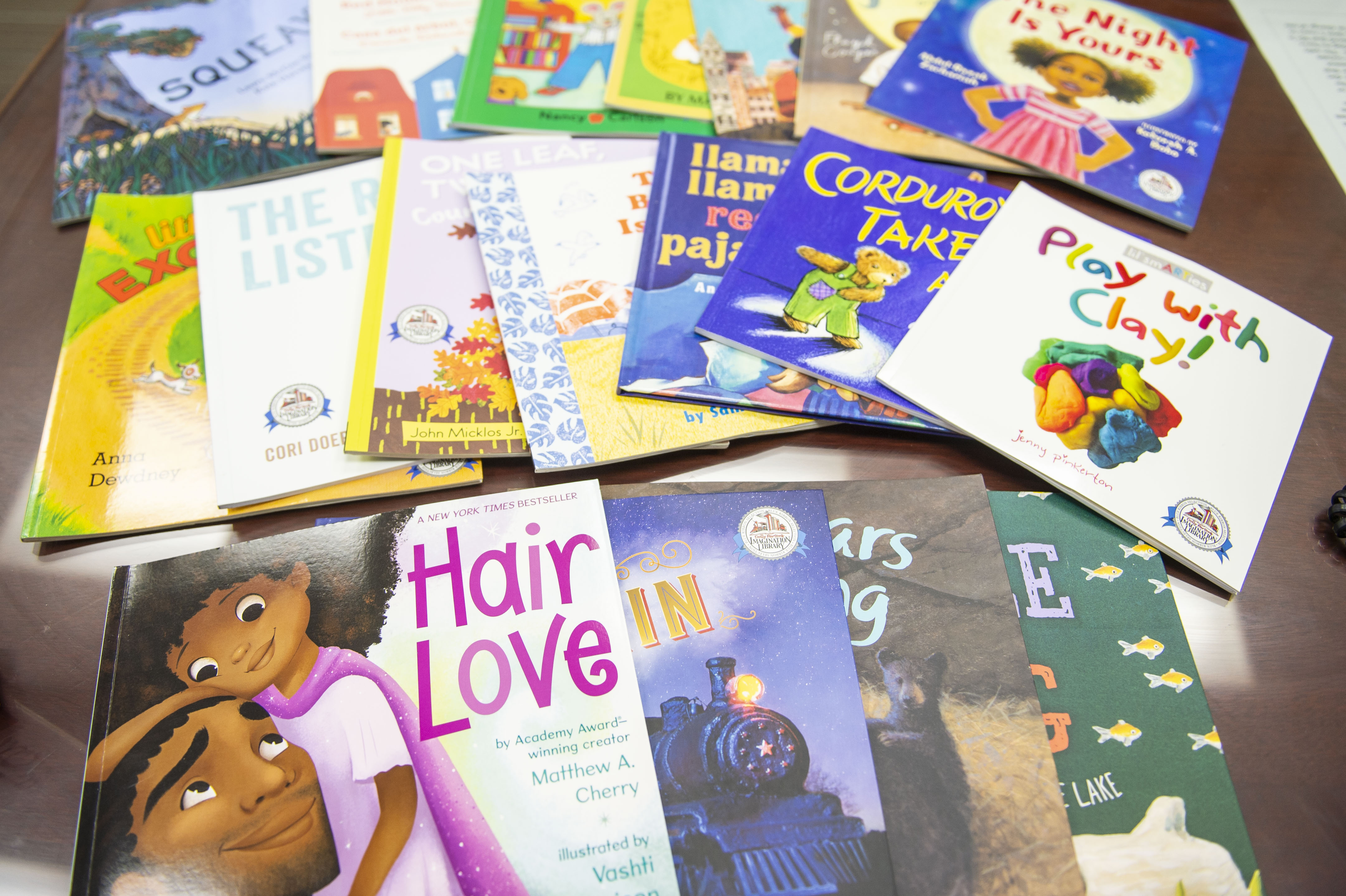
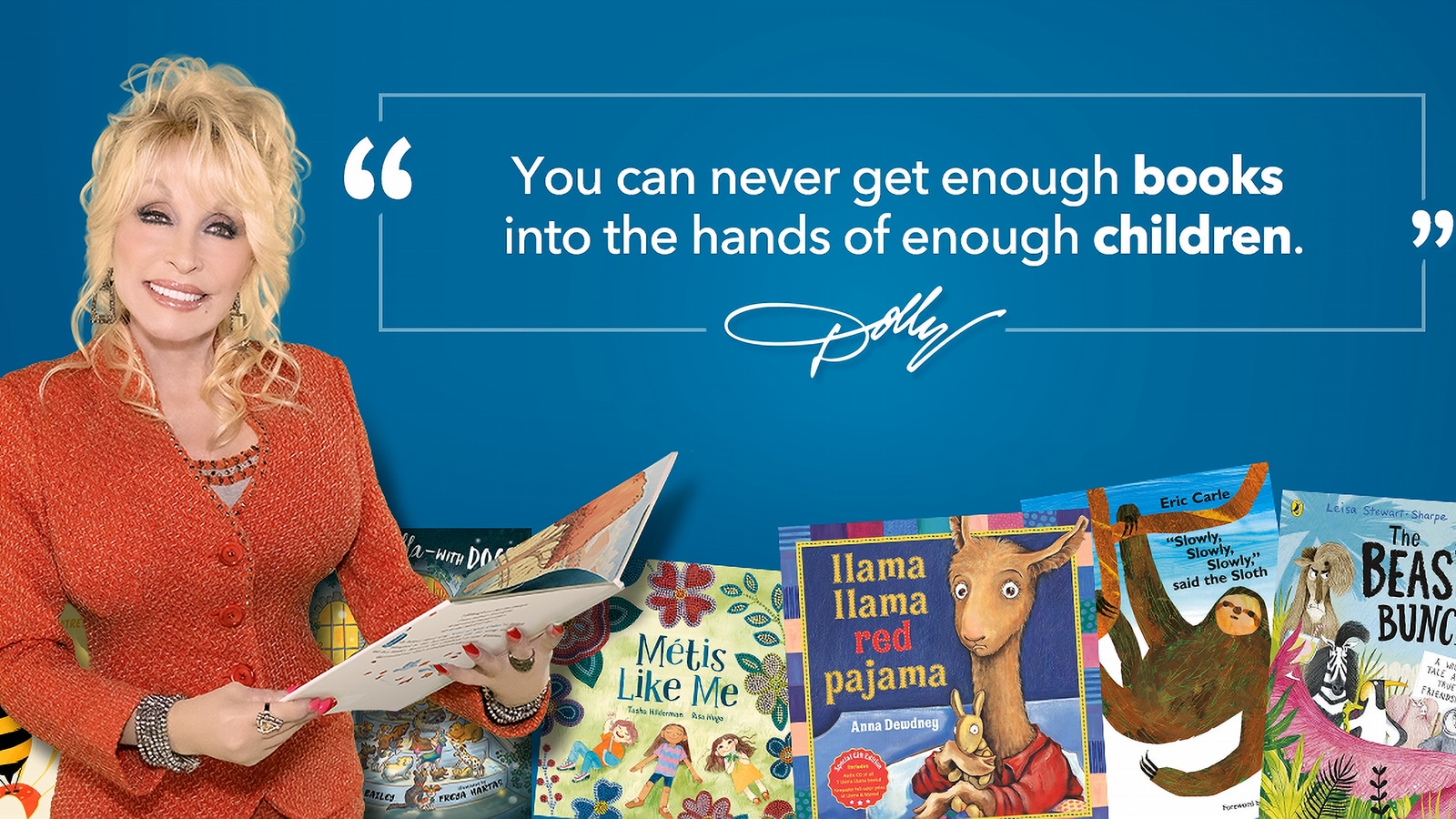
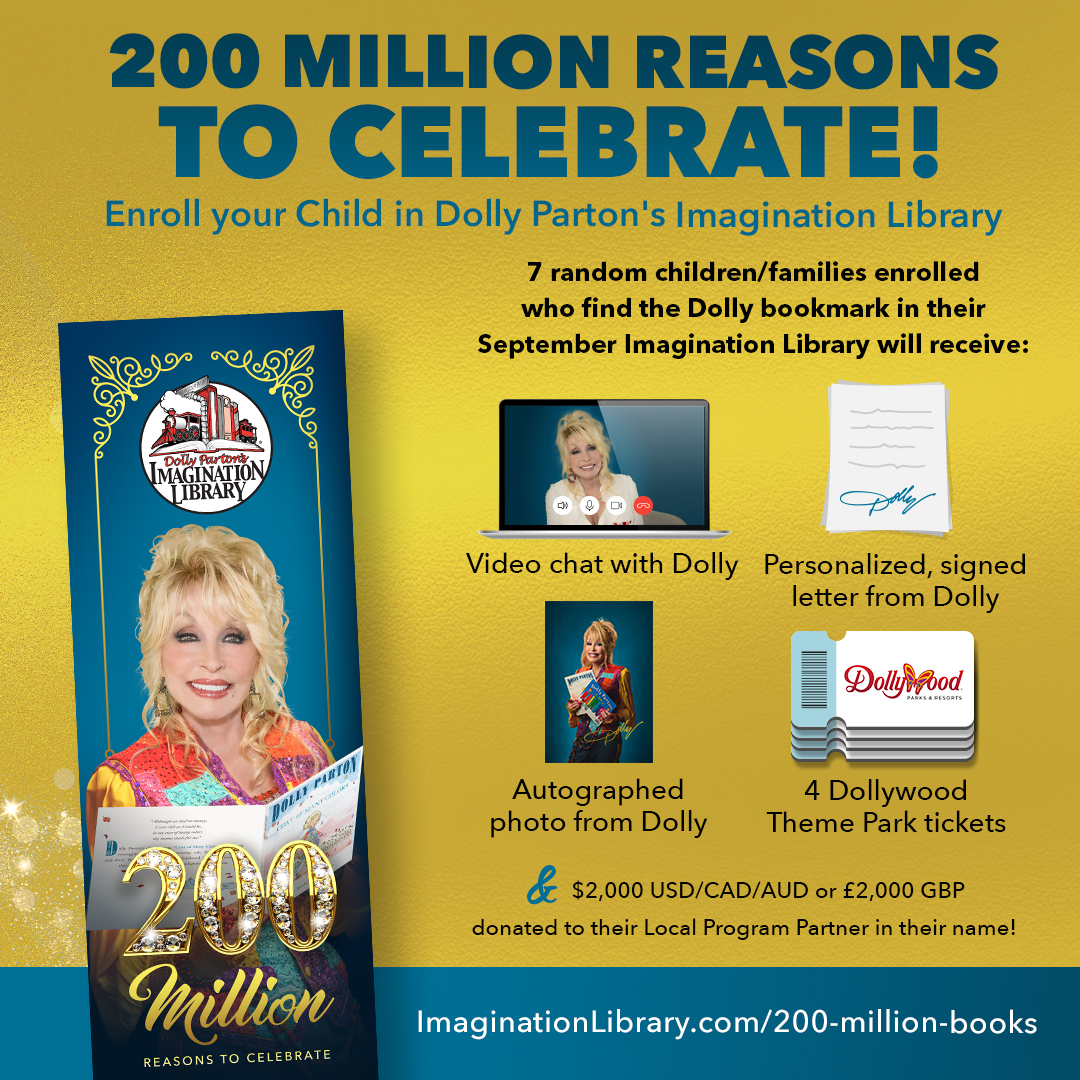
The Dolly Parton Imagination Library mails high-quality, age-appropriate books each month to children from birth until they turn five years old, completely free of charge to families, regardless of income. Participating local community partners fund the wholesale cost of the books and mailing, while the Dollywood Foundation manages the selection process, publishing logistics, and program administration. Understanding what a child receives requires looking at the carefully curated reading curriculum, which features foundational classics, modern board books, and diverse literary selections tailored to each stage of early childhood development.
Understanding the Dolly Parton Imagination Library Selection Process
The backbone of the Imagination Library is its Blue Ribbon Book Selection Committee. This independent panel consists of early childhood literacy experts, reading specialists, school librarians, and child development professionals. Every year, this committee reviews thousands of titles submitted by publishers from around the world. The evaluation criteria are rigorous: books must promote a love of reading, reflect diverse human experiences, encourage positive values, support developmental milestones, and feature high-quality illustrations that engage pre-reading children.
Unlike retail book subscriptions where parents pick titles, the Imagination Library selection is entirely automated based on the child's exact age. Every registered child receives the same specially selected welcome book as their very first delivery—The Little Engine That Could by Watty Piper, featuring custom Imagination Library branding. From there, the monthly selections diverge into age-specific cohorts, ensuring that a six-month-old infant receives sturdy board books appropriate for chewing and sensory exploration, while a four-year-old child receives sophisticated picture stories with complex narratives, richer vocabulary, and moral lessons preparing them for kindergarten.
How the Age-Graded Book Distribution Works
The program tracks a child’s development month by month, transitioning book types as cognitive and motor skills evolve. The curriculum is divided into distinct developmental phases to maximize educational impact.
Infancy (Birth to Age 1)
During the first year of life, books serve as sensory objects and tools for emotional bonding. The selection committee chooses board books with thick, durable pages, high-contrast imagery for developing eyesight, simple text, and tactile elements. These titles focus on familiar routines, animal sounds, and loving relationships between caregivers and infants.
Toddlerhood (Ages 1 to 3)
As children gain mobility and language skills, the book selections expand to include repetitive phrasing, rhyming verse, counting concepts, and stories about emotional regulation. Toddler titles help children navigate daily challenges like bedtime, sharing, potty training, and identifying basic emotions. Interactive elements such as lift-the-flaps or simple search-and-find imagery keep active toddlers engaged.
Preschool and Pre-K (Ages 3 to 5)
For children approaching school age, the Imagination Library shifts toward narrative-driven picture books. These titles feature richer vocabulary, character development, problem-solving scenarios, and multicultural perspectives. The goal during this final phase is to build listening comprehension, foster empathy, and spark curiosity about the wider world, ensuring children enter formal education with a robust foundation of literacy skills.
Representative Selection of 22 Notable Imagination Library Book Titles
While local program partners can occasionally customize a small fraction of local mailings to include regional authors or bilingual options, the core global book list features widely acclaimed children's literature. The following twenty-two representative titles illustrate the diversity, developmental progression, and literary quality found across the program's multi-year mailing cycle.
| Title | Author / Illustrator | Developmental Age Group | Primary Literacy Focus |
|---|---|---|---|
| The Little Engine That Could | Watty Piper | Welcome Book (All Ages) | Perseverance, optimism, and goal-setting |
| Goodnight Moon | Margaret Wise Brown | Infancy (0–12 months) | Bedtime routines, rhythm, and soothing repetition |
| The Very Hungry Caterpillar | Eric Carle | Toddler (1–2 years) | Counting, days of the week, and metamorphosis |
| Llama Llama Red Pajama | Anna Dewdney | Toddler (2–3 years) | Emotional reassurance and bedtime separation |
| Brown Bear, Brown Bear, What Do You See? | Bill Martin Jr. & Eric Carle | Infancy / Toddler (1–2 years) | Color recognition, animal identification, and rhythm |
| Giraffes Can't Dance | Giles Andreae & Guy Parker-Reis | Preschool (3–4 years) | Self-esteem, individuality, and overcoming doubt |
| The Snowy Day | Ezra Jack Keats | Preschool (3–4 years) | Sensory exploration, urban settings, and classic narrative |
| Last Stop on Market Street | Matt de la Peña & Christian Robinson | Preschool (4–5 years) | Community awareness, gratitude, and diverse perspectives |
| Where the Wild Things Are | Maurice Sendak | Preschool (3–5 years) | Imagination, emotional processing, and classic art |
| Chicka Chicka Boom Boom | Bill Martin Jr. & John Archambault | Toddler / Preschool (2–4 years) | Alphabet recognition, phonics, and musical cadence |
| Make Way for Ducklings | Robert McCloskey | Preschool (3–5 years) | Geography, family safety, and detailed storytelling |
| Corduroy | Don Freeman | Toddler / Preschool (2–4 years) | Friendship, belonging, and classic character empathy |
| Guess How Much I Love You | Sam McBratney & Anita Jeram | Infancy / Toddler (1–2 years) | Emotional expression and relational bonding |
| The Tale of Peter Rabbit | Beatrix Potter | Preschool (3–5 years) | Classic storytelling, consequences, and descriptive prose |
| Caps for Sale | Esphyr Slobodkina | Toddler / Preschool (2–4 years) | Problem-solving, repetition, and humor |
| Madeline | Ludwig Bemelmans | Preschool (3–5 years) | Rhyming verse, cultural exposure, and courage |
| Owl Moon | Jane Yolen & John Schoenherr | Preschool (4–5 years) | Nature appreciation, patience, and family connection |
| The Mitten | Jan Brett | Preschool (3–5 years) | Folktales, sequence of events, and intricate artwork |
| Blueberries for Sal | Robert McCloskey | Preschool (3–5 years) | Mother-child relationships, nature observation, and sequencing |
| Harold and the Purple Crayon | Crockett Johnson | Preschool (3–5 years) | Creative problem-solving and imaginative play |
| We're Going on a Bear Hunt | Michael Rosen & Helen Oxenbury | Toddler / Preschool (2–4 years) | Onomatopoeia, rhythmic movement, and adventure |
| The Velveteen Rabbit | Margery Williams | Preschool (4–5 years) | Deep emotional attachment, love, and transformation |
Program Eligibility and Registration Mechanics
Accessing these books depends entirely on geographic availability and the establishment of a local funding partner. Because the program operates as a public-private partnership, a local nonprofit, school district, government agency, or business must agree to cover half of the wholesale book and mailing costs, while the Dollywood Foundation covers the remaining operational overhead.
Determining Local Availability
Parents can check availability by visiting the official Imagination Library website and entering their postal code. If a local affiliate operates in their area, the system redirects the user to an online registration form. If no program exists locally, parents can register their interest on a waitlist. This data helps the foundation demonstrate local demand when recruiting new community partners.
Registration Requirements
To enroll a child, parents or legal guardians must provide:
- The child's legal name and exact date of birth.
- A valid residential mailing address (Post Office boxes are generally not accepted unless verified by local postal delivery rules).
- Contact information, including an email address or phone number for verification and address-update notifications.
Once accepted, books arrive addressed directly to the child, usually within six to eight weeks after registration processing. Families must remember to update their mailing address immediately whenever they move, as books returned due to incorrect addresses automatically suspend the account until updated by the guardian.
Financial Model and Community Sponsorship
The financial structure of the Imagination Library is unique in the non-profit sector. Books are purchased in massive bulk quantities directly from major publishing houses, allowing the foundation to negotiate deeply discounted wholesale rates that cover printing, personalizing with the child's name, and direct postal delivery.
Local champions drive the sustainability of each chapter. These champions include United Way chapters, hospital foundations, local rotary clubs, school boards, and philanthropic individuals. In some states, state-level legislation provides matching state appropriations to subsidize local community partners, significantly expanding geographic coverage. This shared funding model ensures that the service remains entirely free to participating families, removing financial barriers to home library ownership.
Frequently Asked Questions
Can I choose which books my child receives?
No, the book selection is entirely curated by the Blue Ribbon Book Selection Committee and automated based on the child's birth date. This ensures every child receives an age-appropriate, balanced literary diet that covers various developmental milestones, emotional themes, and artistic styles without parental bias.
What happens when my child turns five years old?
The final book arrives during the month of the child's fifth birthday. This celebratory final book includes a special graduation message congratulating the child on preparing for kindergarten and encouraging them to continue their reading journey through local public libraries.
Are the books brand new or used?
Every single book mailed through the Imagination Library is brand new, high-quality, and printed specifically for the program. Many editions feature special covers or introductory notes from Dolly Parton herself, and the child's name is printed on the mailing label to foster a sense of personal ownership.
What should I do if a monthly book does not arrive?
Delivery schedules can occasionally vary due to postal holidays or regional transit delays. If a book fails to arrive for two consecutive months, parents should log into their online parent portal to verify that their mailing address is correct or contact their local program coordinator for assistance.
Can I register children who do not live with me?
Registrants must be the parent or legal guardian of the child, or have explicit legal authorization to manage the child's residency and mail delivery. Each child may only be registered once; duplicate registrations for the same child are automatically filtered out by the database management system.
Practical Next Steps for Families
Families living in an area with an active local affiliate should complete the online registration form immediately after a child's birth to capture the maximum number of mailings before the fifth birthday cutoff. For those living in unserved areas, reaching out to local literacy coalitions, school boards, or community foundations represents the most effective path toward inspiring a local champion to launch a new chapter. Establishing a dedicated bookshelf or reading nook at home helps reinforce the routine of reading the new arrival each month, transforming a simple book delivery into a cherished family bonding ritual.