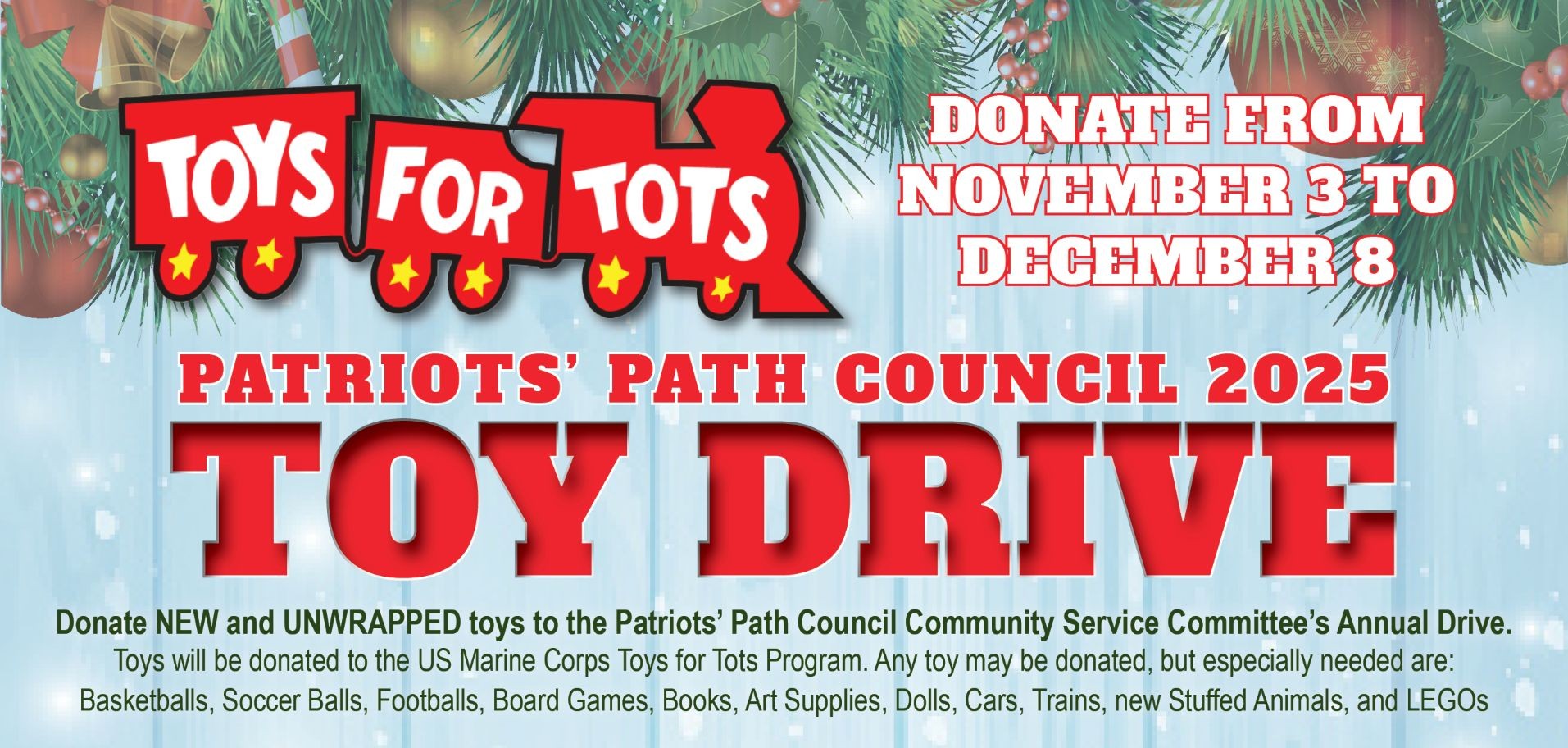
The 2025 Toys for Tots campaign served as a nationwide initiative organized by the Marine Toys for Tots Foundation to collect and distribute new, unwrapped toys to children from low-income families during the 2025 holiday season. The program leveraged community donations, corporate partnerships, and volunteer support to provide gifts, books, and educational supplies to millions of children, ensuring that socioeconomic barriers did not prevent participation in holiday traditions.
Historical Context and Organizational Structure
The Toys for Tots program originated in 1947 when Major Bill Hendricks, USMCR, and a group of Marine Reservists in Los Angeles collected and distributed 5,000 toys to children in need. Following the success of this local effort, the Marine Corps adopted the project in 1948 and expanded it into a nationwide mission. By 1991, the Marine Toys for Tots Foundation was established as a 501(c)(3) not-for-profit public charity to act as the fundraising, funding, and support organization for the Marine Corps’ Reserve Toys for Tots Program.
The organizational structure is built on a decentralized model where local campaigns are managed by Marine Corps Reserve units or, in areas where no unit is present, by a local coordinator group authorized by the Foundation. This structure ensures that the program remains responsive to the specific needs of different geographic locations, from large metropolitan areas to rural counties. The 2025 campaign maintained these regional administrative hierarchies, allowing for localized collection drives while adhering to national safety and branding guidelines.
Objectives and Operational Scope of the 2025 Campaign
The primary objective of the 2025 campaign was to unite all members of local communities in a common cause to collect new, unwrapped toys and distribute them to less fortunate children at Christmas. Beyond the immediate provision of gifts, the campaign aimed to deliver a message of hope that would assist children in becoming responsible, productive, and patriotic citizens.
Operationally, the 2025 campaign relied on three critical pillars:
- Community Engagement: Utilizing thousands of drop-off locations in retail stores, corporate offices, and public facilities to maximize donor participation.
- Resource Management: Coordinating the warehousing and sorting of donations through local volunteer networks to ensure efficient distribution before the holiday deadline.
- Distribution Networks: Partnering with local social welfare agencies, churches, and school districts to verify the needs of families and ensure that items reached those in the most challenging economic circumstances.
Eligibility Requirements and Application Procedures
Participation in the Toys for Tots program is divided into two primary roles: the donor and the recipient family. Understanding the requirements for each is essential for the efficacy of the campaign.
Criteria for Recipient Families
The 2025 campaign required families seeking assistance to apply through their local Toys for Tots chapter. While specific income thresholds varied by region, the program generally targeted families living at or below federal poverty guidelines or those experiencing documented temporary financial crises. Key requirements for applicants typically included:
- Proof of Residency: Applicants were required to live within the specific county or region served by the local campaign chapter.
- Child Eligibility: Programs strictly enforced age limits, typically covering children from infancy through age 12 or 14, depending on local stock availability.
- Verification Documents: Families were often asked to provide a photo ID, birth certificates for the children, and proof of public assistance or income documentation to establish the necessity of support.
Participation for Donors and Volunteers
Donors were encouraged to provide only brand-new, unwrapped toys. The exclusion of used toys is a long-standing policy based on safety, hygiene, and the dignity of the recipients. Items such as realistic replica weapons, gifts with political messages, or toys containing chemical substances were prohibited. Volunteers for the 2025 campaign were vetted through the Foundation’s onboarding process, which included background checks for those handling the registration and distribution of items to families.
Logistics of the 2025 Collection Drive
The 2025 campaign followed a structured timeline to ensure that toys were processed and delivered in time for the holidays. The campaign season typically commences in October, with the high-traffic collection period running through the first two weeks of December.
| Phase | Timeline | Primary Activities |
|---|---|---|
| Preparation | Late Summer/Early Fall | Local coordinators secure warehouse space and identify distribution partners. |
| Launch | October | Drop-off boxes are placed in partner retail locations; public awareness campaigns begin. |
| Collection | Nov – Mid-Dec | Daily collection, sorting by age/gender, and inventory management occur. |
| Distribution | Mid-Dec – Dec 24 | Families pick up items or receive them through pre-arranged distribution events. |
| Reporting | January 2026 | Local chapters submit final donation totals and impact statistics to the Foundation. |
Addressing Challenges and Regulatory Compliance
One of the primary challenges for the 2025 campaign was managing supply chain volatility and inflation, which impacted the volume of physical toys donated. To combat this, the Foundation expanded its "Virtual Toy Box" initiative, which allowed donors to purchase items online that were shipped directly to the national warehouse, bypassing local logistics bottlenecks.
Compliance with the Children’s Online Privacy Protection Act (COPPA) and various state-level charitable solicitation laws remained a priority. Local coordinators were required to adhere to the Foundation’s strict branding guidelines to ensure that all solicitation materials were transparent and legally compliant. Financial integrity was maintained through regular audits of local chapter accounts, ensuring that funds raised remained within the assigned geographic jurisdiction.
Frequently Asked Questions
1. Are there specific types of toys that are prohibited? Yes. Toys that resemble weapons, such as cap guns, knives, or realistic swords, are prohibited. Additionally, items that contain liquids or chemicals (like science kits with unlabeled compounds) are excluded for safety and regulatory reasons. Used, opened, or refurbished items are also not accepted under the national mandate.
2. How does the program ensure the items go to those who need them most? The Foundation utilizes a vetting system through local partnerships with social service agencies and community organizations. These partners, who are often already working with low-income families, vet applicants for financial hardship, ensuring the limited supply of donations is directed toward families experiencing genuine need.
3. What if I missed the deadline to request toys for my children? Deadlines are set locally by individual chapters based on their capacity to process requests. If a deadline has passed, the local Toys for Tots chapter may suggest alternative resources, such as local food banks, St. Vincent de Paul chapters, or other community holiday assistance programs that may still have availability.
4. Can I donate cash to the Toys for Tots program? Yes. The Marine Toys for Tots Foundation accepts financial donations throughout the year. These funds are used to purchase toys for local campaigns that may have a deficit in certain age categories or to cover the costs associated with transporting large volumes of donated goods.
5. How are the age groups for toy distribution determined? Age categories are generally grouped by developmental stages: infants (0–2), children (3–5), children (6–8), and pre-teens (9–12+). These brackets help volunteers sort donations efficiently, ensuring that a 10-year-old does not receive a gift intended for a toddler, and vice versa.
Strategic Recommendations for Future Participation
For those looking to engage with future iterations of the Toys for Tots campaign, early preparation is the most effective way to maximize impact. Individuals or corporations interested in supporting the initiative should contact their local chapter no later than September to coordinate drop-off site logistics. By focusing on high-demand age groups—typically pre-teens—donors can fill specific gaps in inventory that often remain unmet. Furthermore, opting for financial donations during the off-season provides the Foundation with the purchasing power to secure wholesale pricing on gifts, effectively increasing the number of children served for every dollar contributed.
The 2025 campaign underscores the resilience of community-led charity. By adhering to standardized vetting and logistics protocols, the program continues to serve as a vital safety net for families across the United States. Future participants are encouraged to check the official Marine Toys for Tots website for updated local coordinator contact information and regional guidelines as they prepare for subsequent seasons.