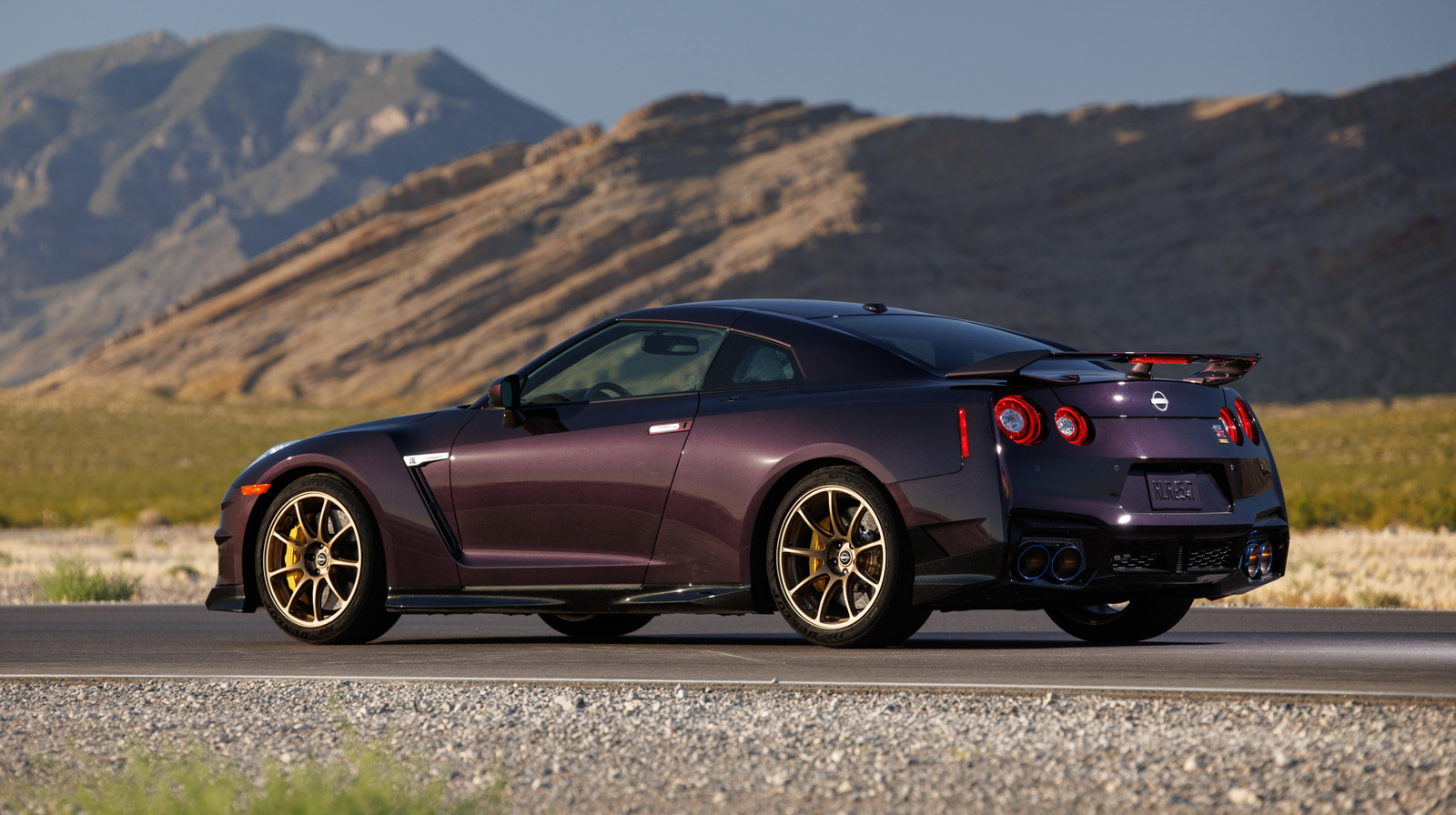
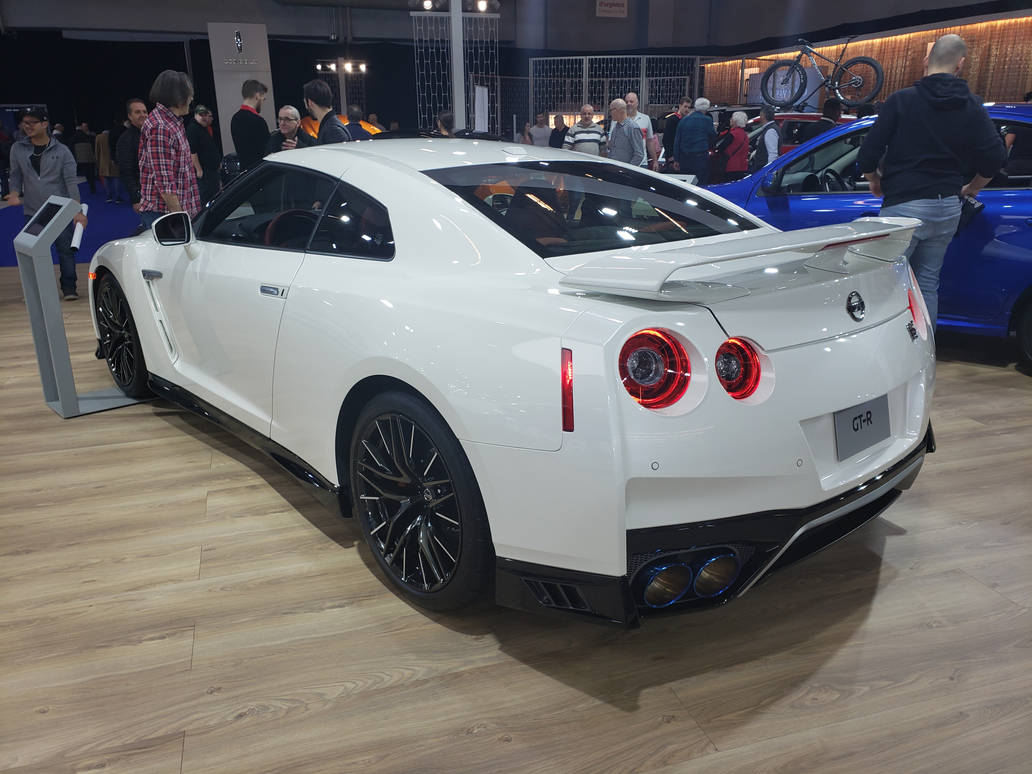
The 2020 Nissan GT-R achieves a 0 to 60 mph time of approximately 2.9 seconds in standard Premium trim configuration, while the high-performance Track Edition and NISMO variants push that benchmark even closer to the 2.5 to 2.7-second range under optimal launch conditions.
The Nissan GT-R, universally recognized by enthusiasts as "Godzilla," has spent over a decade defying the traditional rules of supercar engineering. When the R35 generation first debuted, its blistering acceleration numbers shocked an automotive industry accustomed to European exotics costing three times as much. By the 2020 model year, Nissan had refined this platform extensively. Understanding the 2020 Nissan GT-R 0-60 time requires examining more than just a single stopwatch figure; it demands a deep dive into the powertrain, the all-wheel-drive dynamics, the transmission calibration, and the real-world conditions required to achieve these physics-defying acceleration metrics.
Evolution of the R35 Platform by 2020
To understand what makes the 2020 model year quick, it is essential to look at the continuous evolution of the R35 architecture. Introduced globally for the 2009 model year, the GT-R received annual running changes, but 2020 marked a more substantial refinement period. Nissan focused heavily on improving drivability, mid-range turbo response, and gear-shift logic without altering the fundamental displacement of the engine.
The 2020 model year introduced newly designed turbochargers featuring a abradable seal—borrowed directly from the GT-R GT3 race car—which allowed for tighter clearances and improved efficiency. Furthermore, the exhaust manifolds were redesigned to optimize gas flow to the turbo turbines, reducing lag and sharpening throttle response. These incremental updates ensured that when a driver drops the hammer, power delivery is immediate and violent, contributing directly to the car's sub-3-second 0-60 mph sprint.
Powertrain Specifications and Output
At the heart of every 2020 Nissan GT-R is a hand-assembled 3.8-liter twin-turbocharged V6 engine, designated as the VR38DETT. Each engine is built by one of a select few master technicians known as Takumi in a clean-room environment at Nissan’s plant in Yokohama, Japan.
In the standard Premium and Track Edition models, this powerplant generates 565 horsepower at 6,800 rpm and 467 lb-ft of torque across a broad plateau from 3,300 to 5,800 rpm. Stepping up to the flagship NISMO variant bumps those figures to 600 horsepower, thanks to higher-flowing, larger-diameter turbochargers derived straight from the GT3 competition car, alongside weight-saving measures and chassis enhancements.
| Trim Level | Horsepower | Torque (lb-ft) | Estimated 0-60 Time | Top Speed |
|---|---|---|---|---|
| Pure / Premium | 565 @ 6,800 rpm | 467 @ 3,300-5,800 rpm | 2.9 seconds | 205 mph |
| Track Edition | 565 @ 6,800 rpm | 467 @ 3,300-5,800 rpm | 2.7–2.8 seconds | 205 mph |
| NISMO | 600 @ 6,800 rpm | 481 @ 3,600-5,600 rpm | 2.5–2.7 seconds | 205 mph |
The Mechanics of Launch: ATTESA E-TS and Dual-Clutch Transmission
Achieving a sub-3-second 0-60 mph time requires flawless power transfer from the crankshaft to the asphalt. The GT-R achieves this through a sophisticated combination of an advanced all-wheel-drive system and a rear-mounted transaxle.
ATTESA E-TS All-Wheel-Drive System
The ATTESA E-TS (Advanced Total Traction Engineering System for All-Electronic Torque Split) is a marvel of electronic and mechanical engineering. Under normal driving conditions, the GT-R behaves largely like a rear-wheel-drive vehicle, sending 100 percent of torque to the rear axle. However, the system can dynamically redistribute up to 50 percent of engine torque to the front wheels instantly when it detects slip, yaw, or lateral acceleration. During a hard launch, power is split intelligently to ensure maximum traction, virtually eliminating wheel spin and maximizing forward momentum.
Dual-Clutch Transaxle Dynamics
The 6-speed dual-clutch transmission (DCT) is mounted in the rear of the car—a transaxle layout that helps achieve an optimal front-to-rear weight distribution. Shifts are executed in mere milliseconds. When utilizing "R-Mode" for both the transmission and vehicle dynamics, the computer logic optimizes clutch engagement pressure and shift speed, slamming gears into place with an intensity that maximizes acceleration continuity.
Real-World Testing Conditions and Methodology
Factory-claimed performance figures are often tested under ideal laboratory or controlled track conditions with professional drivers. For the 2020 Nissan GT-R, independent automotive publications testing the car in the real world have consistently verified the manufacturer's claims. However, achieving a 2.9-second 0-60 time outside of a pristine drag strip depends heavily on several environmental and mechanical variables:
- Surface Preparation: Drag strips treated with VHT (traction compound) provide significantly more grip than public asphalt or concrete, dropping times by a tenth or two.
- Tire Temperature and Compound: The GT-R comes equipped with bespoke Dunlop SP Sport Maxx GT 600 DSST CTT run-flat tires. These tires require adequate heat to reach their optimal sticky operating window.
- Launch Control (R-Mode Start): Utilizing the factory launch control system safely builds boost while holding the clutches at the friction point. The driver simply holds the brake, floors the throttle, and releases the brake. The car manages wheel slip electronically.
- Fuel Quality: To extract maximum power and prevent ignition timing retard from knock sensors, high-octane fuel (93 octane or higher) is mandatory.
Comparing the 2020 GT-R Against Supercar Rivals
When the R35 first launched, its 0-60 time was peerless outside of multi-million-dollar hypercars. By 2020, the automotive landscape had evolved significantly, with competitors introducing hybrid assistance and mid-engine layouts. Yet, the front-engine, all-wheel-drive GT-R remained fiercely competitive.
Chevrolet Corvette C8 Stingray
The mid-engine C8 Corvette, utilizing the Z51 performance package, rattled the sports car establishment by recording a 0-60 time of around 2.9 seconds at a fraction of the GT-R's price point. While the Corvette matches the GT-R's initial launch velocity off the line, the GT-R's twin-turbo setup and relentless mid-range pull continue to dominate in rolling-start scenarios and top-end track applications.
Porsche 911 Turbo (991.2 / 992 generation)
Porsche's 911 Turbo has long been the benchmark rival for the GT-R. Utilizing a rear-engine layout and a masterclass launch control system, modern 911 Turbos routinely dip into the 2.5-second range to 60 mph. While the Porsche offers superior interior refinement and daily-drivability luxury, the GT-R delivers a more analog, visceral driving experience that purists often prefer.
Common Modifications and Aftermarket Tuning Potential
One of the defining characteristics of the R35 GT-R community is the vehicle's legendary aftermarket support. The VR38DETT engine block is famously over-built, capable of handling immense amounts of boost and horsepower on stock internals.
While a factory 2020 GT-R achieves a 2.9-second 0-60 time, a simple "Stage 1" package—consisting of a custom engine tune (ECU remap), upgraded mid-pipe, and high-flow air filters—can elevate output past 600 horsepower. With proper tuning, upgraded fuel injectors, and E85 fuel, horsepower can easily eclipse 700 to 800 horsepower, pushing 0-60 times down into the mid-to-low 2.0-second range, though traction on factory street tires quickly becomes the limiting factor.
Frequently Asked Questions
Does the 2020 Nissan GT-R have launch control?
Yes, the 2020 Nissan GT-R features an advanced factory launch control system referred to as "R-Mode Start." It allows the driver to build boost while stationary and manages clutch engagement to maximize traction and minimize drivetrain shock during a hard launch.
What fuel octane is required to achieve optimal 0-60 performance?
To achieve the factory-rated horsepower and optimal 0-60 times, premium unleaded gasoline with an octane rating of 93 (AKI) is recommended. Using lower-quality fuel (such as 87 or 91 octane) will cause the engine management computer to pull ignition timing, resulting in reduced power output and slower acceleration.
How does the 2020 GT-R NISMO differ from the standard Premium model in acceleration?
The 2020 GT-R NISMO features larger turbochargers derived from GT3 racing, shaving weight through extensive use of carbon fiber and utilizing retuned suspension and steering. While the standard Premium model hits 60 mph in roughly 2.9 seconds, the NISMO achieves the same sprint in approximately 2.5 to 2.7 seconds due to its power bump to 600 horsepower and enhanced aerodynamics.
Can repeated use of launch control damage the transmission?
Nissan designed the GT-R's dual-clutch transmission to handle aggressive launches, and the system logs launch usage via the onboard computer. While engineered for durability, excessive, back-to-back track launches without adequate cooling cycles can accelerate clutch wear and transmission fluid degradation.
Is the 2020 Nissan GT-R difficult to drive fast in daily conditions?
Despite its supercar performance credentials, the 2020 GT-R is remarkably docile when driven in its "Save" or "Comfort" suspension modes. The transmission shifts smoothly in traffic, and the all-wheel-drive system provides immense security in wet or adverse weather conditions, making it one of the most usable high-performance cars on the market.
Conclusion and Next Actions
The 2020 Nissan GT-R remains a formidable engineering achievement, bridging the gap between analog mechanical fury and digital traction management. Achieving its verified 2.9-second 0-60 mph time relies on a harmonious balance of hand-built twin-turbo V6 power, rapid dual-clutch transaxle shifts, and the unwavering grip of the ATTESA E-TS all-wheel-drive system. For prospective buyers, collectors, or enthusiasts looking to experience this level of acceleration firsthand, verifying maintenance records—specifically regarding transmission fluid services and clutch calibration—is essential before attempting high-performance driving or track use.