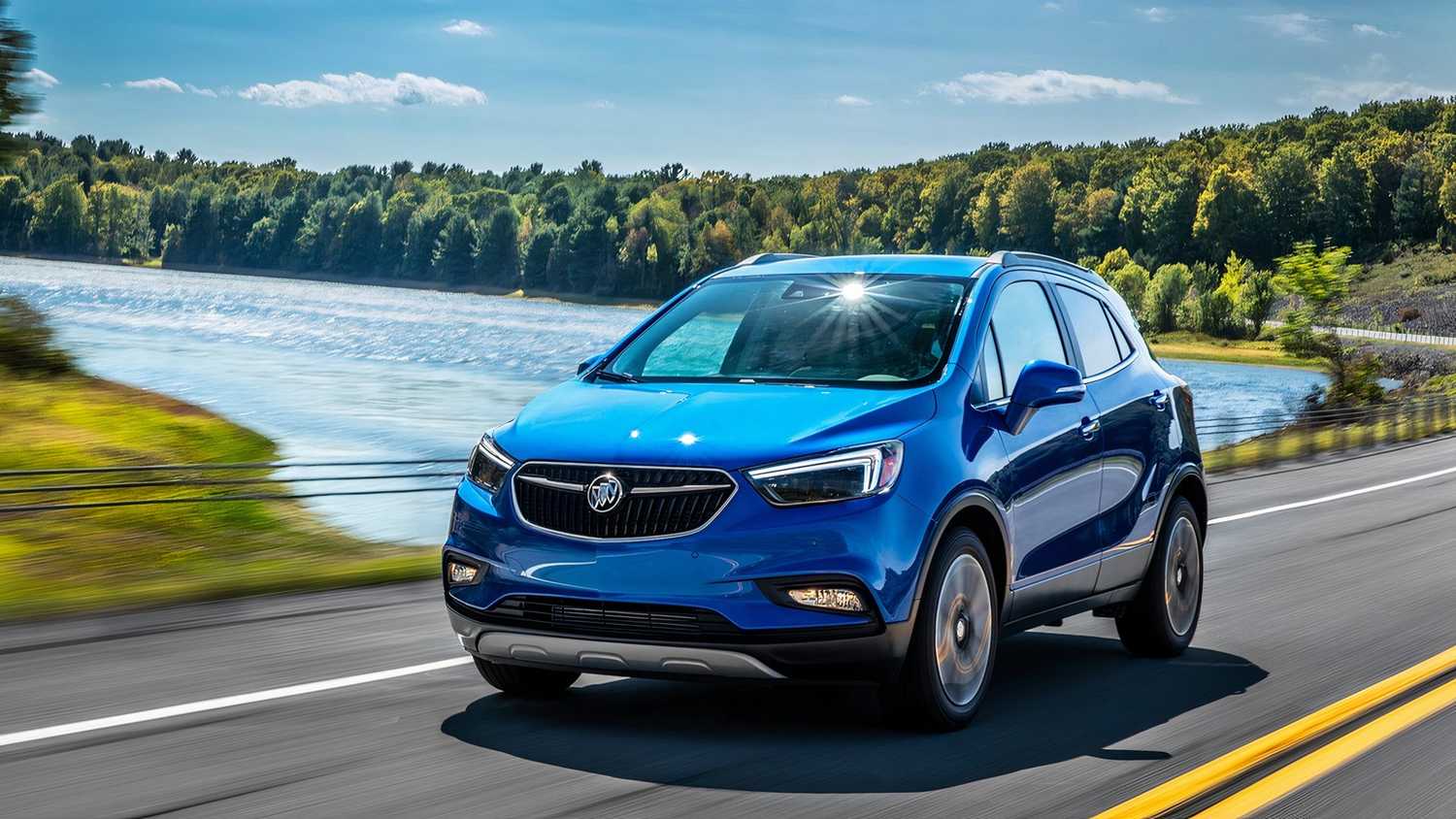
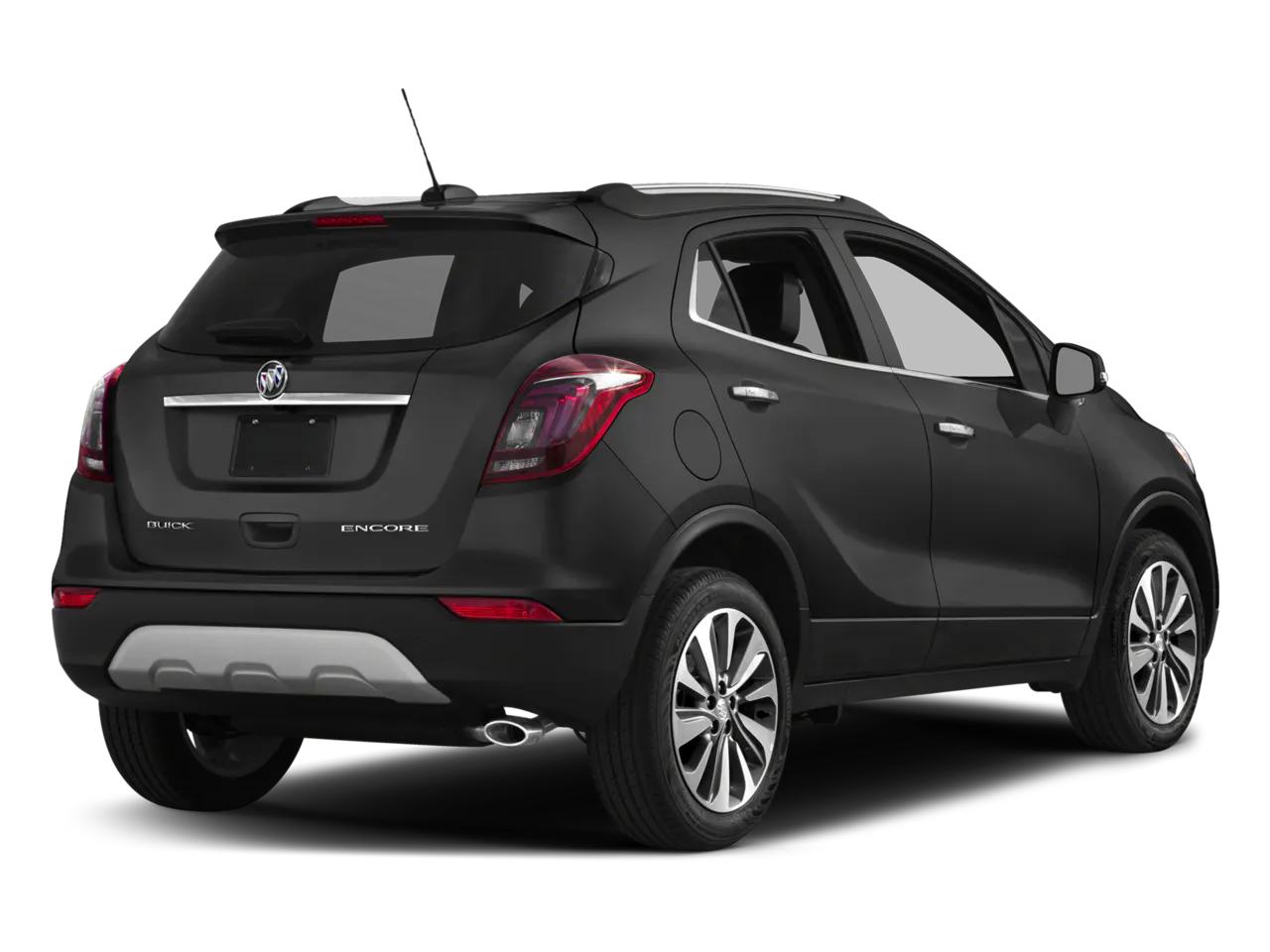
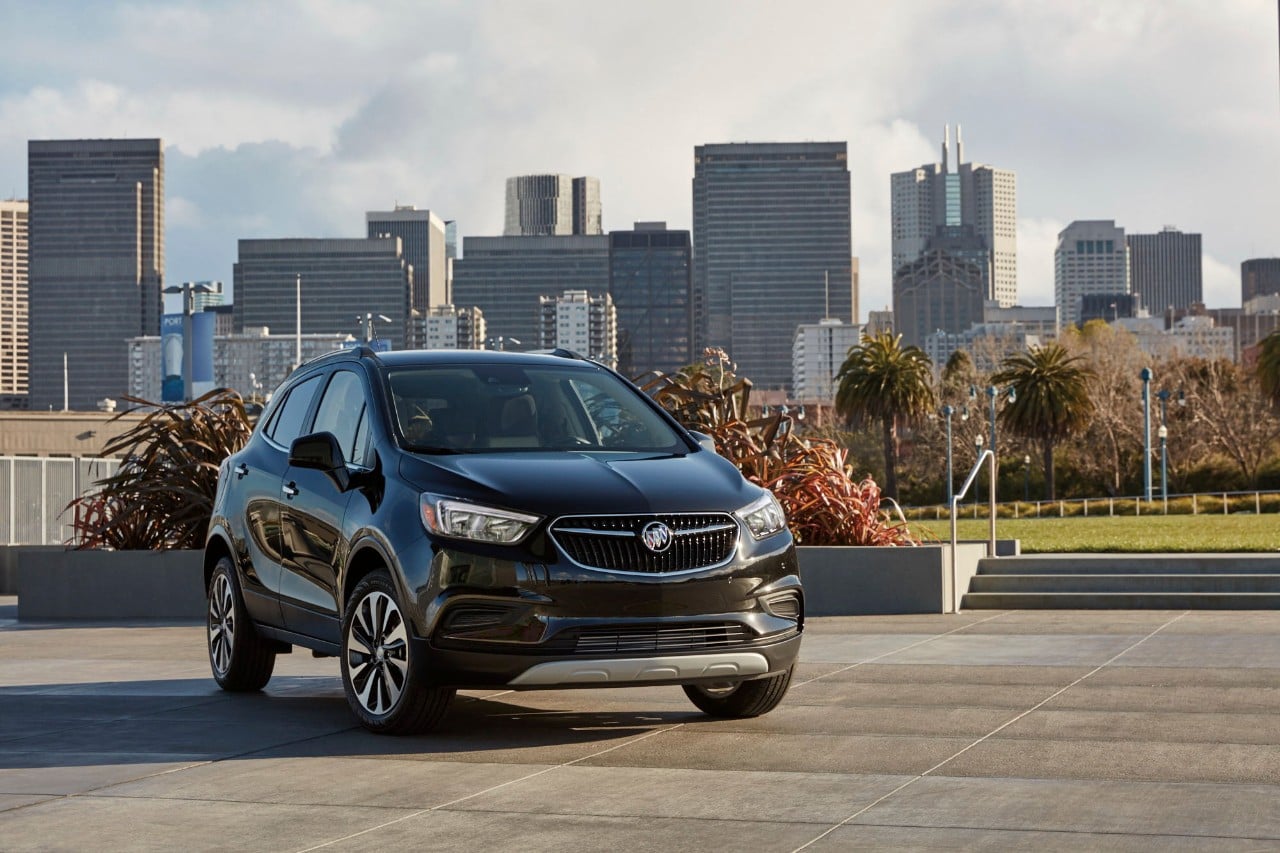
The primary safety recall affecting the 2017 Buick Encore involves a critical software defect in the Airbag Sensing and Diagnostic Module (SDM), which can prevent front airbags and seat belt pretensioners from deploying during a collision. General Motors also issued secondary recall campaigns and extended warranty coverages addressing brake vacuum pump failures and engine positive crankcase ventilation (PCV) system malfunctions.
Overview of the 2017 Buick Encore Safety Record
The 2017 Buick Encore is a subcompact crossover utility vehicle built on General Motors' Gamma II platform, sharing core structural and mechanical components with the Chevrolet Trax. Known for its quiet cabin, compact footprint, and premium interior trims, the 2017 model year marked a mid-cycle refresh featuring updated front-end styling, an improved dashboard layout, and revised driver-assistance electronics.
Despite earning high crash-test ratings from both the National Highway Traffic Safety Administration (NHTSA) and the Insurance Institute for Highway Safety (IIHS), the 2017 Encore has been subject to official safety recalls and mandatory service bulletins. Safety recalls are legally mandated actions enforced by federal regulators when a vehicle design, software code, or physical component creates an unreasonable risk to safety or fails to comply with Federal Motor Vehicle Safety Standards (FMVSS).
Understanding the distinction between official safety recalls, Customer Satisfaction Campaigns, Special Coverage Adjustments, and Technical Service Bulletins (TSBs) is essential for every 2017 Buick Encore owner:
- Safety Recalls: Enforced by NHTSA; executed by General Motors free of charge to the vehicle owner regardless of vehicle age or mileage.
- Special Coverage Adjustments: Manufacturer-extended warranty programs that cover specific failed parts (such as turbochargers or PCV manifolds) up to a defined time or mileage limit.
- Technical Service Bulletins (TSBs): Diagnostic and repair advisories sent directly to dealership service departments to standardise troubleshooting procedures for common non-safety complaints.
Primary Safety Recalls for the 2017 Buick Encore
Airbag Sensing and Diagnostic Module (SDM) Software Recall
The most widespread and high-consequence safety campaign affecting the 2017 Buick Encore is NHTSA Campaign Number 16V667000 (GM Recall Identifier 16007 and 17230). This safety recall encompasses over 3.6 million GM vehicles worldwide across several model years.
Technical Cause and Hazard Mechanics
The Sensing and Diagnostic Module (SDM) acts as the central brain of the vehicle’s supplemental restraint system (SRS). In affected 2017 Encore models, specific diagnostic algorithms within the SDM firmware can execute a software diagnostic reset while the vehicle is operating under certain demanding road or impact conditions.
If a crash event occurs simultaneously with this diagnostic reset routine, the SDM software locks up and fails to send the electrical trigger signals required to ignite the pyrotechnic charges in the frontal airbags and seat belt pretensioners.
- Crash Event Detected
- SDM Software Executes Diagnostic Reset
- Airbag Signal Locked
- Non-Deployment Risk
Without seat belt pretensioners cinching the occupants into their seats and without frontal airbag deployment, vehicle occupants face a significantly elevated risk of severe or fatal injuries in moderate to severe frontal impacts.
Dealership Repair Procedure
The corrective procedure requires a Buick dealership technician to connect the vehicle to GM’s Multiple Diagnostic Interface (MDI) tool and reflash the SDM with updated calibration software.
If the vehicle’s SDM module has previously recorded a crash event or triggered an unresettable error code, the complete module must be physically removed and replaced with a newly flashed unit. This entire procedure is conducted at no cost to the vehicle owner.
Passenger Airbag Sensing System Calibration Issues
A secondary restraint system issue affecting select 2017 Buick Encore production runs involves the Occupant Detection System (ODS) integrated into the front passenger seat assembly (NHTSA Campaign Number 17V013000).
Operational Impact
The ODS uses pressure sensors and weight distribution mats within the seat cushion to determine whether an adult, a child, or a child restraint system occupies the passenger seat. In certain conditions, miscalibration in the system's control module could incorrectly classify an adult passenger as a child or as an empty seat, automatically suppressing (disabling) the front passenger airbag.
Remedial Action
Authorized service centers perform a recalibration of the seat sensor software and execute an Occupant Detection System re-zeroing sequence to guarantee accurate weight detection.
Major Non-Recall Service Campaigns and Special Coverages
Beyond official safety recalls, several recurring mechanical vulnerabilities affect the 2017 Buick Encore. GM addressed these mechanical failure patterns through Special Coverage Adjustments and extended warranty extensions rather than federal safety recalls.
1.4L Turbo Engine PCV System and Valve Cover Rupture
The standard 1.4-liter turbocharged inline-four engine (Engine Codes LUV and LE2) utilizes a Positive Crankcase Ventilation (PCV) system designed to re-route blow-by gases from the crankcase back into the intake manifold for combustion.
The Problem Pathway
Check Valve Failure: A non-return check valve built directly into the intake manifold degrades over time due to heat and oil vapor exposure.
Over-Pressurization: When the check valve fails or becomes detached, turbocharged boost pressure forces its way directly into the engine crankcase.
Diaphragm Rupture: Excessive crankcase pressure tears the integrated rubber PCV diaphragm inside the engine valve cover (cam cover).
Symptoms: This failure triggers a high-pitched whistling noise from the engine bay, irregular idling, severe engine oil leaks, and an illuminated Check Engine Light accompanied by diagnostic trouble codes P0171 (System Too Lean) or P1101 (Intake Airflow System Performance).
Intake Manifold Check Valve Fails
Turbo Boost Over-Pressurizes Crankcase
Valve Cover Diaphragm Tears
Codes P0171 / P1101 & Oil Leaks
Coverage & Repair
GM issued Special Coverage notifications (including Special Coverage N192219840) extending warranty protection for this failure up to 10 years or 120,000 miles from the original in-service date. The proper fix requires replacing both the modified intake manifold assembly and the damaged engine valve cover.
Engine-Driven Brake Vacuum Pump Assembly Failure
Certain 2017 Buick Encore models equipped with the 1.4L LE2 direct-injected engine rely on a mechanical vacuum pump mounted directly to the rear of the engine cylinder head to supply negative pressure to the power brake booster.
Operational Failure Modes
Internal friction, lubrication starvation, or mechanical wear can cause the vacuum pump vanes to break or seize. A complete pump failure eliminates power assistance to the braking system.
Driving Risk & Dealer Resolution
When the vacuum pump fails, the brake pedal feels extremely stiff and requires significantly higher foot pressure from the driver to slow or stop the vehicle, increasing stopping distances. GM established extended coverage programs to replace degraded vacuum pumps and flush contaminated vacuum lines at zero cost for eligible vehicles.
Turbocharger Wastegate Actuator Wear
The turbocharger assembly on the 1.4L engine often experiences premature play in the wastegate linkage shaft. Over time, soot accumulation and thermal distortion prevent the wastegate plate from sealing tightly against the turbine housing.
Resulting Symptoms
- Illuminated Check Engine Light with code P0299 (Turbocharger Underboost).
- Sluggish acceleration, specifically when climbing hills or merging onto highways.
- Engine entering "Limp Mode" under high load conditions to protect internal components.
2017 Buick Encore Recalls and Coverage Summary
The following matrix outlines the key safety recalls, special coverages, and operational campaigns associated with the 2017 Buick Encore:
| Campaign / Bulletin ID | Affected Component | Primary Danger / Issue | Key Vehicle Symptoms | Official Resolution |
|---|---|---|---|---|
| NHTSA 16V667000 / GM 16007 | Airbag Sensing & Diagnostic Module (SDM) | Airbags and seatbelt pretensioners fail to deploy during a collision. | Warning light illuminated; software lockup during impact. | Reprogram SDM software or replace control module. |
| NHTSA 17V013000 / GM 17036 | Occupant Detection System (ODS) | Passenger airbag inadvertently suppressed for adult occupants. | "Passenger Airbag Off" light illuminated with adult seated. | Recalibrate ODS control unit and re-zero seat sensors. |
| Special Coverage N192219840 | Intake Manifold & PCV Valve Cover | Excessive crankcase pressure causing oil leaks and rough engine idle. | High-pitched whistle, Check Engine Light (P0171, P1101). | Replace intake manifold and engine valve cover assembly. |
| GM Bulletin N182206790 | Brake Power Assist Vacuum Pump | Loss of brake power assist, leading to increased pedal effort. | Hard brake pedal, increased vehicle stopping distance. | Replace mechanical brake vacuum pump and vacuum lines. |
| TSB 18-NA-014 | Turbocharger Assembly & Wastegate | Wastegate linkage wear causing low turbocharger boost pressure. | Loss of engine power, Check Engine Light code P0299. | Inspect wastegate clearance; replace turbocharger assembly if out of spec. |
How to Verify Recall Status for Your Vehicle
If you own or are considering purchasing a pre-owned 2017 Buick Encore, checking for unaddressed safety recalls is a fundamental safety step. Safety recalls remain open until an authorized GM dealership performs the mandatory repair.
- Locate 17-Digit VIN
- Query NHTSA / GM Recall Database
- Identify Open Campaigns
- Schedule Free Service at GM Dealer
Step 1: Locate Your Vehicle Identification Number (VIN)
Your Buick Encore’s 17-digit VIN can be found in several accessible locations:
- At the bottom corner of the windshield on the driver’s side, visible from outside the vehicle.
- On the safety certification label attached to the driver’s side B-pillar (inside the driver door frame).
- On your official vehicle registration form, title document, or auto insurance policy card.
Step 2: Use Official Lookup Tools
Avoid relying exclusively on third-party commercial vehicle history reports, which may experience updates delays. Instead, verify your status directly through official databases:
- NHTSA Recall Search: Visit the official NHTSA Recalls Portal and enter your 17-character VIN.
- GM Owner Center: Navigate to the official General Motors Service & Parts Recall Center and input your VIN to check for both NHTSA recalls and GM-specific Customer Satisfaction Campaigns.
Step 3: Schedule Service with an Authorized Dealership
If an open recall is identified:
- Contact any authorized Buick, Chevrolet, or GMC dealership service department.
- Provide the service coordinator with your VIN and the specific recall campaign code.
- Schedule a service appointment. Dealerships receive direct compensation from General Motors for recall repairs, so you should never be asked to pay out-of-pocket fees for mandatory safety recall work.
Owner Financial Rights and Legal Protections
Free Repair Guarantee
Under the National Traffic and Motor Vehicle Safety Act, auto manufacturers are legally obligated to remedy safety recalls on passenger vehicles at no charge to the vehicle owner. This protection covers both the physical parts and the dealership labor required to complete the repair work.
Out-of-Pocket Reimbursement Policies
If you paid to repair a defect prior to General Motors issuing an official safety recall or Special Coverage Adjustment for that exact issue, you may qualify for financial reimbursement.
To submit a valid reimbursement claim to General Motors:
- Gather original itemized repair invoices detailing the specific parts replaced and labor hours charged.
- Obtain proof of payment (such as a credit card statement or cancelled check).
- Submit a formal Reimbursement Request Form through your local Buick dealership or directly via the General Motors Customer Assistance Center.
Courtesy Transportation Options
For extensive recall repairs or cases where replacement parts are temporarily backordered, General Motors guidelines authorize participating dealerships to offer alternative transportation, such as loaner vehicles or shuttle vouchers, to minimize owner disruption.
Diagnostic Symptoms and Troubleshooting Guide
Recognizing vehicle symptoms early helps prevent minor mechanical wear from developing into major safety risks or engine damage.
1. Persistent Airbag Warning Light
- Symptom: The airbag indicator icon on the instrument cluster stays illuminated after starting the vehicle, or flickers during driving.
- Indicated Failure: Software fault within the SDM module, loose wiring harness beneath the front seats, or a malfunctioning clock spring inside the steering column.
- Immediate Action: Schedule an immediate diagnostic scan at a service center. When the airbag light is lit, the supplemental restraint system is disabled, meaning airbags will not deploy during a crash.
2. High-Pitched Engine Whistle and Rough Idle
- Symptom: A loud squeal or whistling sound coming from the valve cover area that vanishes when you pull out the dipstick, combined with erratic engine idling.
- Indicated Failure: Ruptured PCV diaphragm inside the valve cover caused by a missing intake manifold check valve.
- Immediate Action: Have the intake manifold and valve cover inspected for replacement under Special Coverage programs to prevent engine oil seals from blowing out.
3. Abnormally Stiff Brake Pedal
- Symptom: Pressing the brake pedal requires significant leg pressure, and the pedal feels firm near the top of its travel while braking responsiveness drops.
- Indicated Failure: Loss of vacuum assist caused by a failed mechanical brake vacuum pump.
- Immediate Action: Avoid high-speed driving and have the vehicle towed or driven cautiously to a repair facility for vacuum pump replacement.
Frequently Asked Questions
How do I know if my 2017 Buick Encore is included in the airbag recall?
You can confirm if your vehicle is included by checking your 17-digit Vehicle Identification Number (VIN) on the official NHTSA Safety Portal or by calling a local Buick dealership service department. If your vehicle requires the software update for the Sensing and Diagnostic Module (SDM), it will be listed as an open recall.
Will fixing a safety recall cost me any money at the dealership?
No. Federal safety recall repairs are completely free of charge to vehicle owners. General Motors pays authorized dealerships directly for all diagnostic time, labor, and replacement parts associated with completing an official safety recall.
What is the difference between a safety recall and a Special Coverage Adjustment?
A safety recall is mandated by federal law due to severe safety risks (such as non-deploying airbags) and never expires while the vehicle is operational. A Special Coverage Adjustment is a voluntary manufacturer program that extends original warranty protection for specific non-fatal mechanical failures (like PCV systems or turbochargers) up to defined time or mileage thresholds.
Can I get reimbursed if I previously paid to fix an issue that was later recalled?
Yes. General Motors provides reimbursement programs for owners who paid out-of-pocket for repairs before an official recall or Special Coverage program was announced. You must provide original itemized repair receipts and proof of payment to the GM Customer Assistance Center.
Is the 2017 Buick Encore safe to drive if it has an open airbag recall?
Driving a vehicle with an open SDM airbag recall carries elevated safety risks because the front airbags and seat belt pretensioners may fail to trigger during a severe frontal collision. Vehicle owners should contact an authorized Buick dealership to have the free software reflash performed as soon as possible.
Practical Recommendations for 2017 Buick Encore Owners
To ensure your 2017 Buick Encore remains safe, reliable, and compliant with factory safety standards, follow these recommendations:
- Run a Complete VIN Audit: Check your vehicle’s VIN at least once a year on the official NHTSA Recalls Portal to capture any newly issued safety campaigns or extended coverages.
- Address Airbag Software Updates Immediately: If your dashboard displays an active SRS airbag light, treat it as an urgent priority. Schedule a dealership visit immediately to flash updated SDM calibration code.
- Inspect the 1.4L Turbo Engine PCV System: Have a qualified technician inspect the intake manifold check valve and valve cover during routine oil changes, especially if your vehicle approaches 80,000 to 100,000 miles. Catching a check valve failure early protects your valve cover gasket and rear main oil seal from over-pressurization damage.
- Keep Comprehensive Maintenance Records: Retain all itemized repair receipts, diagnostic scans, and dealership work orders in a secure folder. Detailed repair histories are mandatory if you ever need to apply for out-of-pocket manufacturer reimbursements.