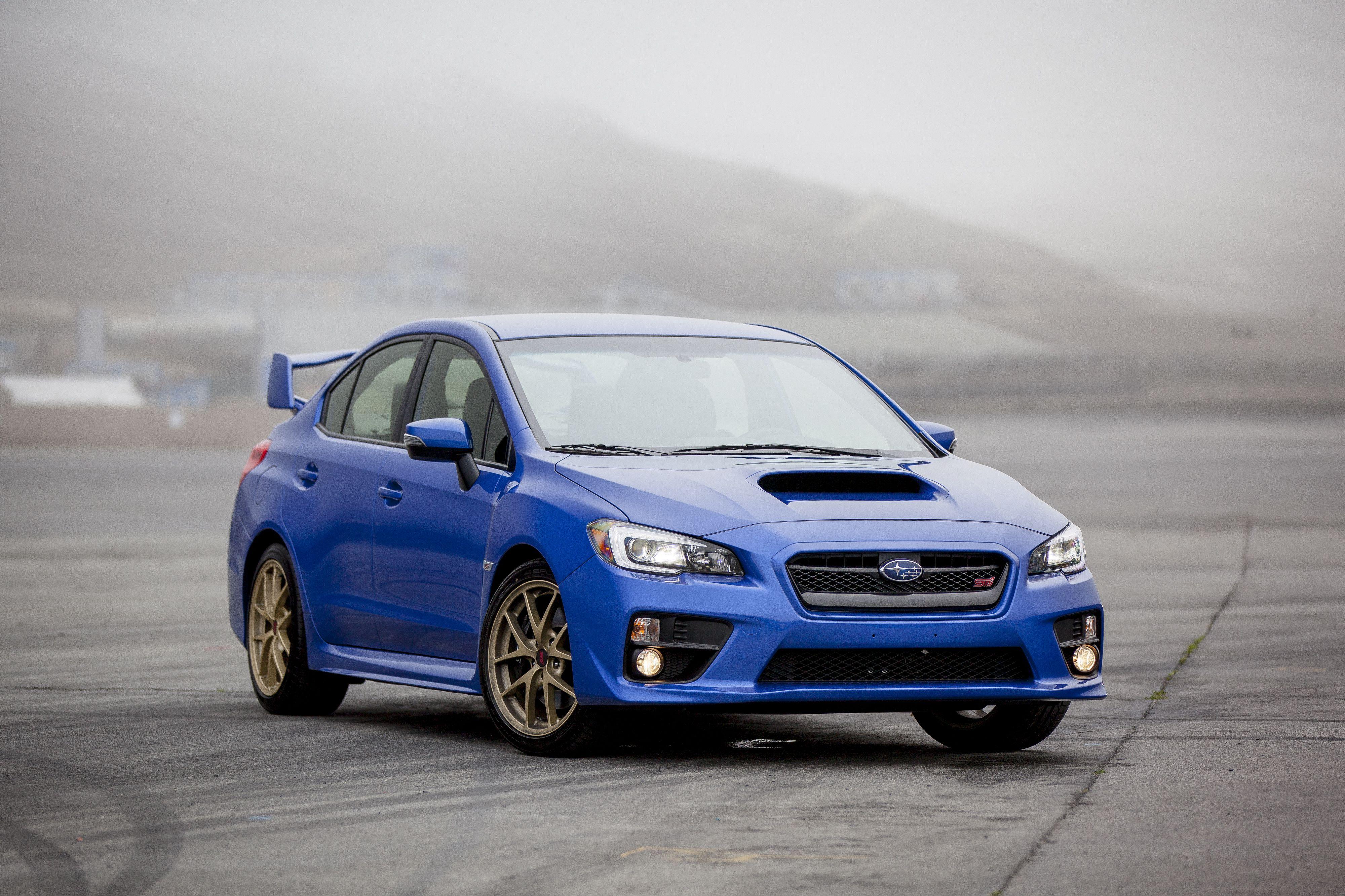
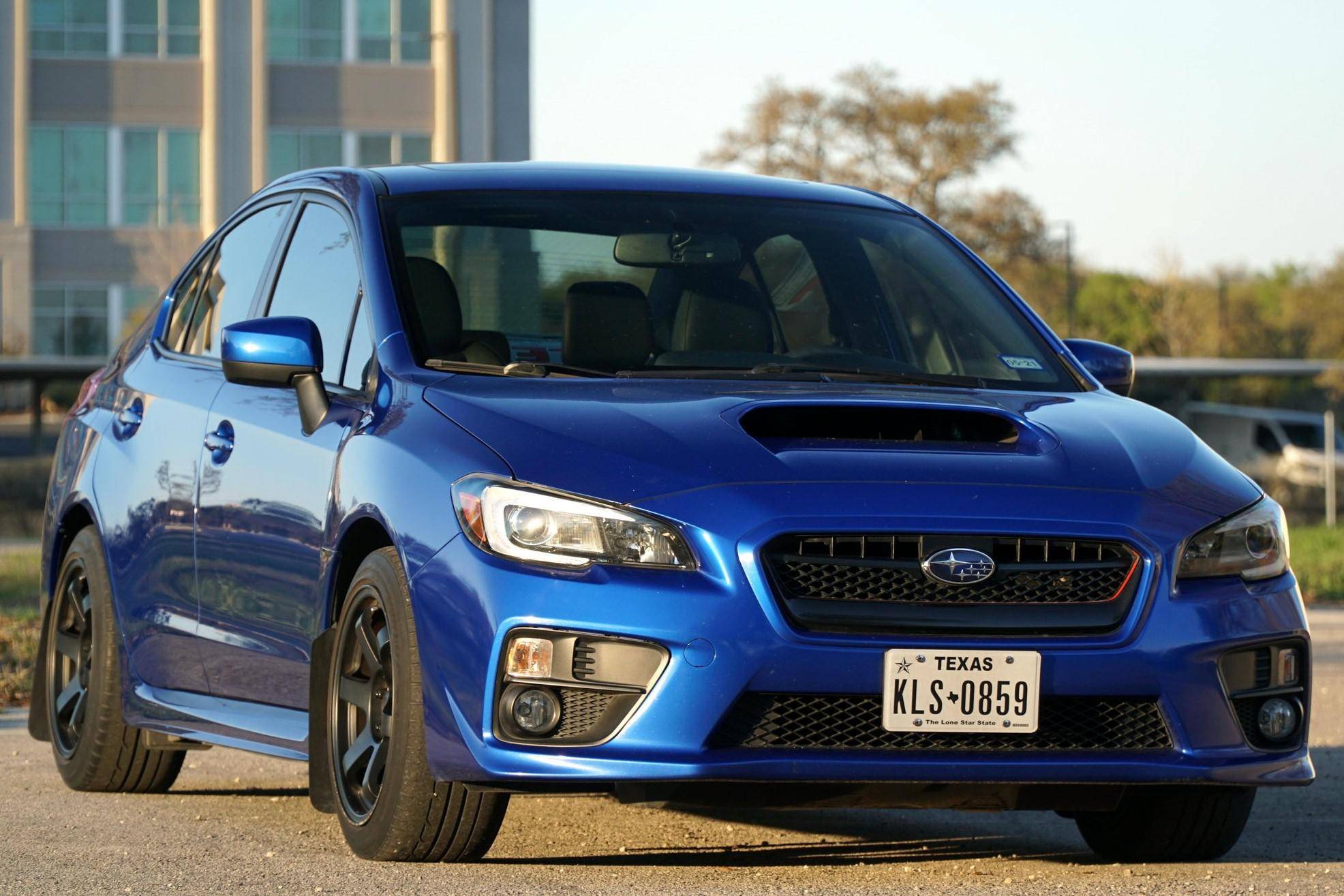
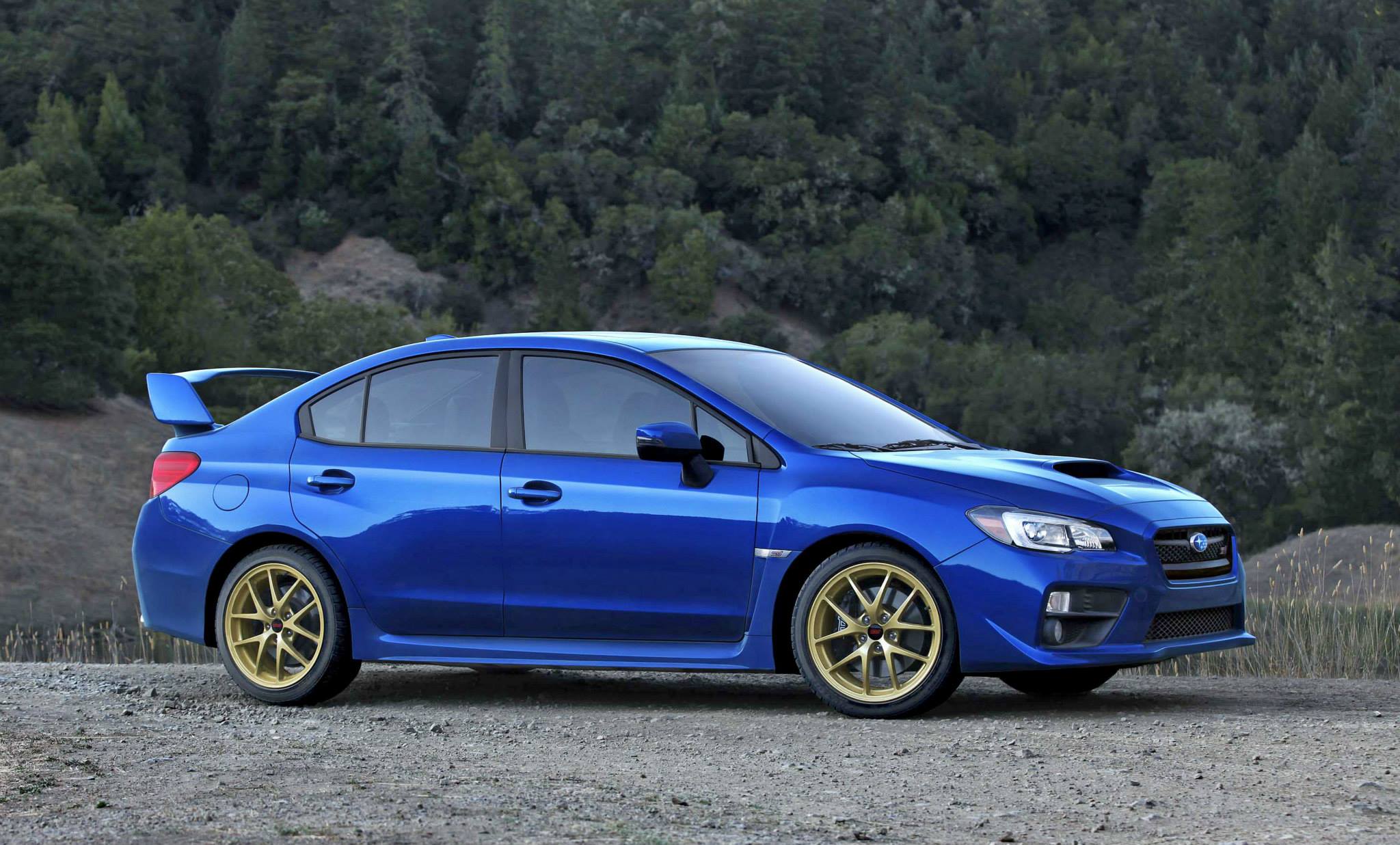
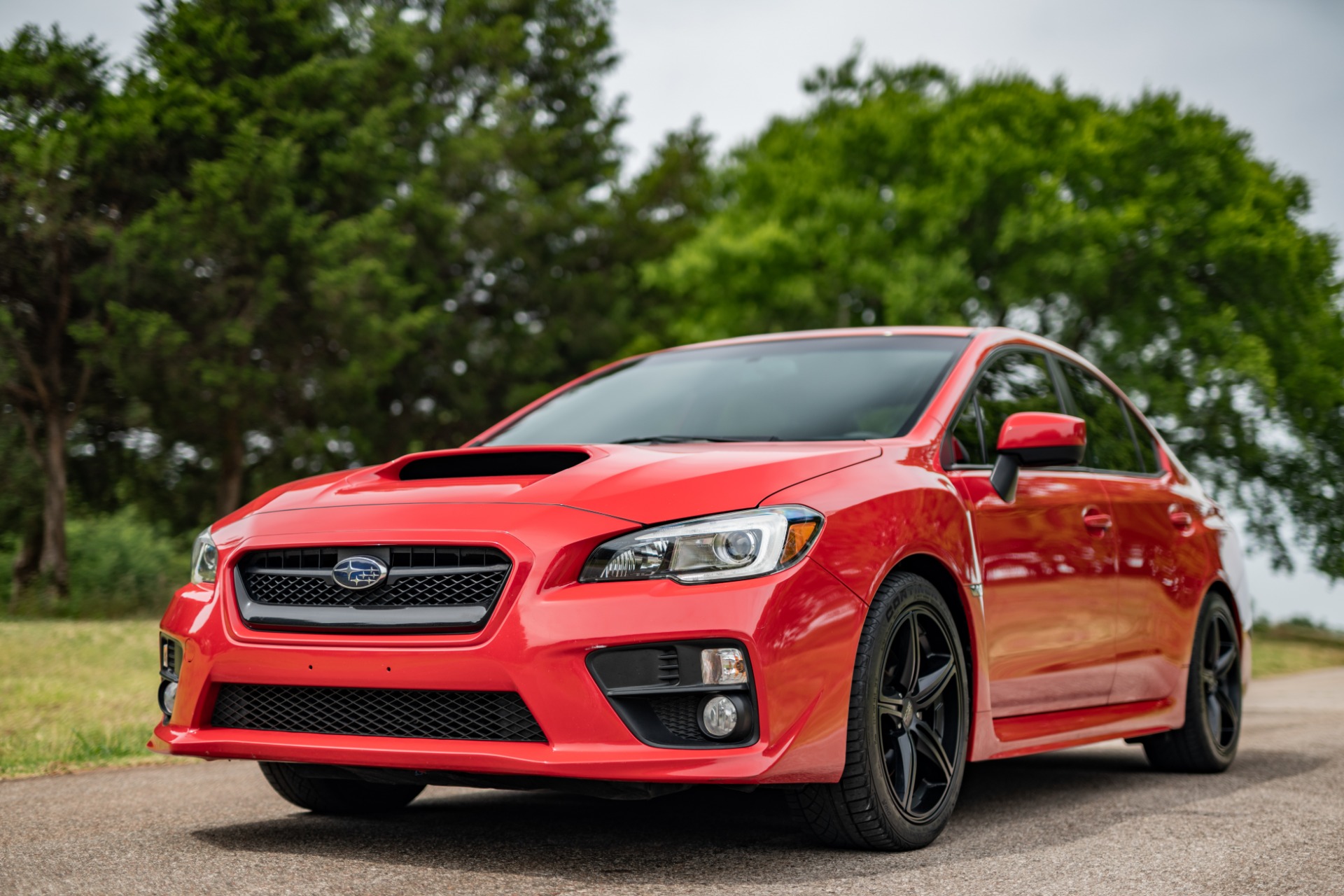
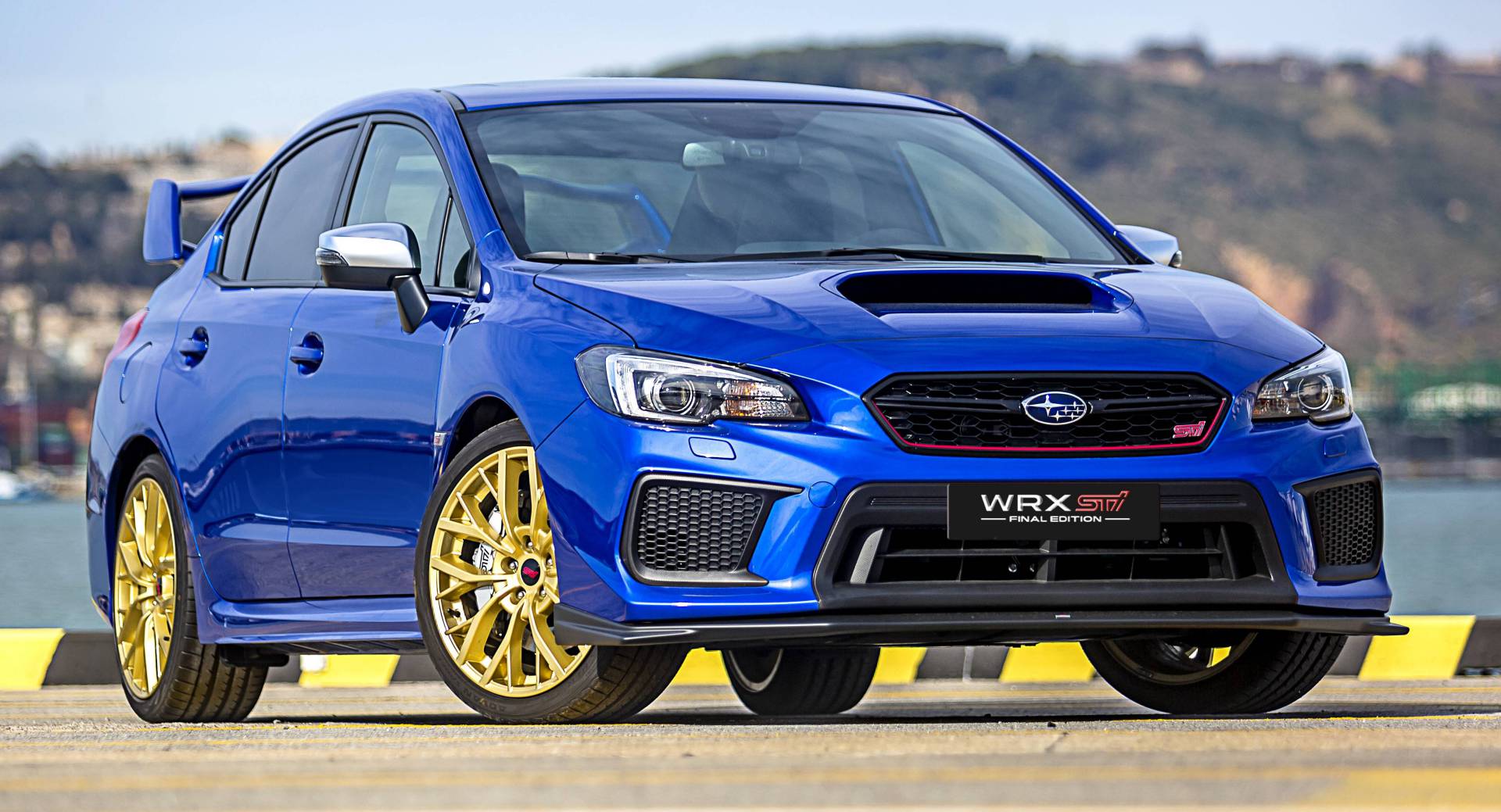
The 2015 Subaru WRX automatic utilizes a high-torque Sport Lineartronic Continuously Variable Transmission (CVT) paired with a 2.0-liter turbocharged FA20F engine. This configuration delivers 268 horsepower and features a sophisticated Variable Torque Distribution (VTD) All-Wheel Drive system, offering a blend of daily drivability and performance that caters to a broader audience than traditional manual-only sport sedans.
The Evolution of the 2015 WRX: A New Era for the Automatic Enthusiast
The 2015 model year marked a significant milestone in the lineage of the Subaru WRX. It represented the transition to the VA chassis, a platform designed to be stiffer, sharper, and more refined than the outgoing GE/GH/GR/GV generation. For many enthusiasts, the most controversial yet impactful change was the reintroduction of an automatic transmission option, which had been absent from the WRX lineup in the North American market for several years.
Subaru’s decision to implement the Sport Lineartronic CVT was driven by two primary factors: market accessibility and the integration of advanced safety technology. By offering an automatic, Subaru opened the WRX to a demographic that required a performance vehicle capable of handling heavy commuter traffic or drivers who simply preferred two pedals. Furthermore, the CVT was a prerequisite for the inclusion of Subaru’s EyeSight Driver Assist Technology, a suite of safety features that became a hallmark of the brand's identity during this era.
The 2015 WRX was not merely a "softened" version of the manual car. It was engineered to be a distinct performance machine. The VA chassis boasted a 41% increase in torsional rigidity and a 30% increase in bending stiffness compared to its predecessor. These structural improvements allowed the suspension—a MacPherson strut setup in the front and a double-wishbone design in the rear—to work more effectively, resulting in a car that turned in more sharply and maintained better composure through high-speed corners.
Understanding the Sport Lineartronic CVT
The term "CVT" often carries a negative connotation among performance enthusiasts, typically associated with the "rubber-band" feel found in economy cars. However, the Sport Lineartronic unit in the 2015 WRX was specifically reinforced to handle the 258 lb-ft of torque produced by the FA20F engine. Unlike a traditional belt-driven CVT, the Lineartronic uses a high-strength metal chain, which is more durable and efficient at transferring high torque loads.
How SI-Drive Influences the Driving Experience
To bridge the gap between efficiency and performance, Subaru equipped the 2015 WRX automatic with Subaru Intelligent Drive (SI-Drive). This system allows the driver to modify the engine's throttle mapping and the transmission’s shift logic via buttons on the steering wheel.
- Intelligent (I) Mode: This is the default setting designed for fuel efficiency and smooth power delivery. In this mode, the CVT operates in a traditional continuously variable fashion, keeping engine RPMs low for a quiet and economical drive.
- Sport (S) Mode: This mode sharpens throttle response and introduces six "virtual" gear ratios. When the driver applies more than 30% throttle, the CVT mimics the shifting behavior of a traditional automatic, providing a more engaging sensation of acceleration.
- Sport Sharp (S#) Mode: The most aggressive setting, Sport Sharp, provides eight virtual gear ratios. It holds the engine in its power band longer and delivers lightning-fast "downshifts" when using the steering-wheel-mounted paddle shifters. In this mode, the WRX feels most alive, responding to inputs with a level of urgency that challenges the notion that CVTs cannot be sporty.
The VTD All-Wheel Drive Advantage
A critical technical distinction between the manual and automatic 2015 WRX lies in the All-Wheel Drive (AWD) hardware. While the 6-speed manual uses a mechanical viscous-coupling center differential with a static 50:50 torque split, the CVT model employs a more sophisticated Variable Torque Distribution (VTD) system.
The VTD system uses an electronically controlled hydraulic transfer clutch combined with a planetary gear-type center differential. Under normal conditions, the VTD splits torque 45:55 (front-to-rear). This rear-biased setup helps reduce understeer and provides a more agile, "rear-wheel-drive" feel when exiting corners. The system continuously monitors wheel speed, throttle position, and lateral G-forces to redistribute torque instantly where it is most needed. For many drivers, the VTD system in the automatic WRX provides a more technologically advanced and capable handling profile than the simpler manual setup.
Technical Specifications and Performance Data
The heart of the 2015 WRX is the FA20F engine. This 2.0-liter, four-cylinder Boxer engine features a "square" design (86mm bore and 86mm stroke) and a twin-scroll turbocharger mounted low in the engine bay to lower the center of gravity. The transition from the older 2.5-liter EJ series engine to the FA20F brought direct injection and dual active valve control (DAVCS), significantly improving low-end torque and fuel efficiency.
| Feature | Specification |
|---|---|
| Engine Type | 2.0L Turbocharged 4-Cylinder Boxer (FA20F) |
| Horsepower | 268 hp @ 5,600 RPM |
| Torque | 258 lb-ft @ 2,000–5,200 RPM |
| Transmission | Sport Lineartronic CVT with Manual Mode |
| AWD System | Variable Torque Distribution (VTD) |
| 0–60 MPH | ~5.8 to 6.0 Seconds |
| Fuel Economy (EPA) | 19 City / 25 Highway / 21 Combined |
| Curb Weight | Approx. 3,433 lbs (Premium/Limited trims) |
| Brakes | 12.4-inch ventilated front / 11.3-inch solid rear |
| Tires | 235/45 R17 (Base) or 245/40 R18 (Premium/Limited) |
Real-World Driving Dynamics: Is the Automatic a "Real" WRX?
In the context of 2026, where high-performance dual-clutch transmissions (DCTs) and electric vehicles have redefined acceleration, the 2015 WRX automatic remains a unique entry in the used market. When driving the car at 7/10ths or 8/10ths of its limit, the CVT manages the power band remarkably well. The twin-scroll turbocharger provides peak torque as low as 2,000 RPM, meaning the "dead zone" often found in older turbocharged cars is largely absent.
The steering is another highlight. Subaru moved to an electric power steering (EPS) system for the 2015 WRX, which was tuned for a very quick 14.5:1 ratio. This makes the car feel incredibly dart-y and responsive. While the CVT can sometimes feel disconnected during aggressive standing starts, it excels in mid-range acceleration and highway passing maneuvers.
However, the automatic does come with a weight penalty. The CVT and its associated cooling and AWD hardware add roughly 150 pounds compared to the manual version. This extra weight, combined with the inherent drivetrain losses of a CVT, makes the automatic roughly half a second slower to 60 mph than a perfectly launched manual car. Nevertheless, for the average driver, the consistency of the CVT often outweighs the difficulty of achieving a perfect launch in a manual WRX.
Maintenance, Common Issues, and Long-Term Reliability
As these vehicles have aged into 2026, specific patterns regarding reliability have emerged. Potential owners and current enthusiasts must pay close attention to several key areas to ensure the longevity of the FA20F and the Lineartronic transmission.
Carbon Buildup in the FA20F
Because the FA20F uses direct injection, fuel does not wash over the intake valves. Over time, oil vapors from the PCV system can bake onto the valves, forming carbon deposits. This can lead to rough idling, loss of power, and reduced fuel economy. Owners typically perform "walnut blasting" (a process of cleaning valves with crushed walnut shells) every 60,000 to 80,000 miles to maintain peak performance.
CVT Longevity and Service Intervals
Subaru initially marketed the CVT fluid as a "lifetime" fill, but mechanical reality suggests otherwise, especially in a performance application like the WRX. To prevent overheating and premature wear of the chain and pulleys, most specialists recommend a CVT fluid exchange every 30,000 to 50,000 miles. If the car has been driven hard or used in extreme climates, more frequent changes are advisable.
Pitch Stop Mount and Firewalls
Early 2015 models were known for a weakness in the pitch stop mount bracket on the firewall. Under heavy load or with aggressive driving, the spot welds on the bracket could fail, leading to strange noises or even structural damage. While more common in manual cars due to the shock of shifting, CVT owners should still inspect this area, particularly if the vehicle has been modified.
Steering Rack and Electrical Issues
The first year of the VA chassis saw some reports of steering rack failures or "heaviness" in the steering feel. Additionally, the infotainment system (Starlink) in the 2015 models is dated by 2026 standards and is known for occasional freezes or Bluetooth connectivity issues. Many owners opt to replace the head unit with an aftermarket Apple CarPlay/Android Auto compatible system.
Buying a Used 2015 WRX Automatic in 2026
When shopping for a 2015 WRX automatic in the current market, the primary concern should be the vehicle’s service history and modification status.
- Check for Modifications: The Lineartronic CVT has a lower torque ceiling than the 6-speed manual. While the manual transmission can handle significant power increases with a clutch upgrade, the CVT is prone to slipping if the engine is tuned beyond 300 lb-ft of torque. Be wary of cars with aftermarket "Stage 2" tunes or larger turbochargers.
- Transmission Health: During a test drive, listen for any high-pitched whining noises, which can indicate a failing CVT pump or worn chain. Pay attention to any shuddering or "hunting" for ratios when the car is at operating temperature.
- Pre-Purchase Inspection (PPI): A PPI by a Subaru specialist is non-negotiable. They should check the turbocharger for oil leaks, inspect the CVT fluid condition, and look for signs of previous structural repairs.
Comparison: CVT vs. 6-Speed Manual
Choosing between the two transmissions often comes down to the driver's environment and priorities.
- Choose the Manual if: You prioritize mechanical connection, plan on heavy track use, or intend to perform significant power-adding modifications. The manual is also simpler and generally cheaper to repair if it breaks.
- Choose the CVT if: You deal with heavy daily traffic, want the added safety of the EyeSight system (available on higher trims), or want a car that can be comfortably driven by multiple family members. The VTD AWD system also provides a slight handling edge in inclement weather and spirited cornering.
Frequently Asked Questions
Can you launch a 2015 WRX automatic?
While the WRX automatic does not have a formal "Launch Control" system like some DCT-equipped cars, it can be brake-boosted. This involves holding the brake with your left foot while building RPMs with the throttle. However, this puts immense strain on the CVT and the torque converter and is generally discouraged as it can lead to premature transmission failure.
Is the 2015 WRX automatic good in the snow?
Yes, it is exceptional. Thanks to the Variable Torque Distribution (VTD) system and Subaru’s Symmetrical AWD, the automatic WRX is one of the most capable small sedans in winter conditions. When paired with high-quality winter tires, the rear-biased torque split allows for predictable handling even on icy surfaces.
What is the life expectancy of the Sport Lineartronic CVT?
With proper maintenance (regular fluid changes), many Lineartronic units have been known to exceed 150,000 miles. However, the transmission’s lifespan is significantly shortened by lack of maintenance or by increasing engine torque through aftermarket tuning.
Does the 2015 WRX automatic have EyeSight?
EyeSight Driver Assist Technology was an optional feature on the 2015 WRX, but it was exclusively available on the Limited trim with the CVT. If you are looking for adaptive cruise control and pre-collision braking, you must ensure the specific vehicle was equipped with the EyeSight package.
How does the 2015 WRX automatic handle fuel?
The FA20F engine requires premium unleaded fuel (91 octane or higher). Using lower octane fuel can cause engine knocking and trigger the ECU to pull timing, resulting in a noticeable loss of power and potential long-term engine damage.
Practical Recommendation
For those seeking a 2015 Subaru WRX automatic in 2026, the best value is typically found in the Limited trim. This trim level often includes leather seating, LED headlights, and the potential for the EyeSight safety suite. Ensure the vehicle has a documented history of CVT fluid changes and has remained in stock mechanical condition. If the car has over 100,000 miles, budget for a carbon cleaning (walnut blasting) of the intake valves and a thorough suspension refresh to restore the sharp handling the VA chassis was designed for.