The year 2015 marked a watershed moment for digital dermatology content, as 2015 pimple popping videos transitioned from niche internet curiosities into a mainstream entertainment and therapeutic phenomenon. Driven primarily by the explosive growth of specialized YouTube channels—most notably those of Dr. Sandra Lee, widely known as Dr. Pimple Popper—these high-definition extractions captivated millions of viewers worldwide. This cultural surge transformed clinical extractions of cysts, blackheads, and lipomas into a multi-platform media genre, fundamentally shifting public perceptions of dermatological conditions, hygiene, and ASMR-driven relaxation.
The Rise of Dermatological Media in 2015
To understand the phenomenon of 2015 pimple popping videos, one must examine the state of digital video platforms and online medical communication during that period. Prior to 2015, extractions were largely confined to medical textbooks, professional journals, or grainy, amateur home videos uploaded by curious individuals. However, the convergence of high-definition smartphone cameras, accessible video-editing software, and the algorithm-driven recommendations of platforms like YouTube created an ideal ecosystem for procedural content.
Dermatologists and aesthetic practitioners began realizing the educational and marketing potential of sharing edited clips of extractions. Patients increasingly consented to having their procedures filmed, provided their identities remained protected. This transparency demystified common skin conditions such as epidermoid cysts, milia, and severe acne vulgaris. Instead of treating these dermatological issues as taboo or embarrassing secrets, viewers could observe the meticulous clinical steps required to safely remove sebum, keratin, and purulent material from the dermal layers.
Furthermore, the year 2015 served as a tipping point because video creators began optimizing their content for audience engagement. Thumbnails, descriptive titles, and structured editing—such as highlighting the moment of extraction or providing soothing voiceovers—turned standard medical procedures into compelling visual narratives. This shift democratized medical knowledge, allowing laypersons to learn about skin anatomy, pore blockage mechanisms, and the risks of improper self-extraction.
Psychological Appeal and the ASMR Phenomenon
The widespread popularity of 2015 pimple popping videos generated significant curiosity among psychologists, neuroscientists, and media scholars. Why did millions of viewers find intense satisfaction in watching the clearance of obstructed pores? Research and commentary from this era highlighted several psychological and physiological mechanisms at play:
- Catharsis and Completion: Human brains often respond positively to seeing a chaotic or disorderly situation brought into order. A congested pore represents a blockage; its successful clearance offers a visual sense of completion and resolution.
- Autonomous Sensory Meridian Response (ASMR): Many viewers reported experiencing mild tingling sensations, deep relaxation, or stress relief when watching quiet, focused extractions accompanied by soft speech or the crisp sounds of medical instruments.
- Curiosity and Voyeurism: Medical procedures naturally tap into a safe form of morbid curiosity. Viewers can explore the hidden realities of human biology from a position of absolute comfort and safety.
- Desensitization and Normalization: For individuals struggling with chronic skin conditions, watching these videos helped normalize their experiences, reducing feelings of isolation and social stigma.
At the same time, medical professionals issued frequent caveats. While the visual satisfaction was undeniable, psychologists noted that excessive viewing could occasionally morph into compulsive behaviors for a small subset of viewers, mirroring skin-picking tendencies ( excoriation disorder ).
Clinical Safety and the Risks of Imitation
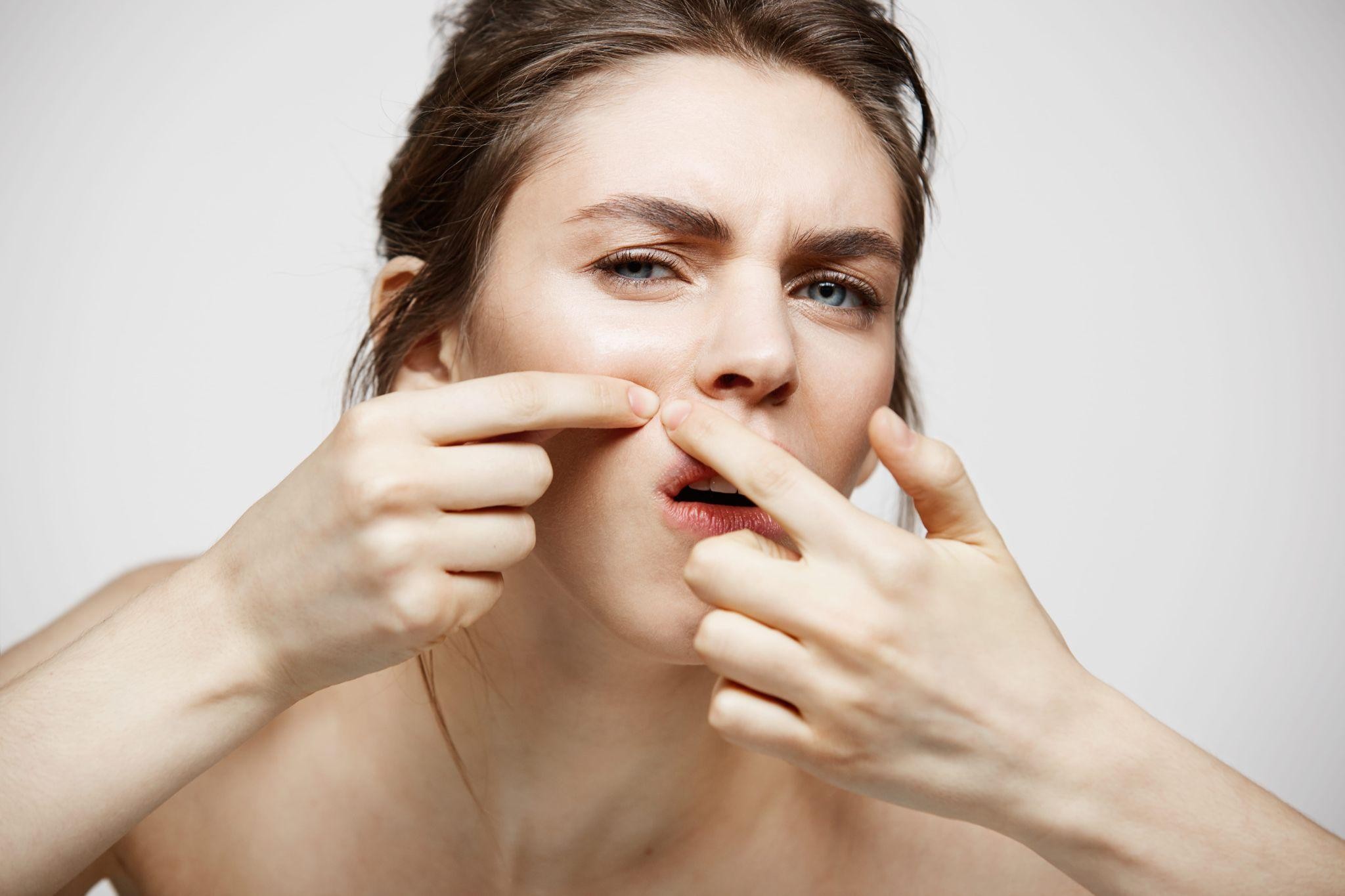
A critical dimension of the 2015 pimple popping trend involved the sharp divide between professional execution and amateur replication. Dermatologists and skin care specialists utilized the viral nature of these videos to educate the public on the severe risks associated with DIY extractions performed at home.
| Extraction Method | Environment | Tools Used | Risk of Complication | Infection Potential |
|---|---|---|---|---|
| Professional Clinical | Sterilized medical office | Comedone extractors, surgical blades, sterile gloves | Minimal under sterile technique | Very low; managed immediately |
| At-Home DIY | Uncontrolled bathroom | Fingers, unsterilized sewing needles, hairpins | High (scarring, hyperpigmentation) | Moderate to high from environmental bacteria |
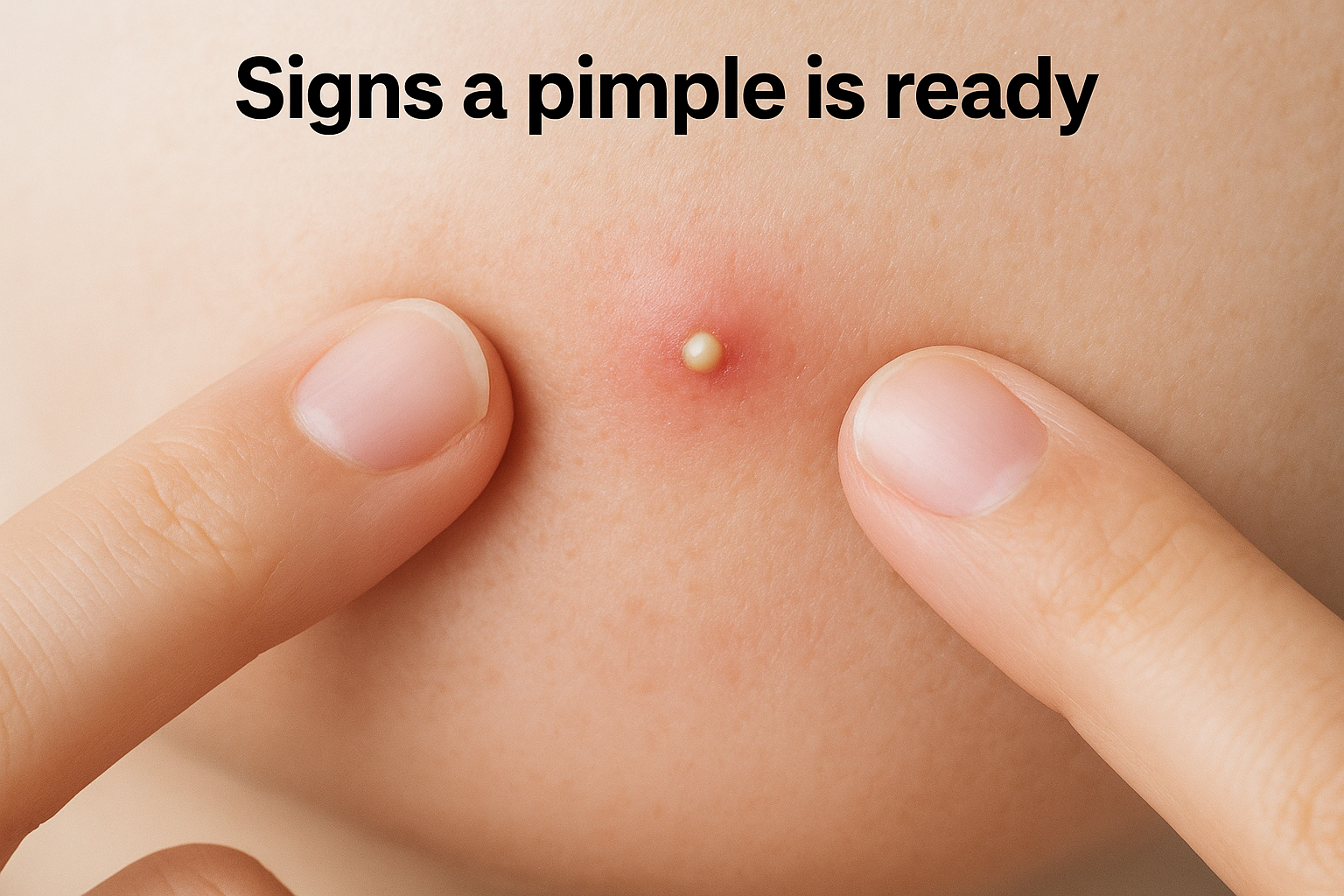
As demonstrated in the comparison above, professional extractions rely on strict asepsis, proper lighting, magnification, and precise anatomical knowledge. When untrained individuals attempted to replicate the feats seen in 2015 pimple popping videos using unsterilized household tools, several adverse outcomes frequently occurred:
- Dermal Trauma: Aggressive squeezing pushes infected material deeper into the dermis rather than out, rupturing the follicle wall and causing widespread inflammation.
- Permanent Scarring: Deep tissue trauma often leads to atrophic or hypertrophic scars, as well as post-inflammatory hyperpigmentation (PIH), which can persist for years.
- Secondary Bacterial Infections: Introducing Staphylococcus or Streptococcus bacteria from unwashed hands into an open wound can result in cellulitis, abscesses, or severe localized infections.
- The "Danger Triangle" of the Face: Dermatologists repeatedly warned against squeezing blemishes located in the area spanning from the corners of the mouth to the bridge of the nose. Blood vessels in this region connect directly to the cavernous sinus of the brain, meaning a severe infection here can lead to rare, life-threatening complications like cavernous sinus thrombosis.
Evolution of Content Formats and Monetization
The commercial viability of 2015 pimple popping videos reshaped how medical professionals approached digital branding. Before this era, medical advertising was strictly regulated and largely confined to traditional print, local directories, or hospital networks. The viral success of procedural videos demonstrated that specialized expertise could be monetized globally through ad revenue, brand partnerships, and direct-to-consumer skincare product lines.
Creators developed distinct stylistic conventions that persisted for years afterward:
- The Teaser Intro: Brief, high-impact clips placed at the very beginning of the video to hook viewer attention.
- Educational Narration: Explaining the underlying pathology (such as differentiating a pilar cyst from a steatocystoma) while performing the extraction.
- Patient Interaction: Maintaining a calm, reassuring dialogue with the patient to alleviate clinical anxiety and humanize the procedure.
- Post-Care Guidance: Outlining the healing process, wound care instructions, and follow-up schedules.
This professionalization elevated the genre above simple shock value, anchoring it firmly in patient education and dermatological advocacy.
Frequently Asked Questions
Why did pimple popping videos become so popular in 2015?
The surge in 2015 was fueled by the maturation of high-definition mobile video platforms, the rise of algorithm-driven content recommendations, and the emergence of charismatic practitioners who combined clinical expertise with soothing, educational commentary. This combination turned clinical procedures into accessible, highly engaging digital entertainment.
Are the extractions shown in these videos painful for the patients?
Most professional extractions utilize local anesthesia, such as lidocaine injections, to numb the affected area before any surgical incisions or deep extractions take place. While patients may feel pressure, sharp pain is typically minimized during clinical procedures.
Is it safe to pop pimples at home based on these videos?
No. Dermatologists strongly advise against DIY extractions. Professional videos are performed in sterile environments by trained medical personnel using specialized, sterilized instruments. Attempting similar techniques at home risks severe scarring, infection, and deep tissue damage.
What is the "Danger Triangle" of the face mentioned by dermatologists?
The danger triangle encompasses the area from the corners of the mouth to the bridge of the nose. Blood vessels in this zone have a direct pathway to the brain's cavernous sinus, meaning infections caused by improper squeezing can lead to serious neurological complications.
How did these videos impact modern dermatology practices?
The trend dramatically improved public health literacy regarding skin conditions. It helped destigmatize chronic acne, cysts, and benign skin growths, while encouraging patients to seek professional dermatological care rather than attempting dangerous home remedies.
Conclusion and Recommendations
The cultural phenomenon of 2015 pimple popping videos permanently altered the landscape of medical media, proving that clinical transparency and education can captivate a global audience. While the visual satisfaction of these videos remains high, viewers must maintain a clear boundary between entertainment and medical reality. Anyone struggling with persistent acne, cysts, or skin irregularities should consult a board-certified dermatologist rather than attempting to replicate procedures observed online. Prioritizing clinical expertise and proper sterile technique ensures healthy skin and prevents long-term dermatological damage.