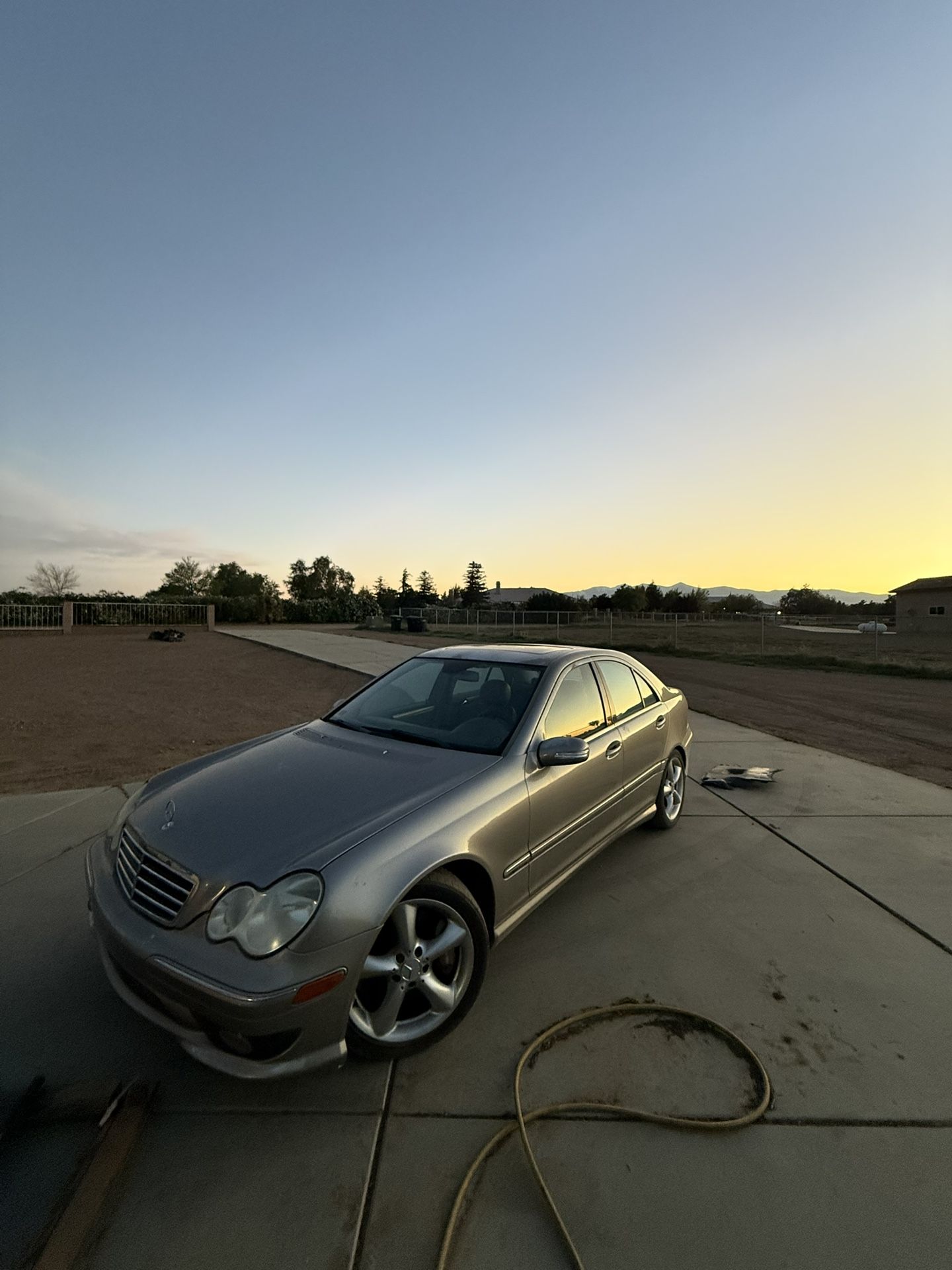
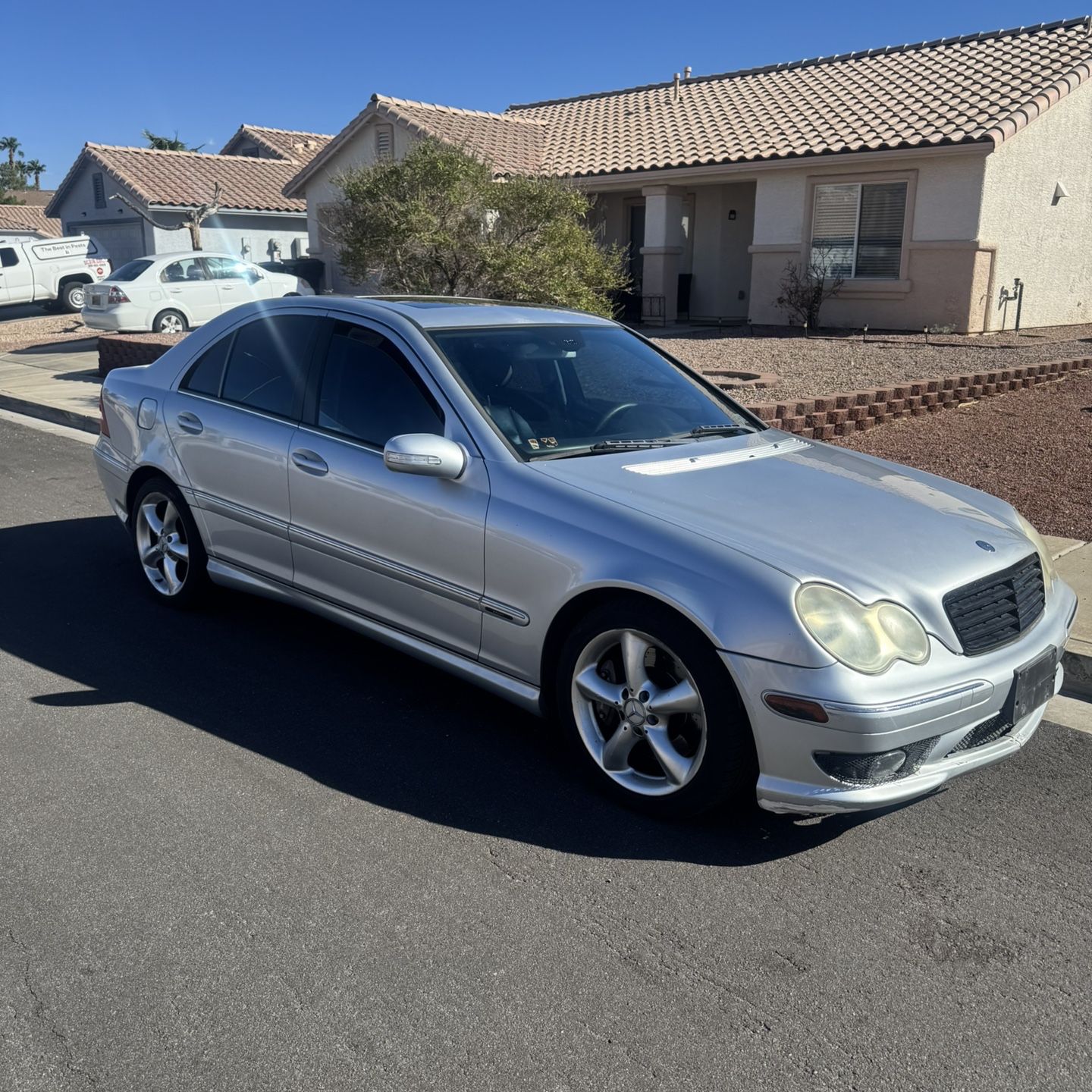
The 2006 Mercedes-Benz C230, part of the W203 facelift generation, remains a significant entry point for enthusiasts seeking the classic German luxury driving experience at an accessible price point. Evaluating this vehicle today requires a balanced look at its refined 2.5-liter V6 engine, the ergonomic limitations of the era’s interior technology, and the reality of maintaining a two-decade-old premium European sedan.
Understanding the 2006 Mercedes C230 Identity
The 2006 model year represented the mature phase of the W203 C-Class, which received a substantial mid-cycle refresh in 2005. By 2006, Mercedes-Benz had replaced the earlier supercharged 1.8-liter four-cylinder engine found in previous C230 models with a naturally aspirated 2.5-liter DOHC V6. This change significantly altered the character of the car, moving it away from the buzzy, high-pressure output of a four-cylinder forced-induction engine toward a smoother, more linear power delivery characteristic of traditional luxury touring vehicles.
When evaluating this car, one must recognize that it sits in the middle of the C-Class hierarchy of that time—positioned above the entry-level C230 "Sport" trim levels that focused on aesthetic modifications and below the high-performance C55 AMG. The 2006 C230 was designed to provide a "balanced" performance profile, prioritizing highway stability and cabin comfort over raw cornering agility.
Performance Dynamics: The V6 Experience
The centerpiece of the 2006 C230 is the M272 engine. This 2.5-liter V6 generates 201 horsepower and 181 lb-ft of torque. In the context of 2026, these numbers are modest, but they provide sufficient thrust for daily commuting and highway merging.
- Engine Smoothness: Unlike the earlier M271 supercharged engines, which were known for timing chain issues and injector failures, the M272 engine offers a much more refined idle and a quieter cabin experience at cruising speeds.
- Transmission Performance: The 7G-TRONIC seven-speed automatic transmission was a sophisticated piece of engineering for 2006. While it offers more gears than many of its contemporaries, owners should note that early iterations of this transmission can be sensitive to fluid quality. Proper shifts are essential to maintaining the car’s perceived value.
- Handling and Ride Quality: The W203 platform features a front MacPherson strut and a multi-link rear suspension. Even by modern standards, the chassis feels planted. However, suspension bushings and control arms are common wear items that, when degraded, can transform the car from a "composed tourer" into a loose, unpredictable vehicle.
Evaluating Financial Value and Maintenance Costs
The market value of a 2006 Mercedes C230 in 2026 is largely determined by maintenance history rather than odometer readings alone. A low-mileage car that has sat stagnant for years is often a greater financial liability than a higher-mileage example with documented service records, particularly concerning rubber seals, gaskets, and electronic modules.
Key Maintenance Considerations for Ownership
Prospective owners and current custodians must be aware of the "cost of entry" vs. "cost of ownership." The purchase price for these vehicles is often low, but the cost of genuine Mercedes-Benz parts remains at a level commensurate with the vehicle’s original MSRP.
| Component Category | Typical Issue | Impact on Value |
|---|---|---|
| Engine (M272) | Balance shaft gear wear | High (Major overhaul) |
| Transmission | Valve body solenoid failure | Moderate to High |
| Suspension | Control arm bushing rot | Moderate (Regular wear) |
| Interior | Soft-touch plastic degradation | Low (Cosmetic) |
| Electronics | SAM (Signal Acquisition Module) | High (Diagnostic difficulty) |
The balance shaft gear issue is the most critical item to investigate. If the engine serial number falls within the affected range (documented in official Mercedes technical service bulletins), the repair costs can often exceed the market value of the vehicle. Always verify that this repair has been addressed if the engine falls within the susceptible production window.
Interior Quality and Technology
The interior of the 2006 C230 reflects a transitional period in automotive design. It features the "COMAND" system, which, by 2026, is fundamentally obsolete compared to modern smartphone integration. Owners should expect to rely on aftermarket Bluetooth adapters or head unit replacements if they intend to use the vehicle for daily tasks that require navigation or modern connectivity.
The "soft-touch" coating used on dashboard buttons and door handles is a known failure point. Over two decades, these coatings often become sticky or begin to peel. While this does not affect the performance of the vehicle, it significantly degrades the tactile luxury experience that the brand is known for. Addressing this usually requires either stripping the coatings or replacing the affected trim pieces with salvaged units, which are increasingly difficult to find in pristine condition.
Comparing the 2006 C230 to Peers
When evaluating value, it is helpful to look at the C230 alongside its primary competitors from the 2006 timeframe, such as the E46/E90 BMW 3-Series or the Audi A4.
- vs. BMW 3-Series (E90): The BMW offers more aggressive handling and sharper steering feedback. However, the C230 generally offers a more compliant ride quality, making it a better candidate for long-distance highway driving.
- vs. Audi A4 (B7): The A4 provided standard all-wheel drive (Quattro) in many configurations, whereas the 2006 C230 was predominantly rear-wheel drive. If you reside in a climate with significant winter precipitation, the C230 will require a higher investment in dedicated winter tire sets to remain safe.
Practical Steps for Evaluation
If you are currently evaluating a 2006 C230, follow these steps to ensure you are not acquiring a "money pit."
- VIN Check: Run the VIN through a decrypter to confirm the engine serial number. Cross-reference this against the known range for the M272 balance shaft defect.
- Cold Start Audit: Listen specifically for a metallic "rattle" during the first few seconds of a cold start. This is a tell-tale sign of timing chain tensioner fatigue or cam adjuster issues.
- SAM Module Inspection: Check the driver and passenger footwells for any signs of moisture. The Front SAM module is located in the engine bay, but water ingress through clogged cowl drains is a common cause of electrical gremlins in the W203.
- Suspension Test: Perform a "bounce test" on each corner and listen for clunking sounds during low-speed maneuvers over uneven pavement. If the car feels "wandering" at highway speeds, plan for an immediate investment in suspension refreshment.
Common Misconceptions
A frequent mistake is assuming that because these cars are old, they are simple to work on. While the mechanical layout is straightforward compared to a 2026 model, the integration of the CAN-bus electronics means that basic DIY repairs often require proprietary diagnostic scanners (such as STAR/DAS) to clear codes or reset service intervals. Attempting to repair a 2006 Mercedes with generic OBD-II scanners will often result in incomplete diagnostics, as generic tools cannot read chassis or body-specific codes.
FAQ: Navigating the 2006 C230 Ownership Experience
Is the 2006 Mercedes C230 reliable enough for a daily driver in 2026? The vehicle is reliable if you prioritize preventative maintenance. It is not "reliable" in the sense of a low-maintenance economy car; it requires a proactive approach to fluid changes and rubber component replacement. If you have the budget for consistent professional service, it can serve as a dependable daily commuter.
Are parts still readily available for this model? Yes. Due to the high production numbers of the W203 platform, parts are widely available through both official Mercedes-Benz dealership networks and third-party specialty suppliers. You will find that most mechanical components are still in production.
How does the fuel economy compare to modern standards? The 2.5-liter V6 is not particularly efficient by 2026 standards. Expect roughly 18-22 MPG in combined city and highway driving. This is a significant factor to consider if you have a long daily commute.
What is the single most important service record to look for? The balance shaft gear repair documentation is paramount. If a seller cannot confirm this, you should assume the cost of the repair—which is substantial—into your purchase offer.
Next Action Recommendation
If you are in the market for a 2006 Mercedes C230, your next step should be to locate a technician specializing in European vehicles—specifically those with access to Mercedes-specific diagnostic software—to perform a pre-purchase inspection (PPI). Focus the inspection specifically on the balance shaft, the transmission valve body, and the condition of the electrical SAM modules. If these three areas are cleared, the vehicle likely retains its value as a comfortable, capable, and classic executive sedan.