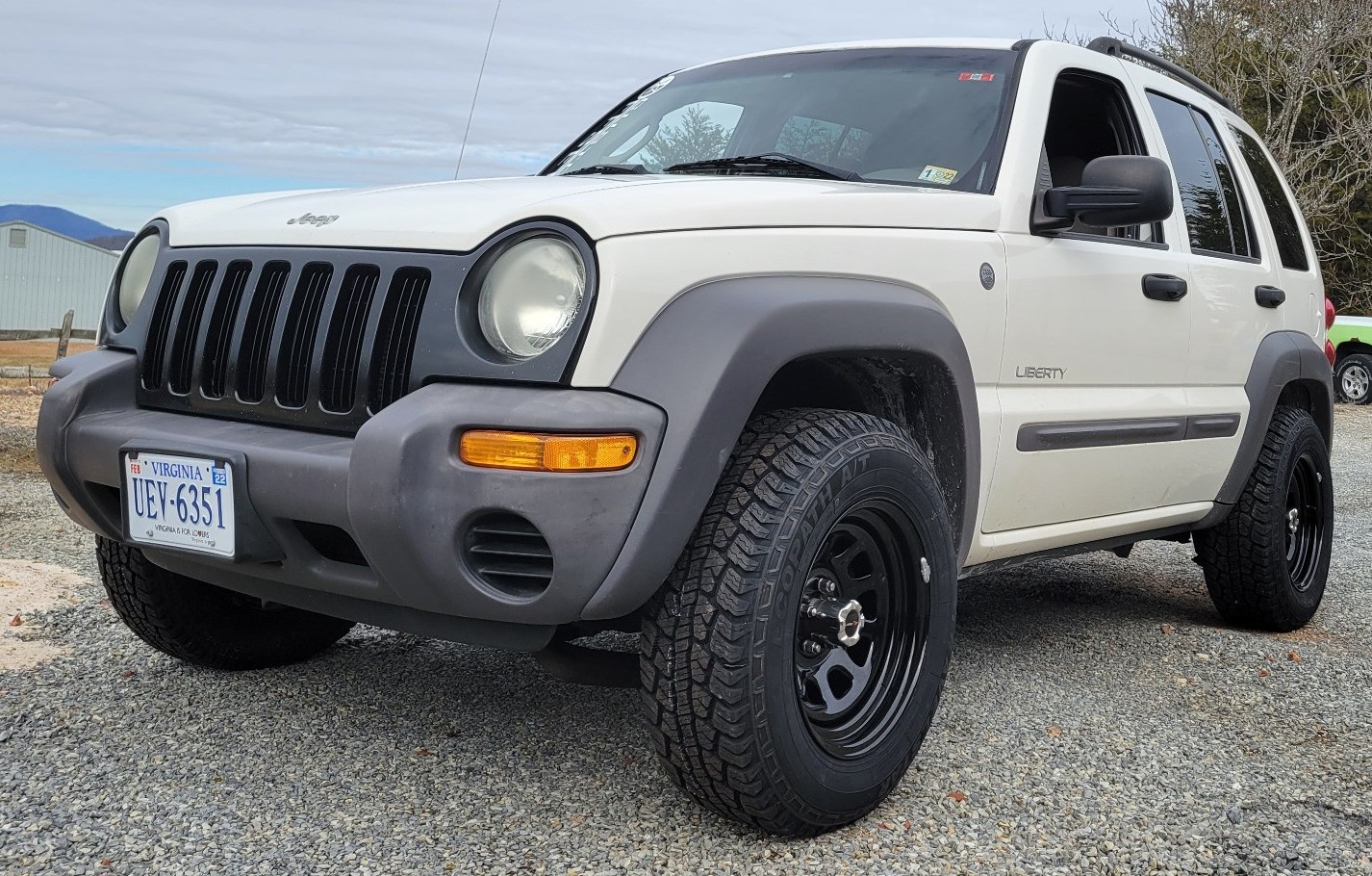
The 2006 Jeep Liberty (KJ platform) remains a notable vehicle in the mid-size SUV market, characterized by its distinct unibody construction and heavy-duty 4-wheel drive capabilities. Buyers and owners should prioritize understanding the differences between the Command-Trac and Selec-Trac transfer case systems, the maintenance requirements of the 3.7L PowerTech V6 engine, and the specific suspension geometry that defines its off-road performance and on-road handling characteristics.
Understanding the 2006 Jeep Liberty 4WD Architecture
The 2006 Jeep Liberty is a product of a transitional era for SUV engineering. Unlike the body-on-frame trucks of its time, it utilized a unibody structure with a structural ladder frame integrated into the design. This hybrid approach allowed for significantly better torsional rigidity than traditional unibodies, which is essential for the stresses encountered when engaging the 4-wheel drive system on uneven terrain.
Command-Trac vs. Selec-Trac
The most significant consideration for an owner or prospective buyer is identifying which transfer case the vehicle is equipped with. This is not merely a trim-level difference but a fundamental change in how the vehicle manages torque.
- Command-Trac (Part-Time): This system features a lever with 2WD, 4WD High, Neutral, and 4WD Low. It is designed specifically for loose or slippery surfaces such as mud, sand, or snow. Because it locks the front and rear driveshafts together, it must never be used on high-traction surfaces like dry pavement, as doing so will cause severe "driveline bind," potentially leading to catastrophic failure of the transfer case or differential components.
- Selec-Trac (Full-Time): This system offers more versatility by including a "Full-Time" 4WD setting. This uses an internal differential that allows the front and rear axles to rotate at different speeds while still providing power to all four wheels. This makes the vehicle safe for use on mixed surfaces, such as roads with patches of ice or slush, without requiring the driver to manually switch out of 4WD when the pavement becomes dry.
Technical Specifications and Mechanical Requirements
Understanding the mechanical constraints of the 2006 Liberty is vital for long-term reliability. The vehicle is powered almost exclusively by the 3.7L PowerTech V6 engine, which produces approximately 210 horsepower and 235 lb-ft of torque. While robust, this engine has specific maintenance intervals that owners must observe.
Powertrain and Driveline Specifications
The 2006 model year came equipped with a 4-speed automatic transmission (42RLE) or, in rarer instances depending on specific configurations, a 6-speed manual transmission. The 4-wheel drive systems are supported by a Dana 30 front axle and a Chrysler 8.25-inch rear axle (some early production models featured a Dana 35, though most 2006 units were transitioned to the stronger 8.25-inch rear end).
| Feature | Specification |
|---|---|
| Engine | 3.7L PowerTech V6 |
| Transmission | 4-speed Automatic (42RLE) |
| Transfer Case (Opt 1) | Command-Trac (Part-Time) |
| Transfer Case (Opt 2) | Selec-Trac (Full-Time/Part-Time) |
| Front Axle | Dana 30 (Independent Front Suspension) |
| Rear Axle | Chrysler 8.25-inch (Solid) |
Ownership Considerations: Maintenance and Longevity
Ownership of a 2006 Jeep Liberty in 2026 requires a proactive approach to vehicle health. Given the age of the vehicle, the focus shifts from standard factory schedules to managing wear-and-tear components and addressing aging rubber, seals, and cooling system efficiency.
Cooling System Sensitivity
The 3.7L PowerTech engine is notoriously sensitive to overheating. If the cooling system fails—often due to a stuck thermostat, a failing water pump, or a degraded radiator—the engine is highly susceptible to cylinder head gasket failure. Prospective owners should verify the integrity of the radiator hoses, the condition of the coolant (checking for debris or oily residue), and the functionality of the electric cooling fan. A well-maintained cooling system is the primary factor in preventing premature engine retirement for this model.
Suspension and Steering
The Jeep Liberty uses an Independent Front Suspension (IFS) with lower control arms and a coil-spring setup. Over time, the ball joints, specifically the lower ball joints, are prone to wear. It is critical to inspect these components for excessive play or torn rubber boots. Because the front suspension geometry directly affects the vehicle's alignment and, consequently, its ability to manage 4WD traction, failing suspension components can lead to unstable handling during 4WD engagement.
Driveline Fluids
For 4WD models, the transfer case fluid should be changed according to the severe service interval if the vehicle has been used for towing or off-road excursions. Using the incorrect fluid specification for either the transmission or the transfer case can lead to internal mechanical noise or shifting delays. Always refer to the original manufacturer service manual for the specific fluid weight requirements for the Command-Trac or Selec-Trac unit.
Common Troubleshooting Scenarios
As a vehicle enters its third decade, certain issues become common across the 2006 Liberty fleet. Recognizing these symptoms early can prevent expensive repairs.
- 4WD Engagement Difficulty: If the transfer case is difficult to shift, the linkage often becomes seized due to corrosion or lack of lubrication. Before replacing the transfer case, have a technician inspect the linkage cables.
- ABS and Traction Control Lights: These systems are sensitive to wheel speed sensor interference. If the sensors are damaged by road debris or if the tone rings on the axles are corroded, the 4WD system's performance may be compromised, or the dash may illuminate warning lights indicating a fault in the traction control software.
- Window Regulator Failures: While unrelated to the drivetrain, the 2006 Liberty is well-documented for internal door panel regulator failures. Owners should budget for these repairs as part of the vehicle's "cost of ownership" rather than unexpected mechanical failure.
Off-Road Capability and Limitations
The 2006 Liberty is a capable off-roader, but it is not a heavy-duty rock crawler. Its ground clearance and approach/departure angles make it suitable for light to moderate trails. The IFS, while providing a comfortable ride on the highway, has less articulation than a solid-front-axle vehicle. Owners looking to improve performance often look toward "leveling kits" or slightly larger tires, but it is essential to note that these modifications increase the load on the front CV (constant velocity) joints and the steering rack, potentially shortening their lifespan.
Professional Advice and Maintenance Limitations
When dealing with a vehicle of this age, it is advisable to establish a relationship with a mechanic who specializes in Chrysler/Jeep products from the mid-2000s. These vehicles rely on specific computer protocols that might not be fully accessible by generic OBD-II scanners. For example, some advanced diagnostic codes for the transfer case or transmission modules require specialized diagnostic software to interpret accurately.
Furthermore, any advice regarding the performance or safety of the vehicle should be verified against the official service manual. Information found in enthusiast forums or social media, while helpful for anecdotal evidence, should not replace the technical specifications found in the factory documentation. If you suspect your vehicle has been involved in a safety recall, check your VIN (Vehicle Identification Number) on official government automotive safety portals to ensure all repairs have been completed.
Frequently Asked Questions
Is the 2006 Jeep Liberty 4WD safe for winter highway driving?
Yes, provided it is equipped with the Selec-Trac system. The "Full-Time" 4WD setting allows for safe use on paved, snow-covered roads. If you have the Command-Trac (Part-Time) system, you must stay in 2WD on clear pavement and only engage 4WD when the surface is sufficiently loose or slick enough to allow for tire slip, preventing drivetrain damage.
Can I upgrade to larger tires without affecting the 4WD system?
You can move to slightly larger tires, but significant increases in diameter will change the final drive ratio and put additional stress on the transmission and differentials. This can also cause rubbing against the suspension components. For best performance, stay within the manufacturer's recommended tire size or perform a proper lift if larger tires are desired.
What is the most common cause of 4WD failure in this model?
Lack of maintenance on the transfer case fluid and using the Part-Time 4WD system on dry pavement are the primary causes. Using the system on high-traction surfaces creates immense pressure on the internal components, which leads to chain stretching or gear tooth damage.
How do I know if I have the Dana 35 or Chrysler 8.25 rear axle?
You can visually inspect the differential cover. The Chrysler 8.25-inch rear axle has a distinct, flat bottom edge to the cover, whereas the Dana 35 is more rounded and oval-shaped. The 8.25-inch axle is widely considered more robust for towing and off-roading.
Does the 3.7L V6 require premium fuel?
No, the 3.7L engine is designed to run on standard 87-octane gasoline. Using higher octane fuel provides no performance or efficiency benefit and is generally unnecessary unless specified for high-altitude towing situations in the owner's manual.
Conclusion and Next Actions
To successfully maintain a 2006 Jeep Liberty 4WD, begin by identifying your specific transfer case. Perform an immediate fluid change on the transmission, differentials, and transfer case if the service history is unknown. By prioritizing the cooling system and keeping an eye on suspension components, you can significantly extend the operational life of the vehicle. If you are currently experiencing issues with 4WD engagement, inspect the linkage for external mechanical failure before assuming the internal transfer case components have reached their end-of-life.