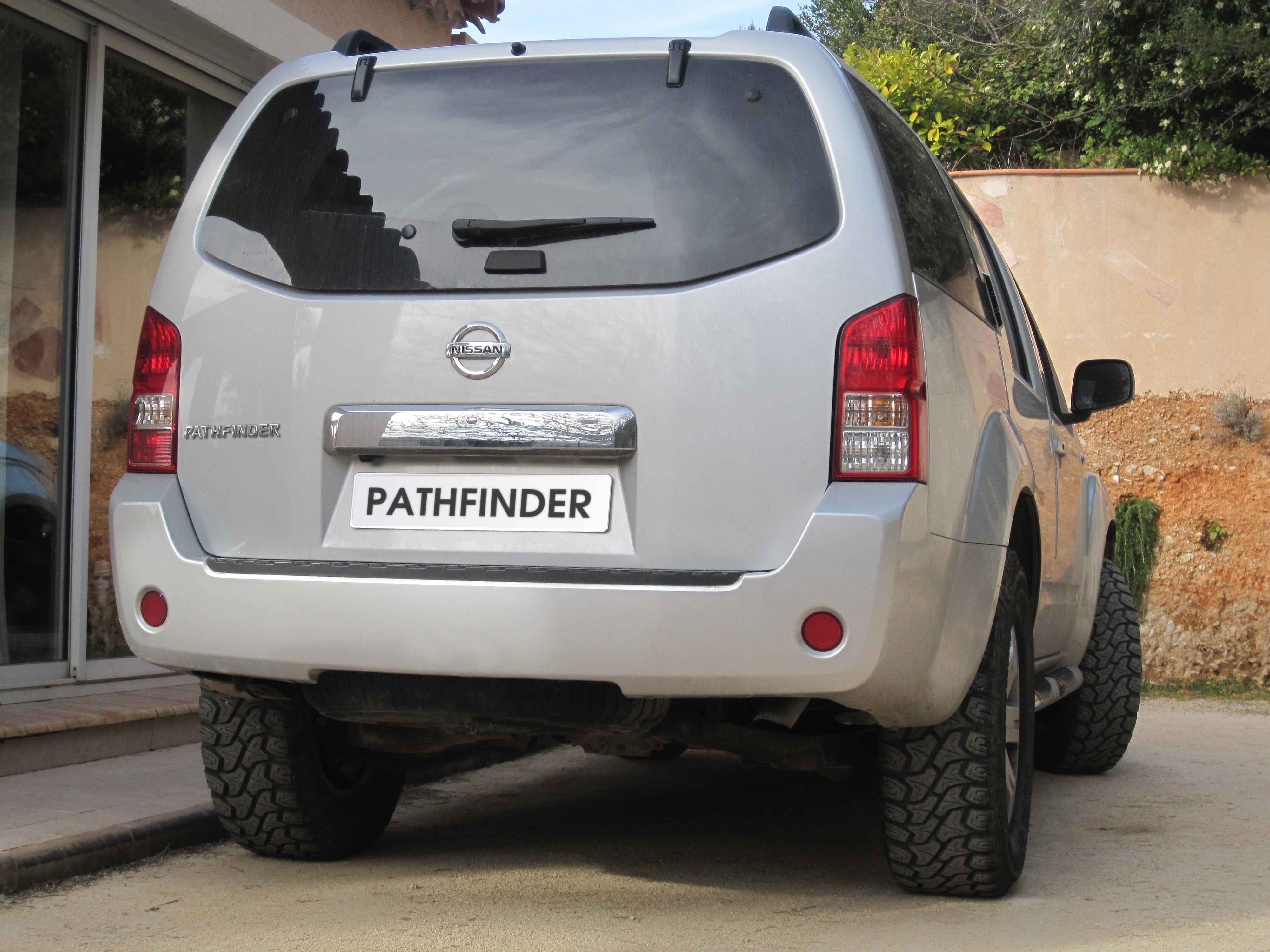
Replacing the battery in a 2005 Nissan Pathfinder requires understanding the vehicle’s specific Group Size requirements, terminal orientations, and electrical demands. Typically utilizing a BCI Group 35 or Group 24F battery depending on original manufacturing specifications and aftermarket options, this third-generation SUV relies on a standard 12-volt layout. Proper selection ensures reliable cold-cranking performance and protects the sensitive body control modules and alternator from voltage irregularities.
Understanding the 2005 Nissan Pathfinder Battery Specifications
The 2005 Nissan Pathfinder marked the introduction of the third-generation platform, transitioning to a truck-based F-Alpha platform shared with the Titan and Armada. This structural shift brought increased electrical accessory loads, making proper battery specification critical.
When evaluating a replacement battery for this vehicle, vehicle owners and technicians must look beyond physical dimensions to evaluate electrical capacity, terminal placement, and reserve capacity. Using an incorrect battery size can lead to insecure mounting, terminal short circuits against the hood or chassis, or premature failure due to vibration and under-capacity.
BCI Group Sizes and Physical Dimensions
The Battery Council International (BCI) categorizes automotive batteries by standardized group sizes that dictate physical length, width, height, and terminal configuration. For the 2005 Nissan Pathfinder, two primary group sizes are historically associated with the vehicle configuration:
- Group 35: This is the most common factory-specified group size for the 2005 Pathfinder. Its approximate dimensions are 9.0 inches in length, 6.9 inches in width, and 8.9 inches in height.
- Group 24F: Some aftermarket configurations and vehicles equipped for heavy towing or cold-weather packages may utilize a slightly longer Group 24F battery. Its dimensions are roughly 10.3 inches in length, 6.8 inches in width, and 8.9 inches in height.
Before purchasing a replacement, always measure the physical battery tray in your specific vehicle and check the orientation of the positive and negative terminals. The 2005 Pathfinder typically requires a Right Positive (Positive terminal on the right side when viewing the terminals facing the front of the battery) layout.
Electrical Ratings: CCA, CA, and RC
Physical fitment is only the first step. The electrical capacity of the battery determines how reliably the 4.0-liter V6 (VQ40DE) engine will start under varying environmental conditions.
- Cold Cranking Amps (CCA): CCA measures the number of amperes a lead-acid battery can deliver at 0°F (-18°C) for 30 seconds while maintaining at least 7.2 volts. For the 2005 Nissan Pathfinder, a minimum of 550 to 650 CCA is recommended, though living in extremely cold climates warrants choosing a battery with 700+ CCA.
- Cranking Amps (CA): Measured at 32°F (0°C), CA ratings are naturally higher than CCA ratings. While useful, CCA remains the primary metric for cold-weather reliability.
- Reserve Capacity (RC): RC measures how many minutes the battery can continuously deliver 25 amperes while keeping voltage above 10.5 volts at 80°F. A higher RC ensures that accessories, lights, or onboard computers will not rapidly drain the battery if the alternator fails or if accessories are left on temporarily with the engine off.
| Battery Metric | Minimum Recommended | Premium / Cold Climate Standard | Purpose |
|---|---|---|---|
| BCI Group Size | Group 35 | Group 24F (Verify Tray) | Ensures physical fit and secure hold-down clamping. |
| Cold Cranking Amps (CCA) | 550 CCA | 700+ CCA | Delivers starting power in freezing temperatures. |
| Reserve Capacity (RC) | 100 Minutes | 120+ Minutes | Sustains electrical accessories during alternator failure. |
| Terminal Type | Top Post | Top Post | Standard automotive post configuration. |
Symptoms of a Failing 2005 Nissan Pathfinder Battery
Recognizing the early warning signs of a dying battery prevents unexpected roadside strandings. Automotive batteries typically last between three to five years, depending on climate, driving habits, and maintenance.
In a 2005 Nissan Pathfinder, electrical anomalies often present themselves well before the vehicle fails to crank entirely. Because modern vehicles rely heavily on stable voltage, failing batteries can trick diagnostic routines into throwing erroneous sensor codes.
Slow Cranking and Engine Turn-Over
The most direct indicator of battery degradation is a sluggish starter motor. When you turn the ignition key to the start position, the engine may rotate noticeably slower than usual, or pause momentarily before catching. This occurs because internal sulfation or worn plates reduce the battery’s capacity to deliver high instantaneous current to the starter solenoid.
Electrical Accessory Dimming and Fluctuations
If your headlights noticeably dim when idling or when multiple accessories (such as the blower motor, rear defroster, and radio) are engaged simultaneously, the battery may no longer be absorbing the alternator's charge efficiently. Furthermore, dashboard illumination flickering or erratic behavior from power windows and door locks points to an unstable power supply.
Visual Inspection Indicators
Popping the hood of your Pathfinder can reveal physical evidence of battery failure:
- Corrosion: Heavy blue, green, or white powdery buildup around the positive or negative terminals indicates hydrogen gas leaking around the terminal posts, reacting with copper connectors.
- Case Deformation: Swelling, bulging, or cracking of the plastic battery case usually results from internal short circuits, severe overcharging by a failing alternator, or extreme thermal cycling.
- Age: Check the sticker or stamped date code on the battery housing. If the battery is past its 48-to-60-month manufacturing threshold, proactive replacement is advised.
Step-by-Step Guide to Replacing the Battery
Replacing the battery in a 2005 Nissan Pathfinder is a straightforward maintenance task requiring basic hand tools. Working safely with automotive electrical systems requires strict adherence to safety protocols to prevent short circuits, acid burns, and explosive gas ignition.
Required Tools and Personal Protective Equipment
- Safety glasses and heavy-duty work gloves
- 10mm socket and ratchet (or combination wrench)
- Terminal puller tool (optional, for stubborn connectors)
- Wire brush or battery terminal cleaning brush
- Anti-corrosion terminal spray or dielectric grease
- Memory saver device (optional, to preserve radio presets and ECU idle relearn data)
Removal Procedure
- Park on a Level Surface: Ensure the Pathfinder is in Park, the parking brake is firmly engaged, and the ignition is switched completely off. Open the hood and secure it with the prop rod.
- Locate the Battery: The battery is situated on the passenger side of the engine bay near the firewall.
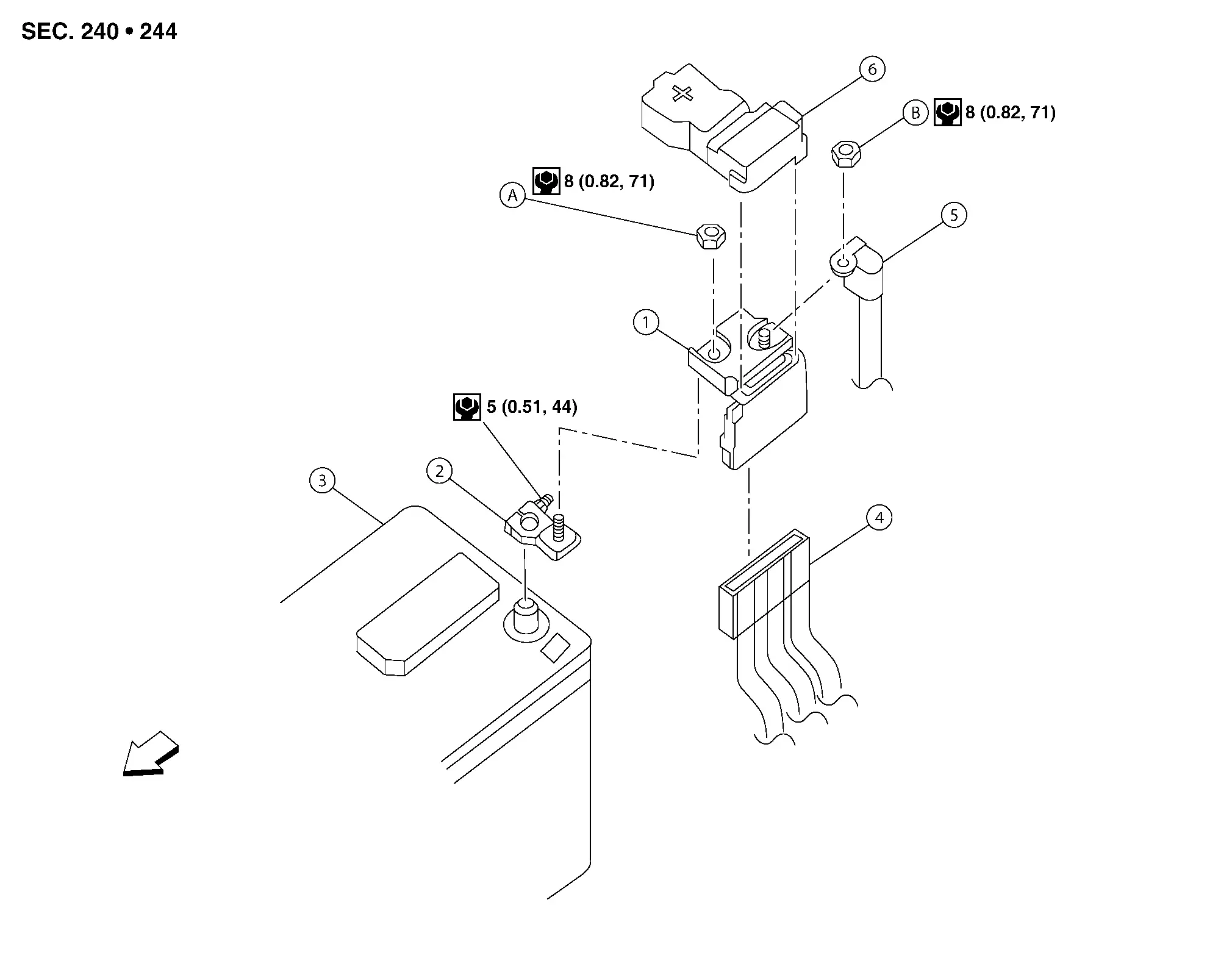
- Disconnect the Negative Terminal First: Using a 10mm wrench or socket, loosen the nut on the negative (-) black terminal. Once loose, lift the cable off the terminal post and tuck it safely aside so it cannot spring back and accidentally touch metal.
- Disconnect the Positive Terminal: Lift the red plastic protective cover (if present) off the positive (+) red terminal. Loosen the clamping nut with the 10mm wrench, lift the cable free, and secure it away from metal components.
- Remove the Hold-Down Clamp: Locate the battery hold-down bracket at the base of the battery or the cross-bar clamp running over the top. Use an extension and socket to unbolt the fastener securing the clamp, and lift the bracket out of the engine bay.
- Lift the Old Battery Out: Carefully lift the heavy battery straight up and out of the engine compartment. Keep it level to prevent sulfuric acid spills.
Installation Procedure
- Clean the Battery Tray: Inspect the metal battery tray for rust, dirt, or acid corrosion. Clean the area with a mixture of baking soda and water, rinse thoroughly, and let it dry completely.
- Position the New Battery: Lower the new BCI Group 35 or Group 24F battery into the tray, ensuring the positive and negative terminals match the original orientation (Right Positive).
- Secure the Hold-Down Clamp: Reinstall the bottom wedge or top cross-bar bracket. Tighten the fastener securely, but do not overtighten, as excessive torque can crack the plastic battery housing.
- Connect the Positive Terminal: Place the positive (+) cable clamp onto the positive terminal post. Tighten the 10mm nut until the clamp is snug and cannot be twisted by hand. Snap the red protective cover back into place.
- Connect the Negative Terminal: Place the negative (-) cable clamp onto the negative terminal post and tighten securely. A small spark may occur when making the final connection; this is normal as onboard capacitors draw initial current.
- Apply Protective Coatings: Spray the terminals with an anti-corrosion sealant or apply a thin layer of dielectric grease to prevent future oxidation.
Post-Replacement Procedures and ECU Relearn
When power is disconnected from a 2005 Nissan Pathfinder, the electronic control unit (ECU) loses its learned idle parameters and volatile memory. Upon starting the vehicle for the first time after a battery swap, you may notice erratic idle speeds, minor surging, or stalling when coming to a stop.
Idle Air Volume Learning
The VQ40DE engine requires an idle relearn procedure if the throttle plate has accumulated carbon or if power was removed for an extended period. To stabilize the idle:
- Ensure the engine is fully warmed up to normal operating temperature.
- Turn the ignition switch off for at least 10 seconds.
- Turn the ignition switch on for 3 seconds, then rapidly depress and release the accelerator pedal 5 times within 5 seconds.
- Wait 7 seconds, then fully depress the accelerator pedal and hold it down for approximately 20 seconds until the Check Engine Light stops blinking and stays solid (or turns off).
- Release the accelerator pedal within 3 seconds of the light turning solid.
- Start the engine and let it idle. If the idle remains rough, repeat the sequence with precise stopwatch timing.
Frequently Asked Questions
What size battery does a 2005 Nissan Pathfinder take?
The 2005 Nissan Pathfinder typically takes a BCI Group 35 battery. Some aftermarket options or specific sub-models may also accommodate a Group 24F battery. Always verify physical tray dimensions and terminal orientation before purchasing a replacement.
Do I need to reprogram my radio or computer after changing the battery?
You will not need to reprogram the core computer, but volatile memory will be cleared. This means radio presets, clock settings, and learned transmission/idle parameters will reset. Using a 12V OBD2 memory saver plugged into the auxiliary power port during replacement can prevent this reset.
Why is my battery draining overnight in my 2005 Pathfinder?
Parasitic drains in this generation Pathfinder are frequently caused by aftermarket stereo installations, faulty glove box light switches staying illuminated, or a failing alternator diode allowing current to flow backward through the charging system when the engine is off.
How many Cold Cranking Amps (CCA) do I need?
A minimum of 550 CCA is required to start the 4.0L V6 engine reliably. However, if you live in an area with harsh winters where temperatures drop below freezing, upgrading to a battery rated between 650 and 750 CCA is strongly recommended.
Can I install an AGM battery in a 2005 Nissan Pathfinder?
Yes, Absorbent Glass Mat (AGM) batteries can be installed in a 2005 Pathfinder. AGM batteries offer superior resistance to vibration, faster recharging capabilities, and longer overall service life compared to traditional flooded lead-acid batteries, making them an excellent premium upgrade.
Conclusion and Next Actions
Selecting and installing the correct battery for a 2005 Nissan Pathfinder ensures reliable daily operation and protects the vehicle's electrical infrastructure. Verify your specific terminal orientation and physical tray size before purchase, opt for a reliable brand with adequate Cold Cranking Amps, and ensure terminals are cleaned and protected against corrosion during installation. If electrical issues persist after installing a fresh battery, have the alternator and starter motor load-tested by a qualified professional.