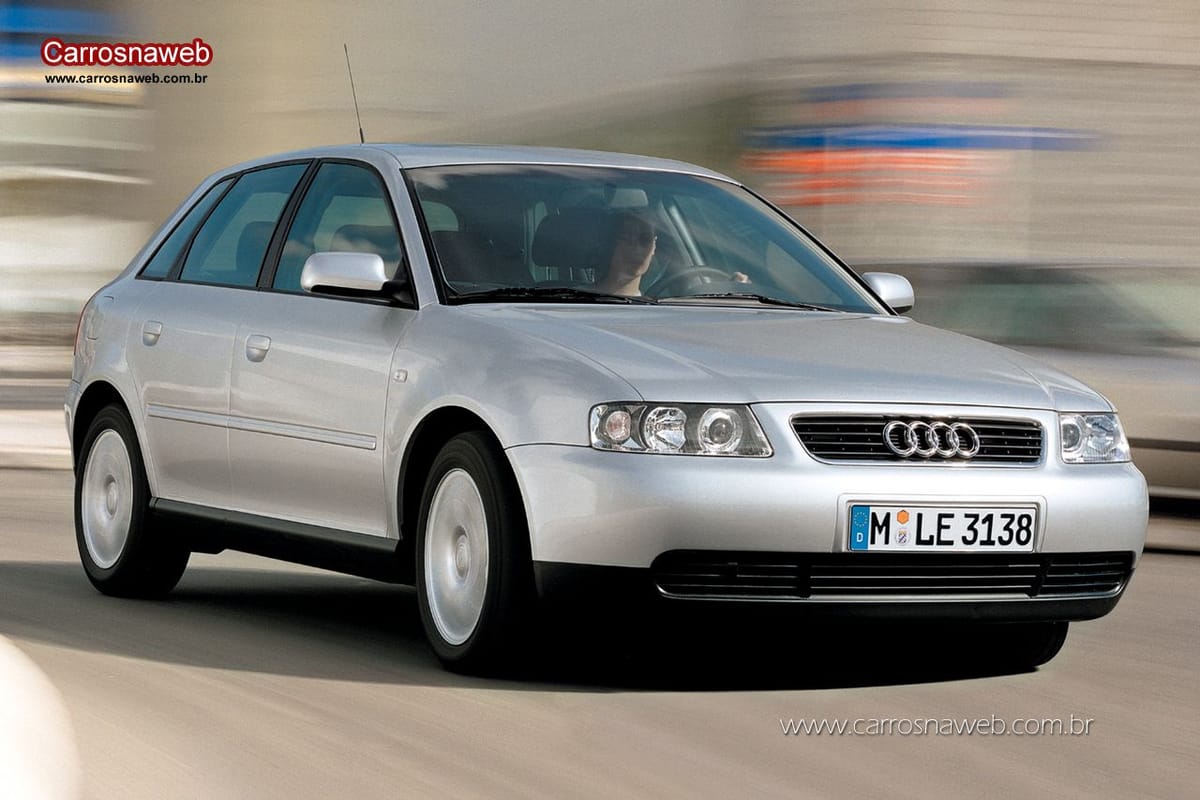
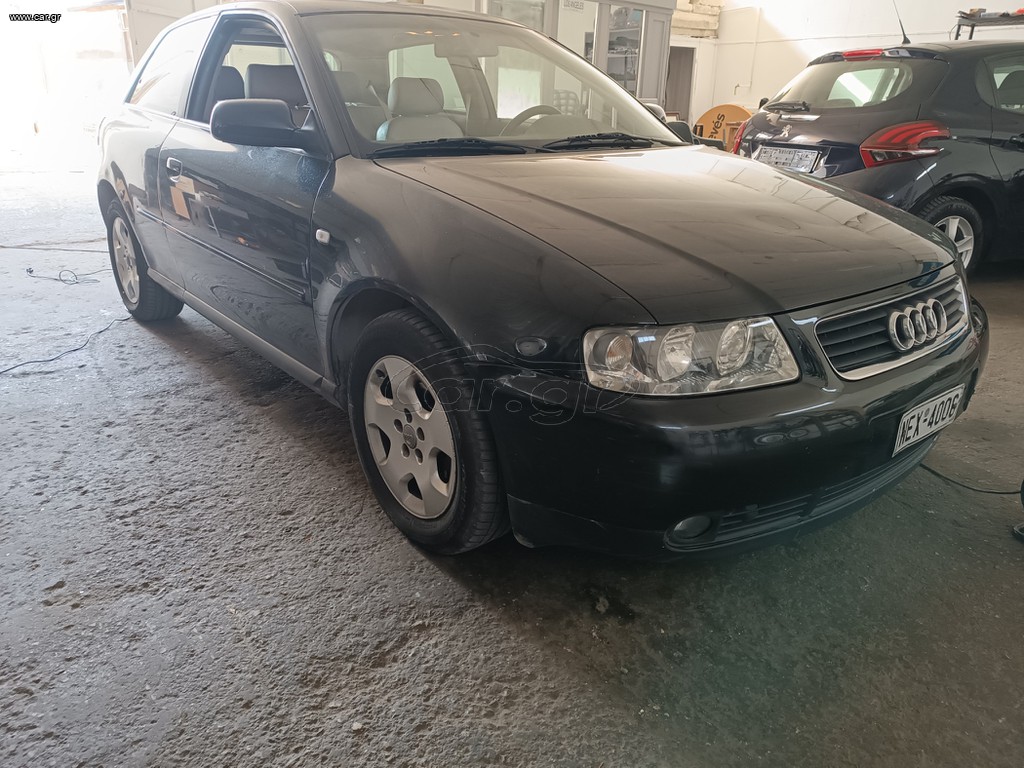
The 2001 Audi A3, part of the celebrated 8L generation, represents a pivotal moment in the premium compact segment, blending Volkswagen Group’s versatile PQ34 platform with Audi’s signature interior quality and Quattro all-wheel-drive technology. In 2026, it is regarded as a refined modern classic, offering a tactile driving experience and robust engine options.
The Significance of the 2001 Audi A3 (8L)
The year 2001 was a significant one for the Audi A3. While the model originally launched in 1996, the 2001 model year falls squarely into the "facelift" period (often referred to as the 8L1). This update was more than just a cosmetic refresh; it refined the vehicle’s electronics, improved the interior materials, and introduced more powerful engine variants that would define the brand's performance image for the next decade.
As a premium hatchback, the A3 was designed to offer the prestige of a larger Audi sedan in a footprint suitable for European city streets. It shared its underpinnings with the Volkswagen Golf Mk4, the SEAT León, and the Škoda Octavia, but it distinguished itself through superior sound insulation, higher-grade cabin materials, and the availability of the Quattro drivetrain. In the context of 2026, the 2001 Audi A3 is increasingly sought after by enthusiasts who appreciate its "analog" feel—a sharp contrast to the screen-heavy, highly automated vehicles of the current era.
Exterior Design and the 2001 Facelift
The 2001 model year showcased the results of Audi’s mid-cycle refresh, which aimed to bring the A3’s styling closer to the then-new A4 (B6) and A6 models. The most noticeable change was the transition to one-piece headlight units. Previously, the headlights and indicators were separate pieces; the 2001 update integrated them into a single clear-lens housing, often utilizing projector technology for better night visibility.
The front grille was also revised with a more pronounced chrome surround, and the rear tail lights received a new internal lens pattern that looked more modern. Small details, such as the door handles and the side mirror housings, were tweaked to improve aerodynamics and reduce wind noise. These changes might seem subtle, but they effectively kept the A3 looking contemporary against newer rivals like the BMW 3 Series Compact and the Alfa Romeo 147.
Despite being over two decades old, the 8L A3’s design remains remarkably clean. Its "Bauhaus" influenced lines—free of unnecessary creases or aggressive vents—have aged better than many of its contemporaries. For a buyer in 2026, finding one with original paint and clear headlight lenses is a priority, as UV damage often yellows the plastics on neglected examples.
Interior Craftsmanship and Ergonomics
One of the primary reasons the 2001 Audi A3 was considered the class leader was its interior. Audi invested heavily in "soft-touch" plastics and high-quality switchgear. Even today, the "thunk" of an A3 door closing provides a sense of solidity that many modern budget cars fail to replicate.
The 2001 update brought a revised center console and a more modern steering wheel design. The climate control panel was updated with better-integrated buttons, and the instrument cluster often featured a Driver Information System (DIS) that provided fuel economy data, temperature, and radio information. However, this DIS screen is a known weak point in 2026; the pixels often fail over time, requiring a specialist to solder in a replacement screen.
Space-wise, the A3 is a true compact. While front-seat passengers enjoy ample legroom and supportive seats (with Recaro options in higher trims), the rear is somewhat cramped for tall adults. The boot capacity is respectable for the class, though the Quattro models lose some depth in the luggage area to accommodate the rear differential and multi-link suspension setup.
Engine Lineup and Technical Specifications
The 2001 Audi A3 offered a diverse range of engines, from economical commuters to high-performance turbocharged units. Understanding these engines is crucial for anyone looking to maintain or purchase one today.
The 1.8T: The Enthusiast's Choice
The 1.8-liter 20-valve turbocharged engine is the heart of the A3’s legacy. In 2001, this engine was available in several states of tune, most notably the 150 hp (AUM code) and the 180 hp (AUQ code) versions. This engine is famous for its "five valves per cylinder" design, which was intended to improve volumetric efficiency. In the 2026 tuning scene, the 1.8T remains a legend because its forged internals (in some versions) and robust block allow for significant power increases with relatively simple modifications.
The 1.9 TDI: The Efficiency King
For those prioritizing long-distance travel, the 1.9-liter TDI (Turbocharged Direct Injection) diesel engines were the gold standard. By 2001, Audi had introduced the "Pumpe Düse" (PD) technology. The 130 hp PD engine (ASZ code) was particularly impressive, offering 310 Nm of torque—more than the 1.8T petrol engine of the time. These engines are known for their incredible longevity, with many examples still on the road in 2026 with over 300,000 miles on the odometer.
Entry-Level Options
The 1.6-liter naturally aspirated engine served as the entry point. While reliable and easy to maintain, it lacks the "premium" performance expected of an Audi. There was also a 1.8-liter naturally aspirated engine (125 hp), which provided a middle ground but lacked the character and torque of the turbocharged variants.
| Engine Type | Horsepower | Torque | 0-100 km/h (approx.) | Fuel Type |
|---|---|---|---|---|
| 1.6 8V | 101 hp | 148 Nm | 11.9s | Petrol |
| 1.8 20V | 125 hp | 170 Nm | 9.6s | Petrol |
| 1.8T (AUM) | 150 hp | 210 Nm | 8.2s | Petrol |
| 1.8T (AUQ) | 180 hp | 235 Nm | 7.5s | Petrol |
| 1.9 TDI (PD) | 130 hp | 310 Nm | 9.2s | Diesel |
| S3 (1.8T) | 210/225 hp | 280 Nm | 6.7s | Petrol |
Drivetrain and Handling Dynamics
The 2001 Audi A3 was primarily front-wheel drive (FWD), but the Quattro versions were what truly set it apart from the Volkswagen Golf. It is important to note that the A3 used a transverse engine layout, which meant the Quattro system was based on a Haldex LSC (Limited Slip Coupling) rather than the Torsen center differential found in the larger A4 and A6.
The Haldex system is "on-demand" all-wheel drive. Under normal driving conditions, 100% of the power goes to the front wheels. When the system detects slip, it can engage the rear wheels in milliseconds. While purists sometimes argue that this isn't "true" Quattro, it provides excellent grip in rain and snow while maintaining better fuel efficiency than a permanent AWD system.
In terms of handling, the A3 is stable and predictable. The 2001 models benefited from refined suspension bushings and shock absorber tuning. However, compared to a modern 2026 vehicle, the steering may feel a bit "numb" or heavy. The rear suspension differs between models: FWD versions use a simple torsion beam, while Quattro versions feature a more sophisticated multi-link independent rear suspension to accommodate the drive axles.
Maintenance and Common Issues in 2026
Buying a 25-year-old German car requires a clear understanding of potential maintenance hurdles. While the 2001 A3 is mechanically robust, plastic and rubber components age regardless of mileage.
- Timing Belt (Cambelt): This is the most critical maintenance item for both the 1.8T and the 1.9 TDI. Failure to change the belt every 60,000 miles or 5 years (whichever comes first) can result in catastrophic engine damage. In 2026, any A3 with unknown service history should have this replaced immediately.
- Vacuum Leaks and PCV System: The 1.8T engine has a complex web of vacuum lines and a Positive Crankcase Ventilation (PCV) system. Over time, the rubber hoses become brittle and crack, leading to rough idling, boost leaks, and "Check Engine" lights.
- Suspension Bushings: The front control arm bushings and rear axle bushings are prone to tearing. Replacing these with polyurethane versions is a common "upgrade" that restores the car's handling sharpness.
- Window Regulators: A classic Audi/VW issue from this era. The plastic clips that hold the window glass often break, causing the window to fall into the door. Metal replacement clips are the permanent fix.
- Water Pump: Original water pumps had plastic impellers that could crack or shear off the shaft. Most quality aftermarket replacements now use metal impellers, which should be installed during the timing belt service.
The 2001 Audi S3: The Flagship
No overview of the 2001 A3 is complete without mentioning the S3. In 2001, the S3 was the pinnacle of the 8L range. It featured a wider body with flared wheel arches, 17-inch "Avus" alloy wheels, Xenon headlights as standard, and a significantly more powerful 1.8T engine.
The S3 was equipped with the K04 turbocharger (instead of the K03/K03s found in the standard A3), twin intercoolers, and the Quattro system as standard. Inside, it featured Silk Nappa leather Recaro seats. In 2026, the 8L S3 is a bona fide collector's item, with prices for well-maintained, low-mileage examples steadily rising as they become eligible for "vintage" or "classic" vehicle registrations in many jurisdictions.
Practical Guidance for Buyers in 2026
If you are looking to purchase a 2001 Audi A3 in 2026, your approach should be different than it was ten years ago. These are no longer "cheap runarounds"; they are cars that require an enthusiast's care.
- Check for Rust: While the 8L A3 was fully galvanized from the factory, 25 years of salt and road grime can take their toll. Check the bottom of the doors, the front wheel arches, and the roof rails (where the roof meets the side panels) for any signs of bubbling.
- Scan for Codes: Use a VAG-specific diagnostic tool (like VCDS or OBDeleven). Generic OBD-II scanners may not pick up specific comfort module or Haldex faults.
- Service Records: Prioritize cars with a thick folder of receipts. Evidence of regular oil changes (using high-quality synthetic oil) is vital for the 1.8T engine to prevent oil sludge issues.
- Haldex Servicing: If buying a Quattro model, ensure the Haldex oil and filter have been changed every 20,000 to 40,000 miles. Neglect here can lead to a failed rear differential.
Frequently Asked Questions
Is the 2001 Audi A3 a reliable car for daily driving in 2026?
Yes, provided it has been well-maintained. The mechanical components (engines and manual gearboxes) are exceptionally durable. However, you should expect to deal with "age-related" issues such as failing sensors, worn suspension bits, and deteriorating plastic trim. It is best suited for someone who can do some of their own basic maintenance.
What is the difference between the 2000 and 2001 Audi A3?
The 2001 model year is part of the facelift (8L1). It features one-piece headlights, updated tail lights, a revised interior center console, and improved side-impact protection. Some engine codes also changed in 2001 to meet stricter Euro 3 emissions standards, often switching from cable-driven throttles to "drive-by-wire" systems.
Does the 2001 Audi A3 have Bluetooth or modern tech?
No, the 2001 A3 came with a cassette player or a single-DIN CD player (Audi Concert or Symphony). However, because it uses a standard DIN slot, it is very easy to install a modern head unit with Apple CarPlay or Android Auto. Many owners in 2026 use "hidden" Bluetooth modules that plug into the original CD changer port to keep the factory look.
How does the 1.8T engine compare to the 1.9 TDI?
The 1.8T is smoother, quieter, and more fun for spirited driving, but it requires high-octane fuel and is less efficient. The 1.9 TDI is noisier and has a narrower power band, but its fuel economy is legendary (often achieving 50+ MPG) and it is arguably one of the most reliable engines ever built by the Volkswagen Group.
Are parts still available for the 2001 Audi A3?
Most mechanical parts are widely available because they are shared with the VW Golf Mk4. However, certain A3-specific interior trim pieces, body panels, and 8L S3 parts are becoming harder to find and may need to be sourced from specialist dismantlers or heritage programs.
Final Verdict and Recommendation
The 2001 Audi A3 remains a benchmark for what a premium small car should be. It avoids the over-complexity of modern vehicles while providing a level of comfort and safety that still feels adequate in 2026.
For the best experience, seek out a 1.8T (180 hp) Quattro or a 1.9 TDI (130 hp). These models offer the best balance of the A3's core strengths: performance, grip, and longevity. Avoid the automatic transmissions (the 4-speed and early 5-speed Tiptronics) if possible, as the manual gearboxes are much more reliable and better suited to the car's power delivery. Whether you are looking for a project car or a stylish "neo-classic" daily, the 2001 Audi A3 stands as a testament to a period when Audi was arguably at the top of its game in terms of build quality and design cohesion.