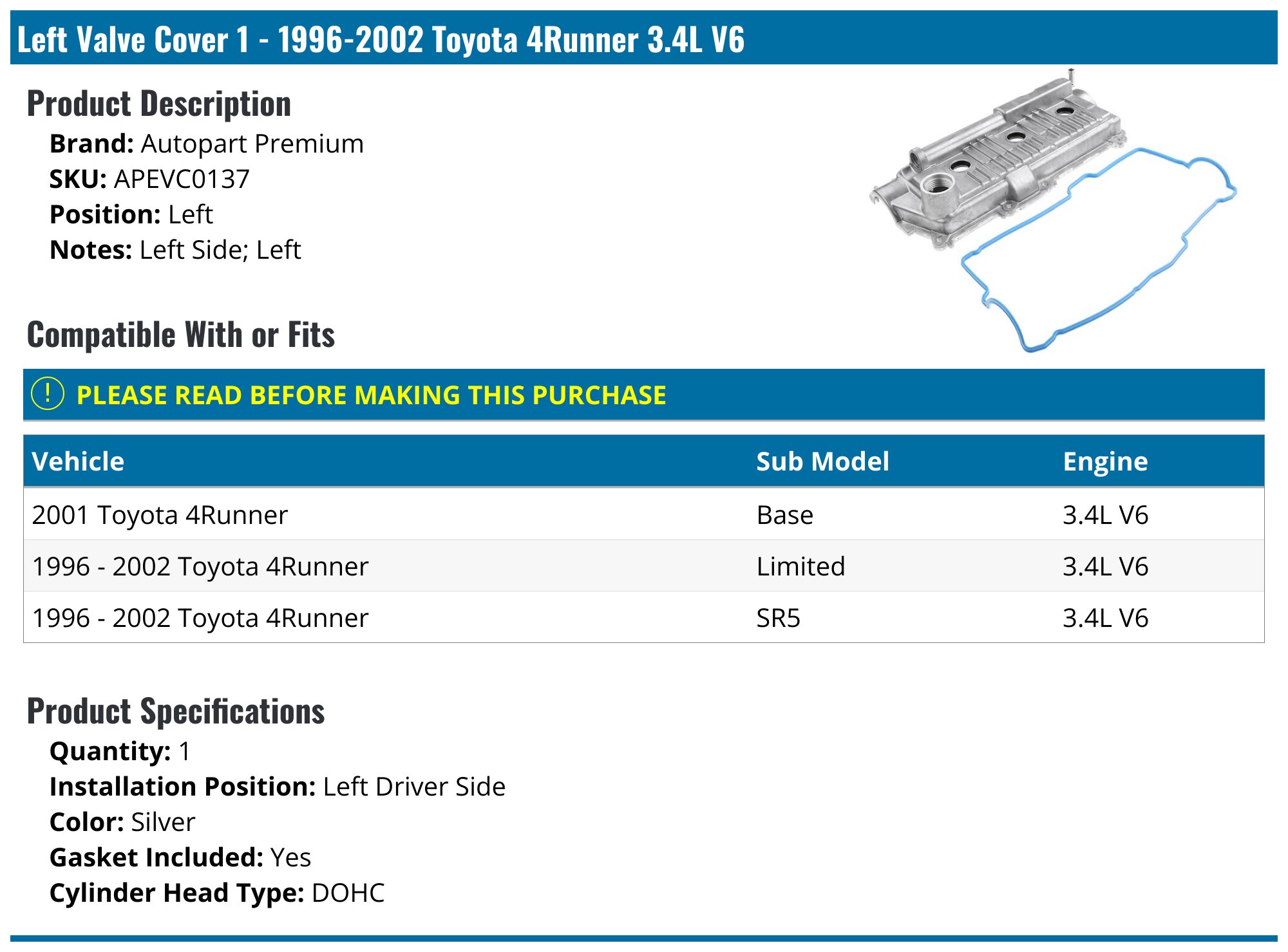
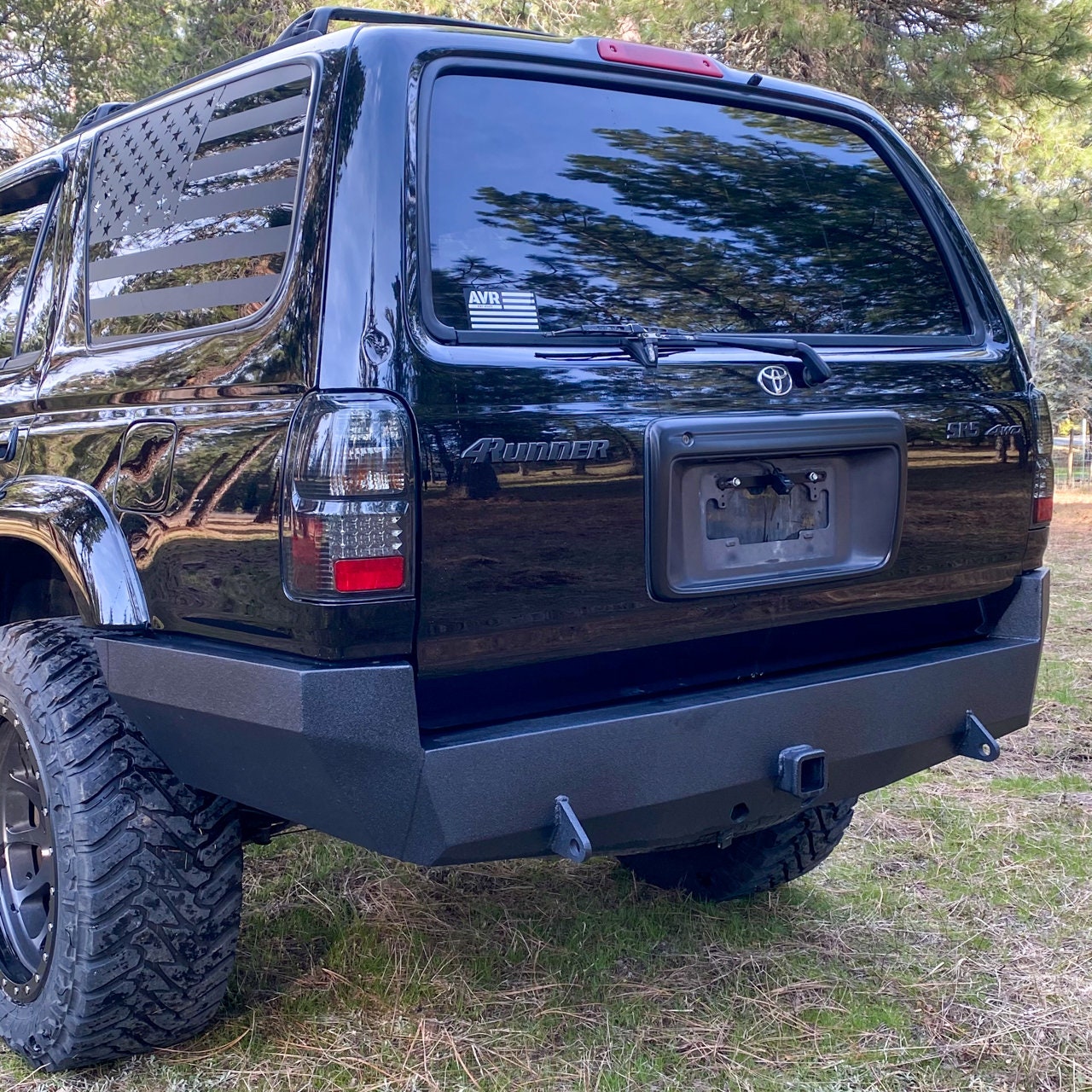
The third-generation Toyota 4Runner, produced between 1996 and 2002, offers two primary engine options: a 2.7L 3RZ-FE inline-four producing 150 horsepower and a 3.4L 5VZ-FE V6 producing 183 horsepower. Towing capacity for this era ranges from 3,500 pounds for the four-cylinder models to a maximum of 5,000 pounds for the V6 models when properly equipped.
The Legacy of the Third-Generation 4Runner
As of 2026, the 1996–2002 Toyota 4Runner (often referred to by enthusiasts as the "3rd Gen") has cemented its status as one of the most reliable and capable SUVs ever manufactured. While modern vehicles offer significantly more horsepower and advanced electronic towing aids, the 3rd Gen 4Runner remains a benchmark for mechanical simplicity and off-road prowess. Understanding the specific engine configurations and their respective towing limits is essential for anyone looking to use these vintage machines for more than just a daily commute or trail riding.
The transition from the second generation (1990–1995) to the third generation represented a massive leap in engineering. Toyota moved away from the pickup-based chassis to a dedicated platform that shared more components with the Land Cruiser Prado (90-series). This change resulted in a more refined ride, better safety ratings, and improved powertrain efficiency. However, the core appeal remained the same: a body-on-frame construction designed to survive decades of abuse.
Comprehensive Engine Options and Specifications
During its seven-year production run, the North American 3rd Gen 4Runner was available with two distinct gasoline engines. Both engines are celebrated for their longevity, with many examples still operating reliably in 2026 with over 300,000 miles on the odometer.
The 2.7L 3RZ-FE Inline-Four
The base engine for the 1996–2000 model years (it was discontinued for the 4Runner in the U.S. after 2000) was the 2.7-liter 3RZ-FE. Unlike many four-cylinder engines of the era, the 3RZ was designed specifically for truck use. It features a cast-iron block and dual overhead cams (DOHC) with a chain-driven timing system.
- Horsepower: 150 hp @ 4,800 RPM
- Torque: 177 lb-ft @ 4,000 RPM
- Design Highlights: It utilizes twin balance shafts to reduce the inherent vibration of a large-displacement four-cylinder engine. This makes it surprisingly smooth, though it lacks the passing power required for heavy highway hauling.
- Target Audience: This engine was primarily aimed at buyers seeking better fuel economy and lower entry costs. It was frequently paired with the 5-speed manual transmission and two-wheel drive, though 4WD configurations exist.
The 3.4L 5VZ-FE V6
The 3.4-liter 5VZ-FE is the engine that defined the third generation. It replaced the previous 3.0L "3VZE" V6, which had earned a reputation for head gasket failures. The 5VZ-FE corrected those flaws and added significant power.
- Horsepower: 183 hp @ 4,800 RPM
- Torque: 217 lb-ft @ 3,600 RPM
- Design Highlights: This is a non-interference engine, meaning if the timing belt snaps, the valves and pistons will not collide—a major "peace of mind" factor for long-term owners. It features a high-intake plenum designed to increase low-end torque, which is critical for both rock crawling and towing.
- The TRD Supercharger Factor: During this era, Toyota Racing Development (TRD) offered an Eaton-style roots supercharger as a dealer-installed option. This could boost output to approximately 250 hp and 265 lb-ft of torque. While this doesn't officially change the factory towing capacity, it significantly improves the vehicle's ability to maintain speed on steep grades.
Towing Capacity and Physics
When discussing the towing capacity of the 1996–2002 4Runner, it is vital to distinguish between what the vehicle is capable of pulling and what is safe or legal. In 2026, many of these vehicles have aging suspensions and cooling systems that must be refreshed before attempting to reach the maximum limits.
| Engine Option | Drive Type | Max Towing Capacity | Tongue Weight Max |
|---|---|---|---|
| 2.7L I4 (3RZ-FE) | 2WD / 4WD | 3,500 lbs (1,587 kg) | 350 lbs |
| 3.4L V6 (5VZ-FE) | 2WD / 4WD | 5,000 lbs (2,268 kg) | 500 lbs |
Understanding the Ratings
The 5,000-pound rating for the V6 is contingent on several factors. First, the vehicle must be equipped with a Class III hitch. Second, Toyota recommended the use of a weight-distributing hitch for trailers exceeding 2,000 pounds.
The Gross Combined Weight Rating (GCWR) for the V6 models is approximately 9,200 pounds. This includes the weight of the vehicle, all passengers, cargo, fuel, and the fully loaded trailer. If you have four adults and a weekend's worth of gear inside the 4Runner, your available towing capacity decreases proportionally to stay under the GCWR.
Transmission Cooling: The "Pink Milkshake"
One of the most critical technical aspects of towing with an automatic 3rd Gen 4Runner is the radiator design. The transmission fluid is cooled via a heat exchanger located inside the bottom of the radiator. Over decades, the internal walls of this cooler can corrode. If they fail, engine coolant mixes with transmission fluid, creating a strawberry-milkshake-looking slurry that quickly destroys the automatic transmission.
For anyone planning to tow in 2026, the industry standard is to bypass the internal radiator cooler and install a dedicated external transmission cooler. This not only prevents the "Pink Milkshake" but also keeps transmission temperatures much lower during long hauls, significantly extending the life of the A340E/F automatic gearbox.
Mechanical Prerequisites for Towing
If you intend to utilize the 5,000-pound towing capacity on a vehicle that is now 24 to 30 years old, several mechanical upgrades and inspections are non-negotiable.
Braking Systems (The Tundra Upgrade)
The factory brakes on the 3rd Gen 4Runner are notorious for warping rotors, especially when subjected to the heat generated by towing. A common and highly recommended modification is the "Tundra Brake Swap." This involves installing the larger calipers and rotors from a 2000–2006 Toyota Tundra.
- The 199mm vs. 231mm Suffix: Owners typically choose between the 199mm calipers (which often fit stock wheels) and the massive 231mm calipers (which require specific 16-inch or larger wheels). This upgrade provides significantly more thermal mass and clamping force, which is essential when trying to stop a 5,000-pound trailer.
Rear Suspension Sag
The 3rd Gen 4Runner features a coil-spring rear suspension. While comfortable, these springs tend to "sag" over time. Adding a 500-pound tongue weight to an already tired suspension will result in the rear of the vehicle bottoming out on the bump stops.
- Solutions: High-quality aftermarket springs (such as those from Old Man Emu) or the installation of airbag helpers (like the Firestone Ride-Rite or Air Lift 1000 series) can level the load. Keeping the vehicle level is crucial for maintaining front-tire contact with the road, which ensures steering and braking effectiveness.
Frame Integrity
Before towing, the frame must be inspected for structural rust. These vehicles were prone to internal frame corrosion, particularly near the rear control arm mounts and the spare tire carrier. A frame that is structurally compromised cannot safely handle the stress of a trailer's tongue weight or the dynamic forces of towing.
Drivetrain Variations and Their Impact
The towing experience also changes depending on the specific drivetrain configuration of the 1996–2002 model years.
- Manual vs. Automatic: While the 5-speed manual (R150F) is highly desirable for enthusiasts, the 4-speed automatic (A340F) is generally considered better for towing. The torque converter allows for smoother launches, especially on boat ramps or steep inclines, whereas towing near the limit with a manual can lead to premature clutch wear.
- 2WD vs. 4WD: 2WD models are slightly lighter, technically offering a marginally higher payload, but they lack the low-range gearing of the 4WD models. Low-range (4-Lo) is an invaluable tool for maneuvering a heavy trailer into a tight camping spot or pulling a boat out of a slippery ramp without straining the engine.
- Rear Differential Locker: Available as a factory option (the famous "E-Locker"), this allows both rear wheels to turn at the same speed. While not directly related to tow capacity, it provides essential traction when towing on unimproved surfaces like gravel or grass.
Comparison Table: 3rd Gen 4Runner vs. Contemporary Rivals (Circa 2000)
To understand why the 4Runner's specs were impressive for the time, it helps to compare it to its primary era-correct competitors.
| Vehicle | Engine | Horsepower | Max Tow Capacity |
|---|---|---|---|
| Toyota 4Runner (V6) | 3.4L V6 | 183 hp | 5,000 lbs |
| Jeep Grand Cherokee (WJ) | 4.0L I6 | 195 hp | 5,000 lbs |
| Nissan Pathfinder (R50) | 3.5L V6 | 240 hp | 5,000 lbs |
| Ford Explorer | 4.0L V6 | 210 hp | 5,800 lbs |
Note: While the Ford Explorer offered a higher rating, the 4Runner’s reliability in high-stress towing scenarios often made it the preferred choice for long-term owners.
Frequently Asked Questions
Can I tow 5,000 lbs with a 4-cylinder 3rd Gen 4Runner?
No. The 2.7L inline-four is officially rated for a maximum of 3,500 pounds. Attempting to tow 5,000 pounds with this engine would severely strain the cooling system, brakes, and transmission, posing a significant safety risk. The engine simply does not produce enough torque to safely manage that weight at highway speeds.
Does the 4WD system need to be engaged while towing?
Generally, no. You should tow in 2WD (high) on dry pavement to avoid "driveline bind." However, 4WD is extremely helpful for low-speed maneuvering on slippery surfaces or when pulling a trailer up a steep, unpaved incline. If your 4Runner has the "Multi-Mode" transfer case (found on 1999–2002 Limiteds and all 2001–2002 models), you can use the AWD/4WD high mode on dry pavement safely.
Is the 3rd Gen 4Runner suitable for towing a camper?
It depends on the camper. A small pop-up trailer or a lightweight teardrop trailer (under 3,000 lbs) is a great match for the 3.4L V6. However, large "travel trailers" with high profiles act like sails in the wind. Because the 3rd Gen 4Runner has a relatively short wheelbase and narrow track, a large trailer can cause "the tail to wag the dog," leading to dangerous sway.
How does the 3.4L V6 handle mountain passes while towing?
In stock form, the 5VZ-FE will struggle to maintain 65 mph on steep mountain grades (6% or higher) while towing near its 5,000-lb limit. You will likely find yourself in the right lane with the hazard lights on, revving the engine in 2nd or 3rd gear. If you frequently tow in mountainous regions, the TRD Supercharger or a shorter differential gear ratio (e.g., 4.56 or 4.88) is highly recommended.
What is the most important maintenance item for a 4Runner used for towing?
Beyond the transmission cooler, the timing belt and water pump service (every 90,000 miles) is paramount. Towing increases engine heat and load, which can accelerate the wear of cooling components. Ensuring the cooling system is flushed and the fan clutch is engaging properly is vital to prevent overheating under load.
Final Recommendations for 2026 Owners
The 1996–2002 Toyota 4Runner remains a capable towing platform for light-to-medium loads, provided the owner acknowledges the vehicle's age and design limitations. For the best experience, prioritize a V6 model with the automatic transmission. Before hooking up a trailer, invest in an external transmission cooler, inspect the frame for rust, and consider the Tundra brake upgrade for improved safety.
If your towing needs frequently approach the 5,000-pound limit or involve traversing high-altitude mountain ranges, you may find the 3rd Gen 4Runner underpowered by 2026 standards. In those cases, moving to a fourth-generation (2003–2009) 4Runner with the 4.7L V8—which offers a 7,000-pound tow rating—may be a more appropriate choice. However, for jet skis, small boats, or utility trailers, the 3rd Gen remains a "bulletproof" classic that continues to earn its legendary status every mile of the way.