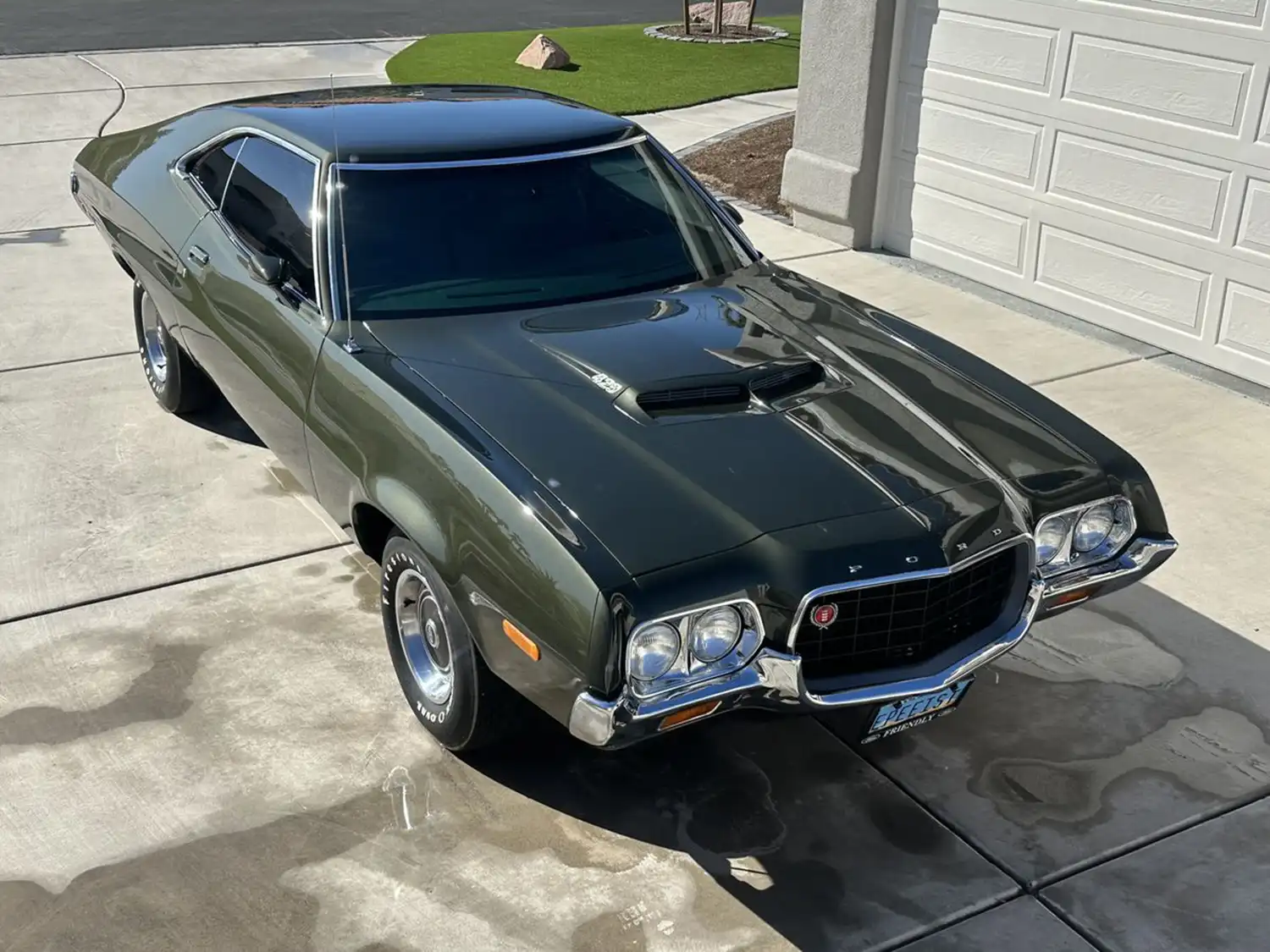
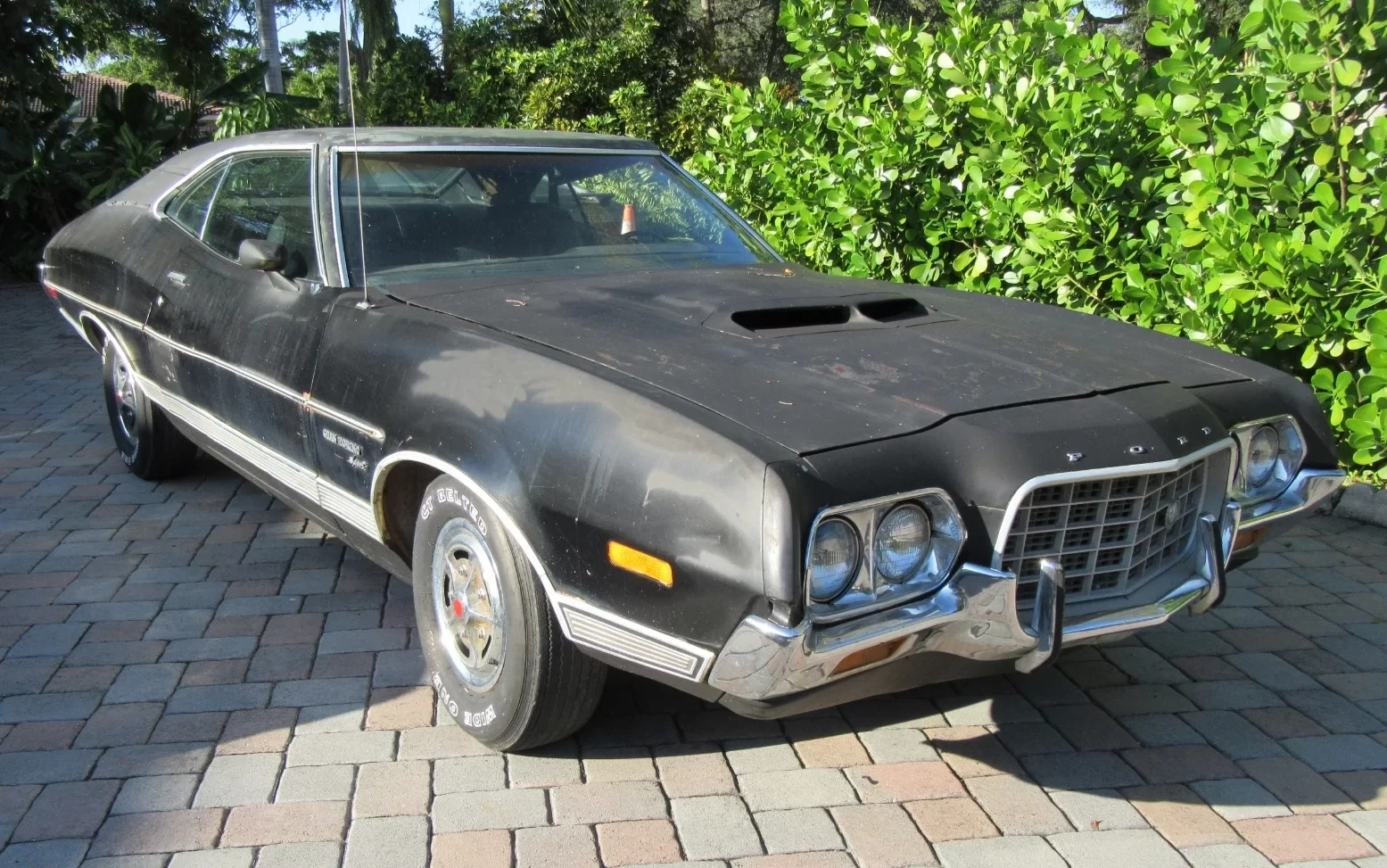
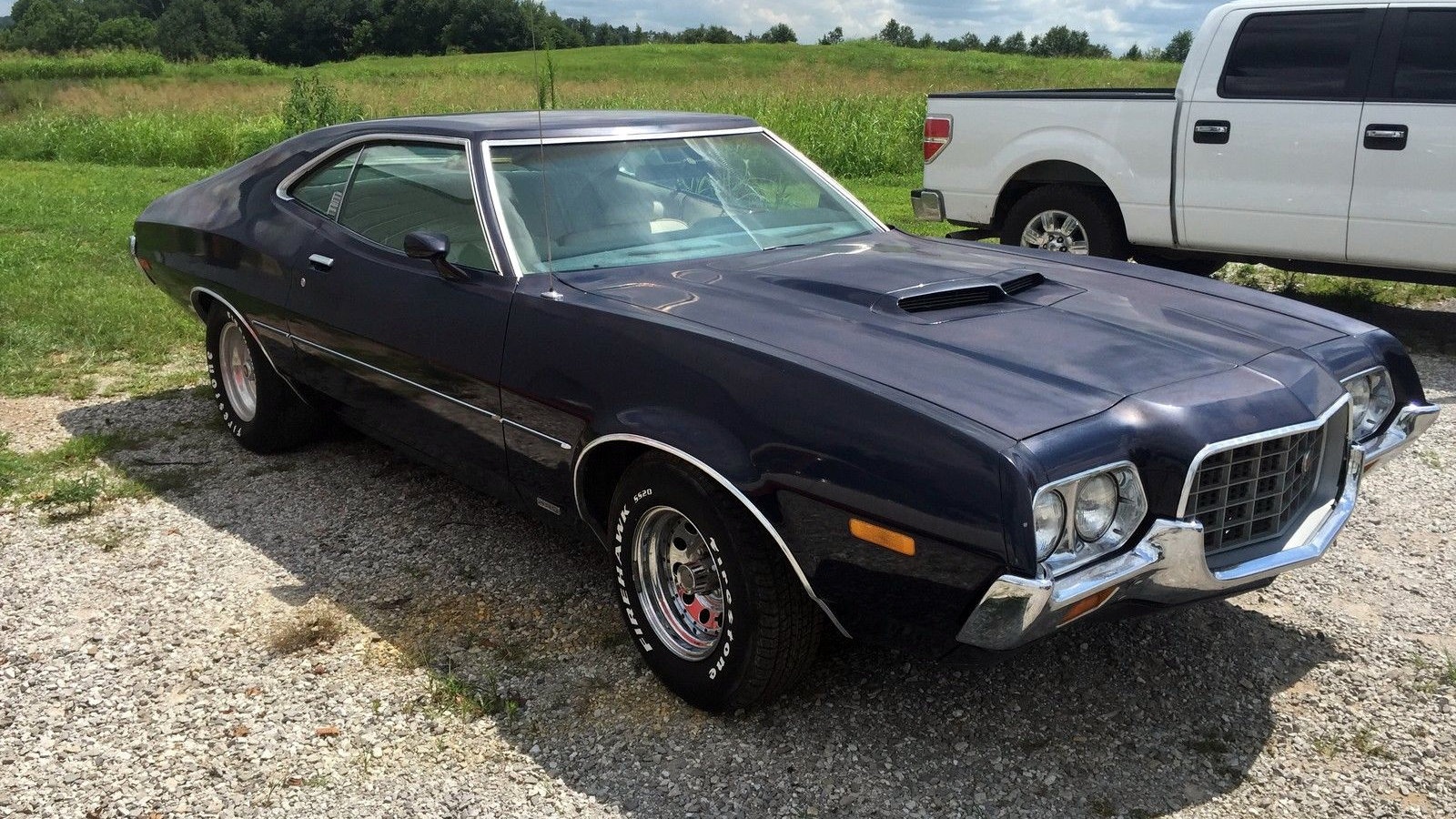
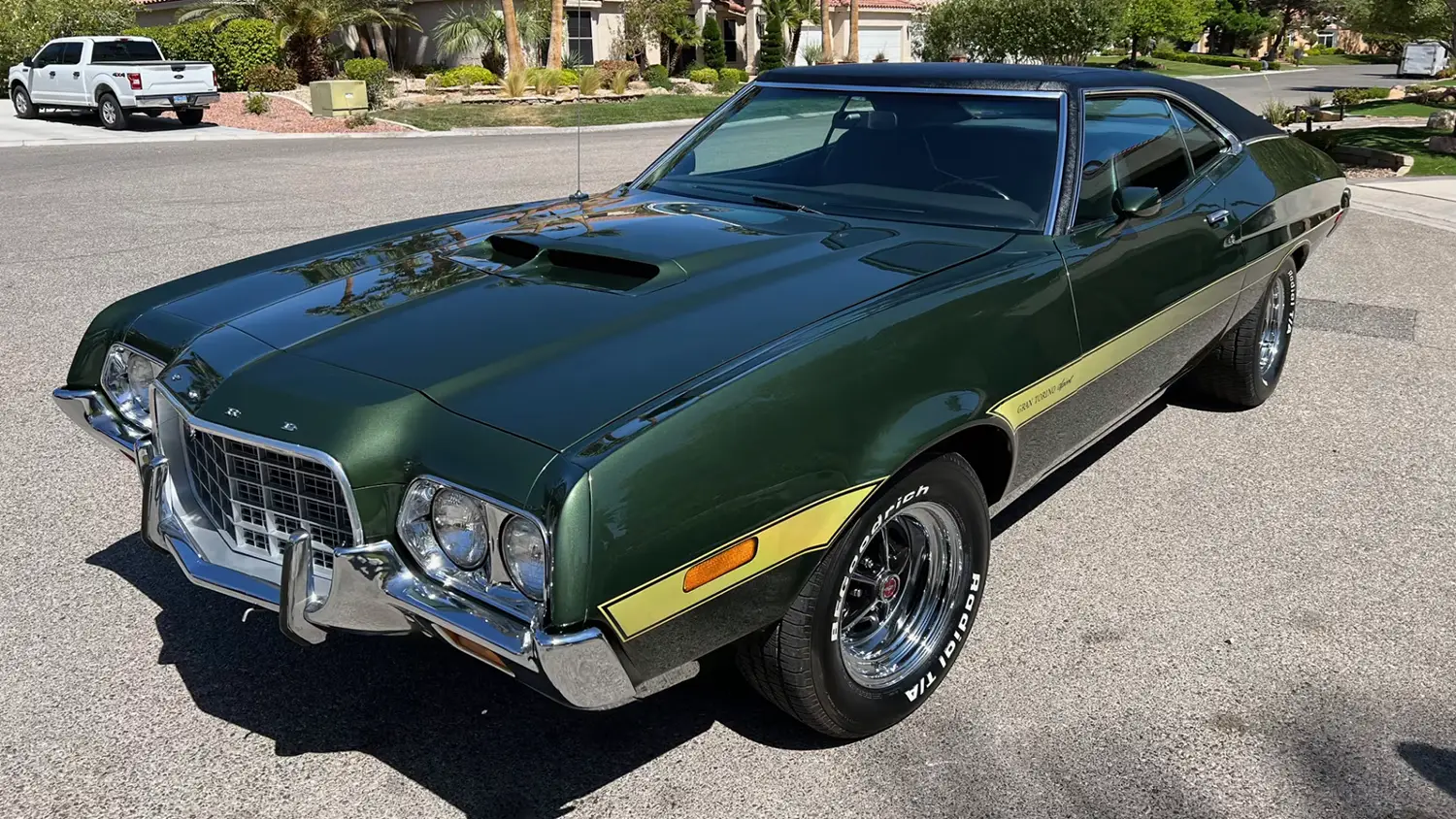
Evaluating the 1972 Torino GT price requires looking closely at condition, body style, engine options, and current collector car market trends. While original MSRP figures offer historical context, contemporary values are driven entirely by vehicle originality, restoration quality, and market demand for mid-size muscle cars from the early 1970s.
Introduction to the 1972 Ford Torino GT
The Ford Torino underwent a massive redesign for the 1972 model year, shifting away from the traditional coke-bottle styling of the late 1960s toward a more aggressive, muscular stance with a prominent, fishmouth grille and a heavier chassis. Within this lineup, the Torino GT served as the sporty flagship of the intermediate line. Replacing the previous year's GT convertible and fastback configurations, the 1972 Torino GT was offered solely as a two-channel fastback sportsroof and a two-door hardtop.
Understanding the 1972 Torino GT price landscape demands an appreciation of its automotive history, technical specifications, and the various factors that influence its valuation in the modern collector market. Whether you are looking to purchase a project car, invest in a pristine numbers-matching survivor, or insure an inherited classic, navigating pricing requires a clear breakdown of condition tiers, option packages, and historical context.
Historical Context and Original Pricing
When Ford introduced the redesigned Torino lineup in the fall of 1971 for the 1972 model year, pricing was structured to compete directly with Chevrolet's Chevelle and Plymouth's Satellite. The baseline manufacturer's suggested retail price (MSRP) for the 1972 Ford Torino GT fastback started at approximately $3,075, while the hardtop variant hovered around $3,000.
However, these base figures rarely reflected the final window sticker price. Buyers could choose from a sprawling list of optional equipment that quickly escalated the total cost. Upgrades such as the 351 cubic-inch Cleveland V8, the 400 cubic-inch V8, or the top-tier 429 cubic-inch Cobra Jet V8 added significant costs. Furthermore, performance-oriented options like the handling suspension, dual exhaust, functional hood scoop (part of the operational Ram Air system on earlier models, though adapted differently for '72), and wider wheels quickly pushed transaction prices past the $3,500 to $4,000 threshold.
The 1972 Design Shift and Its Impact on Value
The 1972 model year also marked a turning point for American muscle due to tightening federal safety regulations and impending emissions standards. The transition to heavy 5-mph impact bumpers and the shift from gross to net horsepower ratings made cars heavier and, on paper, less powerful than their 1970 and 1971 predecessors. Because of this, the 1972 Torino GT has historically traded at a discount compared to the earlier, lighter high-compression muscle variants. Nonetheless, its distinctive styling, featured prominently in films and television, has cultivated a dedicated following among classic Ford enthusiasts.
Market Valuation Tiers for the 1972 Torino GT
Evaluating what a 1972 Torino GT costs today involves categorizing vehicles by their structural and cosmetic condition. Collector car valuation metrics—often aligned with standards set by organizations like Hagerty or the Antique Automobile Club of America (AACA)—break down vehicles into distinct tiers.
Condition #1: Concours / Excellent
A #1 condition 1972 Torino GT is exceptionally rare. These vehicles are either pristine, un-restored low-mileage original survivors or professional, frame-off restorations executed to factory specifications. Every component, down to factory markings, correct hose clamps, and flawless paint, matches assembly-line accuracy.
- Market Range: $30,000 to $45,000+
- Buyer Profile: High-end collectors, concours event participants, and museum curators.
Condition #2: Fine / Very Good
Condition #2 cars represent well-maintained drivers or older, high-quality restorations that have been meticulously cared for. They show minor signs of use upon close inspection, but the paint, chrome, interior, and engine bay are clean, fully operational, and visually striking.
- Market Range: $18,000 to $28,000
- Buyer Profile: Enthusiasts seeking a weekend cruiser that can win local car shows without requiring extensive mechanical or cosmetic intervention.
Condition #3: Good / Average Driver
This tier encompasses the vast majority of surviving 1972 Torino GTs on the market. These vehicles are structurally sound, reliable drivers with cosmetic flaws such as minor chips in the paint, slight wear on the seat upholstery, or minor pitting on exterior trim. They are mechanically sorted and safe for regular road use.
- Market Range: $10,000 to $17,000
- Buyer Profile: Hobbyists looking for an accessible entry point into classic car ownership who want a weekend project or a reliable cruise-in vehicle.
Condition #4: Rough / Project Car
Project cars require comprehensive restoration. They typically feature rust in critical structural areas (such as frame rails, floor pans, or lower quarter panels), non-running engines, degraded interiors, and neglected mechanical systems. Purchasing at this level requires factoring in high parts and labor costs.
- Market Range: $3,500 to $8,500
- Buyer Profile: Experienced restorers and DIY mechanics with the specialized tools, time, and budget to undertake a ground-up rebuild.
Key Price Determinants and Options
When buying or selling a 1972 Torino GT, several specific factory options and vehicle attributes can drastically alter the final transaction price.
| Feature / Attribute | Lower Impact on Price | Higher Impact on Price |
|---|---|---|
| Body Style | Standard 2-Door Hardtop | Fastback Sportsroof |
| Engine Displacement | 302 ci V8 / 351 ci 2V Cleveland | 351 ci 4V Cobra Jet / 429 ci V8 |
| Transmission | 3-Speed Manual / Standard Automatic | 4-Speed Manual / C6 Select-Shift Auto |
| Factory Options | Base interior, manual steering | Air conditioning, console, tachometer |
| Documentation | Missing history, verbal claims | Marti Report, original window sticker |
Engine Selection
The powerplant under the hood is arguably the single most important factor determining price.
- 302 cubic-inch 2V V8: The entry-level V8 provides modest performance and is common, keeping the price aligned with standard driver values.
- 351 cubic-inch Cleveland (2V or 4V): The 351C engines are highly sought after by enthusiasts for their robust aftermarket support and strong performance characteristics, commanding a price premium.
- 429 cubic-inch V8: While the high-performance Super Cobra Jet engines became harder to come by in '72 due to emissions, a big-block 429 Torino GT will fetch top dollar among muscle car purists.
Documentation and Provenance
Having verified documentation can increase a classic car's market value by 15% to 25%. For Ford vehicles manufactured during this era, a Marti Report (sourced from Kevin Marti's database of Ford production records) is the gold standard. It proves the car's authenticity, verifies its original paint color, interior trim, assembly plant, and confirms whether it is a true GT model rather than a standard Torino upgraded with GT badging. Original bill of sales, factory broadcast sheets, and clear chains of ownership also heavily support higher asking prices.
Ownership Costs Beyond the Purchase Price
When budgeting for a 1972 Torino GT, buyers must look beyond the initial acquisition cost. Classic car ownership involves ongoing expenses that influence the true cost of maintaining these vehicles.
Maintenance and Parts Availability
Because the Torino shared mechanical components with the Ford Mustang, Falcon, and full-sized Ford passenger cars of the era, mechanical parts—such as suspension bushings, brake components, and standard engine rebuild kits—are widely available through major classic Ford parts suppliers. However, model-specific exterior trim, unique Sportsroof glass, and interior GT-specific elements can be difficult and expensive to source, often requiring a search through specialized salvage yards or enthusiast forums.
Insurance and Registration
Insuring a 1972 Torino GT typically requires a specialized classic or antique car insurance policy. Unlike standard daily-drive insurance, collector policies offer agreed-value coverage (where the payout is fixed based on an appraisal rather than depreciated market value) and usually feature lower annual premiums, provided the vehicle is stored securely and driven for pleasure or exhibition rather than daily commuting.
Frequently Asked Questions (FAQ)
How can I verify if a 1972 Torino GT is real?
The most reliable way to verify a genuine Torino GT is by inspecting the Vehicle Identification Number (VIN) stamped on the vehicle and cross-referencing it with a factory Marti Report. The VIN will indicate the assembly plant, body style, and original engine code. Additionally, checking door data plates and looking for factory GT-specific handling suspension components helps confirm authenticity.
Are fastback models worth more than hardtops?
Yes, in most cases, the fastback Sportsroof body style commands a higher price than the two-door hardtop. The fastback's aggressive sloping roofline defined the classic muscle car aesthetic of the early 1970s and enjoys stronger demand among contemporary collectors.
What are the most common rust areas on a 1972 Torino?
Like most vehicles from this era, the 1972 Torino is prone to rust in the lower rear quarter panels, wheel arches, floor pans, trunk floor, and front frame rails near the control arm mounts. Thoroughly inspecting these areas on a potential purchase is essential to avoid costly structural repairs.
How does fuel economy affect the appeal of driving a 1972 Torino GT?
With large displacement V8 engines and heavy steel chassis, fuel economy is low, typically ranging between 10 to 14 miles per gallon depending on the engine tune and rear axle ratio. While this makes them impractical for daily commuting, most owners accept fuel costs as an inherent part of occasional weekend cruising.
Conclusion and Next Steps
Determining the right 1972 Torino GT price requires balancing historical nostalgia with a realistic assessment of mechanical condition, originality, and market trends. Whether you are aiming to acquire a show-ready sportsroof or undertaking a rewarding garage restoration project, always prioritize structural integrity, verified documentation, and matching numbers over cosmetic allure. Begin your search by reviewing current listings across reputable classic car marketplaces, connecting with local Ford owner clubs, and securing a professional pre-purchase inspection before finalizing any investment.