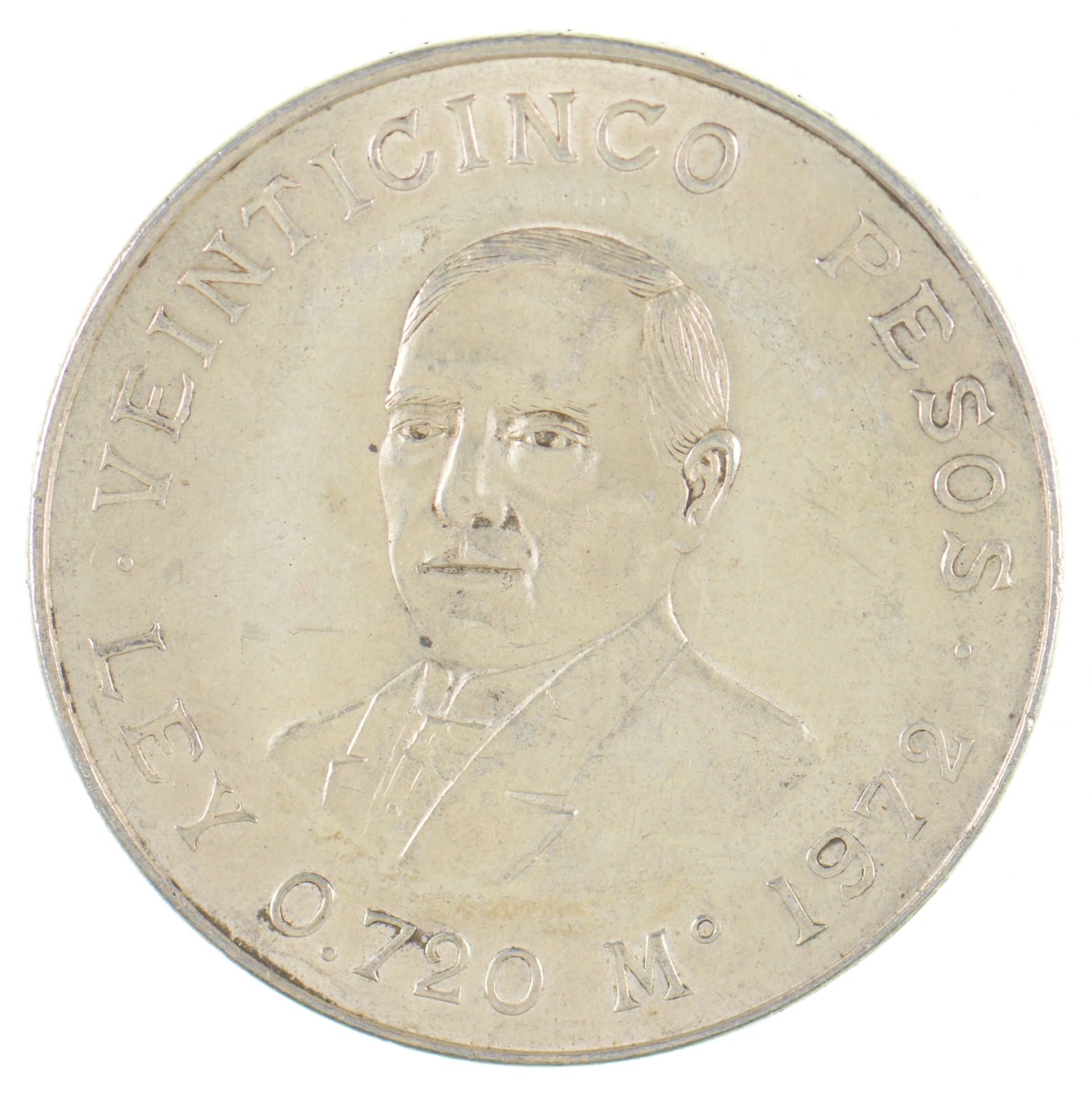
The 1972 peso coin value depends heavily on its country of origin, metallic composition, and current condition, with most circulating base-metal issues worth primarily their face value or a modest collector premium, while precious metal commemoratives command significantly higher prices based on their silver content.
Numismatic evaluation requires a clear understanding of world coin history, precise metallic specifications, and the grading standards used by professional coin collectors. When examining coins from the early 1970s, collectors and hobbyists frequently encounter different national currencies bearing the designation "peso." Navigating the market for these pieces involves separating common circulating currency from rare mint errors and precious metal strikes. This guide explores the historical context, physical properties, market valuation drivers, and preservation methods associated with 1972 peso coins.
Historical Context of 1972 World Coinage
The year 1972 fell within a period of significant global monetary transition. Many countries that traditionally used silver for their circulating coinage were in the process of phasing out precious metals in favor of base-metal alloys due to rising bullion prices and the increasing cost of coin production.
Countries such as Mexico, the Philippines, the Dominican Republic, and Argentina all utilized the peso as their primary monetary unit during this era. Each nation managed its coinage through its respective central bank or national mint. For numismatists, understanding the socio-economic backdrop of 1972 helps explain why certain coins were minted in vast quantities for daily commerce while others were struck in limited numbers for collectors or commemorative purposes.
During the early 1970s, inflation and fluctuating commodity markets meant that central banks frequently adjusted coin compositions. These historical shifts directly influence modern scarcity and numismatic demand. Coins that survived in pristine, uncirculated condition often tell a story of careful preservation by contemporary collectors, whereas circulated specimens reflect the everyday economic transactions of the era.
Major Varieties of 1972 Peso Coins
Because multiple nations issued peso currencies in 1972, identifying the specific country of origin is the primary step in determining value. The most commonly encountered 1972 peso coins originate from Mexico and the Philippines, each carrying distinct historical designs, sizes, and metallic makeups.
Mexican 1972 Pesos
In Mexico, the primary circulating coin of this denomination during the early 1970s was the one-peso coin featuring the profile of José María Morelos, a national hero of the Mexican War of Independence.
- Composition: Cupro-nickel (typically 75% copper, 25% nickel)
- Diameter: Approximately 32 millimeters
- Edge: Reeded with inscription or plain variations depending on the exact series
- Significance: Struck in massive quantities for daily commerce, making high-mintage circulation strikes readily available in the modern secondary market.
Philippine 1972 Pesos
The Central Bank of the Philippines issued peso coins during this era as part of the Ang Bagong Lipunan (New Society) series or preceding commemorative issues, often featuring prominent historical figures such as José Rizal or Marcelo H. del Pilar.
- Composition: Nickel-brass or copper-nickel-zinc alloys
- Circulation Status: Widely used in everyday trade throughout the Philippines
- Collector Appeal: Well-preserved specimens remain popular among Southeast Asian numismatists, though high-grade pieces are necessary to command meaningful premiums.
Key Factors That Determine Coin Value
Evaluating the market worth of any vintage coin requires analyzing several interrelated characteristics. A casual assessment based solely on the year of minting is rarely sufficient, as condition, rarity, and collector demand dictate actual transaction prices.
1. Condition and Grading (The Sheldon Scale)
Numismatists evaluate coin preservation using the 70-point Sheldon Scale, ranging from 1 (Poor) to 70 (Mint State Perfect).
- Circulated Coins (G4 to AU58): Show varying degrees of wear on high points, friction marks, and diminished luster. Most 1972 circulating pesos found in old jars or collections fall into this category and trade for nominal amounts.
- Uncirculated Coins (MS60 to MS70): Exhibit full original mint luster with no trace of wear from commerce. Certified third-party grading by services like PCGS or NGC is typically reserved for exceptionally high-grade or rare commemorative varieties.
2. Metallic Composition and Precious Metal Content
While standard circulating 1972 pesos consist of base metals (copper, nickel, or brass), collectors must always verify whether a specific piece is a standard circulation issue or a special precious metal strike.
- Base Metal Issues: Valued strictly on rarity, demand, and aesthetic grade.
- Silver Commemoratives: Certain countries issued low-mintage silver commemorative coins denominated in pesos or containing peso-equivalent face values. If a 1972 coin contains silver, its floor value is tied directly to the spot price of precious metals.
3. Mint Marks and Varieties
Mint facilities often stamp identifying letters or symbols onto coins to denote where they were produced. Varieties can also arise from doubled dies, repunched mint marks, or experimental planchets. Identifying a rare die variety can significantly elevate a coin's market value far above standard catalog pricing.
| Coin Type / Country | Primary Metal Composition | Typical Circulated Value | Uncirculated / Collector Value |
|---|---|---|---|
| Mexican 1 Peso (Morelos) | Cupro-Nickel | $0.25 – $1.00 USD | $2.00 – $15.00 USD (MS63+) |
| Philippine 1 Piso Issues | Nickel-Brass / Cupro-Nickel | $0.50 – $2.00 USD | $5.00 – $25.00 USD (Choice Uncirculated) |
| Silver Commemoratives (If applicable) | Varies (.925 or .500 Silver) | Tied to silver melt value | Substantial numismatic premium over melt |
Common Mistakes in Coin Valuation
Novice collectors and individuals who inherit old coin collections frequently make critical errors that lead to inaccurate valuations or permanent damage to the items. Avoiding these pitfalls preserves both the historical integrity and the financial worth of the collection.
- Cleaning the Coins: One of the most destructive mistakes is attempting to polish or clean vintage coins. Harsh chemicals, abrasive cloths, or baking soda leave microscopic scratches and alter the natural coin surface (known as "hairlines"). Professional numismatists heavily penalize or outright reject cleaned coins, destroying up to 50% or more of their potential value.
- Confusing Face Value with Numismatic Value: A currency denomination printed on a coin does not equate to its collector market price. Conversely, old base-metal currency that is no longer legal tender for exchange may only hold value among specialized collectors.
- Relying on Unverified Online Listings: Asking prices on open e-commerce platforms often reflect speculative or unrealistic seller expectations rather than actual completed sales. Reviewing verified auction archives provides a much more accurate picture of true market value.
Proper Storage and Preservation Guidelines
Protecting 1972 peso coins from environmental degradation ensures they maintain their physical integrity over decades. Improper storage accelerates toning, corrosion, and permanent surface pitting.
- Use Archival-Safe Materials: Store coins in PVC-free flips, hard acrylic capsules, or 2x2 cardboard holders with Mylar windows. Polyvinyl chloride (PVC) emits chemical plasticizers that react with coin metals over time, leaving a sticky, green residue.
- Control Environmental Conditions: Keep coins in a climate-controlled environment with low humidity. Rapid fluctuations in temperature and moisture cause condensation on metal surfaces, promoting oxidation and rust on base-metal alloys.
- Handle with Care: Always hold uncirculated or high-grade coins by their edges using clean cotton or nitrile gloves. Skin oils contain acids and salts that can etch metal surfaces if left in contact for extended periods.
Frequently Asked Questions
How much is a standard 1972 Mexican one-peso coin worth?
Most circulated 1972 Mexican Morelos one-peso coins are common and trade for under $1.00 USD. However, exceptional specimens graded in pristine Mint State (MS65 or higher) by professional grading services can occasionally realize $10 to $20 USD among specialized modern world coin collectors.
Are there any rare 1972 peso coin errors?
While major mint errors such as off-center strikes or double dies occasionally occur in high-volume mints, verified error specimens for 1972 peso issues are relatively scarce. Collectors should examine pieces under magnification to check for genuine striking anomalies rather than post-mint damage.
Should I clean my 1972 peso coin before selling it?
No. Cleaning a coin destroys its natural luster and leaves microscopic scratches that are immediately obvious to experienced numismatists. Always leave coins in their original, untouched condition, even if they exhibit natural toning or minor dirt accumulation.
How can I verify if my 1972 peso is made of silver?
Check the specific catalog reference for the exact country and denomination. Standard circulating 1972 pesos from Mexico and the Philippines are base-metal alloys (copper-nickel or nickel-brass) and contain no silver. A magnet test can provide a preliminary check, as copper-nickel alloys are non-magnetic, but consulting a standard world coin catalog is definitive.
Next Steps and Professional Appraisal
If you possess a collection of 1972 peso coins and suspect you have rare varieties or high-grade specimens, start by cataloging them by country, year, and physical condition. Consult recognized numismatic reference guides, such as the Standard Catalog of World Coins (commonly known as the Krause Publications catalog), to establish baseline catalog values. For high-value or certified-grade candidates, consider submitting them to reputable third-party grading services or consulting an established local coin dealer for a professional, in-person evaluation.