The United States media ecosystem comprises a diverse array of legacy print institutions, broadcast networks, cable news giants, and digital-native publications that shape public discourse, political engagement, and consumer trust. Analyzing eighteen prominent news brands reveals distinct editorial philosophies, business models, monetization strategies, and audience reach metrics that define modern American journalism.
Evolution of the American News Ecosystem
The architecture of American journalism has undergone profound transformations over the past century. Moving from localized, print-dominated penny papers to consolidated broadcast networks and, subsequently, the decentralized digital-native landscape, news brands have had to continually adapt their distribution models. In the contemporary media environment, the historical distinction between print, broadcast, and online-only reporting has largely dissolved. Major traditional print publishers operate robust multimedia subscription portals, while broadcast networks maintain expansive digital text operations that compete directly with legacy newspapers for search traffic and programmatic ad revenue.
This structural shift has also altered how audiences consume information. The transition from physical delivery and scheduled television broadcasts to on-demand digital feeds has placed a premium on speed, user-interface design, and personalized content delivery. However, this velocity brings distinct challenges regarding verification and editorial rigor. As news brands scale their digital output to meet the demands of continuous news cycles, maintaining traditional standards of fact-checking and source attribution requires substantial capital investment and institutional commitment.
Furthermore, the economic pressures facing the industry have catalyzed diverse revenue models. While advertising-dependent models dominated the late 20th century, the erosion of digital ad yields by major technology platforms forced many publishers toward paywalls, tiered digital subscriptions, donor-supported models, and member-exclusive newsletters. Understanding these eighteen prominent news brands requires examining not only their editorial footprints, but also the structural frameworks that sustain their operations.
Legacy Print and Metropolitan Institutions
Legacy print publications have historically served as the anchors of investigative journalism and record-keeping in the United States. Despite migrating substantial portions of their readership online, these organizations maintain deep institutional roots and rigorous editing traditions.
The New York Times
Founded in 1851, The New York Times is widely recognized as a premier global news organization. Operating under a robust paid subscription model—which encompasses news, cooking, games, product reviews through Wirecutter, and athletic coverage via The Athletic—the brand has successfully transitioned into a diversified digital subscription business. Its primary intent centers on comprehensive national and international reporting, deep investigative journalism, and cultural commentary. The publication maintains strict editorial guidelines and employs hundreds of journalists across domestic and international bureaus.
The Washington Post
Headquartered in the nation's capital, The Washington Post focuses heavily on federal politics, national security, and public policy. Acquired by billionaire Amazon founder Jeff Bezos in 2013, the organization has invested heavily in digital product development, engineering, and investigative reporting projects. While facing industry-wide audience retention hurdles in recent years, it remains a central pillar of political journalism, shaping legislative debates and administrative accountability in Washington, D.C.
The Wall Street Journal
Established in 1889, The Wall Street Journal (WSJ) is the preeminent financial and economic newspaper in the United States. Owned by Dow Jones & Company, a division of News Corp, the WSJ targets business leaders, investors, policymakers, and corporate executives. Its editorial page maintains a distinct free-market and conservative orientation, while its news division is prized for independent, authoritative reporting on global financial markets, corporate governance, macroeconomic indicators, and international trade.
Los Angeles Times
Serving as the largest metropolitan daily newspaper in the western United States, the Los Angeles Times provides critical regional coverage alongside national and Pacific Rim international news. Known for its extensive coverage of entertainment, immigration, environmental issues, and West Coast politics, the publication has weathered numerous ownership transitions while maintaining a prominent voice in American journalism.
Broadcast and Cable News Giants
Television broadcasting transformed the reach of journalism in the mid-20th century, bringing real-time visual reporting into American living rooms. Today, broadcast networks and cable channels operate massive digital newsrooms alongside their traditional linear signals.
CNN (Cable News Network)
Launched in 1980 as the world's first 24-hour all-news television channel, CNN pioneered continuous breaking news coverage. Operating under parent company Warner Bros. Discovery, CNN reaches a global audience through its television channels, digital website, mobile applications, and international feeds. Its editorial scope spans international conflicts, domestic political developments, economic updates, and breaking weather events, utilizing a vast network of international bureaus.
Fox News
Established in 1996, Fox News is a dominant force in American cable television news, consistently leading primetime ratings among cable news networks. Owned by Fox Corporation, the network caters primarily to conservative and right-leaning audiences through a mix of straight news reporting during daytime hours and high-profile opinion and commentary programming in prime time. Its digital arm, Fox News Digital, generates substantial web traffic through breaking news and political commentary.
MSNBC
Operating as the cable news counterpart to NBC News, MSNBC focuses primarily on progressive and liberal-leaning political commentary, analysis, and daytime reporting. Launched in 1996 as a joint venture between Microsoft and NBC, the network is now fully controlled by Comcast through NBCUniversal. MSNBC's primetime lineup features prominent political analysts and commentators who dissect legislative developments, judicial actions, and electoral politics from a left-of-center perspective.
ABC News, CBS News, and NBC News
The traditional "Big Three" broadcast networks maintain vast news divisions that produce flagship evening news broadcasts, morning programs such as Good Morning America, CBS Mornings, and TODAY, and extensive investigative reporting. While their linear television audiences have declined with the rise of streaming and cord-cutting, their digital properties—ABCNews.com, CBSNews.com, and NBCNews.com—command significant monthly unique visitors and anchor broader corporate streaming ecosystems like ABC News Live, CBS News 24/7, and NBC News NOW.
Opinion, Culture, and Digital-Native Publications
Beyond traditional reporting, a vibrant segment of the American news media focuses on deep political analysis, cultural critique, investigative exposés, and digital-first storytelling.
The Atlantic
Founded in 1857, The Atlantic is one of the nation's oldest continuously published literary and political magazines. Under the ownership of Laurene Powell Jobs' Emerson Collective, the publication has modernized its digital subscriber base through long-form essays, sharp cultural criticism, and investigative journalism covering democracy, technology, and global affairs.
NPR (National Public Radio)
NPR operates as an independently funded, nonprofit membership media organization that serves as a syndicated news provider to hundreds of public radio stations across the United States. Funded in part by corporate sponsorships, foundation grants, and listener contributions, NPR delivers rigorous public-service journalism, cultural reporting, and daily audio programming via traditional broadcast radio and widely downloaded podcasts.
PBS NewsHour
Broadcast nationally via public television stations, PBS NewsHour offers in-depth, sober, and unflashy reporting on domestic and international affairs. Known for its measured pace and commitment to depth over speed, the program avoids sensationalism, making it a trusted resource for public policy analysis and educational institutions.
Politico
Launched in 2007, Politico revolutionized political journalism by treating the inner workings of government and policymaking with the analytical rigor of a financial publication. Acquired by German publisher Axel Springer in 2021, Politico combines free, ad-supported political reporting with high-priced subscription intelligence products (Politico Pro) tailored to lobbyists, government affairs professionals, and corporate executives.
BuzzFeed News and Vox (Digital Landscape Evolution)
The digital-native media wave of the 2010s reshaped how news was packaged, distributed, and consumed on social media platforms. While BuzzFeed News ceased independent operations in 2023, its legacy highlights the volatile economics of venture-backed digital publishing. Conversely, Vox, founded by Ezra Klein, Matt Yglesias, and Melissa Bell in 2014 under Vox Media, pioneered explanatory journalism, breaking down complex policy proposals, economics, and science into digestible, multimedia formats.
Comparative Overview of Major News Brands
Evaluating these prominent news brands requires examining their primary funding mechanisms, editorial focus, and distribution channels. The table below outlines key operational characteristics across selected major U.S. news organizations.
| News Brand | Primary Medium | Monetization Model | Core Editorial Focus |
|---|---|---|---|
| The New York Times | Digital & Print | Paid Digital Subscriptions & Ads | General News, Investigation, Lifestyle |
| The Wall Street Journal | Digital & Print | Paid Subscriptions (Paywall) | Business, Finance, Markets |
| Fox News | Cable TV & Digital | Cable Carriage Fees & Advertising | Conservative Commentary, Politics |
| CNN | Cable TV & Digital | Cable Carriage Fees & Advertising | Global Breaking News, Politics |
| NPR | Radio & Podcast | Public Radio, Grants, Donations | Public Service News, Culture |
| Politico | Digital-Native | B2B Subscriptions & Advertising | Federal Policy, Legislative Tracking |
Verification, Trust, and Editorial Standards
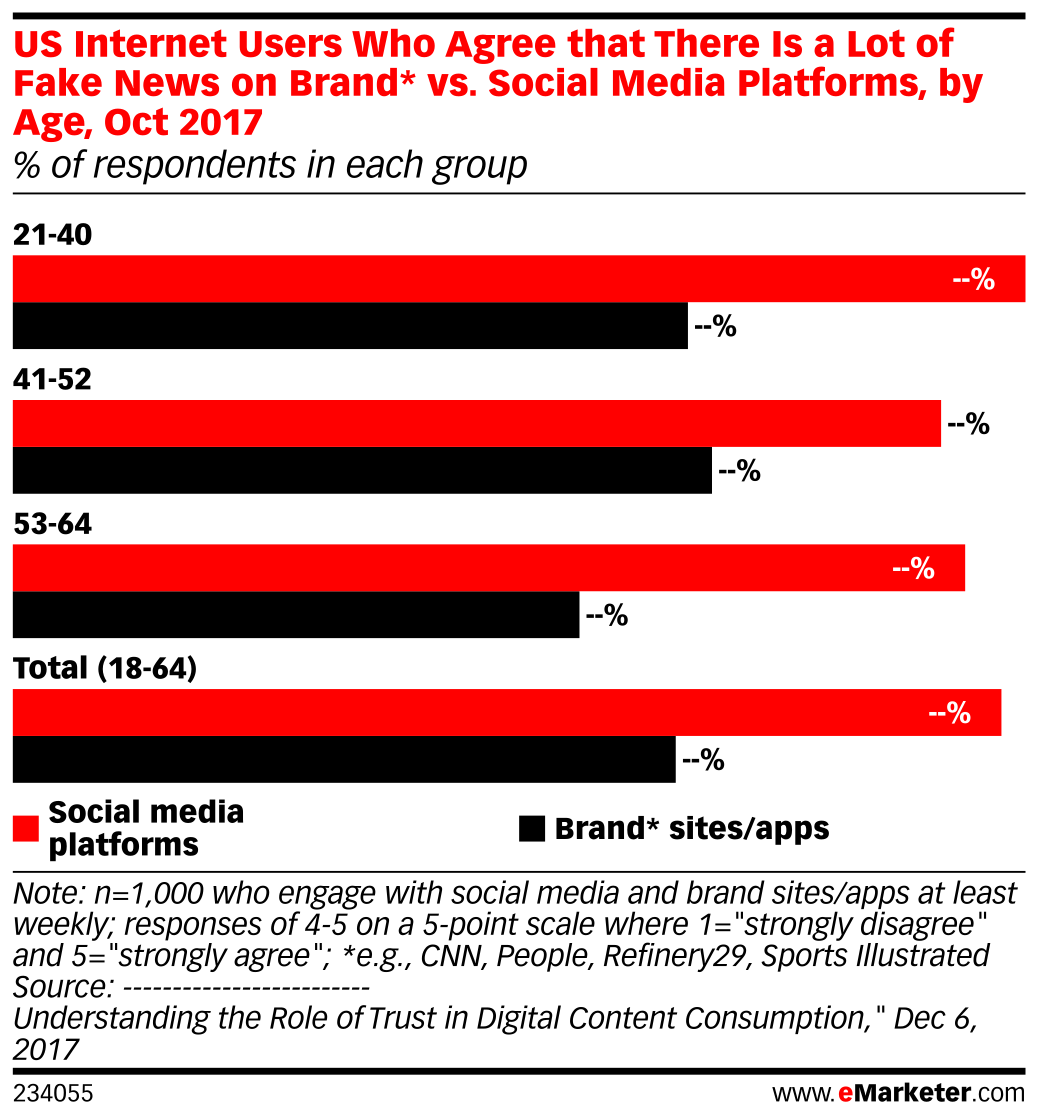
In an era marked by concerns regarding misinformation, algorithmic bias, and shifting audience trust, the credibility of news brands relies heavily on transparent editorial standards. Established legacy publications and public broadcasters maintain formal codes of ethics that govern corrections policies, conflict-of-interest disclosures, and the distinction between news reporting and opinion commentary.
Audience trust is frequently measured by independent research institutions, such as the Pew Research Center and Gallup. These studies consistently demonstrate that trust in news media remains polarized along ideological lines in the United States. Readers evaluating news brands must look for verifiable indicators of editorial integrity, including:
- Clear identification of corrections and updates on published articles.
- Explicit separation of sponsored content or native advertising from editorial copy.
- Transparent ownership structures and disclosure of financial backers.
- Attribution standards that rely on named, verifiable sources or documented evidence when utilizing anonymous sourcing.
Frequently Asked Questions
What are the main differences between cable news networks and legacy newspapers?
Cable news networks primarily rely on continuous video broadcasting, real-time punditry, and advertising revenue derived from television carriage fees and spot commercials. Legacy newspapers, by contrast, focus on deep investigative text reporting, long-form analysis, and increasingly rely on digital subscription models rather than advertising alone.
How do subscription paywalls work for major U.S. news brands?
Most major digital news publications utilize either a hard paywall—requiring a paid subscription to access any content—or a metered paywall, which allows users to read a specific number of free articles per month before prompting a subscription. These paywalls are designed to diversify revenue away from volatile programmatic digital advertising.
Are public media organizations like NPR government-funded?
NPR is a private, nonprofit membership organization. While it receives minimal direct federal funding through grants administered by the Corporation for Public Broadcasting (CPB)—particularly for member station support in rural areas—the vast majority of its operating budget comes from corporate sponsorships, foundation grants, live events, and individual listener contributions.
How can readers verify the credibility of an online news brand?
Readers can verify credibility by checking the publication's "About Us" page for clear editorial leadership, reviewing their formal corrections policy, examining whether stories rely on primary sources and named experts, and consulting independent media bias rating organizations for transparency reviews.
What role do digital-native news sites play in modern media?
Digital-native sites specialize in explanatory journalism, niche policy tracking, and rapid social media distribution. They often set the agenda for broader national conversations by pioneering new formats, such as data journalism, explanatory video essays, and targeted professional intelligence newsletters.
Conclusion and Next Actions
Navigating the American news landscape requires a discerning approach to media consumption. By understanding the underlying business models, editorial stances, and verification standards of these eighteen prominent news brands, readers can better contextualize the information they consume. To build a balanced media diet, consumers should actively diversify their sources across legacy print, investigative reporting outfits, broadcast networks, and public media, paying close attention to factual accuracy, source attribution, and the distinction between reported news and subjective commentary.