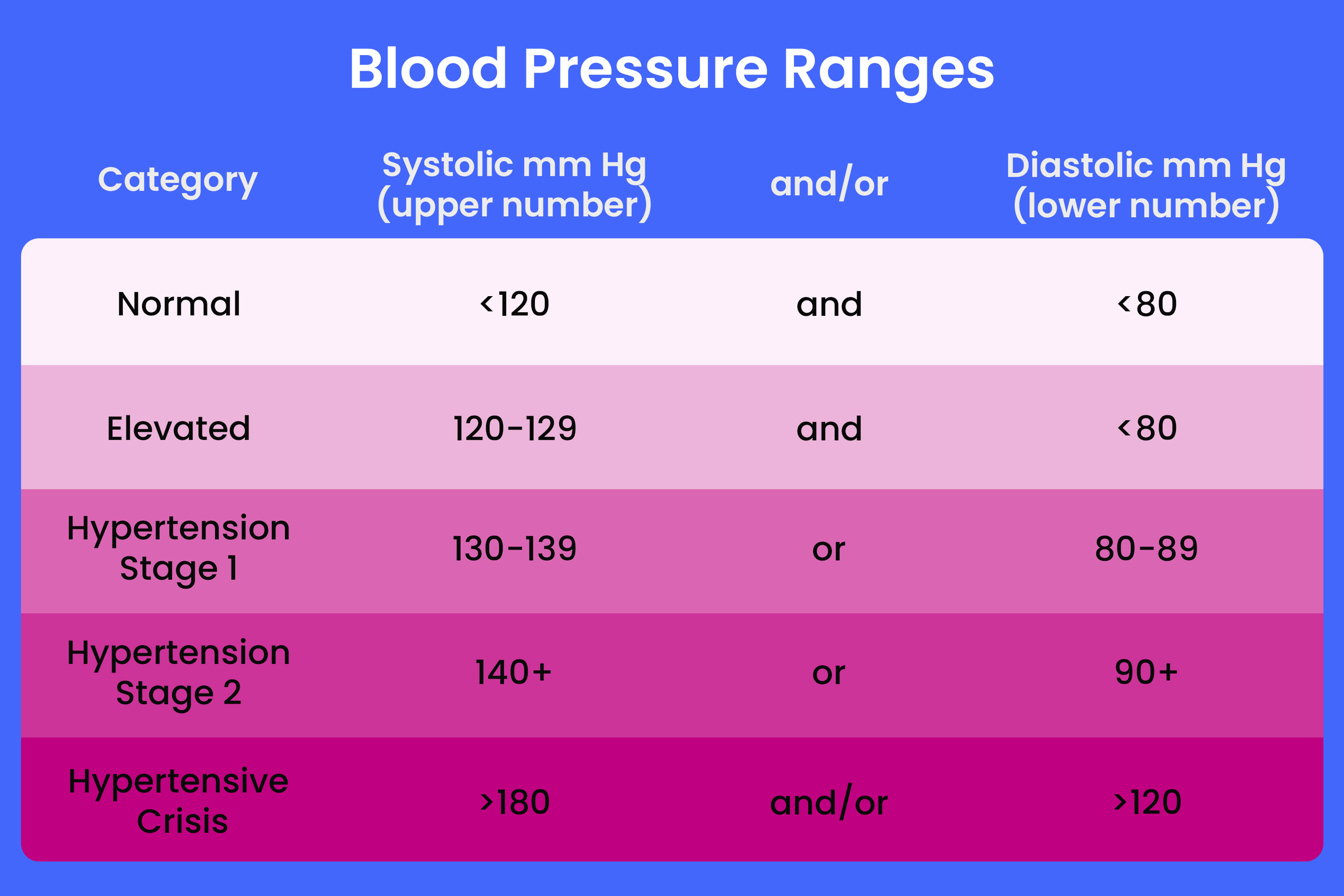
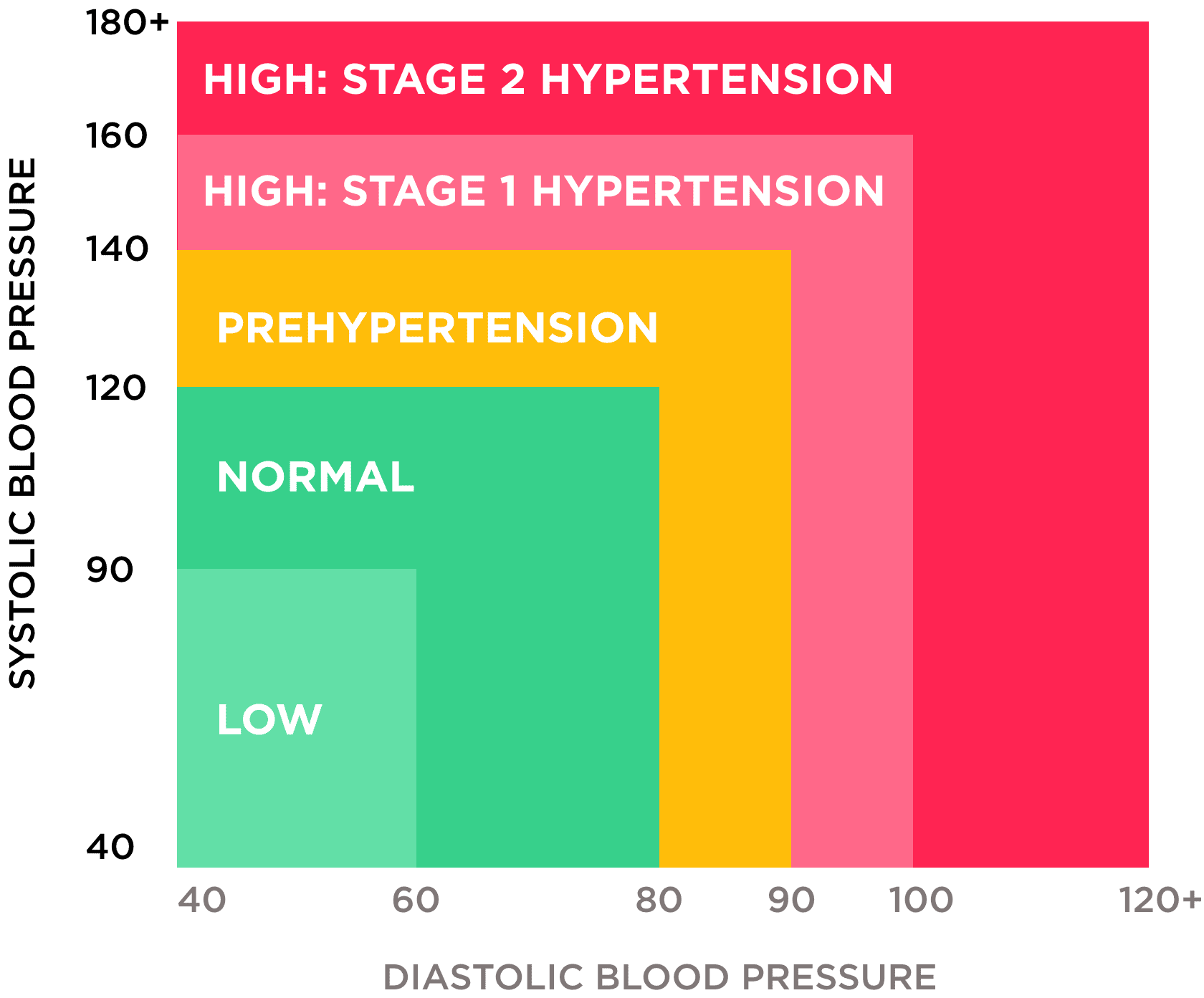
A blood pressure reading of 140/70 mmHg in men is classified as Stage 2 Hypertension according to the current guidelines established by the American Heart Association (AHA) and the American College of Cardiology (ACC). While the diastolic pressure (70) is within the normal range, the systolic pressure (140) has reached the threshold for Stage 2, requiring clinical attention and lifestyle modifications.
Medical professionals view blood pressure through two primary lenses: the systolic (top) number, which measures the pressure in your arteries when your heart beats, and the diastolic (bottom) number, which measures the pressure in your arteries when your heart rests between beats. Even if only one of these numbers is high, the overall diagnosis follows the higher category. In the case of 140/70, the systolic elevation is the primary concern, often pointing toward a condition known as Isolated Systolic Hypertension (ISH).
The Significance of the 140/70 Reading
To understand why 140/70 is a critical marker for men, one must look at the physiological implications of a wide gap between the two numbers. This gap is known as pulse pressure. In this instance, the pulse pressure is 70 mmHg (140 minus 70). A pulse pressure greater than 60 mmHg is often considered a predictor of cardiovascular events, particularly in men over the age of 50. It suggests that the large arteries—like the aorta—are beginning to lose their elasticity, a process known as arterial stiffening.
In 2026, clinical focus remains heavily on these specific ratios. While a reading of 120/80 was once the gold standard, modern medicine recognizes that a systolic reading of 140 represents a significant increase in the workload on the heart and the mechanical stress on the vascular walls. For men, who statistically develop hypertension earlier in life than women, 140/70 serves as a "call to action" to prevent long-term damage to the kidneys, eyes, and brain.
Classification of Blood Pressure Ranges (2026 Standards)
The following table outlines the current classifications used by healthcare providers to assess cardiovascular risk based on resting blood pressure measurements.
| Blood Pressure Category | Systolic (mmHg) | Diastolic (mmHg) | |
|---|---|---|---|
| Normal | Less than 120 | and | Less than 80 |
| Elevated | 120 – 129 | and | Less than 80 |
| Hypertension Stage 1 | 130 – 139 | or | 80 – 89 |
| Hypertension Stage 2 | 140 or higher | or | 90 or higher |
| Hypertensive Crisis | Higher than 180 | and/or | Higher than 120 |
As shown, because the systolic value is exactly 140, this reading is categorized as Stage 2. Even though the diastolic pressure of 70 is technically "normal," the elevated systolic pressure dictates the severity of the diagnosis.
Why Isolated Systolic Hypertension Occurs in Men
Isolated Systolic Hypertension (ISH) is the most common form of hypertension in older adults, but it is increasingly diagnosed in younger men due to lifestyle factors. When the systolic pressure is high (140+) but the diastolic is normal (under 80), several underlying mechanisms may be at play:
- Arterial Stiffness: As men age, the collagen in the arterial walls becomes denser and the elastin fibers begin to fray. This makes the arteries "stiffer." When the heart pumps blood (systole), the rigid arteries cannot expand to accommodate the surge, causing the pressure to spike.
- Overactive Sympathetic Nervous System: Men often experience high-stress environments or sleep apnea, both of which trigger the "fight or flight" response. This keeps the systolic pressure high while the heart is active, though the vessels may still relax adequately during the diastolic phase.
- High Sodium Intake: Excessive salt consumption causes the body to retain fluid, increasing the total volume of blood the heart must pump. This volume-driven pressure is most evident during the systolic phase.
- Underlying Health Conditions: Conditions such as hyperthyroidism or anemia can increase the stroke volume of the heart, leading to a higher top number without necessarily raising the bottom number.
The Risks of Maintaining 140/70 Without Intervention
Ignoring a 140/70 reading because the "bottom number is fine" is a dangerous misconception. Chronic Stage 2 Hypertension, even if isolated to the systolic side, carries documented risks for men:
- Left Ventricular Hypertrophy (LVH): The heart is a muscle. When it has to pump against a pressure of 140 mmHg constantly, the walls of the left ventricle thicken. Over time, this thick muscle becomes less efficient, potentially leading to heart failure.
- Vascular Dementia: High systolic pressure can damage the small blood vessels in the brain, leading to "micro-strokes" or reduced blood flow that impairs cognitive function over time.
- Kidney Strain: The kidneys rely on a delicate balance of pressure to filter waste. A systolic pressure of 140 creates excessive force in the renal arteries, which can lead to chronic kidney disease (CKD).
- Erectile Dysfunction (ED): Hypertension is a leading cause of ED. The same arterial stiffness that causes a 140/70 reading prevents the necessary blood flow to the extremities, acting as an early warning sign for systemic cardiovascular issues.
Diagnostic Steps and Verification
A single reading of 140/70 at a doctor's office is rarely enough to confirm a permanent diagnosis of Stage 2 Hypertension. Doctors typically look for a pattern.
White Coat Hypertension: Many men experience a spike in blood pressure simply by being in a clinical setting. To rule this out, physicians often recommend Ambulatory Blood Pressure Monitoring (ABPM) or home monitoring.
How to Measure Correctly at Home:
- Preparation: Avoid caffeine, exercise, and smoking for 30 minutes before the test. Sit quietly for five minutes without distractions.
- Positioning: Sit in a chair with your back supported and feet flat on the floor. Your arm should be supported at heart level on a flat surface.
- The Cuff: Ensure the cuff is the correct size for your bicep. A cuff that is too small will provide a falsely elevated reading.
- Frequency: Take two or three readings one minute apart and record the average. Do this in the morning and evening for one week to provide your doctor with a comprehensive data set.
Management and Treatment Strategies for 2026
If 140/70 is confirmed as a consistent reading, a multi-faceted approach is required. For many men, lifestyle changes are the first line of defense before medication is introduced.
Dietary Interventions
The DASH (Dietary Approaches to Stop Hypertension) diet remains the gold standard. It emphasizes:
- Potassium vs. Sodium: Increasing potassium intake (from bananas, sweet potatoes, and spinach) helps the kidneys excrete sodium and eases tension in the blood vessel walls.
- Magnesium: Found in nuts, seeds, and whole grains, magnesium aids in vasodilation (the widening of blood vessels).
- Limiting Alcohol: For men, alcohol consumption is a major contributor to systolic spikes. Reducing intake to no more than two drinks per day is often necessary.
Physical Activity
Exercise directly combats arterial stiffness. Aerobic exercise (brisk walking, swimming, cycling) for 150 minutes per week can lower systolic pressure by 5 to 8 mmHg. Additionally, isometric resistance training—such as planks or wall sits—has been highlighted in recent clinical studies as exceptionally effective at reducing systolic numbers.
Weight Management
Weight loss is the most effective non-pharmacological way to lower blood pressure. For every kilogram of weight lost, systolic blood pressure can drop by approximately 1 mmHg. For men, focusing on reducing visceral fat (belly fat) is particularly important, as this fat is metabolically active and releases chemicals that increase inflammation and blood pressure.
Pharmacological Options
If lifestyle changes do not bring the systolic number below 130 within three to six months, a doctor may prescribe medication. Common choices for a 140/70 profile include:
- Thiazide Diuretics: These help the body eliminate excess sodium and water.
- ACE Inhibitors or ARBs: These relax blood vessels by blocking the chemicals that cause them to tighten.
- Calcium Channel Blockers: These prevent calcium from entering the cells of the heart and blood vessel walls, resulting in lower pressure.
Professional Medical Advice Limitation
This information is provided for educational purposes and reflects clinical guidelines as of 2026. It is not a substitute for professional medical advice, diagnosis, or treatment. Always seek the advice of your physician or other qualified health provider with any questions you may have regarding a medical condition. Never disregard professional medical advice or delay in seeking it because of something you have read here.
Frequently Asked Questions
Is 140/70 considered a "stroke risk" level? While 140/70 is Stage 2 Hypertension, it does not usually indicate an immediate stroke threat like a hypertensive crisis (180+). However, it significantly increases the long-term risk. Chronic exposure to 140 mmHg systolic pressure weakens the cerebral arteries, making them more susceptible to rupture or blockage over several years.
Why is my top number high but my bottom number normal? This is known as Isolated Systolic Hypertension. In men, it is often caused by the stiffening of the large arteries, high salt intake, or high levels of stress hormones. It means your heart is working hard to pump blood, but your arteries are still able to relax well between beats.
Can stress alone cause a 140/70 reading? Yes, temporary stress can cause a spike. This is why doctors look for consistent readings. If your blood pressure is 140/70 only when you are stressed at work but 115/75 when you are relaxed, you may have "labile hypertension," which still requires monitoring but may not need immediate medication.
Does caffeine affect the systolic number more than the diastolic? Caffeine is a vasoconstrictor that can cause a temporary spike in both numbers, but the effect is often more pronounced in the systolic reading. If you consume caffeine shortly before a test, a 140/70 reading might be an artificial elevation rather than your true baseline.
At what age is 140/70 considered "normal" for a man? In the past, higher readings were sometimes accepted for older men. However, current 2026 guidelines do not adjust the definition of hypertension based on age. Whether you are 30 or 70, a reading of 140/70 is considered Stage 2 Hypertension because the risk of heart attack and stroke at that level remains consistent across age groups.
Next Actions for Men with 140/70
The first step is to verify the reading. Purchase a validated home blood pressure monitor and track your numbers for seven days. If the average remains at or above 140/70, schedule a consultation with a healthcare provider. Bring your log of home readings to the appointment. Prepare to discuss your diet, alcohol consumption, and sleep quality, as these are often the primary "silent" contributors to systolic elevation in men.