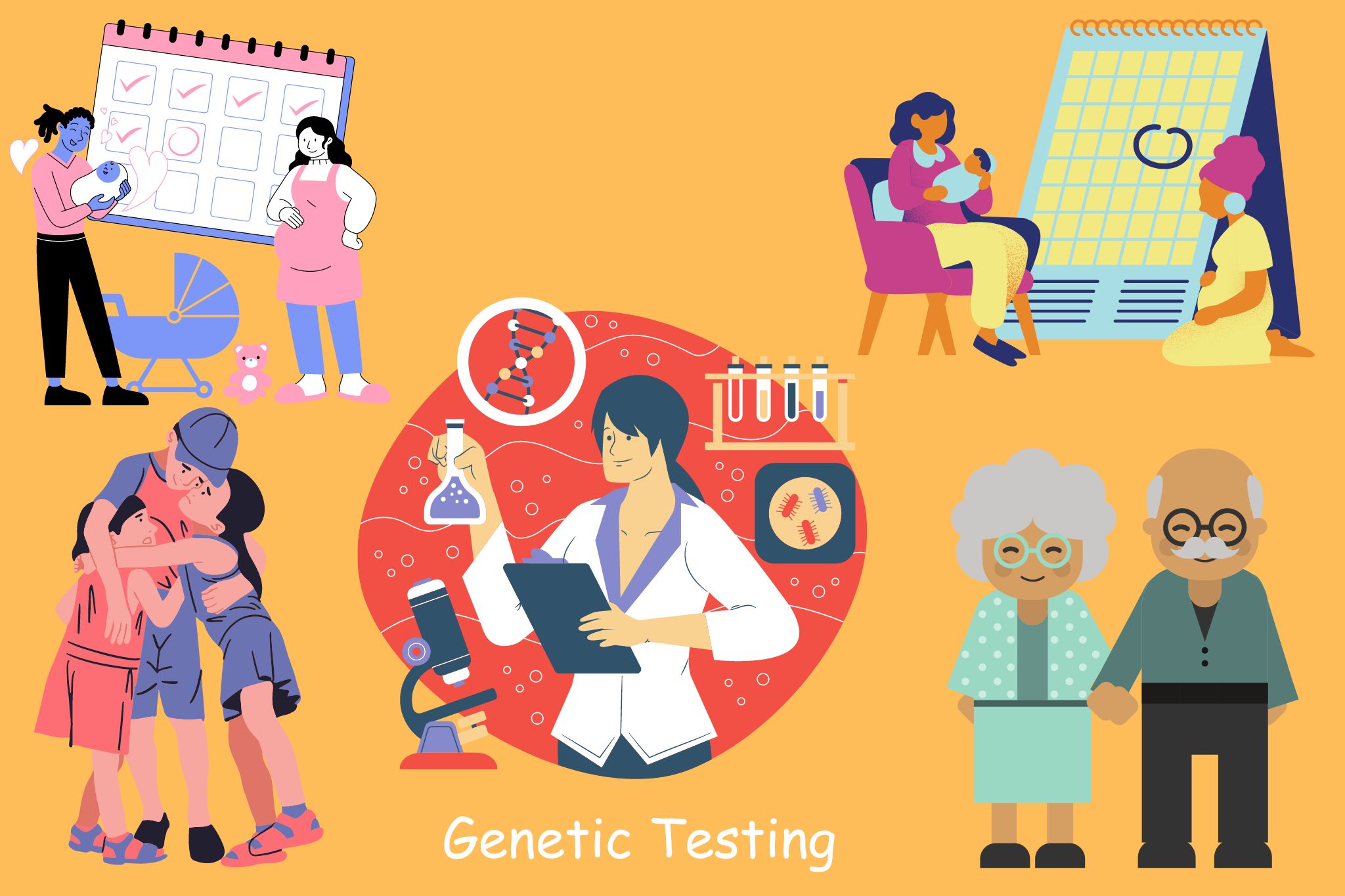
123 gene testing refers to direct-to-consumer genetic screening and ancestry profiling services that allow individuals to analyze their DNA by submitting a simple saliva sample from home. These services typically categorize data into genetic health risks, carrier statuses, wellness traits, and ancestral origins, empowering users with personal biological insights.
The landscape of personal genomics has shifted dramatically over the past two decades. What once required a clinical visit, a physician's order, and hundreds or thousands of dollars in laboratory fees is now accessible via mail-in kits ordered online. As genetic testing becomes a mainstream consumer product, understanding what these tests measure, how they work, and what their results genuinely mean for your health and lifestyle is essential.
The Evolution and Mechanics of Direct-to-Consumer Genetics
Direct-to-consumer (DTC) genetic testing democratized access to biological data. Historically, genetic analysis was strictly confined to clinical diagnostics, ordered by medical geneticists or specialized physicians to diagnose rare hereditary disorders or chromosomal abnormalities. The rise of companies offering consumer-focused DNA analysis transformed genetics into a personal exploration tool.
How Mail-In DNA Kits Work
The process of completing a consumer genetic test is designed for convenience, requiring no specialized medical training to execute.
- Kit Purchase and Registration: A user orders a kit online and registers the unique barcode number on the manufacturer's secure web portal or mobile application. This step links the physical sample to the user's account while maintaining privacy preferences.
- Sample Collection: The user provides a saliva sample, usually by spitting into a specialized collection tube filled with a stabilizing buffer solution that preserves the DNA integrity during transit.
- Laboratory Processing: Once received at a Clinical Laboratory Improvement Amendments (CLIA)-certified and College of American Pathologists (CAP)-accredited facility, technicians extract DNA from the epithelial cells found in the saliva.
- Genotyping and Microarray Analysis: Laboratories typically use microarray technology—such as specialized SNP (single nucleotide polymorphism) chips—to scan a person's DNA for hundreds of thousands of specific genetic variations known to be associated with health traits, carrier status, or ancestry markers.
- Data Interpretation and Reporting: Automated bioinformatics pipelines translate the raw genomic data into user-friendly digital reports delivered via the company's online platform.
Genotyping vs. Whole Genome Sequencing
It is critical for consumers to understand the technical scope of standard consumer genetic tests. Most standard DTC kits do not sequence your entire genome (which consists of roughly 3 billion base pairs). Instead, they perform genotyping, which targets specific, well-studied locations (SNPs) across the genome—typically between 600,000 and 700,000 markers. While sufficient for broad ancestry estimates and common health predispositions, genotyping misses rare mutations that can only be detected through comprehensive sequencing technologies like Whole Genome Sequencing (WGS) or Whole Exome Sequencing (WES).
Categories of Genetic Insights Provided
When individuals review their genetic profiles, the information is generally segmented into distinct reporting categories. Each category serves a different purpose and carries varying degrees of clinical utility.
1. Health Predispositions and Risks
Health risk reports estimate a person's statistical likelihood of developing certain complex conditions, such as late-onset Alzheimer's disease, type 2 diabetes, or Parkinson's disease. These are not diagnostic tests. They indicate whether an individual carries genetic variants that increase or decrease their risk relative to the general population. Environmental factors, lifestyle, diet, and family history play massive roles in whether a genetic predisposition actually manifests as a clinical condition.
2. Carrier Status
Carrier status testing determines whether an individual carries a single copy of a genetic mutation for an autosomal recessive condition (such as cystic fibrosis, sickle cell anemia, or Tay-Sachs disease). Carriers typically do not exhibit symptoms of the condition themselves, but if two carriers of the same condition have children, there is a statistical risk of passing the disorder on to their offspring. Carrier screening is particularly relevant for individuals planning a family.
3. Wellness and Pharmacogenetics
Wellness reports examine how genes interact with lifestyle factors, covering traits such as metabolism speed, caffeine sensitivity, muscle composition, and baseline sleep patterns. Additionally, some advanced consumer tests incorporate pharmacogenetic markers, showing how genetic variations may influence the body's processing of certain medications, over-the-counter drugs, or nutritional supplements.
4. Ancestry and Genealogy
Ancestry analysis compares an individual's DNA markers against global reference populations to estimate geographic origins and historical lineage. Maternal haplogroups (mitochondrial DNA, passed down from mothers to both sons and daughters) and paternal haplogroups (Y-chromosome DNA, passed down exclusively from fathers to sons) trace deep ancestral migration paths across millennia.
Comparing Consumer Genetic Testing Approaches
Navigating the market requires evaluating different testing providers based on their regulatory compliance, clinical validity, and reporting focus.
| Feature / Aspect | Standard Consumer Genotyping | Clinical-Grade Genetic Testing | Whole Genome Sequencing Services |
|---|---|---|---|
| Primary Purpose | Wellness, ancestry, and general risk awareness | Medical diagnosis or targeted clinical screening | Comprehensive mapping of protein-coding and non-coding DNA |
| Technology Used | SNP Microarray | Targeted PCR, Sequencing panels, or Sanger sequencing | Next-Generation Sequencing (NGS) |
| Regulatory Oversight | FDA clearance for specific health reports; general consumer product standards | High regulatory compliance; ordered and overseen by physicians | Varies; often offered as research-use or direct-to-consumer wellness |
| Physician Involvement | Optional; usually self-directed | Mandatory; ordered by a licensed healthcare provider | Frequently includes or requires independent physician telehealth review |
| Data Depth | Scans targeted genetic markers (~600k–700k SNPs) | Deep analysis of specific disease-associated genes | Reads millions to billions of base pairs across the genome |
Limitations, Privacy, and Ethical Considerations
While direct-to-consumer genetic testing offers fascinating windows into personal biology, users must approach the results with a clear understanding of scientific limitations, data privacy protocols, and ethical implications.
Scientific and Analytical Limitations
- False Positives and Negatives: Microarray chips can occasionally misread genotypes due to technical artifacts, requiring laboratory confirmation via secondary methods like Sanger sequencing before any medical decisions are made.
- Population Bias: Reference databases historically skew toward European populations. Consequently, individuals of non-European descent may receive less precise ancestry estimates or less accurate health risk models.
- Incomplete Picture: Discoveries in genetics are ongoing. A variant considered a high risk today may be reclassified tomorrow as research advances. Conversely, negative results do not guarantee absolute protection against a disease.
Privacy, Data Security, and Law Enforcement
When consumers send biological samples to private corporations, they entrust companies with sensitive, immutable data.
- Terms of Service: Users should carefully read privacy policies regarding whether their de-identified data can be used for internal or third-party pharmaceutical research.
- Law Enforcement Access: Public genealogical databases have occasionally been utilized by law enforcement agencies to identify suspects in violent crimes through familial DNA matching. Most reputable consumer companies now require a valid subpoena or court order before cooperating with law enforcement investigations, but users should verify current company policies.
Practical Next Steps for Interpreting Results
If you have already completed a genetic test or are planning to purchase one, taking a structured, cautious approach ensures you extract maximum value without unnecessary anxiety.
- Download Raw Data Securely: Most providers allow you to download your raw text file containing your SNP data. Store this file securely and avoid uploading it to unverified, third-party interpretation websites that may not adhere to strict data privacy standards.
- Consult Healthcare Professionals: Never alter medication dosages, stop treatments, or make drastic medical decisions based solely on a consumer genetic report. Share significant health or carrier findings with a primary care physician, medical geneticist, or certified genetic counselor.
- Verify Clinical Validity: If a consumer test indicates a serious health risk, pursue clinical-grade diagnostic confirmation through your healthcare provider. Clinical laboratories utilize rigorous validation standards designed specifically for medical decision-making.
- Keep Perspective on Wellness Traits: Use lifestyle and wellness insights as general guidelines rather than rigid rules. Diet, exercise, sleep hygiene, and routine medical screenings remain the bedrock of long-term health, regardless of genetic predispositions.
Frequently Asked Questions
Can a home DNA test definitively diagnose a genetic disease?
No. Direct-to-consumer genetic tests are designed for informational, educational, and wellness purposes. They screen for common genetic risk markers and carrier statuses, but they are not diagnostic medical devices. A definitive diagnosis requires clinical-grade testing ordered and interpreted by a qualified medical professional.
What happens to my physical saliva sample after testing is complete?
Policies vary by company, but most reputable testing providers either destroy the saliva sample after extraction and analysis or store it securely under strict anonymization protocols. Users can typically request the permanent destruction of their physical sample and the deletion of their online account through privacy settings.
Are my genetic results shared with health insurance companies?
In the United States, the Genetic Information Nondiscrimination Act (GINA) protects individuals from genetic discrimination by health insurance providers and employers. However, GINA does not apply to life insurance, long-term care insurance, or disability insurance policies in most jurisdictions, meaning insurers in those categories may legally ask about genetic testing history depending on state laws.
Can I use raw DNA data on third-party interpretation sites safely?
Proceed with extreme caution. While numerous independent websites offer to analyze raw genetic data files for extra health or personality traits, many of these platforms operate with minimal regulatory oversight, lack clinical validation, and maintain weak data security practices that put your genomic privacy at risk.
How accurate are ancestry percentages provided by DNA tests?
Ancestry estimates are statistical probabilities based on reference populations rather than absolute historical truths. Because human populations have migrated, intermarried, and shifted across borders for centuries, different testing companies may yield slightly different percentage breakdowns for the same individual based on their proprietary algorithms and reference datasets.