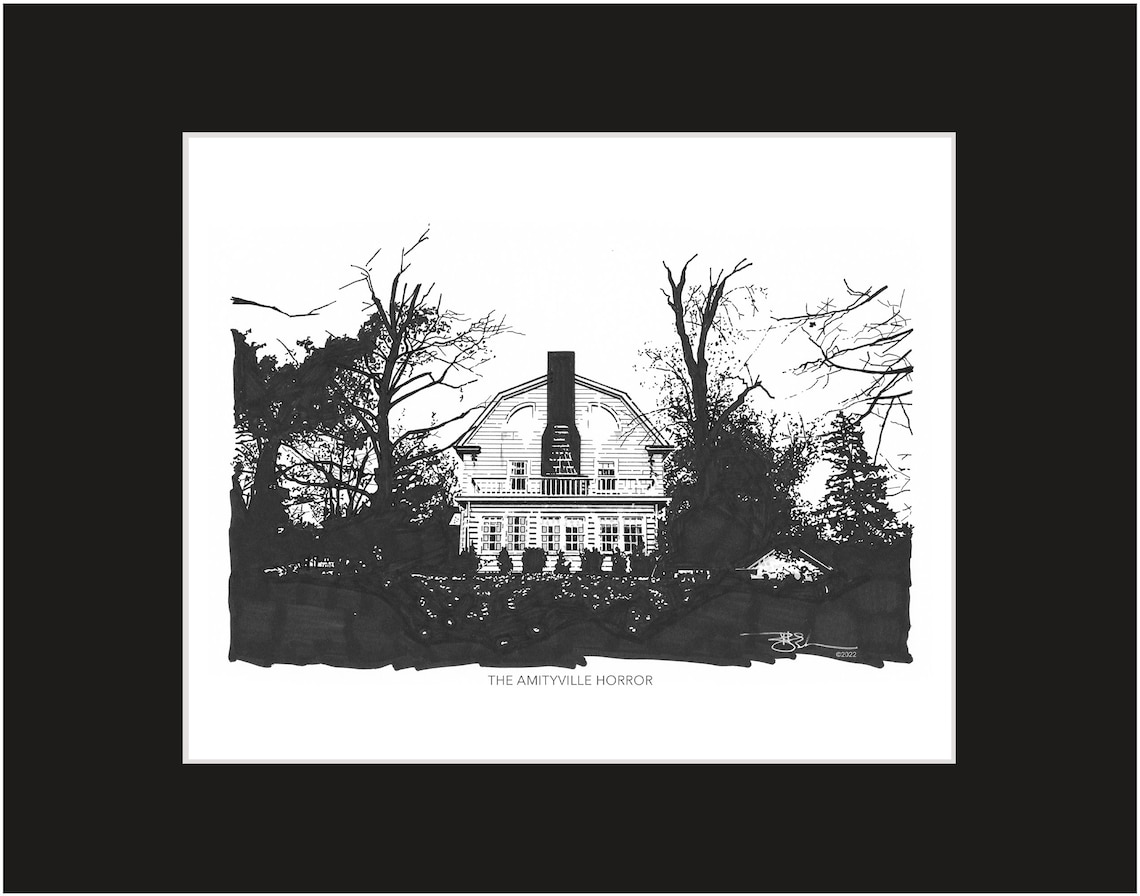
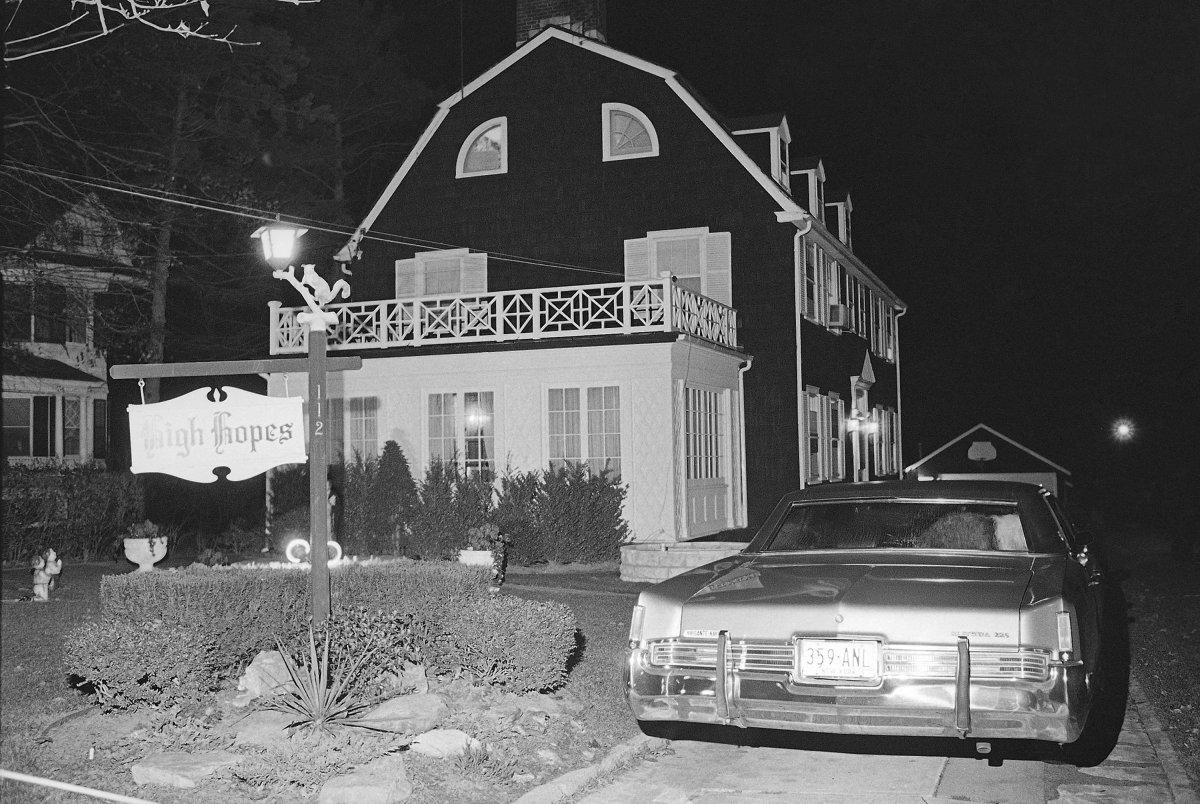
Located in the suburban village of Amityville on Long Island, New York, 112 Ocean Avenue is a world-renowned Dutch Colonial Revival home. Famous as the site of the 1974 DeFeo murders and the subsequent "Amityville Horror" legend, the property has undergone significant renovations and address changes to preserve the privacy of its modern-day residents.
The house at 112 Ocean Avenue (now officially renumbered to 108 Ocean Avenue) remains one of the most studied and discussed pieces of real estate in American history. While the property is forever linked to the paranormal claims of the 1970s, its identity in 2026 is that of a high-value, waterfront private residence. To understand the significance of this location, one must look past the cinematic tropes and examine the architectural specifications, the verifiable historical tragedies, and the complex real estate reality of owning a "stigmatized" property.
The Architectural Foundation: Dutch Colonial Revival in the 1920s
Constructed in 1927, the residence at 112 Ocean Avenue was built during a period when Dutch Colonial Revival architecture was a symbol of suburban prestige on Long Island. This style is characterized by its distinctive gambrel roof, which allows for a nearly full second story while maintaining the appearance of a smaller, traditional cottage.
The home was designed to take full advantage of its location on the Amity Creek, providing direct access to the Great South Bay. Its original specifications included five spacious bedrooms, three and a half bathrooms, and a large formal dining room. The layout was typical for the era, prioritizing a flow between the central hallway and the flanking living spaces.
Material and Structural Specifications
The exterior of the house originally featured dark shingles and white trim, a classic aesthetic for South Shore Long Island. The most iconic—and perhaps most infamous—architectural features were the two quarter-circle windows on the third floor. These "eye" windows gave the house a face-like appearance, a detail that would later be exploited in horror film marketing.
The property also includes a separate boathouse, a luxury feature in Amityville. This structure was essential for the lifestyle of the South Shore elite in the mid-20th century, providing storage for nautical equipment and direct water access. Over the decades, the boathouse has been modernized and reinforced to withstand the coastal weather patterns common to the region.
The DeFeo Murders: A Verified Historical Tragedy
Before it was a subject of supernatural speculation, 112 Ocean Avenue was the scene of a profound human tragedy. On November 13, 1974, Ronald DeFeo Jr. murdered six members of his family inside the home: his parents, Ronald DeFeo Sr. and Louise DeFeo, and his four siblings, Dawn, Allison, Marc, and John Matthew.
The forensic details of the case were harrowing. All six victims were found in their beds, lying face down. The weapon used was a .35-caliber Marlin rifle. This event is the only verified "horror" to occur at the property. Ronald DeFeo Jr. was subsequently convicted on six counts of second-degree murder. He remained incarcerated until his death in March 2021.
The impact of this crime on the Amityville community was significant. It transformed a quiet residential street into a focus for national media. From a real estate perspective, the murders created the initial "stigma" attached to the property, a legal and economic factor that continues to influence the home's market value decades later.
The Lutz Residency and the Birth of a Legend
In December 1975, approximately thirteen months after the DeFeo murders, George and Kathleen Lutz purchased the property for a significantly reduced price of $80,000. Their stay lasted only 28 days. Upon fleeing the house, the Lutzes claimed they had been terrorized by paranormal phenomena, including cold spots, green slime, and demonic visions.
Their account became the basis for Jay Anson’s 1977 book, The Amityville Horror, and the 1979 film of the same name. However, the veracity of these claims has been largely debunked by subsequent owners, researchers, and legal professionals.
Legal Contention and Skepticism
The most notable legal challenge to the Lutz story came from the subsequent owners, James and Barbara Cromarty. The Cromartys sued the Lutzes and Jay Anson, alleging that the "haunting" story was a fabrication intended to generate financial gain and had resulted in a loss of privacy for the property owners.
William Weber, the defense attorney for Ronald DeFeo Jr., later admitted that he and the Lutzes had "created this horror story over many bottles of wine" in hopes of securing a new trial or a book deal. Despite these admissions, the legend remains a staple of American pop culture, often complicating the lives of those who have lived in the house since 1976.
Real Estate Evolution: Ownership and Renovations
Since the Lutz family departed in 1976, the house has been owned by several families, none of whom reported any supernatural occurrences. Instead, their primary challenge has been managing the influx of tourists and curiosity-seekers.
To mitigate this, the property has undergone several aesthetic and legal changes:
- Address Change: The village of Amityville approved a request to change the house number from 112 Ocean Avenue to 108 Ocean Avenue to deter individuals searching for the infamous address.
- Window Replacement: The quarter-circle "eye" windows were replaced with standard rectangular windows to alter the house’s iconic silhouette.
- Landscaping: Higher fences and dense shrubbery were installed to prevent onlookers from viewing the home from the street.
Sales History and Market Value
The house has consistently sold at or near market value for the Amityville area, proving that while a stigma exists, it does not necessarily render a high-value waterfront property unsellable.
| Year | Event/Owner | Approximate Price | Primary Change |
|---|---|---|---|
| 1965 | DeFeo Family Purchase | $30,000 | Original 1927 structure |
| 1975 | Lutz Family Purchase | $80,000 | Post-crime sale |
| 1977 | Cromarty Family Purchase | $95,000 | Renovation and renaming |
| 1987 | Peter/Jeanne O'Neill | $325,000 | Exterior modernization |
| 1997 | Brian Wilson | $310,000 | Interior upgrades |
| 2010 | Caroline D'Antonio | $950,000 | Comprehensive restoration |
| 2017 | Private Buyer | $605,000 | Modernized kitchen/baths |
As of 2026, the property remains a private residence. It is valued not for its "haunted" history but for its 5,000 square feet of living space, its manicured grounds, and its prime location on the water.
Navigating New York Disclosure Laws for Stigmatized Properties
In New York State, the sale of properties like 108 Ocean Avenue is governed by specific disclosure laws. Under New York Real Property Law Section 443-a, sellers and real estate agents are not legally required to disclose that a property was the site of a homicide, suicide, or other felony, nor are they required to disclose "paranormal" activity.
These occurrences are considered "non-material facts" because they do not affect the physical condition of the structure. However, if a potential buyer specifically asks about the history of the house, the seller's agent must either answer truthfully or decline to answer. In the case of 112 Ocean Avenue, the history is a matter of public record, meaning any buyer in 2026 would be presumed to have "constructive notice" of the home's past.
The Impact of "Fame" on Ownership
While the law protects sellers from failing to disclose the home's history, it does not protect owners from the social consequences of fame. Owners of 108 Ocean Avenue typically have to deal with:
- Constant Surveillance: Tourists often park outside or attempt to take photographs.
- Property Taxes: Despite the stigma, the high square footage and waterfront location result in significant tax assessments.
- Insurance: Standard homeowners insurance applies, though some owners may seek additional privacy protections or liability coverage for trespassers.
The Modern Context: Amityville in 2026
The village of Amityville has spent decades attempting to distance itself from the horror films. Local residents generally view the house as a beautiful, historic home rather than a landmark of the macabre. In 2026, the village maintains strict parking and loitering laws on Ocean Avenue to protect the peace of the neighborhood.
The house itself is a testament to architectural resilience. It has survived the Great Depression, the modernization of Long Island, and the intense scrutiny of the global media. For the current owners, the "horror" is not found in the walls, but in the lack of privacy that comes with owning an piece of American folklore.
Technical Upgrades and Preservation
Recent inspections and real estate data indicate that the home has been meticulously maintained. The 1920s foundation has been reinforced, and the HVAC systems have been updated to modern energy-efficiency standards. The boathouse remains a functional asset, and the interior decor has shifted toward a contemporary coastal aesthetic, moving far away from the dark, heavy wood paneling often associated with the 1970s.
Frequently Asked Questions
Can you visit or tour 112 Ocean Avenue?
No. The property is a private residence and is not open to the public. There are no tours, and the owners, along with the Amityville Police Department, strictly enforce trespassing laws. Loitering on the sidewalk or blocking the street to take photos can result in fines or citations.
Is the house still haunted?
There is no scientific or verifiable evidence that the house is haunted. Since the Lutz family left in 1976, no subsequent owner has reported any paranormal activity. The "haunting" is widely considered by historians and legal experts to have been a hoax or a fabrication for financial gain.
Why did the owners change the address?
The address was changed from 112 Ocean Avenue to 108 Ocean Avenue to make it more difficult for tourists and "ghost hunters" to locate the property using GPS or older maps. This is a common tactic for owners of famous or "stigmatized" homes.
What happened to the original "eye" windows?
The iconic quarter-circle windows on the third floor were removed and replaced with standard square windows during renovations in the late 20th century. This was done specifically to change the house's appearance and make it less recognizable from the street and from photographs in the original movie.
Is Ronald DeFeo Jr. still alive?
No. Ronald DeFeo Jr., the individual responsible for the 1974 murders at the home, died in a medical center while serving his sentence in March 2021. His death closed the final legal chapter of the real-life tragedy associated with the address.
Recommendation for Researchers and Buyers
For those interested in the history of 112 Ocean Avenue, it is recommended to focus on the verified criminal justice records and architectural archives rather than sensationalized media. If you are a prospective buyer of a stigmatized property in New York, always perform a thorough title search and consult with a real estate attorney regarding disclosure requirements.
For the general public, the best way to respect the history and the current residents of the property is to view it through the lens of historical documentation rather than physical visitation. The house at 108 Ocean Avenue stands today as a private home, a piece of architectural history, and a reminder of the complex intersection between real estate, law, and American folklore.