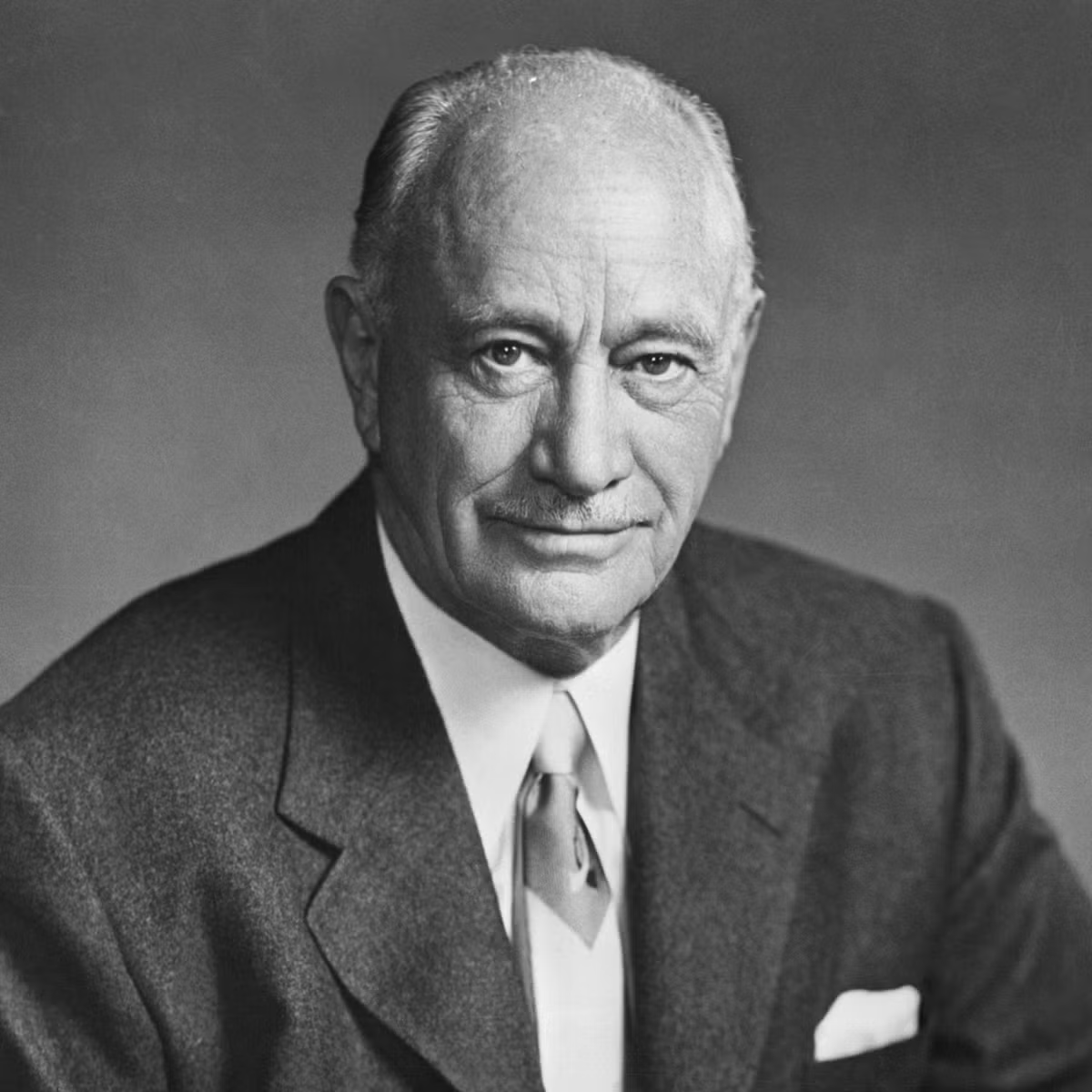
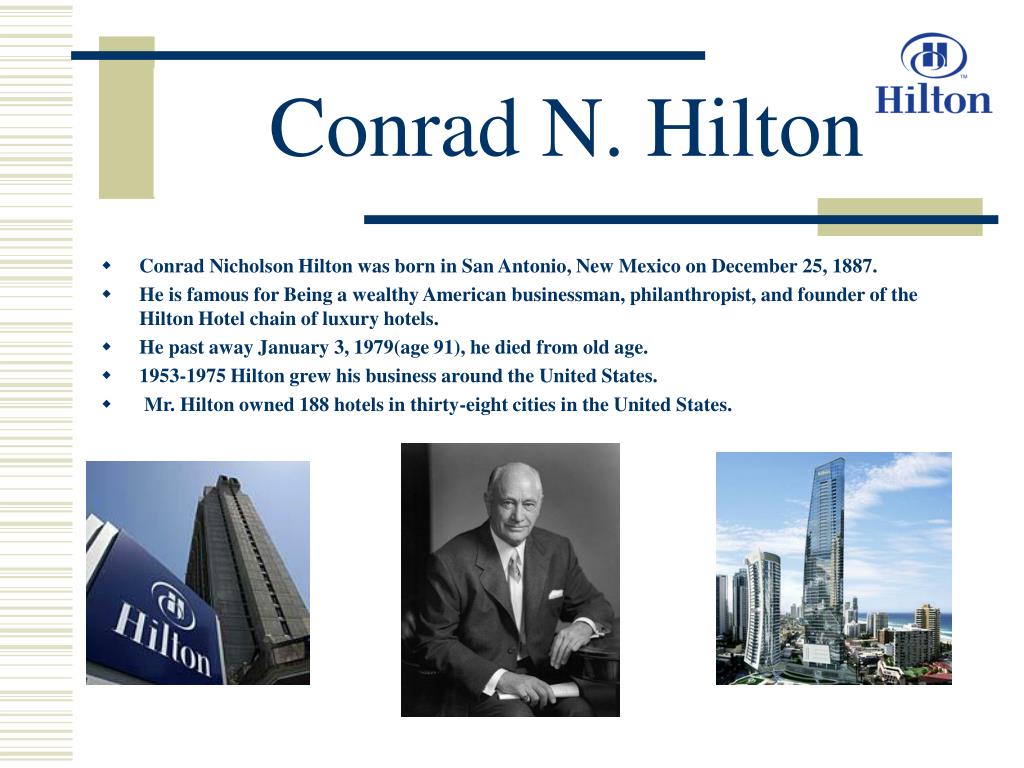
Conrad Hilton’s legacy is defined by his transformation of the hotel industry from a fragmented collection of local inns into a standardized, global hospitality powerhouse. Starting with the purchase of the Mobley Hotel in 1919, his vision centered on "filling the earth with the light and warmth of hospitality," a mission that remains the foundational philosophy of the Hilton brand in 2026.
The Genesis of a Global Empire: From Cisco to the World
The story of the "111 Conrad Hilton" legacy begins not with a grand vision of a skyscraper, but with a failed banking deal in Cisco, Texas. In 1919, Conrad Hilton, a young man from New Mexico with $5,000 in savings and a desire to buy a bank, found himself at the Mobley Hotel. When the banking deal fell through, he noticed the hotel was doing such brisk business that it turned guests away every eight hours to accommodate three shifts of workers from the local oil boom.
Hilton recognized a different kind of opportunity. He purchased the Mobley, marking the start of a journey that would redefine how the world traveled. This first acquisition taught him the "Hilton Way": maximize every square inch of space for revenue and prioritize efficiency without sacrificing the guest's dignity. He famously turned part of the lobby into a retail space and added extra beds to rooms, practices that would later become standard in the industry.
By 1925, Hilton opened the Dallas Hilton, the first hotel to carry his name. This period was characterized by rapid expansion across Texas, where he navigated the challenges of the Great Depression—a period that nearly cost him everything. His survival during the 1930s, often attributed to his relentless work ethic and the loyalty of his staff, solidified his reputation as a resilient businessman who viewed hospitality as a calling rather than just a trade.
The Strategic Acquisitions: Building the "Greatest of Them All"
As the American economy recovered, Conrad Hilton’s ambitions grew. He sought to own the most prestigious properties in the world, believing that a hotel brand’s reputation was built on its flagship locations. This led to a series of strategic acquisitions that remain legendary in the annals of business history.
The Waldorf Astoria Purchase
In 1949, Hilton achieved what he called the "pinnacle of my career": the acquisition of the Waldorf Astoria in New York City. He had carried a photograph of the hotel under the glass of his desk for years, referring to it as the "Greatest of Them All." This acquisition was not merely a real estate transaction; it was a statement of intent. It proved that a "hotel man" from the Southwest could conquer the sophisticated market of Manhattan and manage one of the most complex luxury operations in existence.
The Statler Hotels Deal
In 1954, Hilton orchestrated the largest real estate transaction in history at that time by purchasing the Statler Hotels for $111 million. This deal was a watershed moment for the hospitality industry. The Statler chain was known for its technological innovations, such as the first hotels to offer built-in radios and private baths in every room. By merging Hilton’s flair for luxury and location with Statler’s operational efficiency and technical foresight, Conrad Hilton created a blueprint for the modern corporate hotel chain.
Technical Innovations and the Standardization of Service
The legacy of Conrad Hilton is inextricably linked to the modernization of hotel operations. Before Hilton, staying in a hotel was an unpredictable experience. Standards of cleanliness, service, and amenities varied wildly. Hilton pioneered the concept of a "standard of excellence" that guests could expect regardless of their location.
Several technical and operational milestones define this era:
- Integrated Reservation Systems: In 1955, Hilton launched "HILCRON," the first centralized hotel reservation system. This allowed guests to book rooms at any Hilton property through a single point of contact, a precursor to the digital booking ecosystems of 2026.
- The Airport Hotel Concept: Recognizing the shift in travel patterns from rail to air, Hilton opened the San Francisco Airport Hilton in 1959. This established the "airport hotel" as a specific asset class, catering to the needs of the burgeoning jet-set era.
- Amenity Standardization: Hilton was among the first to introduce air conditioning, direct-dial telephones, and televisions as standard features in guest rooms. He understood that technology was a key differentiator in the luxury and business segments.
The Philosophy of "Be My Guest"
In 1957, Conrad Hilton published his autobiography, Be My Guest. More than a memoir, the book served as a manifesto for the hospitality industry. In it, he outlined the "Hilton Effect," the idea that a hotel should be a "little world" that fosters international peace and understanding.
He believed that by providing a space where people from different cultures could meet and share a meal or a room, the hospitality industry was contributing to global stability. This philosophical approach transformed the role of a hotel manager from a landlord to a "host to the world." Even in 2026, Be My Guest remains required reading for hospitality students, emphasizing that while the tools of the trade change, the fundamental human need for welcome and care remains constant.
The Conrad N. Hilton Foundation: A Philanthropic Pillar
The legacy of "111 Conrad Hilton" is not limited to the commercial success of the brand; it extends deeply into global philanthropy. Upon his death in 1979, Conrad Hilton left the bulk of his estate to the Conrad N. Hilton Foundation.
The Foundation operates with a specific mission: to relieve suffering and improve the lives of the disadvantaged and vulnerable. It has become one of the most influential private foundations in the world, focusing on several key areas:
- Clean Water Initiatives: Providing sustainable access to safe water in developing nations.
- Support for Catholic Sisters: Strengthening the capacity of sisters to provide social services.
- Ending Homelessness: Investing in permanent supportive housing solutions, particularly in Los Angeles.
- Disaster Relief: Providing immediate and long-term support for communities affected by natural and man-made crises.
By 2026, the Foundation has disbursed billions of dollars in grants, ensuring that Conrad Hilton’s commitment to service continues long after his passing. This philanthropic arm provides a moral anchor for the Hilton name, distinguishing it from competitors who may lack a comparable long-term charitable mandate.
Comparing the Pillars of the Hilton Legacy
The following table outlines the key areas where Conrad Hilton’s influence fundamentally altered the course of the hospitality industry.
| Legacy Pillar | Primary Impact | Key Example/Milestone |
|---|---|---|
| Operational Scale | First international hotel chain. | Hilton International (founded 1948). |
| Asset Strategy | Focused on high-value, iconic real estate. | The Waldorf Astoria (1949). |
| Service Culture | Professionalized the role of hotel staff. | Be My Guest philosophy. |
| Technological Lead | Pioneered guest-facing tech. | HILCRON reservation system (1955). |
| Philanthropy | Tied corporate success to social good. | Conrad N. Hilton Foundation (est. 1944). |
| Market Segmenting | Created specialized hotel types. | San Francisco Airport Hilton (1959). |
The "Hilton Effect" in the 21st Century
As we look at the state of the industry in 2026, the "Hilton Effect" is visible in the brand's commitment to ESG (Environmental, Social, and Governance) goals. The "Travel with Purpose" initiative, which sets ambitious targets for carbon reduction and social impact, is the modern manifestation of Conrad Hilton's original vision.
The legacy also lives on in the brand’s ability to adapt to changing consumer preferences. From the luxury of the Waldorf Astoria and Conrad brands to the focused service of Hilton Garden Inn, the organization maintains a diverse portfolio that mirrors the complexity of the global traveler. The "111" legacy represents over a century of refining the balance between the efficiency required for profitability and the warmth required for true hospitality.
Frequently Asked Questions
What was Conrad Hilton's first hotel?
Conrad Hilton's first hotel was the Mobley Hotel in Cisco, Texas, purchased in 1919. He originally intended to buy a bank but redirected his capital to the hotel after seeing its high occupancy rates driven by the local oil boom. The Mobley is now a museum and a designated historic site, serving as a testament to the brand's humble beginnings.
What is the significance of the book "Be My Guest"?
Be My Guest is the autobiography of Conrad Hilton, published in 1957. It is considered a seminal text in the hospitality industry because it articulates a philosophy of service that goes beyond business transactions. It emphasizes the "Hilton Way" of treating every guest with dignity and the belief that hospitality can serve as a bridge between nations and cultures.
How did the purchase of the Statler Hotels change Hilton?
The 1954 purchase of Statler Hotels was significant because it was the largest real estate deal of its time ($111 million) and brought together two industry leaders. Statler was famous for technical innovations like guest room radios and standardized bathroom layouts. Integrating these with Hilton's luxury and marketing prowess created the modern hotel chain model used globally today.
Does the Hilton family still own Hilton Worldwide in 2026?
While the Hilton family retains a connection to the brand's history and some members remain involved in the industry, Hilton Worldwide (Hilton Worldwide Holdings Inc.) is a publicly traded company owned by institutional and individual shareholders. The Conrad N. Hilton Foundation remains a separate, private philanthropic entity that holds a significant historical and financial connection to Conrad Hilton's original estate.
What are the core values of the Conrad N. Hilton Foundation?
The Foundation is guided by the will of Conrad Hilton, which instructs it to "relieve the suffering, the distressed, and the destitute." Its core values include integrity, stewardship, and a commitment to helping the most vulnerable populations globally, with a particular focus on long-term systemic change in areas like water access and homelessness.
Recommendations for Further Study
For those looking to deepen their understanding of the "111 Conrad Hilton" legacy, the following actions are recommended:
- Visit the Mobley Hotel Museum: Located in Cisco, Texas, the site offers a firsthand look at the physical space where the Hilton empire began and houses archives from the early days of the company.
- Study the Hilton Foundation's Annual Reports: These documents provide a modern perspective on how Conrad Hilton’s wealth is being utilized to address 21st-century global challenges, offering a clear link between business success and social responsibility.
- Review Hospitality Management Curricula: Most major hospitality programs, such as those at Cornell University or the Conrad N. Hilton College of Global Hospitality Leadership at the University of Houston, use the Hilton model as a primary case study for operational excellence and brand scaling.
- Read "Be My Guest": Even in the digital age of 2026, the core principles of human interaction and service recovery outlined in this book remain the industry's gold standard.
Conrad Hilton’s legacy is not merely a collection of buildings or a stock ticker; it is a persistent culture of welcome that has influenced almost every aspect of how people stay, meet, and work away from home. His story remains a powerful example of how a clear purpose, combined with relentless innovation and a sense of social duty, can build an institution that outlasts its founder by more than a century.