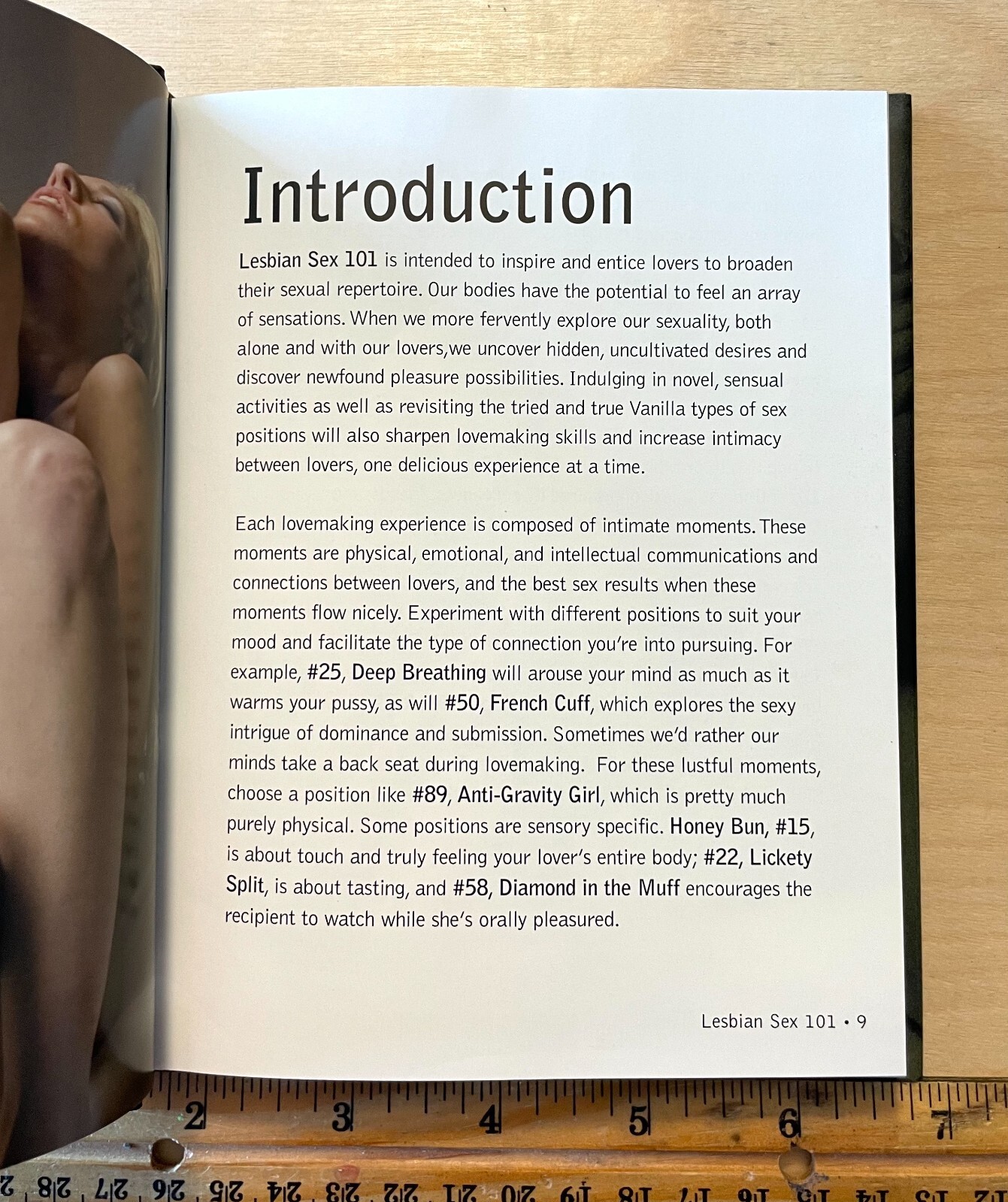
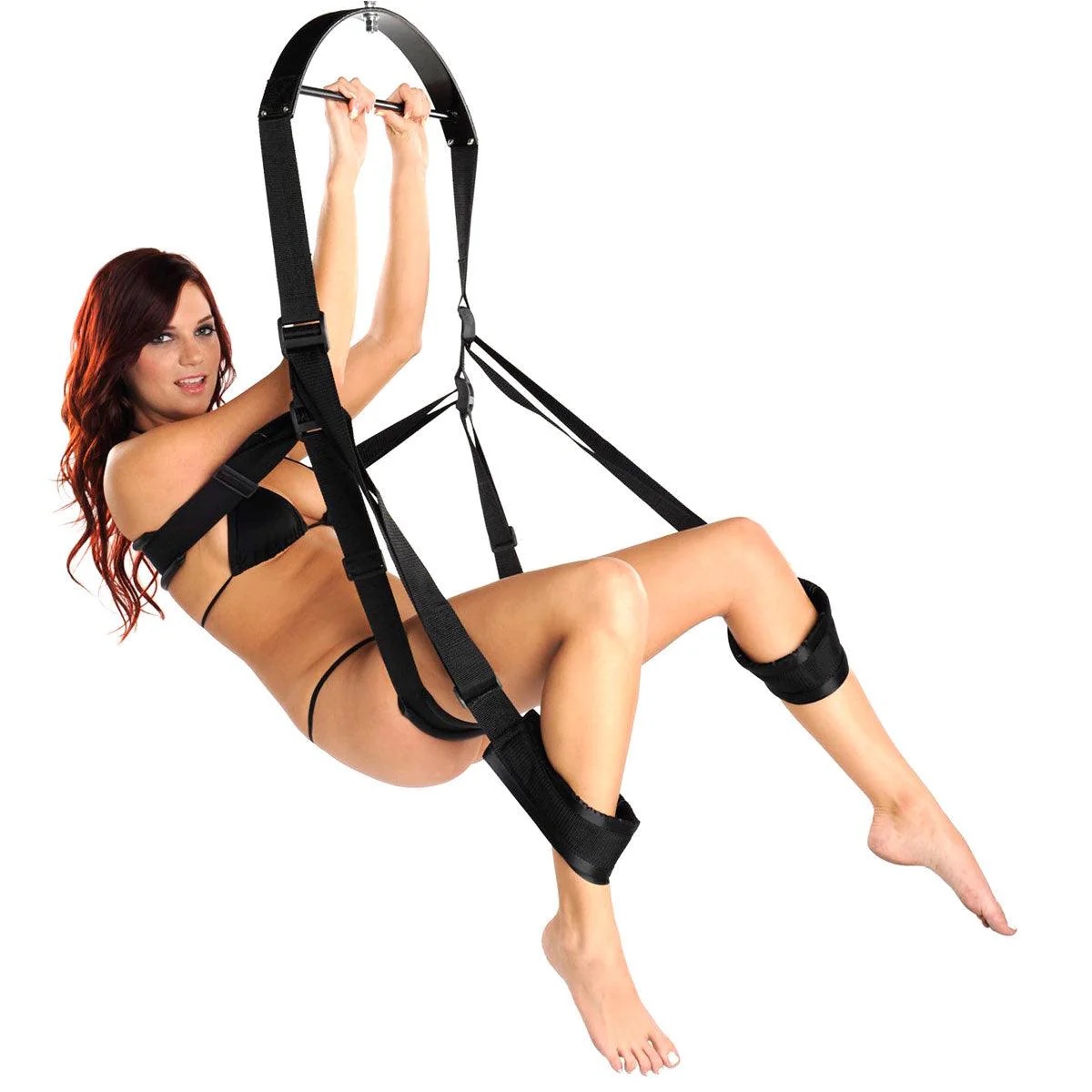
The phrase "101 sex positions to try before you die" represents a classic bucket-list approach to human intimacy, popularized by various relationship guides, lifestyle magazines, and manuals over the decades. At its core, the concept encourages couples and individuals to break out of routine habits, enhance physical compatibility, and explore the vast landscape of human anatomy through diverse angles, pacing, and emotional connections. Far from being a rigid checklist to complete hastily, it serves as an expansive catalog for lifelong sexual exploration, communication, and pleasure.
Understanding the Appeal of Variety in Intimacy
Human sexuality is dynamic, and over time, relationships often transition from the high-adrenaline phase of early romance into more predictable patterns. While comfort and emotional security are vital foundations for a healthy partnership, routine can sometimes lead to physical monotony. Exploring a broad spectrum of positions offers a practical pathway to reinvigorate desire, address changing physical needs, and introduce novel sensations into the bedroom.
Introducing new angles and postures does more than simply alter physical sensation; it transforms the psychological landscape of intimacy. When partners experiment with unfamiliar configurations, they must communicate more explicitly, pay closer attention to each other's non-verbal cues, and practice vulnerability. This shared learning curve breaks down performance anxiety and fosters a playful, exploratory mindset.
The Intersection of Anatomy and Pleasure
Every human body has a unique anatomical blueprint, meaning that a position which feels intensely pleasurable for one person might be entirely neutral or uncomfortable for another. Standard manuals categorize positions based on the primary mechanisms of stimulation—such as G-spot engagement, clitoral stimulation, or deep penetration—as well as the level of physical exertion required. Understanding these mechanical principles allows partners to select configurations tailored precisely to their anatomical preferences and current energy levels.
- Front-to-Front Positions: These configurations, such as the missionary variation or face-to-face sitting, prioritize intense eye contact, kissing, and synchronized emotional bonding.
- Rear-Entry Positions: Ranging from classic doggy style to supported side-lying variants, these often provide deeper penetration and leave the hands free for manual stimulation.
- Seated and Standing Positions: Excellent for controlling depth, angle, and speed while leveraging body weight or support from furniture like chairs or walls.
- Reclined and Side-Lying Positions: Ideal for low-energy days, relaxation, or slow, sustained intimacy without the strain of supporting body weight.
Categorizing the Spectrum of Intimacy
When examining a comprehensive catalog of 101 positions, sorting them into functional categories helps make the selection process manageable rather than overwhelming. The table below outlines major functional classifications, their primary physical benefits, and considerations for execution.
| Category | Primary Benefit | Key Consideration | Best Suited For |
|---|---|---|---|
| Side-Lying / Spooning | Low physical exertion, sustained comfort | Requires coordination for angle alignment | Morning intimacy, recovery periods, or endurance |
| Seated / Coital Alignment | High control over speed, rhythm, and depth | Requires core stability and matching heights | Intimate eye contact and simultaneous stimulation |
| Rear-Entry Variants | Deep penetration, manual access | Can place strain on knees or lower back | Exploratory play and targeted internal stimulation |
| Upright / Standing | Novelty, friction variation, gravity play | Requires physical strength and height parity | Quick encounters, adventurous settings, or high energy |
| Reclined / Edge-of-Bed | Pelvic elevation, versatile angles | Edge support is crucial for comfort and safety | Maximizing clitoral access and varied entry angles |
Prerequisites for Successful Exploration
Embarking on a journey through dozens of unfamiliar positions requires more than just physical flexibility; it demands a strong foundation of communication, safety, and mutual consent. Before attempting complex or acrobatic variations, partners should establish clear ground rules and prioritize comfort over performance.
Communication and Consent
The primary rule of sexual exploration is that consent is continuous and revocable. A position that looks appealing in an illustration might cause cramping, pinching, or emotional discomfort in practice. Establishing a safe word or a simple traffic-light system (green to continue, yellow to adjust, red to stop immediately) ensures that both partners feel secure enough to experiment without fear of pushing past their limits.
Physical Preparation and Ergonomics
Many advanced positions require core strength, flexibility, and endurance. Attempting high-demand postures without preparation can lead to muscle pulls or joint strain.
- Pillows and Wedges: Utilizing household props such as firm pillows, wedge cushions, or rolled blankets can dramatically alter angles, reduce strain on the knees and lower back, and provide necessary elevation.
- Lubrication: Changing angles often shifts the natural alignment of bodies, making supplementary water- or silicone-based lubrication invaluable for maintaining smooth, friction-free movement.
- Warm-Up: Just as an athlete prepares for physical activity, easing into intimacy with slower, familiar movements helps increase blood flow and muscle elasticity.
Step-by-Step Approach to Trying New Positions
Rather than attempting to cycle through a long list systematically, approach exploration as a gradual, organic process.
- Review Together: Sit down outside the bedroom and browse a trusted guide or list together. Note which positions spark curiosity, which seem physically impractical, and which are absolute "hard nos."
- Select One or Two: Pick a single new position to try during your next intimate session. Do not overwhelm the experience by trying to memorize multiple routines at once.
- Set the Stage: Ensure the environment is comfortable, private, and free from distractions. Take time to adjust lighting and temperature to support relaxation.
- Execute with Patience: Move slowly into the new posture. Stop frequently to check in verbally: "Does this feel okay?" or "How is the angle?" Adjust using pillows or shifting weight until both partners feel balanced.
- Debrief and Refine: After the experience, discuss what worked and what didn't. Keep the tone light and humorous—not every posture will be a winner, and trial-and-error is part of the fun.
Common Mistakes to Avoid
When couples attempt to diversify their intimate lives through structured lists, several common pitfalls can derail the experience.
- Treating It as a Chore: Treating the list like a to-do list to be checked off as quickly as possible drains the spontaneity and pleasure from the act. Intimacy should be about connection, not productivity.
- Ignoring Physical Limitations: Forcing a body into an uncomfortable, overly complex posture to achieve an aesthetic or novelty goal can lead to injury or negative associations. Always respect physical boundaries.
- Neglecting Foreplay: Jumping straight into a complex acrobatic position without proper arousal can make the experience uncomfortable or frustrating. Prioritize warmth and readiness first.
- Failing to Adapt: Every body is built differently. Relying strictly on how a position is illustrated without modifying it with props or shifts in weight ignores individual anatomical realities.
Frequently Asked Questions
Do I really need 101 positions to have a satisfying sex life?
No. The number 101 is a literary device used by guides to provide extensive variety, not a minimum requirement for a healthy relationship. Most couples rely comfortably on a core rotation of four to six favorite positions, using novelty items or variations occasionally for added spark.
What should we do if a position causes physical discomfort or pain?
Stop immediately. Pain is a biological signal that an angle, pressure point, or movement is incorrect for your body. Re-evaluate the posture, introduce supportive pillows to relieve joint strain, or transition smoothly back to a comfortable, familiar position.
How can we introduce the idea of trying new positions to a hesitant partner?
Approach the topic with playfulness and curiosity rather than criticism of your current routine. Frame it around mutual pleasure and exploration by saying something like, "I found this interesting guide online and thought it might be fun to try a couple of new angles together this weekend."
Are advanced acrobatic positions necessary for great intimacy?
Not at all. Emotional connection, enthusiastic consent, pacing, and effective communication are far more critical determinants of sexual satisfaction than physical complexity or gymnastics.
Where can I find reliable, anatomically accurate guides for sexual positions?
Look for resources authored by certified sexologists, licensed relationship therapists, or reputable publishers that emphasize consent, ergonomics, and anatomical realism over unrealistic media portrayals.
Practical Recommendations for Long-Term Intimacy
Exploring a wide array of intimate postures is ultimately a tool for deepening connection rather than an end in itself. To maintain a vibrant intimate life over the long term, integrate curiosity into your routine without placing pressure on performance. Periodically revisit your favorite variations, keep communication lines open regarding changing physical needs, and remember that the best positions are those that bring genuine pleasure, comfort, and emotional closeness to both partners.