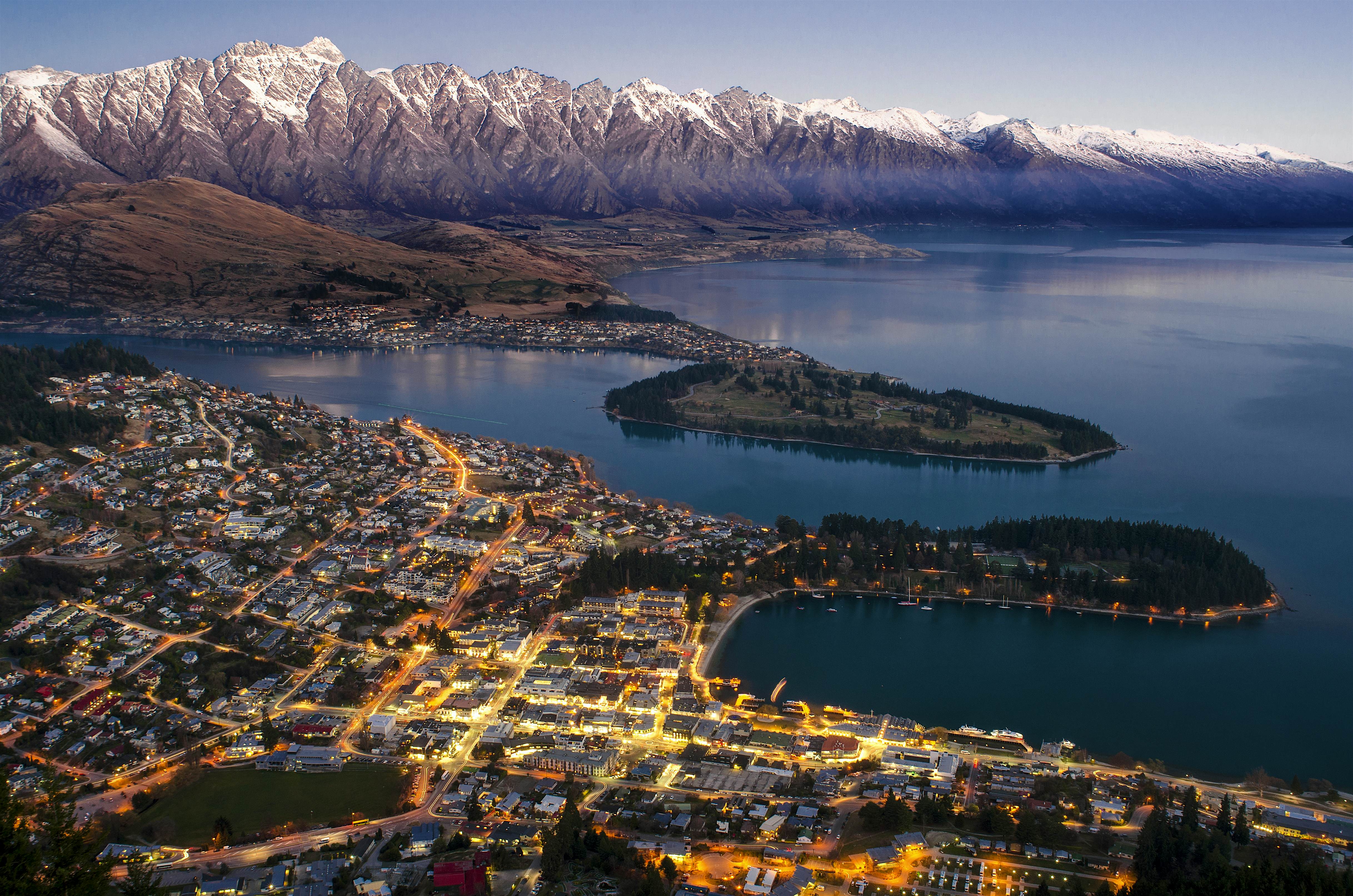
Queenstown serves as the ultimate adventure capital, offering an incredible array of landscapes ranging from jagged alpine peaks to deep, crystal-clear glacial lakes. While the town itself is packed with energy, dining, and boutique shopping, the surrounding region truly sets the Southern Lakes apart. Whether you are seeking high-octane thrills, tranquil wine tastings, or deep-dives into ancient landscapes, venturing just beyond the town limits reveals some of the most extraordinary sights in the Southern Hemisphere.
Planning a trip to Queenstown requires balancing physical exertion, weather windows, and seasonal logistics. The following curated list outlines ten of the most compelling activities situated just a short drive, flight, or cruise away from Queenstown, providing a comprehensive guide for travelers aiming to maximize their itinerary in 2026.
1. Cruise the Majestic Waters of Milford Sound (Piopiotahi)
Located within Fiordland National Park, a day trip to Milford Sound is widely considered the crown jewel of New Zealand tourism. Situated roughly a four-hour drive from Queenstown, the journey along the Milford Road (State Highway 94) is an experience in itself, taking travelers through the Eglinton Valley, the Homer Tunnel, and the sheer-walled Cleddau Canyon.
Once you arrive at the fiord, taking a boat cruise is the definitive way to experience its scale. Towering granite peaks, including the iconic Mitre Peak, rise vertically out of the dark waters by more than a mile. Waterfalls such as Bowen Falls and Stirling Falls plunge hundreds of meters down cliff faces, intensifying dramatically if you visit during or immediately after rain. Wildlife sightings commonly include New Zealand fur seals, bottlenose dolphins, and occasionally rare Fiordland crested penguins.
- Logistics: Travelers can drive independently or book a coach-and-cruise day tour from Queenstown. Independent drivers must check avalanche hazard updates during winter and spring.
- Pro Tip: Consider a fly-cruise-fly option if weather permits; flying over the Southern Alps saves significant travel time and offers unmatched aerial perspectives of the glaciated terrain.
2. Sample World-Class Pinot Noir in Central Otago (Gibbston Valley)
Just a 25-minute drive from downtown Queenstown lies the Gibbston Valley, the dramatic wine-growing sub-region affectionately known as the "Valley of the Vines." Carved out by the Kawarau River, this wine district is globally celebrated for its cool-climate viticulture, specifically world-class Central Otago Pinot Noir, aromatic Riesling, and crisp Chardonnay.
Visiting the region allows travelers to explore boutique cellar doors carved into schist rock faces or nestled among sweeping valley floors. Many wineries, such as Chard Farm, Peregrine, and Gibbston Valley Wines, offer structured tastings led by knowledgeable local winemakers.
- Accessibility: For an active twist, many visitors rent bicycles and ride along the Gibbston River Trail, which connects multiple wineries via suspension bridges and flat gravel paths.
- Cost Considerations: Cellar door tastings typically range from $15 to $40 NZD, often redeemable against the purchase of a bottle.
3. Step Back in Time at Arrowtown
Located just 20 minutes northeast of Queenstown, Arrowtown is a meticulously preserved historic gold-mining town nestled alongside the Arrow River. Established in 1862 during the height of the Otago gold rush, the town retains more than 60 historic buildings, particularly along Buckingham Street, which now house artisan bakeries, galleries, and boutique shops.
A short walk down to the riverbank leads to the restored Chinese Settlement, a cluster of small stone huts and interpretation panels detailing the hardships faced by Chinese miners who arrived in the 1860s and 1870s. For outdoor enthusiasts, Arrowtown is also the starting point for several scenic walking tracks, including the Federation Trail and the grueling climb up Tobin’s Track for panoramic views of the Wakatipu Basin.
- Best Time to Visit: Autumn (April to May) transforms Arrowtown into a vibrant canvas of golden, amber, and red foliage, attracting photographers from across the globe.
- Family Friendliness: Pan for gold in the Arrow River using pans rented from the local museum—a favored activity for travelers of all ages.
4. Jet Boat the Shotover River Canyons
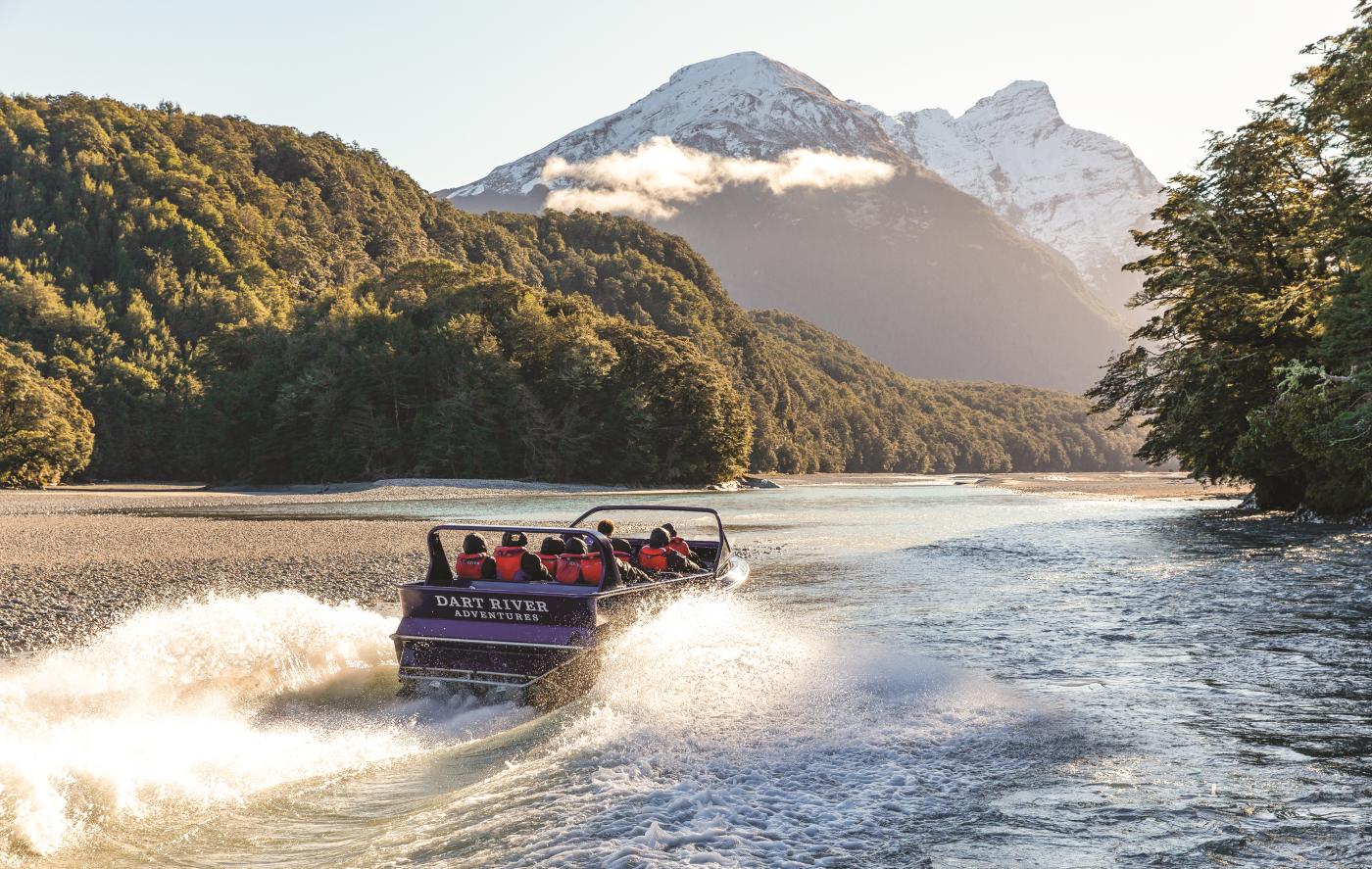
No trip to the adventure capital is complete without experiencing a high-speed jet boat ride, and the Shotover River is the premier location for this iconic Kiwi invention. Operating just 10 minutes from central Queenstown in the suburb of Arthurs Point, commercial jet boat operators navigate the narrow, dramatic canyon walls carved by glacier-fed waters.
The boats are engineered with twin Hamilton jet propulsion units, allowing them to spin 360 degrees on a dime and skim across water only centimeters deep. Expert drivers skim mere inches from jagged schist rock faces, delivering an adrenaline rush combined with local geological history.
- Requirements: Life jackets and waterproof spray jackets are provided. Passengers must meet minimum height requirements (usually around 1 meter) for safety.
- Safety & Regulation: Commercial jet boating in New Zealand is strictly regulated under Maritime New Zealand rules, ensuring high maintenance and pilot-training standards.
5. Walk Across the Kawarau Bridge Bungee
Situated 25 minutes east of Queenstown on State Highway 6, the historic Kawarau Bridge is the birthplace of commercial bungee jumping. Pioneered by A.J. Hackett and Henry van Asch in 1988, this site allows brave souls to hurl themselves 43 meters down toward the turquoise waters of the Kawarau Gorge.
Even if you prefer not to jump, the Kawarau Suspension Bridge visitor center features a free viewing platform where you can watch jumpers plummet, touch the water, or bounce back up. The site also houses a museum dedicated to the history of extreme sports in New Zealand.
- Options: Jumpers can choose to jump solo, tandem, or even opt for a water touch (either partial or full immersion depending on river levels).
- Booking: Advance reservations are strongly recommended during peak summer months (December through February).
6. Explore Mount Aspiring National Park via Glenorchy
A 45-minute drive northwest of Queenstown along the edge of Lake Wakatipu leads to Glenorchy, a small, tranquil settlement at the northern tip of the lake. The drive itself is widely recognized as one of the most scenic coastal highways in the world, tracing the lake's rugged shoreline beneath the towering Richardson Mountains.
Glenorchy serves as a gateway to Mount Aspiring National Park, a UNESCO World Heritage area defined by dramatic peaks, ancient beech forests, and braided glacial rivers. Visitors can embark on short walks like the Glenorchy Lagoon boardwalk or venture deeper into the Dart and Rees River valleys via 4WD or jet boat. Fans of cinematic history will also recognize the surrounding landscapes as iconic backdrops from The Lord of the Rings and The Chronicles of Narnia.
- Preparation: Mobile phone service is virtually non-existent past Glenorchy; download offline maps and check fuel levels before leaving Queenstown.
- Weather: Alpine weather changes rapidly; always pack waterproof layers and sturdy footwear.
7. Ride the Skyline Gondola and Luge
Perched high above Queenstown on Bob’s Peak, the Skyline Gondola whisks visitors 450 meters above the town center in a matter of minutes. While the journey up offers sweeping vistas of Lake Wakatipu, Cecil Peak, and The Remarkables mountain range, the true draw for adventure seekers is the Queenstown Luge.
Gravity-fueled carts allow riders to navigate downhill tracks featuring banked corners, tunnels, and cuttings. Two distinct tracks are available: the Scenic Track for a leisurely cruise, and the Advanced Track for higher speeds and sharper turns.
- Evening Activity: The complex remains open late, making it a popular spot to watch the sunset over the lake before dining at the Stratosfare Restaurant.
- Accessibility: Fully accessible via gondola cabins; Luge carts require basic upper-body mobility and steering capability.
8. Hike the Routeburn Track (Day Walk Option)
As one of New Zealand’s premier Great Walks, the full Routeburn Track takes two to three days to complete. However, travelers based in Queenstown can experience its most stunning alpine sections via a well-planned day hike starting from the Routeburn Shelter near Glenorchy.
A day walk up to Key Summit rewards hikers with a moderate climb through towering red and silver beech forests before breaking out into an alpine wetland ecosystem. At the summit, educational panels explain the glacial geology, and panoramic views open up over the Darren Mountains and Lake Marian.
- Fitness Level: Moderate to high; the climb involves steady elevation gain over a distance of roughly 7 to 8 kilometers round-trip.
- Gear Check: Pack adequate water, high-energy snacks, thermal layers, and rain gear, as alpine weather can shift from warm sunshine to freezing winds in minutes.
9. Soak in Alpine Luxury at Onsen Hot Pools
After days of hiking, bungee jumping, and driving, travelers seeking relaxation can unwind at the Onsen Hot Pools, located overlooking the Shotover River canyon just outside Queenstown. These cedar-lined private tubs combine the traditional Japanese hot spring aesthetic with dramatic Kiwi mountain views.
Each pool is housed in a semi-enclosed cedar room with a retractable panoramic window, allowing visitors to enjoy the fresh mountain air while soaking in mineral-rich, heated water. Evening soaking sessions are particularly popular, offering views of lit canyon walls and starlit skies.
- Reservation Rule: Due to high demand and limited private pool capacity, bookings must often be made months in advance, especially for sunset slots.
- Duration: Standard sessions run for 60 minutes and include complimentary refreshments.
10. Ski or Snowboard at The Remarkables or Coronet Peak
Depending on the season, Queenstown transforms into a world-class winter sports hub. Winter operations typically run from early June through October, drawing skiers and snowboarders from across the globe to two premier ski fields within easy driving distance of the town center.
- Coronet Peak: Located just 25 minutes from Queenstown, Coronet Peak offers extensive terrain, night skiing on selected nights, and a modern base facility.
- The Remarkables: Situated 40 minutes away, this ski field features sunny basins, challenging steep chutes, and terrain parks nestled beneath dramatic alpine crags.
| Ski Area | Distance from Queenstown | Highest Elevation | Best Suited For |
|---|---|---|---|
| Coronet Peak | 25 minutes | 1,649 meters | All levels, night skiing, quick access |
| The Remarkables | 40 minutes | 1,943 meters | Alpine bowls, park riders, dramatic scenery |
- Transport: Both mountains operate reliable daily ski bus services from central Queenstown for travelers who prefer not to drive on alpine roads with snow chains.
Summary Comparison of Top Activities
To help plan your itinerary efficiently based on time constraints and activity levels, review the breakdown below:
| Activity | Est. Time Required | Primary Vibe / Intent | Booking Requirement |
|---|---|---|---|
| Milford Sound Cruise | Full Day (10-12 hrs) | Scenic nature, photography | Recommended in advance |
| Gibbston Valley Wine Tour | Half Day (3-4 hrs) | Relaxation, gastronomy | Recommended for tours |
| Arrowtown Exploration | Half Day (3-4 hrs) | History, walking, culture | Walk-in friendly |
| Shotover Jet Boating | 1.5 hours total | High adrenaline, water | Recommended in advance |
| Kawarau Bridge Bungee | 2 hours total | Extreme thrill | Essential in peak season |
| Glenorchy & Mt Aspiring | Full Day (6-8 hrs) | Road trip, film sites | Independent or tour |
| Skyline Gondola & Luge | 2-3 hours | Family-friendly thrills | Walk-in or pre-booked |
| Routeburn Track Day Walk | 4-5 hours | Hiking, alpine flora | Free access (transport needed) |
| Onsen Hot Pools | 1 hour | Wellness, relaxation | Essential months ahead |
| Skiing at Remarkables | Full Day | Winter sports | Book passes/rentals early |
Frequently Asked Questions
What is the best time of year to visit Queenstown for outdoor activities?
The best time depends entirely on your preferred activities. Summer (December to February) offers long daylight hours, warm temperatures, and ideal conditions for hiking, biking, and water sports. Winter (June to August) is ideal for skiing, snowboarding, and snow-capped scenery. Autumn (March to May) provides stable weather, fewer crowds, and stunning foliage in Arrowtown.
Do I need to rent a car to explore outside Queenstown?
While a rental car offers the greatest flexibility for exploring regional attractions like Glenorchy, Arrowtown, and Milford Sound, it is not strictly necessary. Numerous reliable shuttle operators, day-tour coaches, and public buses service the major tourist routes, ski fields, and trailheads.
Are advance bookings required for major activities in Queenstown?
Yes, especially during peak shoulder and summer seasons (December to February and school holidays). High-demand activities like Milford Sound cruises, Onsen Hot Pools, and iconic bungee jumps frequently book out weeks or even months in advance.
Is Queenstown suitable for family travel with children?
Queenstown and its surrounding regions offer an abundance of family-friendly activities. The Skyline Gondola and Luge, gold panning in Arrowtown, calmer jet boat options, and short nature walks around Glenorchy cater exceptionally well to travelers of all ages.
How do I prepare for changing weather in the Southern Alps?
Alpine weather is notoriously unpredictable. No matter the season, always pack layers including a waterproof windbreaker, sturdy footwear, sun protection, and plenty of water. Checking official forecasts via the MetService website before heading into alpine areas is essential.
Final Recommendation
When designing your Queenstown itinerary, prioritize a balance of high-energy adventures—such as jet boating or hiking—with restorative experiences like a wine tasting or an alpine hot pool soak. Book essential permits, transport, and signature experiences well in advance, and always build flexibility into your schedule to accommodate the shifting mountain weather.